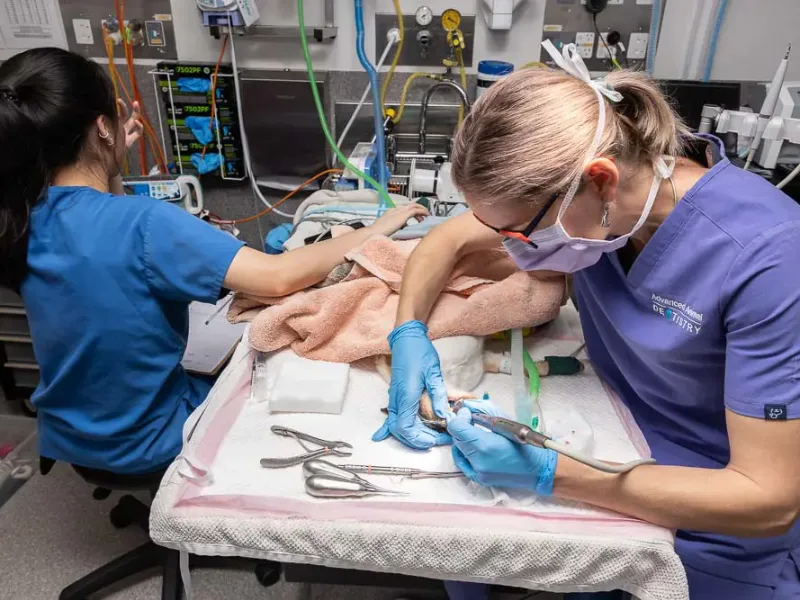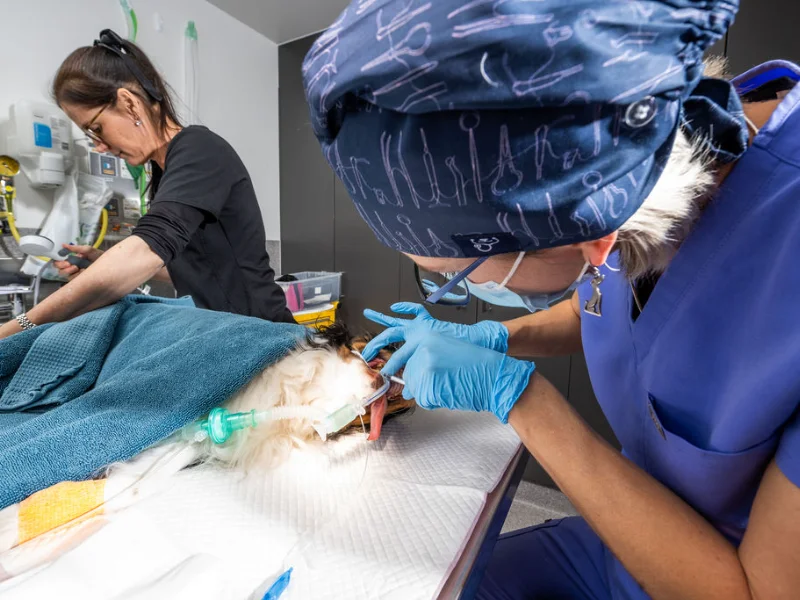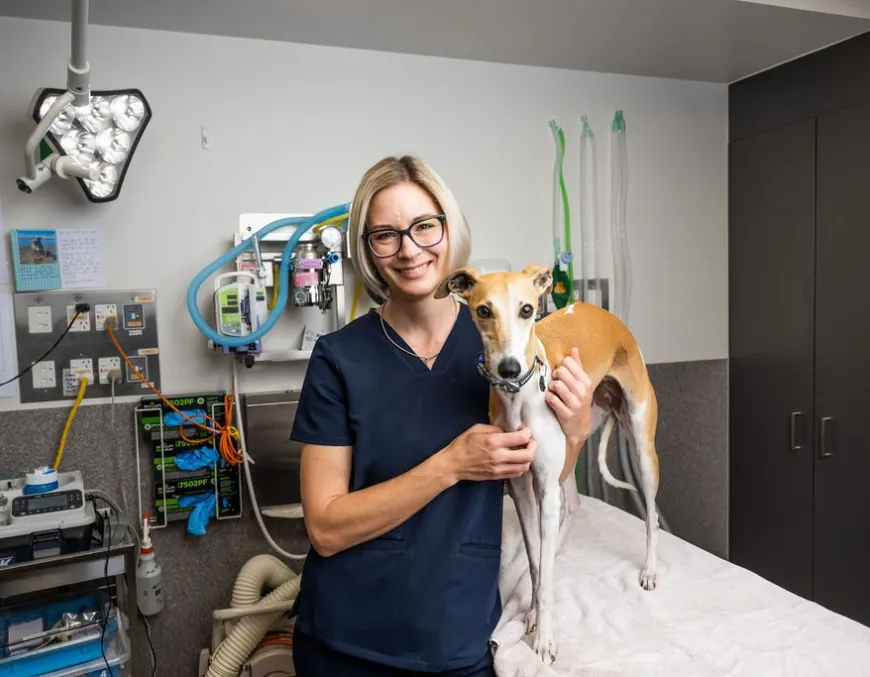

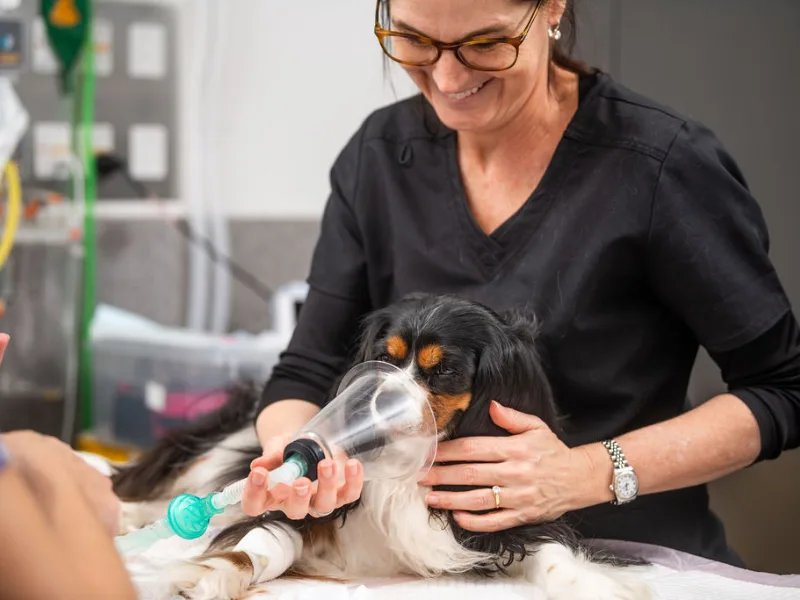
We assess each patient individually, considering their health history, age and any concurrent medical conditions, to tailor the anaesthetic approach to their specific needs.
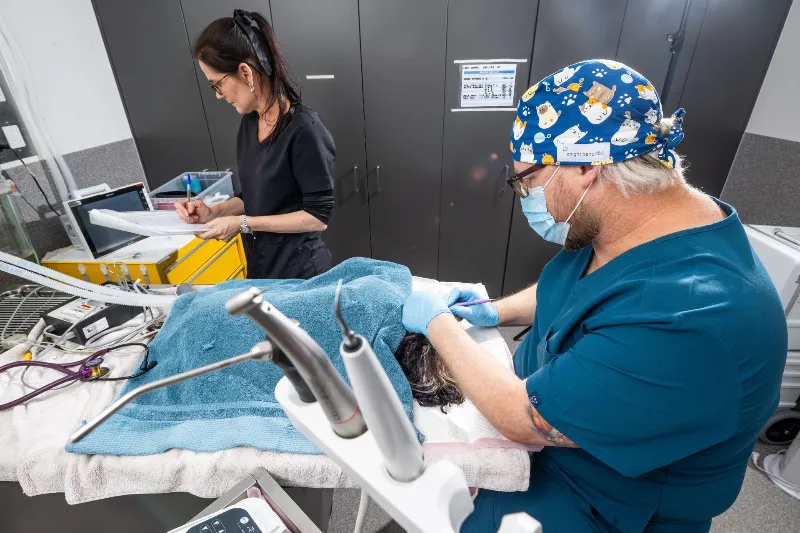
We spend our veterinary dental careers examining teeth for subtle pathology. Sometimes our clinical habits deserve the same careful inspection. Staged dentistry is becoming more common in practices across the country, and while there are certainly situations where it may be the most appropriate approach, it may not always be the best option for every patient.
At Advanced Animal Dentistry, we have been treating complex dental disease in Brisbane and the Gold Coast since 2006, with patient welfare guiding every decision. As discussions around staged dentistry gain momentum across the profession, many practices are reassessing how their workflows operate. It has prompted broader conversation about how dental procedures are structured, particularly when diagnostics and treatment and are separated.
“There is currently no strong evidence in small animal medicine to support a strict two-hour limit for anaesthesia during dental procedures.”
What staged dentistry means in small animal practice
Firstly, staged dentistry in most veterinary practices is a model rather than a rigid protocol. Its implementation can vary between clinics. Some may stage only diagnostics and treatment, while others may still perform minor extractions during the first procedure.
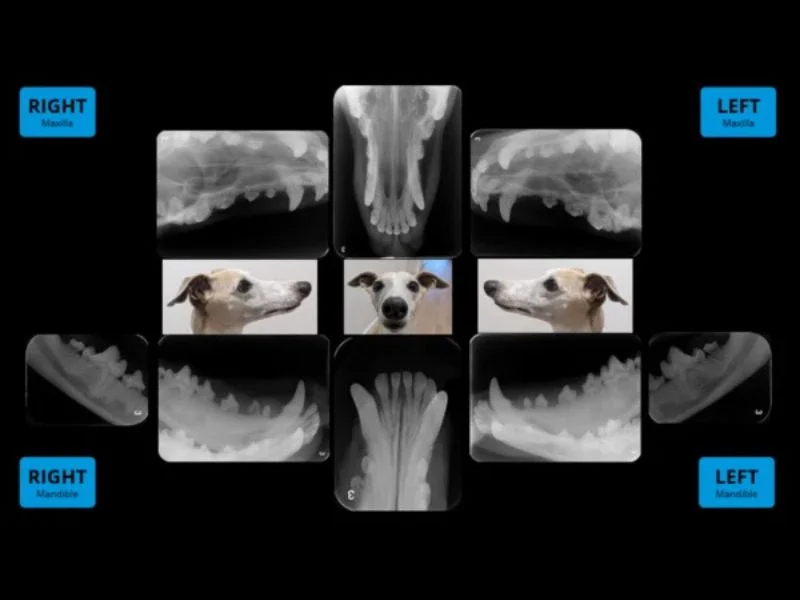
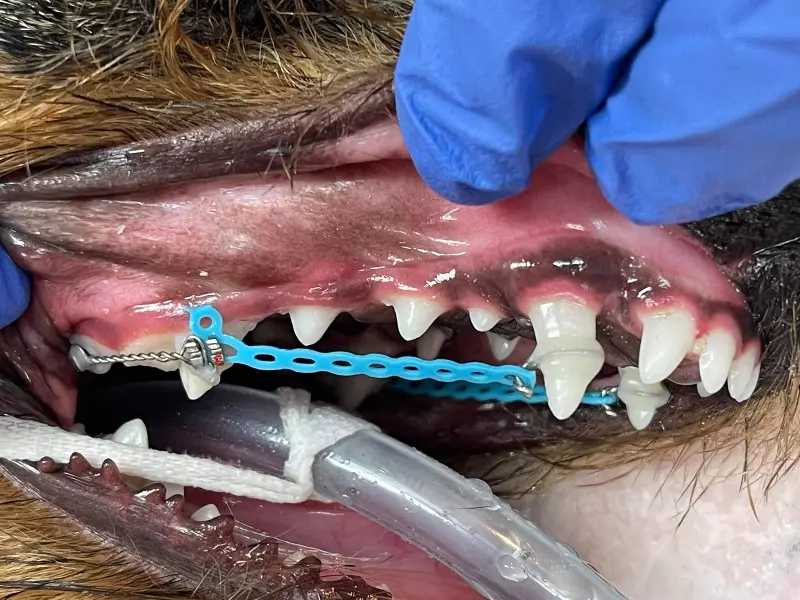
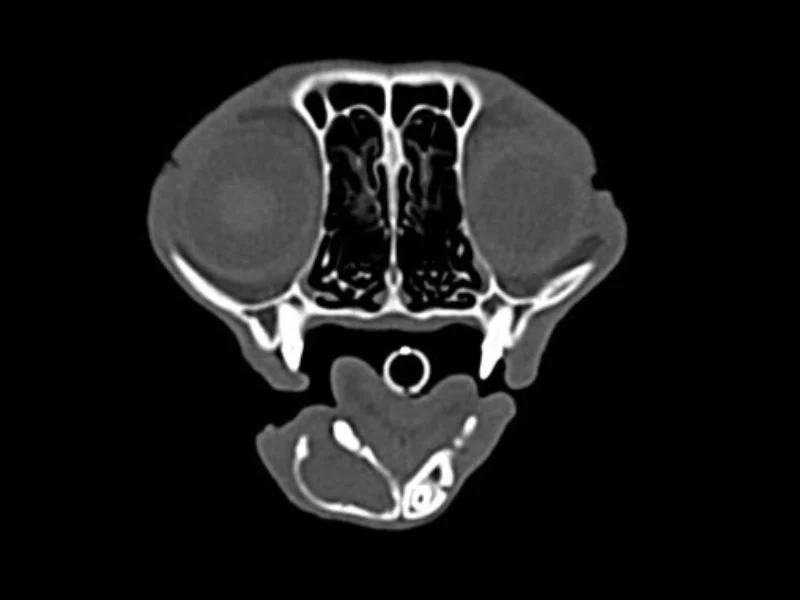
In its most common form, the patient is placed under anaesthesia for a diagnostic dental procedure where scaling and polishing, charting and probing, and full mouth radiographs are performed. Any required treatment, such as extractions or other surgical procedures, is then scheduled under a second anaesthetic at a later date, sometimes days or weeks later.
The staged model is often compared with human dentistry, where examinations and treatment planning may occur separately from procedures such as fillings or extractions. But the comparison has limits. Unlike animals, human patients are conscious and do not require general anaesthesia during dental exams involving imaging or probing. When a painful or infected tooth is identified, it is usually treated at that time, while less urgent issues are scheduled for later.

Why staged dentistry is becoming more common in veterinary practice
While staged dentistry can have a certain appeal from a workflow and scheduling perspective, dental treatment planning is rarely an exact science, particularly when extractions are involved.
It is understandable that many clinics feel staging diagnostics first will help them estimate the extraction workload and schedule the second procedure more precisely. In reality, however, there are many factors that can influence how a dental case unfolds once extractions begin.
Teeth that appear straightforward on radiographs can fracture or behave unpredictably, extending procedure time. Total cost may also end up similar or higher, as staging involves two anaesthetics and two hospital admissions. Client preference varies as well. Some may prefer staged costs, while others favour a single procedure with a broader estimate.
A major factor driving the rise in staged dentistry is the discussion around anaesthesia and the belief that shorter procedures are safer. Some messaging suggests dental procedures should not exceed two hours, but the issue is more nuanced. Much of this thinking stems from equine studies, and there is currently no strong small animal evidence defining a clear time limit at which anaesthesia becomes unsafe. At Advanced Animal Dentistry, where specialist anaesthesia support is available, we know that safety is influenced far more by monitoring, patient management and physiological stability than by a number on the clock.
The highest risk periods during anaesthesia are induction and recovery. When procedures are staged, patients experience both phases twice, which may increase cumulative risk. It is also worth remembering that the same patient can respond very differently to anaesthesia from one event to the next, even with identical protocols. A well-managed three-hour anaesthetic can remain stable throughout, while complications may arise early in a shorter case if monitoring or blood pressure control is inadequate.
Sometimes a staged workflow can feel like the more practical option simply because dental procedures are often thought to be time-consuming. In reality, experienced veterinarians can frequently complete full-mouth radiographs, scaling, and the necessary extractions within the time many clinics allocate to the first stage alone. As efficiency improves, cases become easier to manage for the team and can also be more financially sustainable for the practice.
Investing in further training can help teams refine their approach as dental techniques continue to advance.
“The highest risk periods of anaesthesia occur during induction and recovery, which means staging a procedure exposes the patient to those phases twice.”
Clinical considerations that warrant careful thought
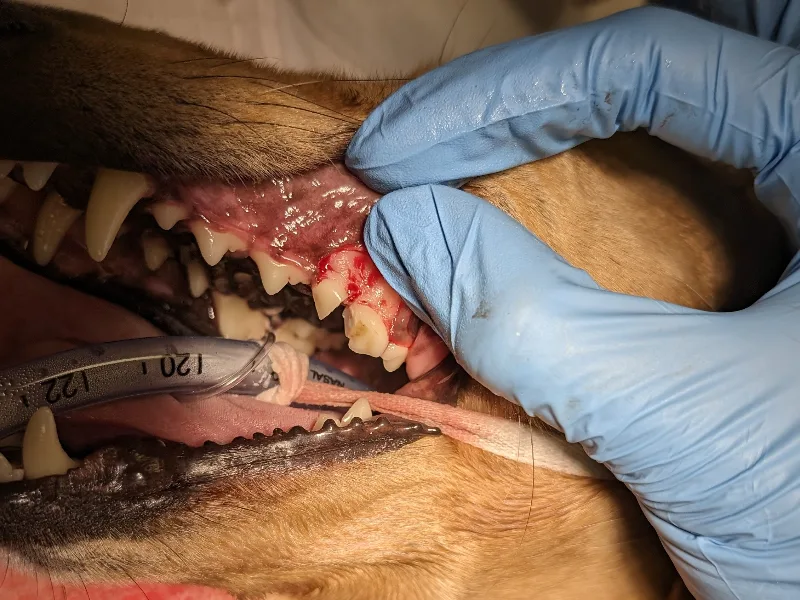
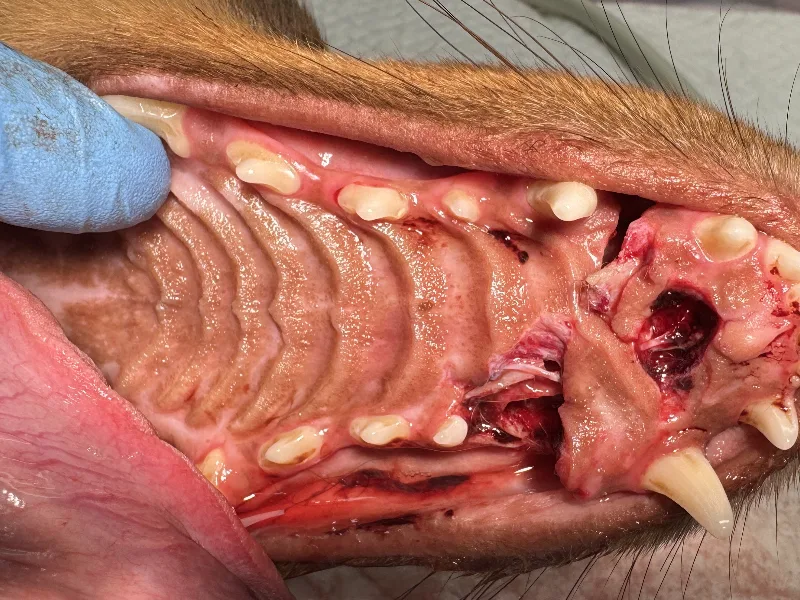
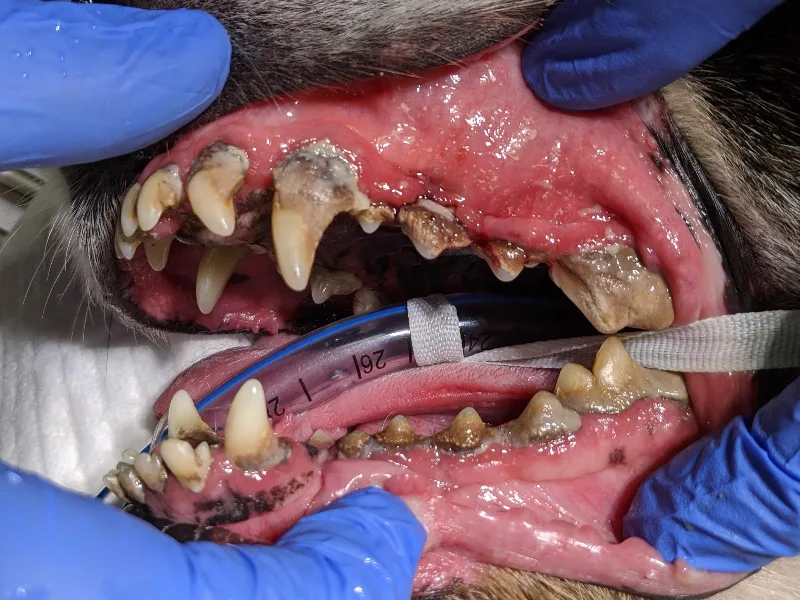
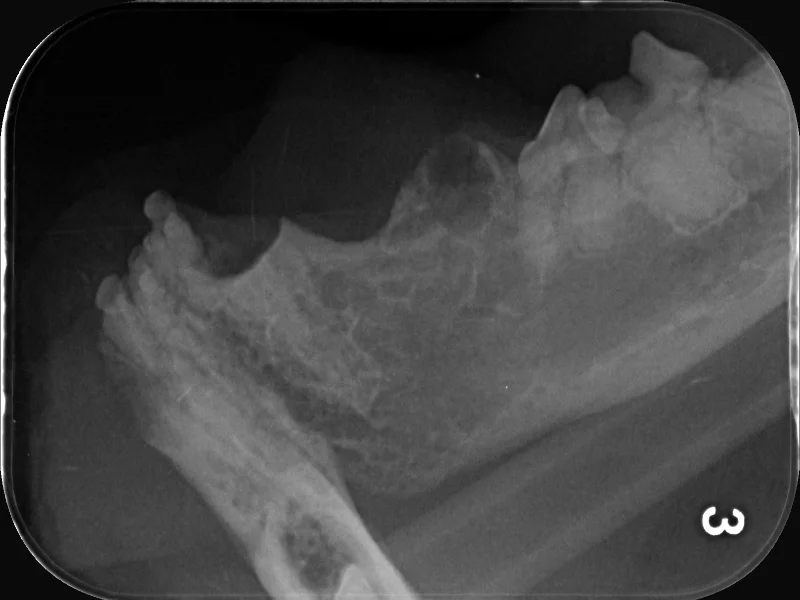
As veterinary dentists, our priority is always to relieve pain and treat disease as soon as possible. Often, the true extent of dental pathology only becomes clear once full radiographs are taken during the procedure. If a painful problem is discovered at that point, postponing care can leave the patient extremely uncomfortable until the next visit.
Going back to human dentistry, while procedures may be staged, if a patient presents with pain, the issue is usually addressed immediately. For pets, that can be difficult if insufficient time has been allocated because the case was staged.
Some examples of dental conditions that may be identified during the procedure and should ideally be addressed straight away include:
- Tooth resorption, particularly in cats, where cleaning can expose painful dentine
- Endodontic disease, including cases where infection or pathology may not yet be clinically obvious
- Severe periodontal disease with root exposure
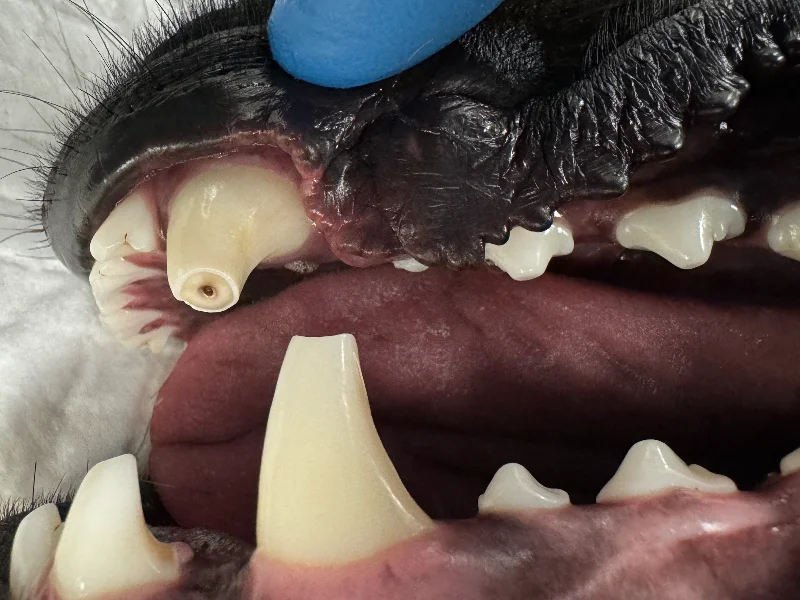
- Fractured teeth with exposed pulp
- Tooth root abscesses or other clear signs of dental infection
Another factor to consider is clinical continuity. Dentistry often depends on subtle visual and tactile findings that cannot always be fully captured in notes or radiographs. When diagnostics and treatment occur at different times, the clinician carrying out the second procedure may not be the one who performed the original assessment. Each veterinarian brings their own perspective, and the same findings can sometimes be interpreted a little differently, which may influence case management.
When staged dentistry may be appropriate
There’s nothing inherently wrong with staged dentistry, and there are situations where it may be the best option. Some patients are better suited to shorter procedures, particularly where longer periods under anaesthesia carry additional considerations. Greyhounds are one example, as they are known to be at higher risk of hyperkalaemia, and separating diagnostics and treatment can sometimes be the most sensible approach.
Extremely complex cases can also be better managed with staging. Full mouth extractions and other large surgical workloads may be handled more safely and carefully when the work is divided across procedures.
Even when the intention is to complete everything in a single session, cases can become larger or more complicated than anticipated. When that happens, staging the remainder can be the safest decision. In any surgical setting, it’s important to recognise when continuing may not be in the patient’s best interest.
“When painful dental disease is discovered during a procedure, delaying treatment until another anaesthetic is not always in the patient’s best interest.”
Putting the patient first
There isn’t one right way that works all the time. That’s why careful, individualised planning is essential. Consider the patient’s comfort, anaesthetic management and the practicalities of the case, then decide whether staging is appropriate or whether everything can be completed in a single session.
If you’d like to explore these concepts further, we regularly discuss them through continuing education sessions and in-practice training. Contact us to ask about upcoming events or short in-clinic training sessions.
To refer a patient to Advanced Animal Dentistry, complete the referral form here.