Tooth Resorption (Dog)

Tooth resorption causes the structure of a tooth to break down over time. In dogs, it usually happens out of sight, beneath the gumline, with no clear signs.

It was once thought to be uncommon, but we’re now seeing it more often, mostly due to improvement in dental imaging techniques and increased monitoring.

“Tooth resorption in dogs often progresses without visible signs, making imaging essential for diagnosis.”

Tooth of a dog

About tooth resorption in dogs

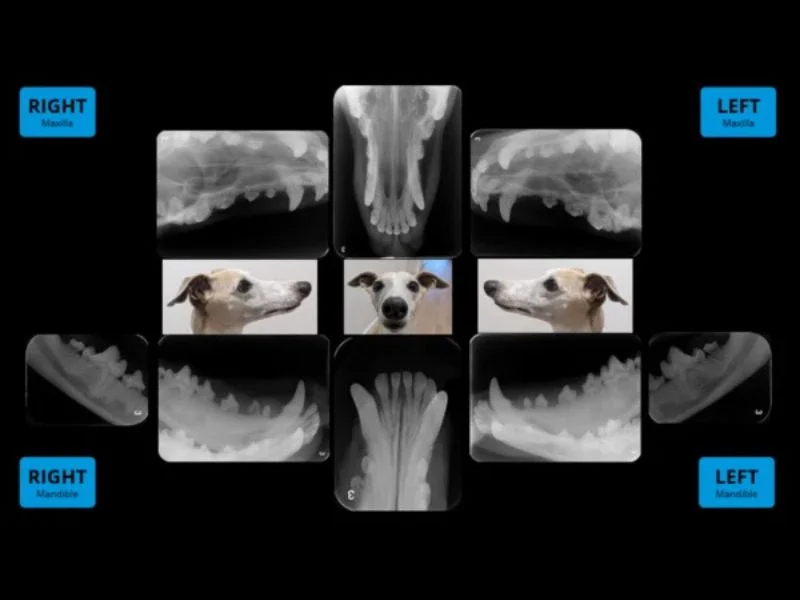
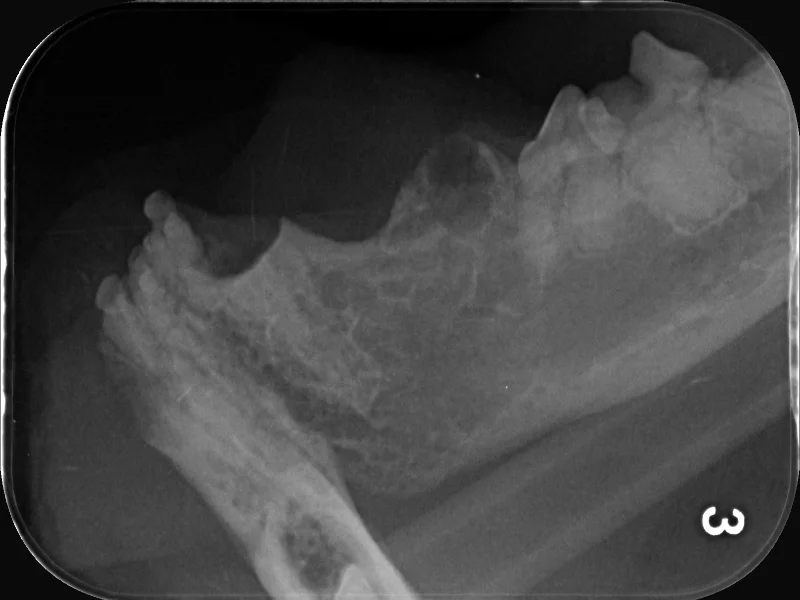
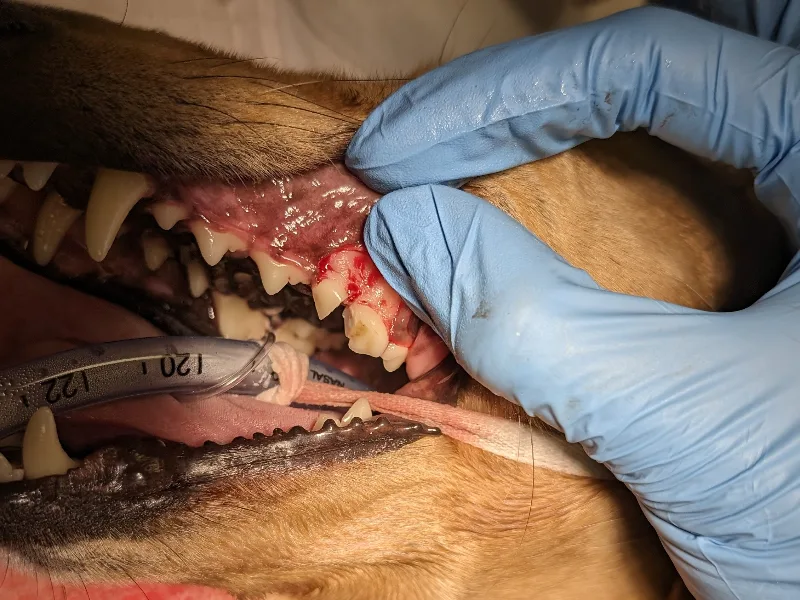
Tooth resorption occurs when specialised cells called odontoclasts break down the tooth’s hard structures, leading to progressive damage. In dogs, tooth resorption tends to start within the tooth root and stay hidden below the gumline. Unlike in cats, where a visible defect might develop in the crown over time, most affected dog teeth look completely normal above the gumline.  Many cases are picked up incidentally during dental X-rays, often when a dog is in for routine care.

Some teeth may eventually fracture as the structure weakens. Others are found missing altogether, without any known injury. In many cases, there are no clear symptoms to suggest anything is wrong.

Tooth gum

What is the cause?

There’s still a lot we don’t know about why tooth resorption develops in dogs. In some cases, it appears to be triggered by inflammation or infection, particularly when there is disease inside the root canal or affecting the tissues around the tooth. These are classified as inflammatory types and are often painful. Other possible contributors, like past trauma, pressure from chewing or mechanical stress, have been suggested but are not well supported by research.

The most common form of tooth resorption seen in dogs is replacement resorption. This is considered non-inflammatory and tends to occur without any obvious underlying cause. In these cases, the root of the tooth is gradually replaced by bone. It often progresses without signs of pain or infection and is usually found during imaging, rather than through symptoms.

Tooth resorption is seen more often in older dogs, as well as certain breeds, including Labradors, Golden Retrievers and Cattle Dogs.

tooth injection

What are the signs, and how is it diagnosed?

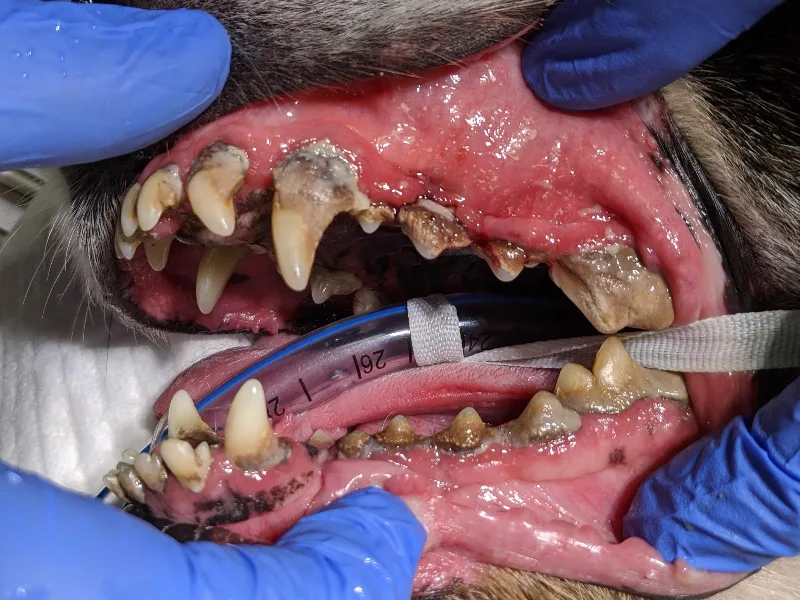
Tooth resorption is often asymptomatic in the early stages. Because most lesions develop below the gumline, they’re rarely visible during a standard oral examination. When signs are present, they may be subtle or mistaken for other issues. These can include:

  • Unexplained missing or broken teeth
  • Red, inflamed or discoloured teeth
  • Discomfort while eating or subtle changes in chewing behaviour


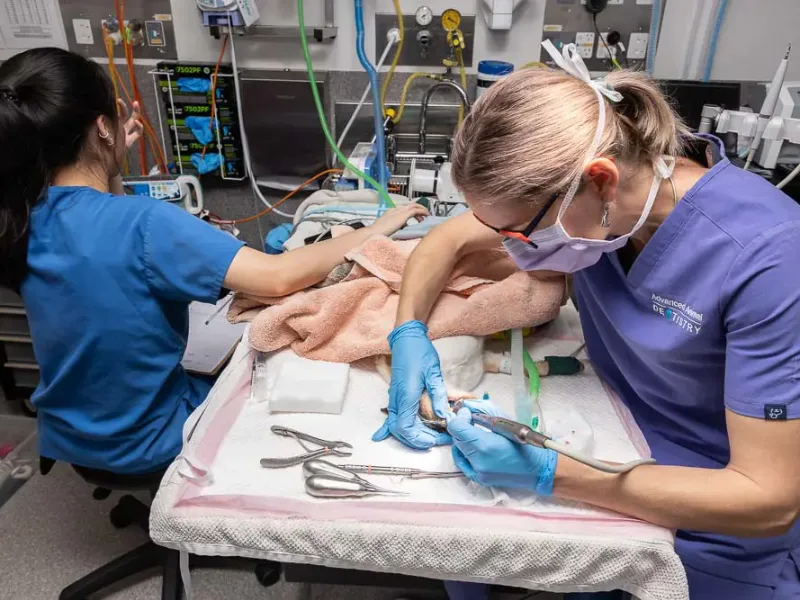
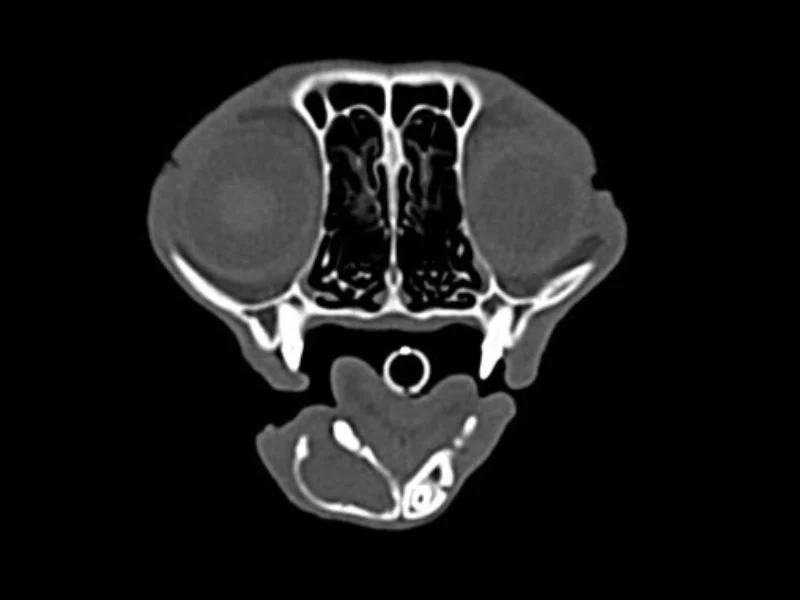
Sometimes, the gum around the affected tooth may appear irritated, or a small draining tract (fistula) may be seen. However, many dogs show no outward signs at all. Most of the time, we discover tooth resorption during dental procedures, when full-mouth X-rays are taken under general anaesthesia. At Advanced Animal Dentistry, dental radiographs are a standard part of every dental treatment.

“There is no cure for tooth resorption, and treatment focuses on managing the affected tooth when damage occurs.”

Gums treatment

Treatment for Tooth Resorption in Dogs

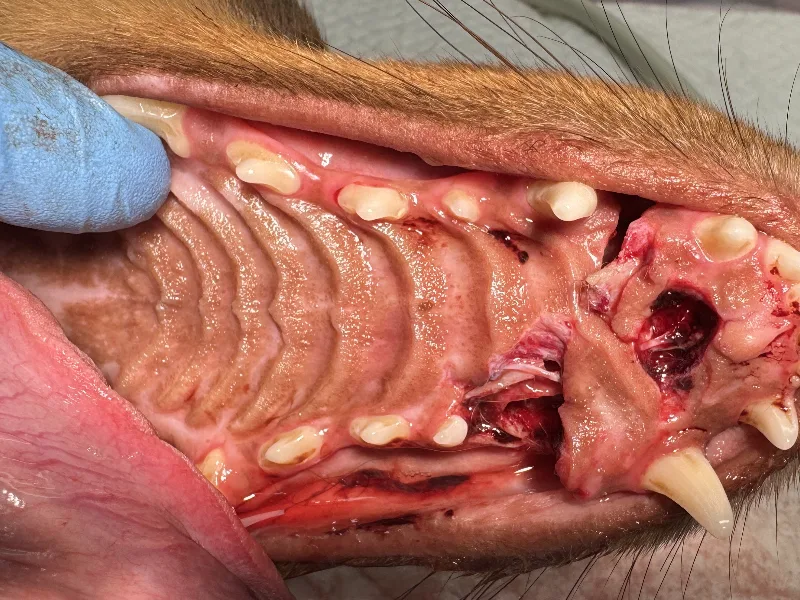
Unfortunately, there is no cure for tooth resorption. The only effective treatment is extraction of the affected tooth. This becomes necessary when the lesion is painful, the crown is compromised or the tooth is at risk of breaking.

Where replacement resorption is present and the tooth structure remains largely intact, it may be appropriate to monitor the area with repeat imaging after six months. However, once the tooth shows signs of significant structural loss or causes discomfort, extraction is recommended.

Occasionally, crown amputation is used, although evidence for its success in dogs is limited. This involves removing the crown while leaving the resorbing root remnants behind, and it is not recommended if there are any signs of infection or inflammation.

The importance of early detection

Tooth resorption in dogs is irreversible. While there’s no cure and no known way to prevent it, detecting the condition before it causes damage gives us the best chance to manage it effectively. Acting early can help avoid pain, infection or tooth fracture.

Many owners are surprised to learn that dogs can develop this condition. It’s often thought of as something that only affects cats. But with dental imaging now a regular part of oral healthcare, we’re seeing it in dogs more often.
Specialist Veterinary Dental Services

A comprehensive range of dental and oral surgery treatments.

Contact Us    refer a patient

Removing complex teeth safely and with minimal impact.

Preserving teeth by cleaning and sterilising infected pulp chambers

Precise management for intricate anaesthetics, enhancing safety

Preserving teeth that have damaged pulp through trauma

Detailed imaging with Dental X-rays and CT scans for accurate diagnosis

Cleaning pockets of plaque and tartar, promoting oral health

Performing expert, precise surgical procedures for oral issues

Restoring function and alignment with expert diagnosis and repair.

Key Takeaways

Hidden Tooth Damage

Tooth resorption in dogs often develops beneath the gumline, making it difficult to detect during a standard exam and allowing damage to progress unnoticed.

Often Found Through Imaging

Most cases are identified during dental X-rays, as affected teeth can appear normal above the gumline despite internal structural breakdown.

Unclear Causes and Progression

The condition may be linked to inflammation or infection, though many cases occur without a clear cause and progress silently over time.

Extraction as Primary Treatment

There is no cure for tooth resorption, and extraction is the main treatment option when the tooth becomes painful, damaged or structurally compromised.

Jessica Ramsay

2 months ago

The care and compassion both Bec and Aaron show towards their patients and clients is above and beyond. I’ve had the pleasure of dealing with the whole AAD team including the wonderful admin team Bryl and Hayley. They make the whole experience from booking the appointment to discharge a pleasant experience and the follow up phone calls the day after procedure shows how much they really care about your pet and any concerns you may have. Would highly recommend these guys for any animal dental treatment.

Steph A

Tessa Orr

So grateful to Dr Aaron for taking the absolute BEST care of our 13 year old boy Chopper! We honestly wouldn’t go anywhere else for his teeth. Dr Aaron is EXTREMELY knowledgeable, so kind and caring! I am quite the worrier as my boy is my baby and his little teeth are super worn from years of chewing/playing with tennis balls. Dr Aaron really gave us the time to listen to all of our concerns and go over everything so thoroughly. My partner and I came into the consult anxious and stressed and left feeling completely at ease knowing Chopper was in the absolute best hands! We are forever grateful for the high quality care and compassion Dr Aaron provided…..

Tessa Orr

A month ago

cont… Also a massive thank you to Bryliiana for dealing with us over the phone these past few years, answering my many questions and never making me feel rushed or of an annoyance. There were quite the few worried phone calls. I HIGHLY recommend Advanced Animal Dentistry to anyone and everyone! It really is such a professional and quality practice! Thank you so much Dr Aaron and Bryliiana for the amazing work you guys do! Thank you for taking such great care of our boy!

dazz boyd

A month ago

Dr Aaron and Brylliana give our boy Chopper exceptional care every visit.

They both give us a lot of extra time and relive all our concerns over the phone and in person and never make us feel like we are a bother. They go out of their way to put us at ease with any questions we have and always make us feel like they have the time to reassure us in every way possible.

I would recommend them to anyone considering using them, 11 out of 10.

Thank you both of you for your amazing care!

Ka Lei Lau

A month ago

Dr Aaron cared for our GSD who had fractured her teeth. The team were able to fit us in within a day for surgery and Dr Aaron’s calm bedside manner was (amazingly) able to calm our very anxious, highly strung dog who typically hates a vet surgery environment. Excellent follow up care and communication, it’s clear the team genuinely cares for animals. Surgery was very professionally done and the price was fair and reasonable for specialised expertise. We are very pleased, thank you for such compassionate care for our pup. If only Dr Aaron could be our regular vet!

Amber Owen

A month ago

Dr Bec is amazing! I really feel like my dog is safe with her and I am a very protective and nervous dog mum. My dog also had a really nice recovery and was very comfortable after his tooth removal (due to a nasty abscess). I would definitely recommend Dr Bec and the team to anyone who wants high end care for their pets.

Gregory Cuff

A month ago

Staff were absolutely wonderful, the help and advice we received was fantastic

Zoe Hyde

A month ago

Bec has done surgery on both my beloved cat and dog and she is such a kind, thorough and talented Dentist! The communication is superb, level of care, and pain relief is brilliant. I completely trust my animals in her hands and am very grateful for her and all of the team’s care 🙂

Whitney Hansen

A month ago

Advanced Animal Dentistry took amazing care of my girl, Polly, and made sure she got lots of cuddles. Will definitely be going back.

Matt & Rochelle Lloyd

A month ago

Absolutely amazing the price for surgery is reasonable.
I drive all the way from Glasshouse Mountains just to there..

FAQs

What is tooth resorption in dogs and how does it affect the tooth?

Tooth resorption is a condition where the hard structure of a tooth is gradually broken down by specialised cells. In dogs, this process usually begins within the root and remains hidden below the gumline. As a result, affected teeth can appear normal even when significant damage is present.

What causes tooth resorption in dogs?

The exact cause is not fully understood and can vary between cases. Some forms are linked to inflammation or infection within the tooth or surrounding tissues, while others occur without a clear trigger. Replacement resorption, the most common type in dogs, often develops without obvious signs of disease.

What signs might indicate tooth resorption in a dog?

Many dogs show no clear signs, especially in the early stages. When symptoms do occur, they may include missing or fractured teeth, changes in chewing behaviour or subtle discomfort when eating. In some cases, redness or irritation around the gums may also be noticed.

How is tooth resorption diagnosed in dogs?

Because most lesions develop below the gumline, they are not usually visible during a routine oral examination. Diagnosis typically relies on dental X-rays taken under general anaesthesia. These images allow the internal structure of the tooth to be assessed and the condition to be identified accurately.

What treatment options are available for tooth resorption in dogs?

There is no cure for tooth resorption, so treatment focuses on managing affected teeth. Extraction is recommended when the tooth is painful, weakened or at risk of fracture. In some cases where the tooth remains stable, monitoring with repeat imaging may be appropriate before deciding on intervention.