
Persistent Deciduous Teeth

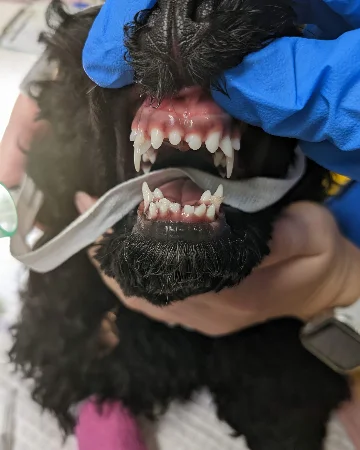
When a dog’s baby teeth fail to fall out, it can cause improper alignment of adult teeth, increasing the risk of malocclusion and gum disease. One of the most common dental procedures in young pets is the removal of persistent deciduous canine teeth. While all pets have “baby” teeth, only some require removal.
What are they?

Like humans, dogs and cats develop two sets of teeth in their lives. Permanent “adult” teeth eventually replace the first set, known as deciduous or “baby” teeth.

Deciduous teeth are smaller versions of the adult teeth that follow, but there are fewer of them due to the limited space in a young animal’s mouth. Premolars have deciduous precursors (except premolar 1), while molars do not.

As sharp and cute as they may be, deciduous teeth aren’t functional for an animal’s entire life and are replaced by permanent dentition. Adult teeth start as tooth buds beneath the deciduous teeth, and as they erupt, they trigger resorption of the deciduous roots. Once this process is complete, the remaining portion of the deciduous tooth typically falls out on its own… in most cases.

“Persistent baby teeth can crowd or misalign adult teeth—creating pockets for debris and raising the risk of gum disease and misaligned bites.”

What problems occur?

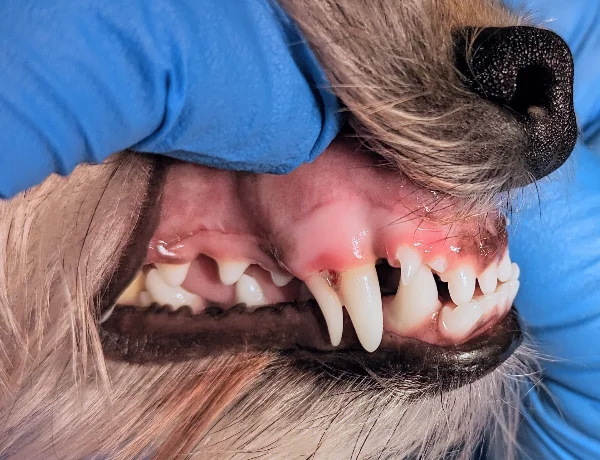
Some deciduous teeth don’t undergo the proper root resorption needed for shedding, leading to the presence of both the deciduous and permanent versions of the tooth. This is problematic for the young animal because the deciduous tooth occupies the correct position, while the adult tooth has erupted in an incorrect one, often affecting the canine teeth.

The issues are twofold:

  • The two teeth are tightly jammed together, creating a breeding ground for debris and increasing the risk of periodontal disease, potentially leading to the loss of both teeth.
  • The permanent tooth is misaligned, causing malocclusion problems.

Both can be addressed by extracting the deciduous tooth, allowing the permanent tooth to take its place.

Deciduous teeth can also be fractured, leading to the same issues as a fractured permanent tooth. However, a complicating factor is that a dead, infected deciduous tooth has a developing permanent tooth at its base, right where the infection is being discharged. Fractured deciduous teeth must be extracted.

“Removing the entire retained baby tooth allows the adult tooth to settle into its proper position, supporting a healthy, pain-free mouth.”
Treatment

For best results, extract the persistent deciduous tooth as soon as it’s clear that it won’t shed naturally and the adult tooth is visible.

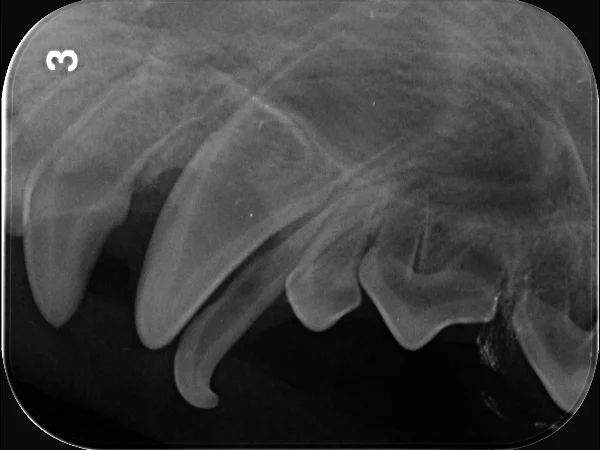
Extraction is not always straightforward. It’s crucial to remove the entire tooth, especially the root, as it causes the problem, not the visible crown. The adult tooth has erupted beside the deciduous root, leading to misalignment.

Removing the entire deciduous tooth can allow the adult tooth to shift into the correct position as it erupts. If done correctly and the adult tooth is still erupting, it will likely migrate into the space left by the extracted deciduous tooth, aligning properly.

If your pet has not lost their “baby” teeth and the adult teeth are present, they should have the persistent deciduous teeth removed. This will ensure you give your pet the best possible chance at having a healthy pain free mouth.

Meet the Author

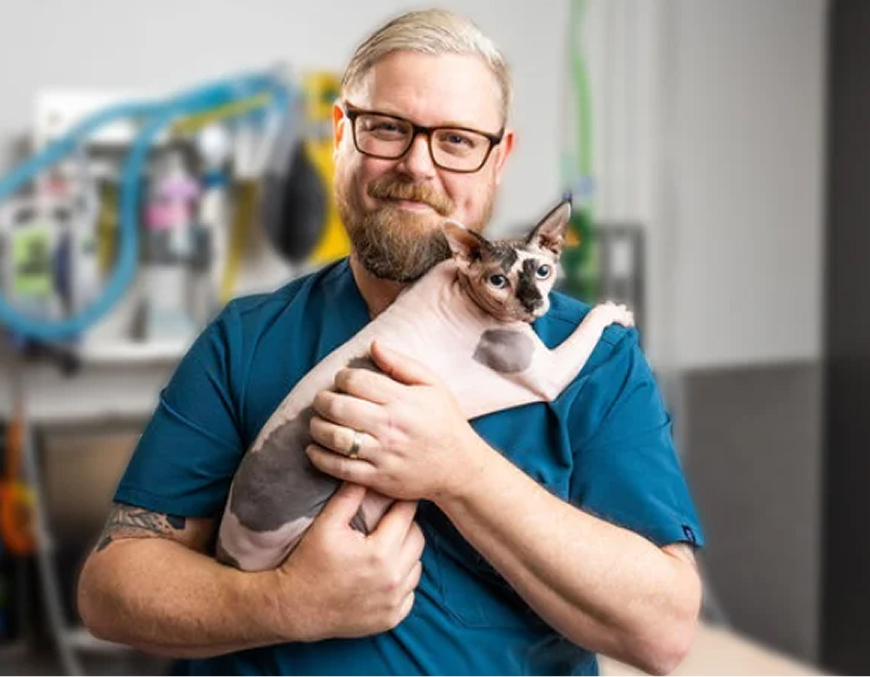
Aaron Forsayeth

BVSc (Hons) MACVSc (Veterinary Dentistry)

Hi, I’m Dr Aaron Forsayeth, and I’ve had quite the journey in veterinary medicine. Originally, I never imagined myself pursuing dentistry.
I spent my initial years in general practice until a chance meeting with Dr Gary Wilson changed my career path. He inspired me to explore veterinary dentistry, and together, we co-founded Advanced Animal Dentistry in 2006. It’s ironic, considering I used to dread dental procedures, but with the right knowledge and skills, it became a passion that I absolutely love to this day.

FAQs

Why are deciduous (baby) teeth sometimes called "persistent"?

When a puppy’s or kitten’s baby tooth doesn’t fall out on its own, it remains alongside the adult tooth—the deciduous tooth becomes “persistent.” This can lead to crowding, gum disease, and misalignment if not addressed. Learn more in our article on Persistent Deciduous Teeth.

What problems can arise when baby teeth aren’t extracted early?

Persistent baby teeth can trap food and bacteria, increasing the risk of periodontal disease. They also block the correct eruption of adult teeth, contributing to jaw misalignment. Early extraction helps avoid these issues.

When should persistent deciduous teeth be removed?

As soon as your pet’s adult teeth begin to erupt, a retained baby tooth should be removed, especially in small pets or before six months of age. This allows room for proper alignment. Learn more in our guide to Deciduous Canine Extractions.

Is tooth extraction a major procedure for my puppy or kitten?

Extracting a retained deciduous tooth is a common and safe procedure. Removal of the entire tooth, including its root, allows space for the adult tooth to settle into the correct position, supporting healthy growth.

What happens if the adult tooth doesn’t align correctly after removal?

If misalignment persists, additional treatment may be needed. In some cases, options like linguoverted canine corrections or orthodontic techniques can guide the adult teeth into a healthier position.

How should pet owners in Brisbane and the Gold Coast monitor their pet’s emerging teeth?

Check your puppy or kitten’s mouth weekly through the first 6 months of life. If you see both baby and adult teeth in the same spot—or signs of crowding—schedule an exam promptly to plan timely care. Our pet dental cleaning page explains how professional care supports lifelong oral health.

Key Takeaways

Retained Baby Teeth Are Common

Puppies and kittens, especially small breeds, often experience baby teeth that don’t fall out when adult teeth erupt.

Early Extraction Prevents Problems

Removing persistent deciduous teeth reduces overcrowding, protects gum health and prevents painful misalignment.

Watch Your Pet’s Mouth During Growth

Regular checks between three and eight months of age help catch retained teeth early, when treatment is simplest.

Healthy Adult Teeth Depend on Action

Timely removal allows adult teeth to settle into the correct position, supporting a strong, comfortable bite for life.

Next steps

For Pet Owners

Are you concerned about your pet’s dental health? Call 1300 866 848 or fill out the contact form. We’ll coordinate with your primary vet to ensure the best outcome.

For Vets & Nurses

We’re here to help. If you’d like to refer a patient, please call us at 1300 866 848 , complete the referral form or email us with a brief case summary, relevant radiographs and lab results.

For advice and treatment guidance, email us with a brief case summary, relevant radiographs and lab results.


Refer a Patient Contact Us

Advanced Veterinary Dental Services

A comprehensive range of dental and oral surgery treatments.

Contact Us    Refer A Patient
Complex Anaesthesia

We assess each patient individually, considering their health history, age and any concurrent medical conditions, to tailor the anaesthetic approach to their specific needs.

Surgical Extractions

Removing complex teeth safely and with minimal impact.

Vital Pulpotomy

A vital pulpotomy is a time-sensitive procedure used to preserve the life of a tooth when the pulp becomes exposed due to trauma or dental treatment.

Jaw Fractures

Jaw fractures in pets require precise treatment to restore both structure and function, with a strong focus on proper bite alignment.

Periodontal Treatment

Periodontal treatment goes beyond routine dental care to address the deeper damage caused by advanced gum disease.

Oral Surgery

Pet oral surgery can help treat dental problems, injuries, and other conditions affecting your pet’s mouth. Learn about the available procedures and how they can improve your pet’s comfort and oral health.

Dental and Oral Imaging

Dental and oral imaging helps veterinarians identify dental problems that may not be visible during a routine examination. Learn how these imaging techniques support accurate diagnosis and effective treatment for your pet.

Root Canal Therapy

Root canal therapy can help save a damaged or infected tooth while relieving pain in pets. Learn how this dental procedure works and how it can help preserve your pet’s natural teeth and oral health.

Gingivoplasty

This procedure involves reshaping gum tissue to guide the eruption of canine teeth into a correct position, preventing traumatic occlusion and avoiding more invasive treatments.

Crown Height Reduction

Reducing the height of misaligned canine teeth and protecting the exposed pulp with a filling helps prevent chronic pain, preserve jaw structure and avoid extraction.

Inclined Plane – Crown Extensions

Orthodontic appliances like inclined planes or crown extensions can reposition misaligned canine teeth, preventing trauma and preserving tooth function without altering their shape.

Dog Braces (Orthodontics)

To address mesioverted  (‘lanced’ maxillary canine teeth) and manage linguoversion when the maxillary diastema (the space between the third incisor and canine teeth) is too narrow.

Restorations

Restorative dentistry repairs damaged teeth in pets, often using crowns, veneers and fillings. These procedures restore dental structure and function, ensuring long-term oral health.

Professional Dental Cleaning

Thorough cleaning and examination under anesthesia remove plaque and calculus, preventing periodontal disease and ensuring long-term oral health in pets.

Mandibulectomies and Maxillectomies

These surgeries involve partial or complete removal of the jaw to treat malignant oral tumours. Treatment options vary and may include surgery, chemotherapy or radiation.

Crown Amputation for Tooth Resorption

This procedure, often used for tooth resorption, involves removing the tooth crown while leaving the resorbing root remnant intact. It’s less invasive and used in cases where traditional extraction is no longer possible. Regular follow-up is recommended.












