
Canine Chronic Ulcerative Stomatitis

This chronic and painful oral disease is characterised by severe, debilitating and protracted oral inflammation and ulceration in dogs. CCUS is one of the most frequently misdiagnosed oral conditions we see. Unfortunately, many patients are managed for an extended period of time as if they have periodontal disease.

CCUS is an immune-mediated condition where the immune system in affected dogs overreacts to bacteria in plaque. Even minimal plaque formation can trigger an exaggerated local inflammatory response, leading to heightened symptoms.
Understanding CCUS

While the exact cause of CCUS is unknown, dogs with the condition often experience moderate to severe oral pain, reduced appetite or a preference for softer foods. They may resist handling, especially around the mouth, paw at their face, drool excessively, have trouble swallowing and exhibit irritability or weight loss. Severe halitosis is also common.

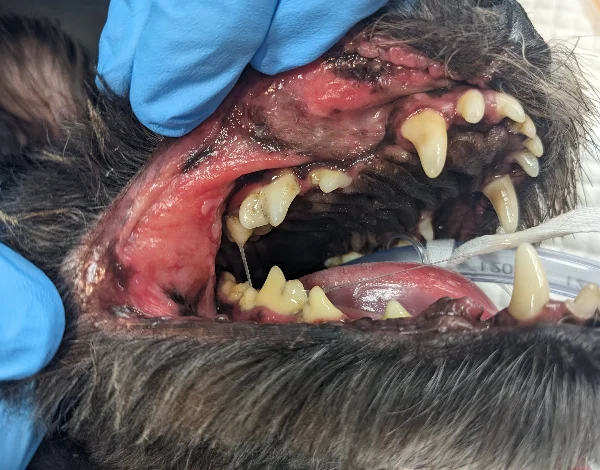
CCUS is distinguished from gingivitis and periodontitis by inflammation affecting not only the gums and periodontal tissues but also the buccal mucosa, paradental tissues and other areas. Affected tissues are friable and bleed easily, with visible grey/white plaques and smelly, soft plaque on the teeth.

CCUS tends to be more common in certain breeds like Maltese Terriers, Cavalier King Charles Spaniels, Greyhounds and Cocker Spaniels, though any breed can be affected.

“For many dogs, CCUS turns everyday eating into a painful challenge — early treatment can restore comfort and quality of life.”

Treatment

Strict plaque control is essential, involving regular professional dental treatment, including periodontal therapy and the extraction of diseased teeth, alongside diligent home care. Home care should include daily brushing with or without an antibacterial oral rinse.

Alternatively, extracting all teeth or those in contact with ulcerated mucosal surfaces can be considered, as full-mouth extractions usually resolve mucosal ulceration. If teeth remain, meticulous home care and ongoing professional intervention are crucial.

Medications are usually reserved for non-responders or acute flare-ups before or alongside dental intervention. Doxycycline may be recommended short-term following or during a dental procedure. Pain management typically includes NSAIDs (if appropriate), paracetamol and possibly opiates.

“Managing CCUS starts with recognising the signs; persistent mouth pain is never just ‘normal’ for a dog.”

Treatment

Oral ulceration may resolve several weeks after dental treatment or extractions. To ensure inflammation has subsided, a recheck is typically recommended two weeks after the procedure and again eight weeks later (in cases of extractions). If not already done, a biopsy may also be performed to rule out other causes of oral ulceration, including other immune-mediated conditions and epitheliotropic lymphoma.

Supportive care is crucial for patients with CCUS, as many experience moderate to severe oral pain. Providing adequate pain control, nutritional support, assistance with grooming, and specific antibiotic therapy can help manage patients pre-and post-operatively, especially for those undergoing extractions.

Fortunately, unlike a similar condition in cats, treatment in dogs with selective to full-mouth extractions is almost always successful in relieving inflammation and clinical signs.

Prevention

Until the cause of CCUS is clearly understood, no prevention is possible. Research is ongoing into potential causes and alternative management options.

Meet the Author

Bec Tucker

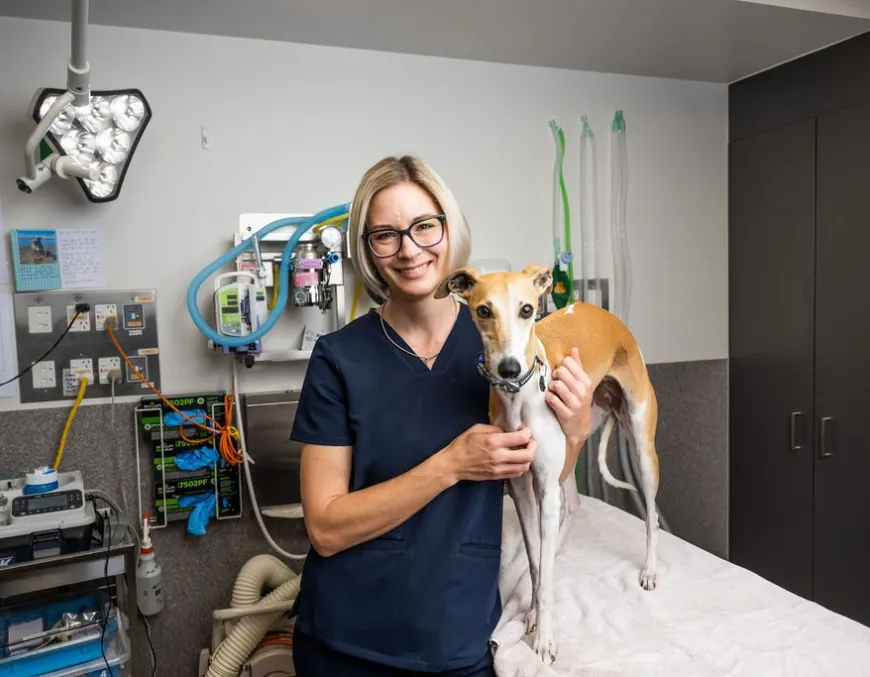
Specialist Veterinary Dentist – BVSc (Hons) MANZCVS (Small Animal Dentistry and Oral Surgery)

Diplomate, American Veterinary Dental College™

Hi, I’m Dr Bec Tucker, and my journey into veterinary dentistry has been unexpected yet incredibly fulfilling. In fact, dentistry wasn’t on my radar at all when I graduated with a BVSc (Hons) from the University of Sydney in 2007. I was fortunate to meet veterinarians who had found their passion for dentistry, and their encouragement and enthusiasm shifted my perspective. Through continuing education lectures and workshops, I went from not fancying dentistry and oral surgery to genuinely loving it.

FAQs

What is CCUS and how is it different from regular gum disease?

CCUS is a severe, immune-mediated oral disease in dogs characterised by extensive ulceration of the oral mucosa rather than just the gums.

What signs should I watch for that indicate my dog might have this condition?

Key signs include persistent bad breath, drooling, reluctance to eat hard food, pawing at the mouth or face, and visible ulcers on the cheeks or tongue.

What causes CCUS and which dogs are most at risk?

The exact cause is unknown, but it’s thought to be an abnormal immune response to dental plaque. Certain breeds like the Maltese, Cavalier King Charles Spaniel and Greyhounds appear more frequently affected.

How is CCUS diagnosed and what treatments are available?

Diagnosis typically includes oral examination under anaesthesia, biopsies, dental X-rays and ruling out other diseases. Treatment often requires strict plaque control, extraction of affected teeth, and, in some cases, medication.

Can CCUS be cured or prevented?

As a definitive cause hasn’t been identified, a true prevention is not possible. However, many dogs respond very well to full-mouth extractions and diligent home dental care, significantly improving quality of life.

Key Takeaways

CCUS Is a Severe Immune-Mediated Oral Disease

This condition results in painful ulceration inside the mouth and requires timely veterinary attention for proper diagnosis and relief.

Dental Plaque Plays a Major Role in Triggering Symptoms

Although the exact cause is unknown, CCUS is strongly linked to an abnormal immune response to bacterial plaque on the teeth.

Treatment Often Involves Extensive Dental Intervention

Strict plaque control, targeted medications and, in many cases, extraction of diseased teeth are needed to manage the condition effectively.

Early Detection Greatly Improves Quality of Life

Recognising signs such as drooling, oral pain, bad breath and reluctance to eat helps ensure dogs receive treatment before the disease progresses.

Next steps

For Pet Owners

Are you concerned about your pet’s dental health? Call 1300 866 848 or fill out the contact form. We’ll coordinate with your primary vet to ensure the best outcome.

For Vets & Nurses

We’re here to help. If you’d like to refer a patient, please call us at 1300 866 848 , complete the referral form or email us with a brief case summary, relevant radiographs and lab results.

For advice and treatment guidance, email us with a brief case summary, relevant radiographs and lab results.


Refer a Patient Contact Us

Advanced Veterinary Dental Services

A comprehensive range of dental and oral surgery treatments.

Contact Us    Refer A Patient
Complex Anaesthesia

We assess each patient individually, considering their health history, age and any concurrent medical conditions, to tailor the anaesthetic approach to their specific needs.

Surgical Extractions

Removing complex teeth safely and with minimal impact.

Vital Pulpotomy

A vital pulpotomy is a time-sensitive procedure used to preserve the life of a tooth when the pulp becomes exposed due to trauma or dental treatment.

Jaw Fractures

Jaw fractures in pets require precise treatment to restore both structure and function, with a strong focus on proper bite alignment.

Periodontal Treatment

Periodontal treatment goes beyond routine dental care to address the deeper damage caused by advanced gum disease.

Oral Surgery

Pet oral surgery can help treat dental problems, injuries, and other conditions affecting your pet’s mouth. Learn about the available procedures and how they can improve your pet’s comfort and oral health.

Dental and Oral Imaging

Dental and oral imaging helps veterinarians identify dental problems that may not be visible during a routine examination. Learn how these imaging techniques support accurate diagnosis and effective treatment for your pet.

Root Canal Therapy

Root canal therapy can help save a damaged or infected tooth while relieving pain in pets. Learn how this dental procedure works and how it can help preserve your pet’s natural teeth and oral health.

Gingivoplasty

This procedure involves reshaping gum tissue to guide the eruption of canine teeth into a correct position, preventing traumatic occlusion and avoiding more invasive treatments.

Crown Height Reduction

Reducing the height of misaligned canine teeth and protecting the exposed pulp with a filling helps prevent chronic pain, preserve jaw structure and avoid extraction.

Inclined Plane – Crown Extensions

Orthodontic appliances like inclined planes or crown extensions can reposition misaligned canine teeth, preventing trauma and preserving tooth function without altering their shape.

Dog Braces (Orthodontics)

To address mesioverted  (‘lanced’ maxillary canine teeth) and manage linguoversion when the maxillary diastema (the space between the third incisor and canine teeth) is too narrow.

Restorations

Restorative dentistry repairs damaged teeth in pets, often using crowns, veneers and fillings. These procedures restore dental structure and function, ensuring long-term oral health.

Professional Dental Cleaning

Thorough cleaning and examination under anesthesia remove plaque and calculus, preventing periodontal disease and ensuring long-term oral health in pets.

Mandibulectomies and Maxillectomies

These surgeries involve partial or complete removal of the jaw to treat malignant oral tumours. Treatment options vary and may include surgery, chemotherapy or radiation.

Crown Amputation for Tooth Resorption

This procedure, often used for tooth resorption, involves removing the tooth crown while leaving the resorbing root remnant intact. It’s less invasive and used in cases where traditional extraction is no longer possible. Regular follow-up is recommended.











