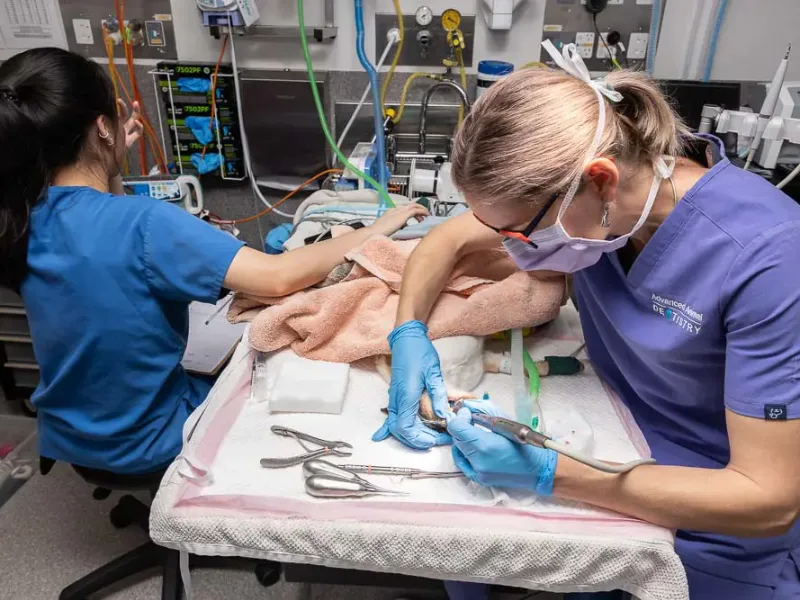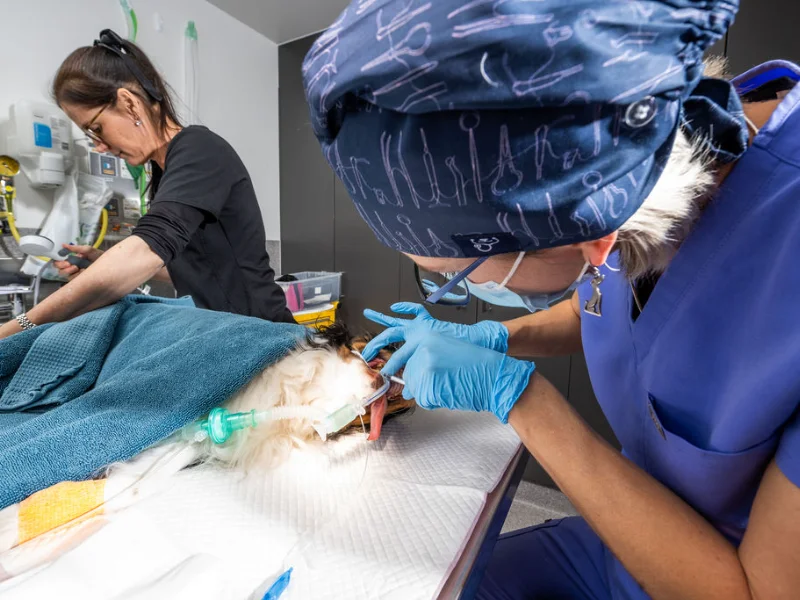

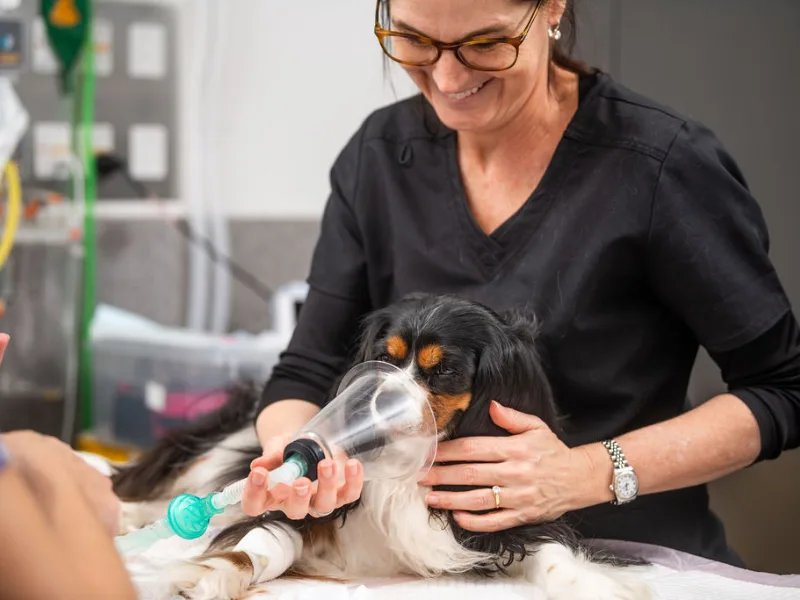
We assess each patient individually, considering their health history, age and any concurrent medical conditions, to tailor the anaesthetic approach to their specific needs.
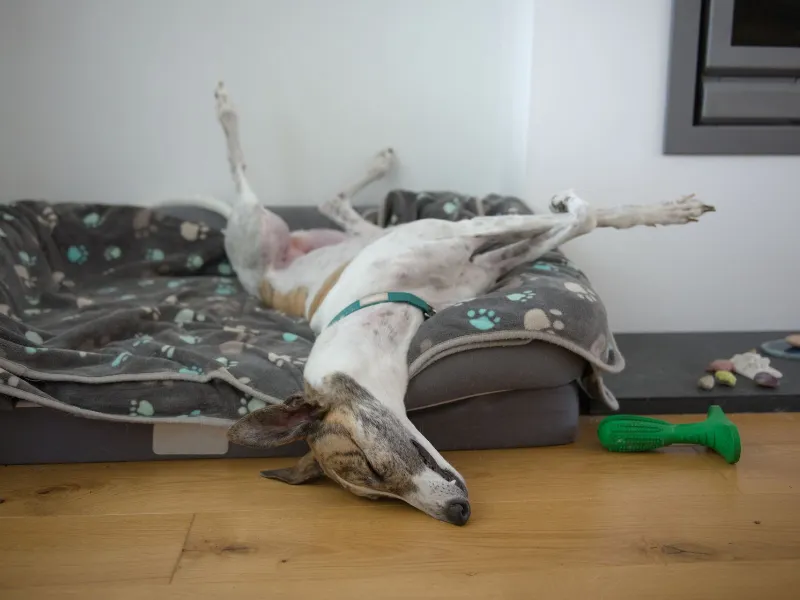
Greyhounds have a dental profile unlike any other breed, shaped by anatomical predisposition, progressive disease and limited dental care early in life. It’s easy to assume certain signs are just part of a dog’s norm, but that’s not necessarily the case.
If you have a greyhound or you are thinking about welcoming one to your family, you should know their specific dental risks and why early assessment matters.
At Advanced Animal Dentistry, we offer specialist dental services to preserve the smiles of pets in Brisbane and surrounds, and support their overall oral health. While all dogs and cats can develop dental conditions, some breeds are more prone to certain issues than others.
In this article, we take a closer look at greyhounds and the particular concerns owners should be aware of.
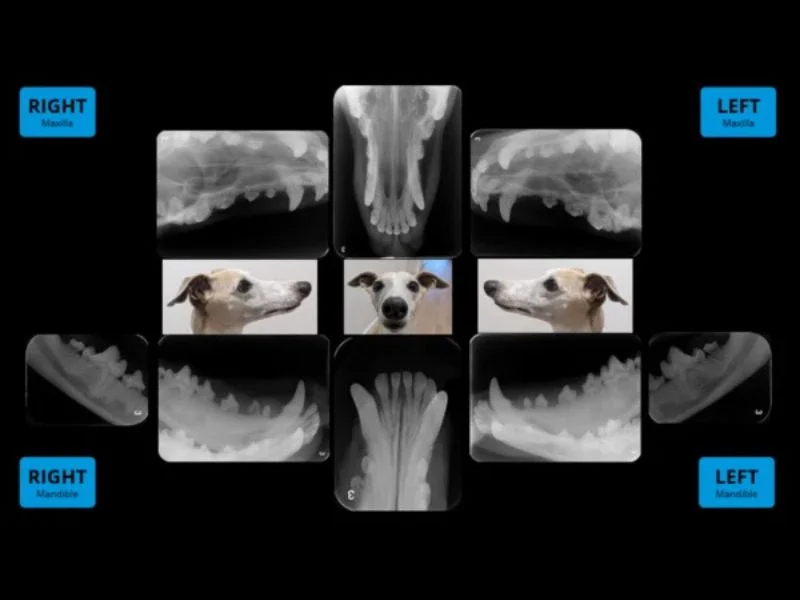
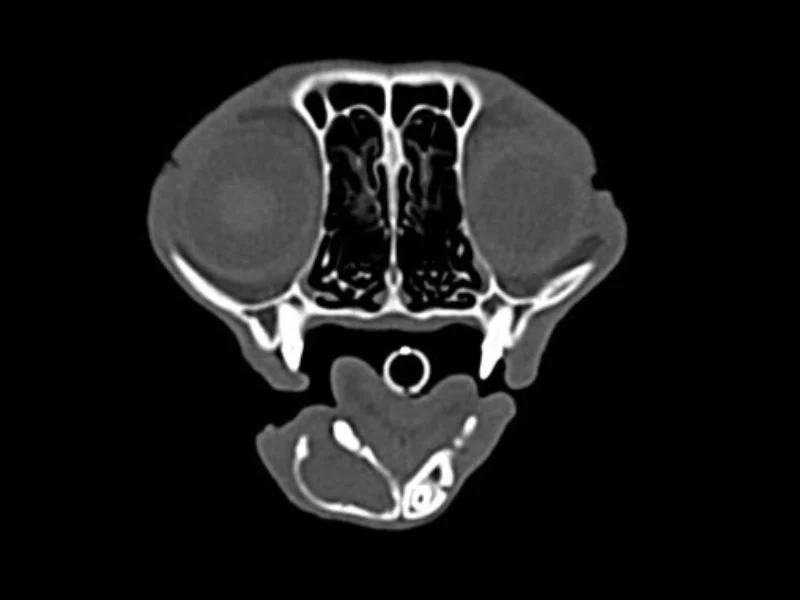
“Greyhounds often develop dental disease silently — dental imaging helps uncover problems before they become painful and advanced.”
Greyhound anatomy and its role in dental disease
To understand how anatomy influences dental disease in greyhounds, we spoke with Dr Bec Tucker. She explained that greyhounds have very fine bone around their teeth, which affects how quickly periodontal disease can progress. “Because there’s less bone mass to begin with, a smaller amount of bone loss will have a more significant effect on a greyhound than, say, for a Labrador,” she says. As a result, problems like tooth mobility, furcation exposure or even tooth loss tend to appear earlier and escalate more rapidly.
Greyhounds belong to the dolichocephalic, or long-skulled, group of breeds. Their extended muzzles and fine facial features mean the teeth are more exposed and have less surrounding bone for support. This makes them more prone to gingival recession and deep periodontal pockets, as they don’t have the structural buffering seen in breeds with shorter, broader skulls.
While other breeds share some of these structural traits, greyhounds are overrepresented in more severe dental disease cases. There’s no published research confirming why, but experience suggests a few likely reasons. Many greyhounds don’t receive regular dental care in their early years. If a dog appears healthy and runs well, oral health can easily be overlooked. As a result, many arrive in home environments with disease that has been developing quietly for years.
Additional dental concerns for greyhounds
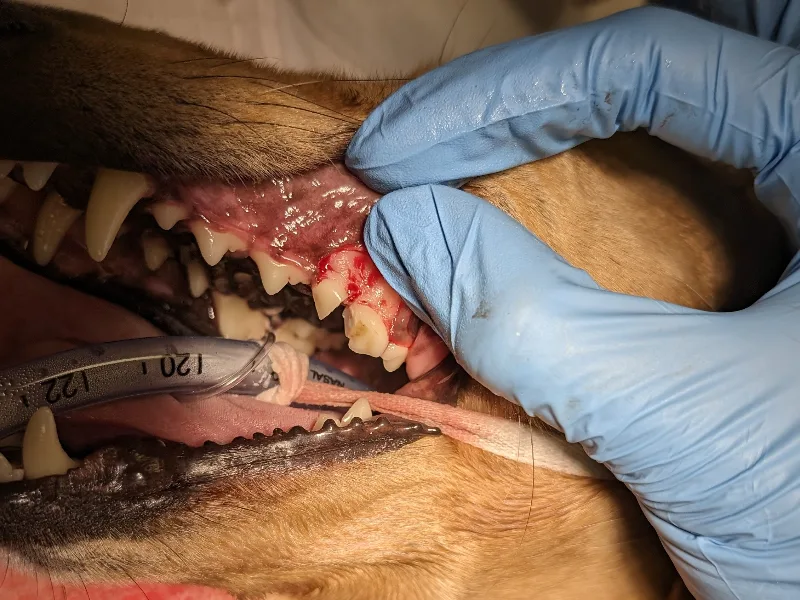
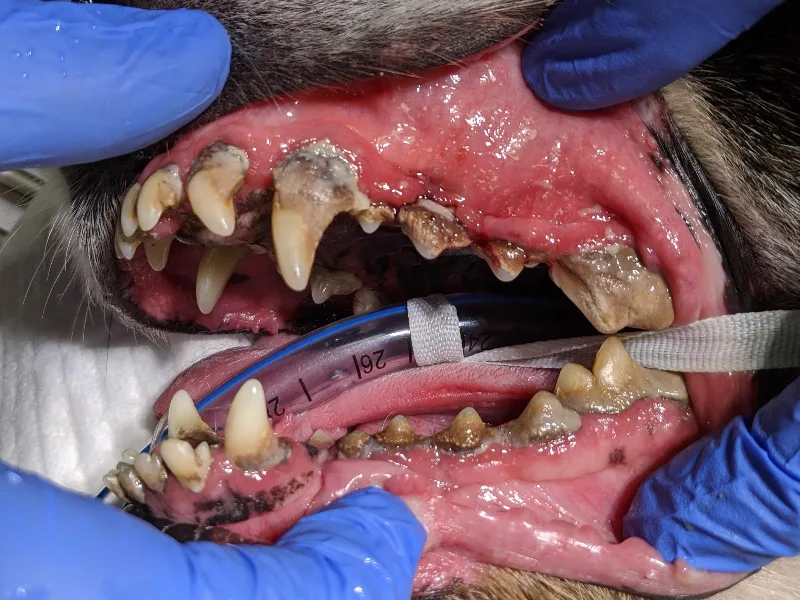
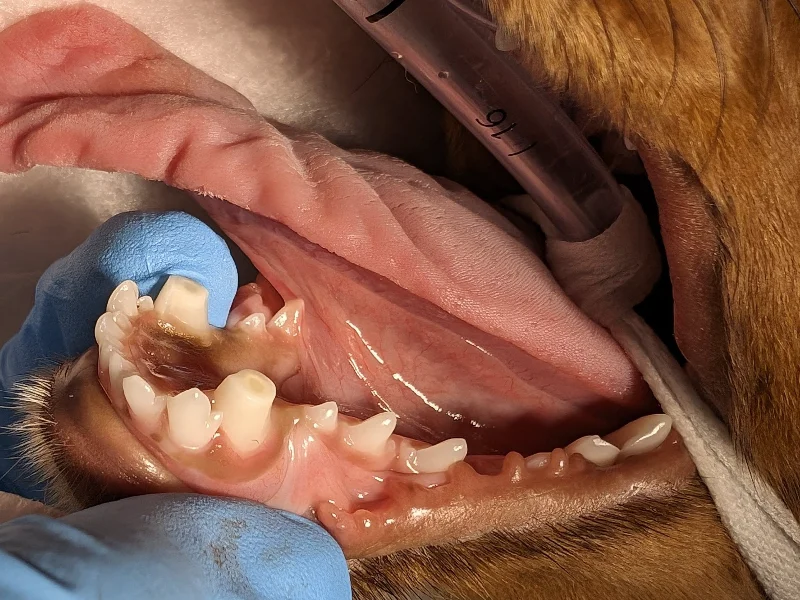
Typically, when greyhounds first present for assessment, there is some degree of periodontal disease. Gingivitis, gum recession and furcation exposure are also common, and in many cases, they’re well established—sometimes to the point that owners are surprised by the severity. Dr Bec also notes that halitosis, or bad breath, is a frequent early indicator, but it’s often overlooked or dismissed as normal.
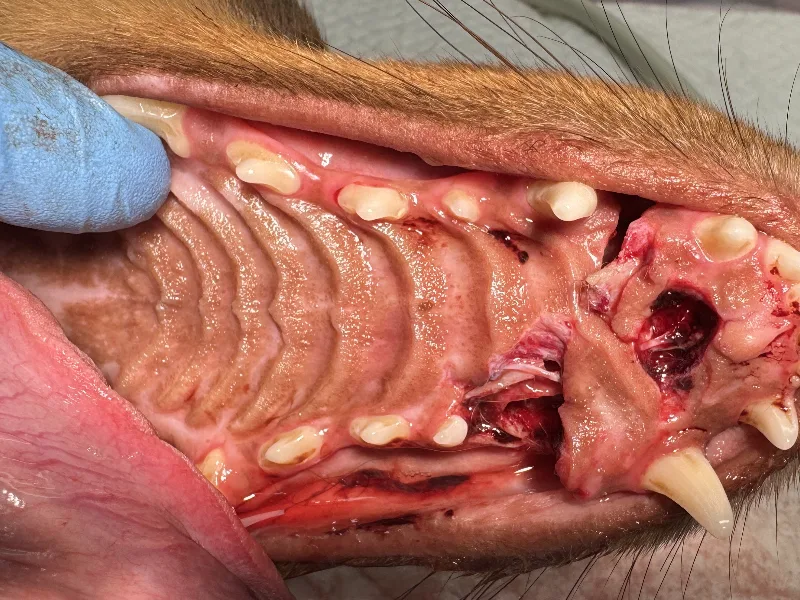
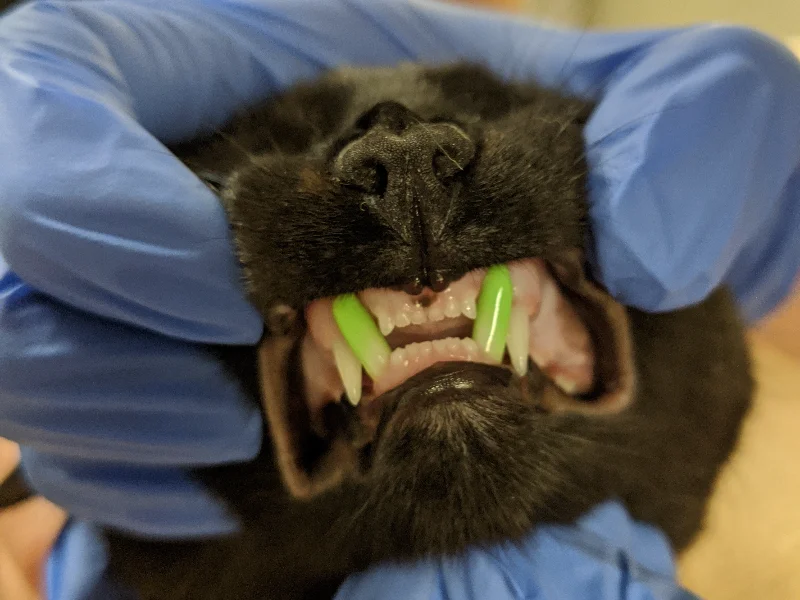
Structural issues like malocclusions, including overbites, are also common, particularly in greyhounds rehomed after racing careers. These conditions are usually long-standing and often go untreated simply because they haven’t been identified. Oronasal fistulas can be missed too. Sadly, it’s not unusual for dogs adopted as “healthy” to later be diagnosed with problems that require surgical intervention.
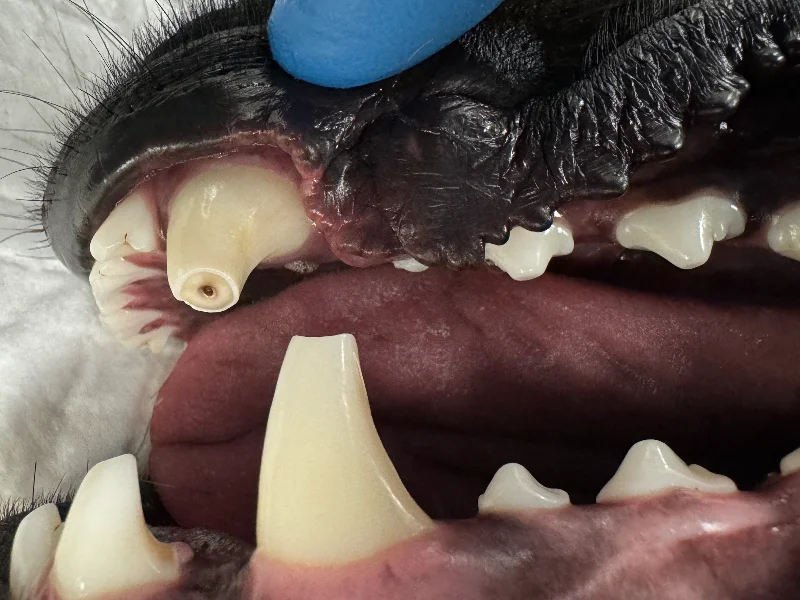
Some behaviours can damage teeth. One we see often is “cage biter wear,” where greyhounds grab and drag their teeth along wire enclosures. It wears down the back of the canine teeth and can lead to fractures over time.
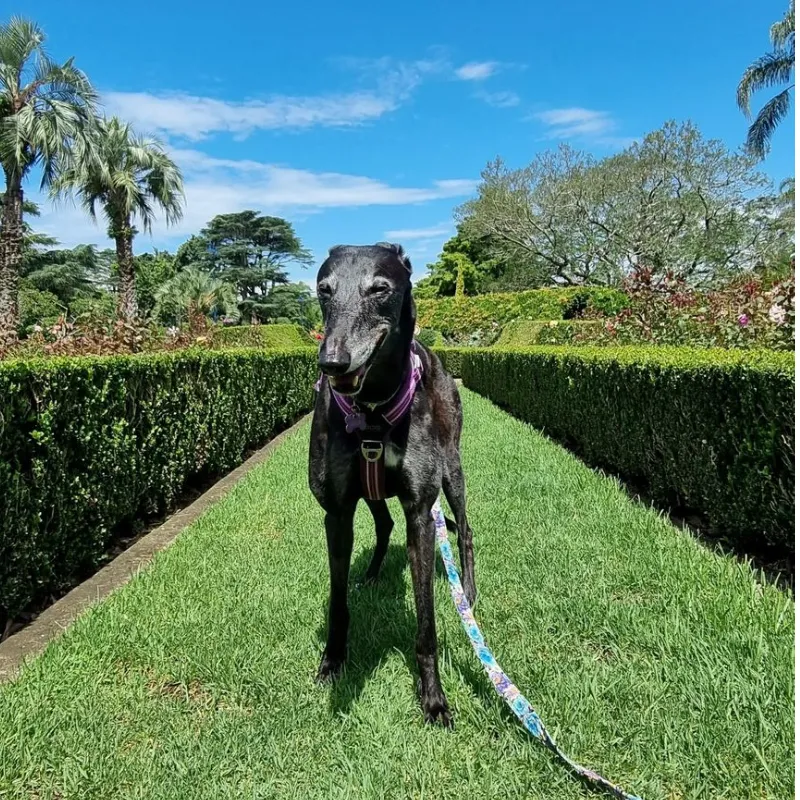
How to best manage dental health for greyhounds
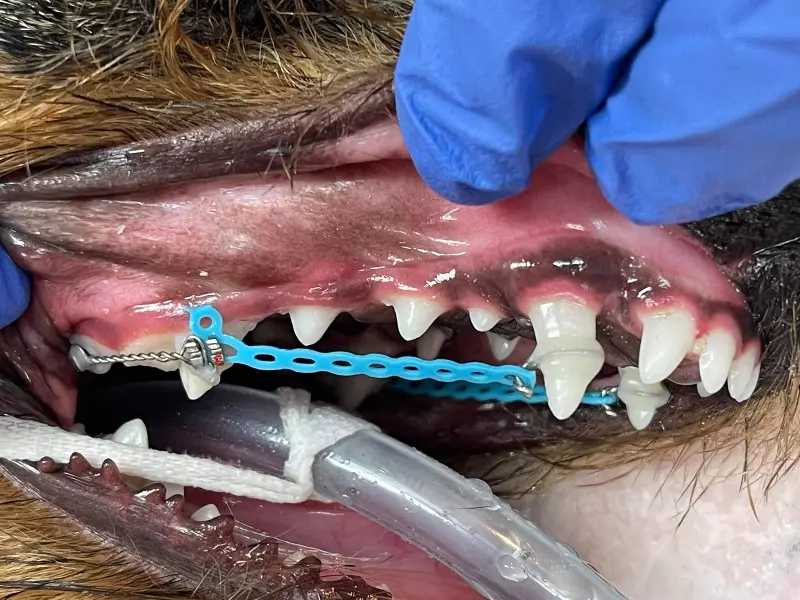
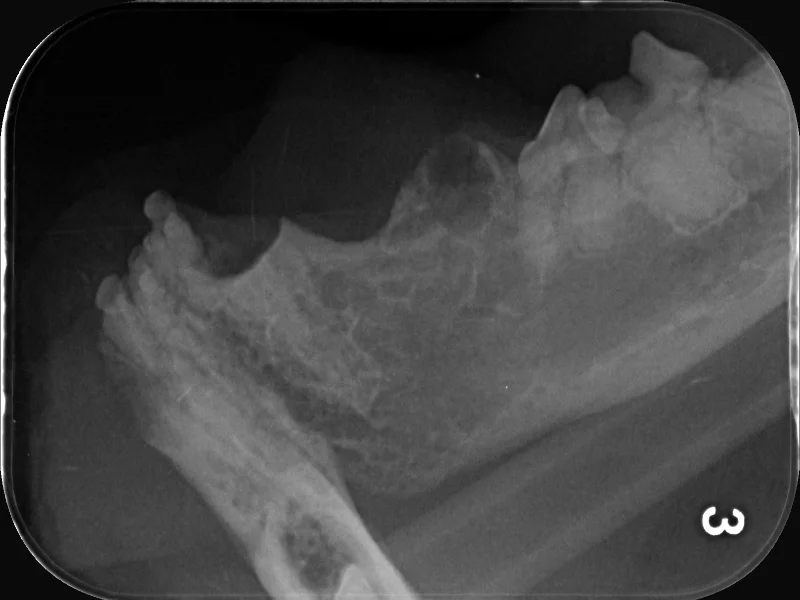
We recommend a thorough veterinary dental assessment of greyhounds early in the rehoming process, regardless of whether any prior dental work has been carried out. A proper evaluation includes a full scale and polish, along with radiographs to see what’s happening below the gumline.
Like all dogs and cats, greyhounds benefit from regular tooth brushing as part of their long-term dental care. Once a full assessment has been done and any pain or underlying issues have been treated, home care can begin. The good news is, greyhounds are usually quite tolerant of it.
Once a greyhound’s dental health is under control, they’ll still need regular checkups and professional cleaning to keep things on track. As Dr Bec explains, “The sooner a greyhound is assessed and you start management, the better off it’s going to be in the long term.”
Veterinary considerations for greyhound needs
Dental procedures require anaesthesia, and this is another area where greyhounds need extra care. They are more prone to complications than many other breeds, with high potassium levels (hyperkalaemia) being a particular concern. This potentially life-threatening spike in blood potassium whilst under anaesthesia is rare in most dogs but appears more common in greyhounds, especially during longer procedures. While the cause isn’t fully understood, it may involve abnormal potassium leakage from red blood cells. Dr Brenda Dixon (Veterinary Anaesthesia expert) explains, “It appears to be triggered by certain drugs in some dogs and there are some common drugs that are frequently used for sedation and anaesthesia that seem to be more associated with this complication, but hyperkalaemia has been seen with all anaesthetic type drugs and no one drug can be specifically identified as the culprit as yet.”
At Advanced Animal Dentistry, potassium levels are monitored closely throughout each procedure, and intravenous agents are used when needed to help reduce the risk.
Many greyhounds have a unique tendency to break down blood clots too quickly after surgery, a condition known as greyhound fibrinolysis. This means that even if everything looks fine at the time of their dental procedure, they can start bleeding again a day or two later. Because the mouth has a lot of blood vessels and is constantly moving, even small amounts of delayed bleeding can become a problem. It’s important we are aware of this risk so we can take steps to prevent it, such as using medications or monitoring closely after surgery, to keep your greyhound safe and comfortable during recovery.
Greyhound Stress Syndrome is another concern, and is linked to extreme anxiety during hospitalisation. It can lead to muscle breakdown and, in severe cases, kidney damage. Symptoms include high body temperature, muscle rigidity and changes in blood chemistry, likely due to the breed’s large muscle mass and intense response to stress. Dr Brenda Dixon notes, “The actual cause of this syndrome is not entirely clear, but their huge muscle mass certainly is a contributing factor. When they shiver from fear/anxiety the muscle work created produces a lot of heat and dramatically increases their metabolic rate.” Careful management includes gentle handling, early sedation, pain relief and quiet recovery spaces.
Because of these risks, we take a cautious and considered approach to dental care for greyhounds. In some cases, treatment plans are adjusted to reduce anaesthetic time, and long or complex procedures might be split across two sessions. If a procedure starts to run longer than expected, we may pause and resume it later to keep things safe while still delivering complete care.
“If your greyhound has bad breath or gum irritation, it’s worth investigating early — dental X-rays can reveal what the eye can’t see.”
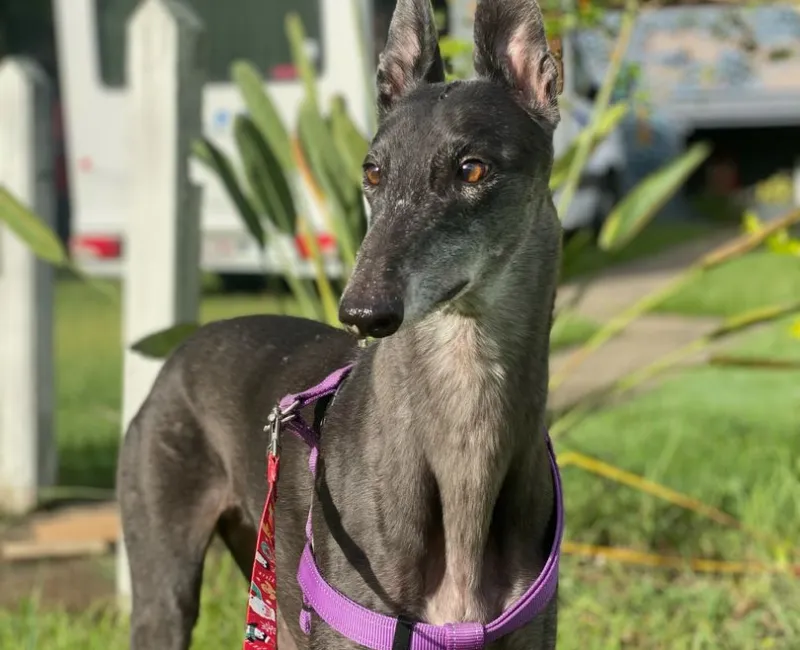
Do you have a beautiful greyhound family member?
“If you’re welcoming a greyhound into your home, it’s worth knowing that dental disease is very likely to be something you’ll need to manage throughout their life,” says Dr Bec. “However, when it comes to homecare, the good news is that they’re usually pretty chill and fairly trainable… probably some of our most successful owners when it comes to toothbrushing and homecare are greyhound owners.”
While there are some important dental concerns and risk factors to be aware of, these beautiful dogs make wonderful additions to families looking for love and loyalty. Just be sure to start early with high-quality dental care and keep it going with good habits at home.
At Advanced Animal Dentistry, we love helping greyhounds and all breeds of dogs and cats maintain good oral health. If you have any concerns about your pet, feel free to call us or get in touch through our contact form. We’ll work closely with your primary vet to make sure your pet gets the care they need.
You can also visit our pet owners’ page and explore additional resources.