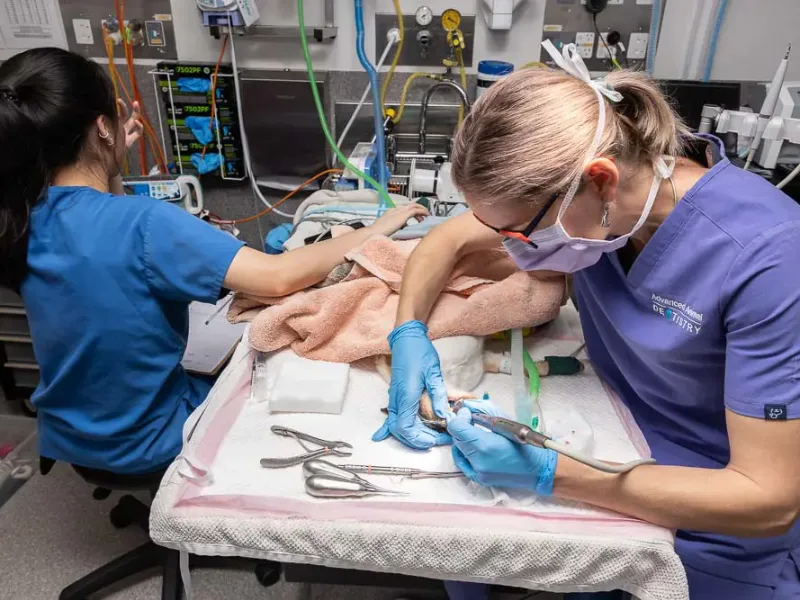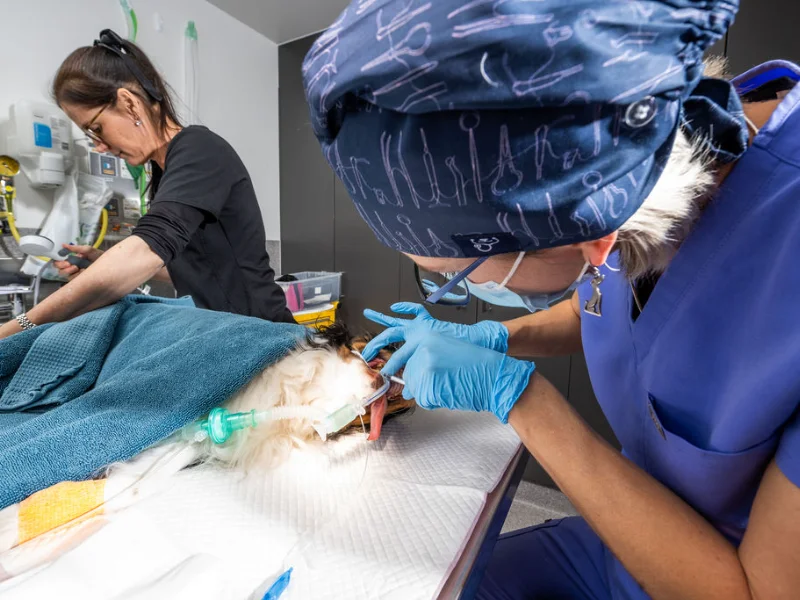

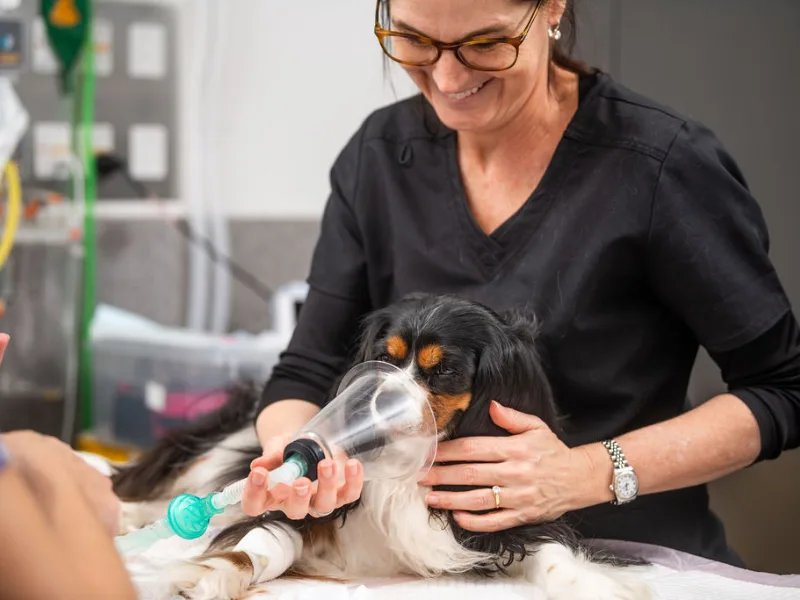
We assess each patient individually, considering their health history, age and any concurrent medical conditions, to tailor the anaesthetic approach to their specific needs.

Dentistry is now a routine part of general practice, but most vets still only have the training they received at university. Opportunities to go further and build advanced skills are surprisingly hard to find.
Recently, Advanced Animal Dentistry partnered with VetPrac to deliver a practical extraction course designed for general practitioners.
The program combined our expertise with VetPrac’s hands-on training model to give participants direct guidance in a supportive workshop setting.
At Advanced Animal Dentistry, we see education as an important part of what we do. By sharing what we’ve learned in practice, we help other vets feel more confident with dentistry, which means better care for the animals they treat.
“Dentistry is now a routine part of general practice, but most vets still only have the training they received at university.”
Why advanced dental training matters
Many vets finish their studies with only limited time spent on dental procedures. That early exposure gives a foundation, but it rarely leaves them feeling confident with more complex extractions. Having the chance to expand those skills in a structured, practical environment makes a big difference to how these cases are managed.
Veterinary dentistry has advanced significantly with the introduction of improved equipment and higher clinical standards. Even so, extractions remain one of the more demanding aspects of the work. Training that focuses on ergonomics helps vets refine their approach, reduce fatigue and lower the risk of repetitive strain or injury. It also enhances patient comfort and provides greater control and consistency in a routine part of veterinary practice.
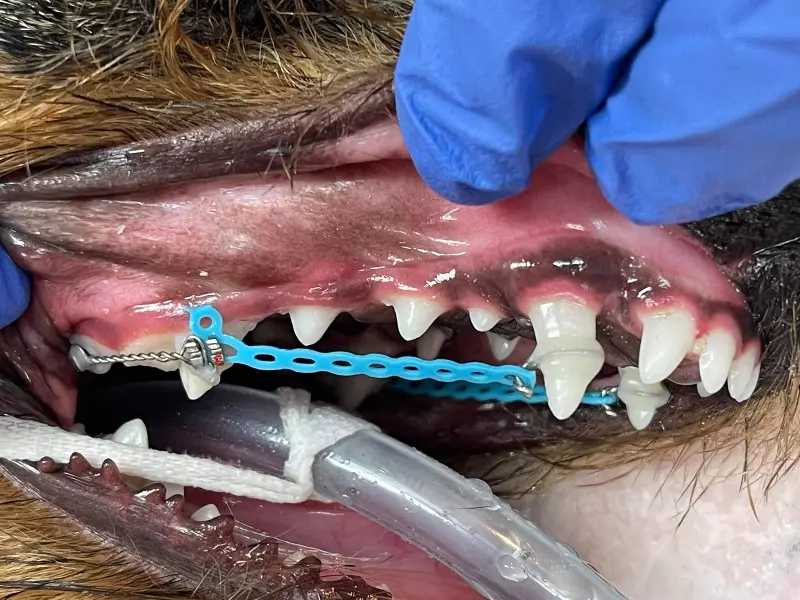
Extractions often become harder than they should be. Gaps in training increase the risk of incomplete root removal, fractured teeth and longer recoveries. Focused, hands-on training in a supportive, supervised setting gives vets a clear process, refined techniques and the confidence to achieve smoother, safer results.
“These updates don’t always make it into everyday practice unless vets make time for specific training.”

Taking a look inside the VetPrac extraction course
The workshop brought together 22 general practitioners for two full days of training led by Dr Bec Tucker and Dr Aaron Forsayeth, alongside other experienced demonstrators.
Each session was structured to give participants time with instruments in hand, rather than just watching demonstrations. The format combined short lectures, small group tutorials and practical sessions designed to build confidence step by step.
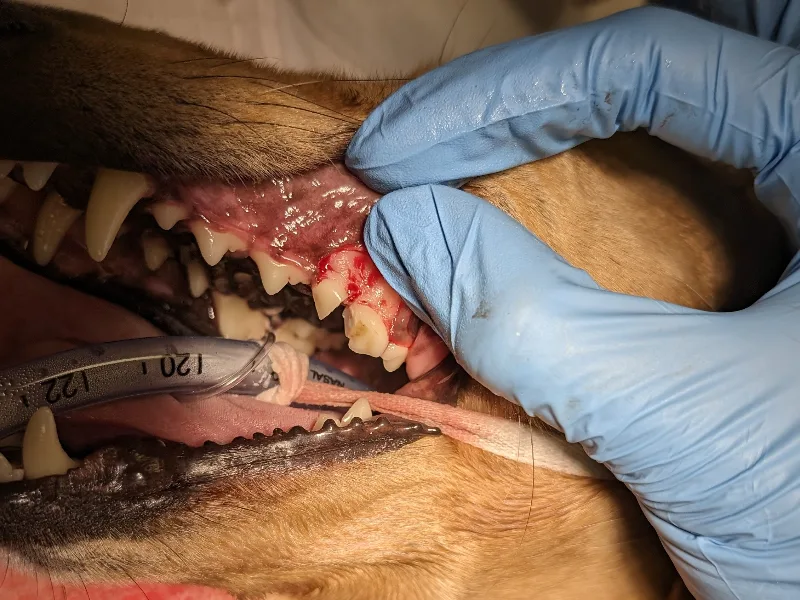
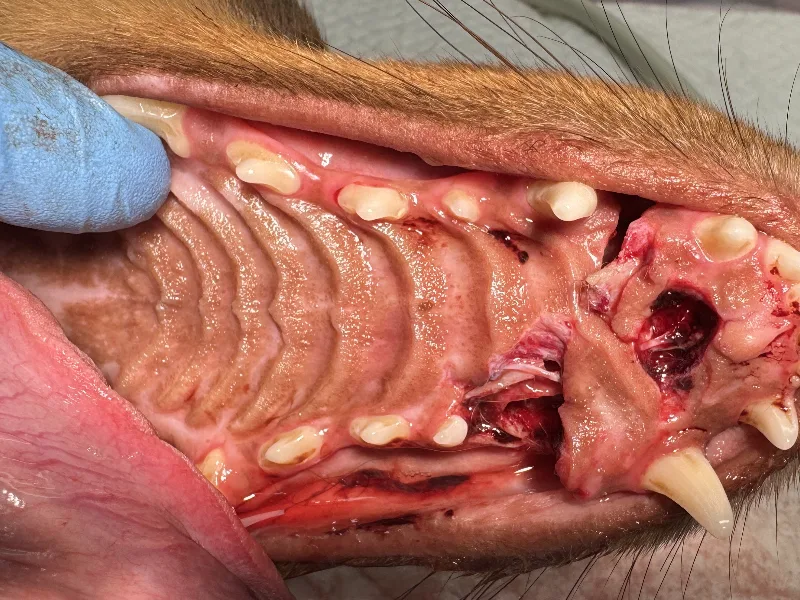
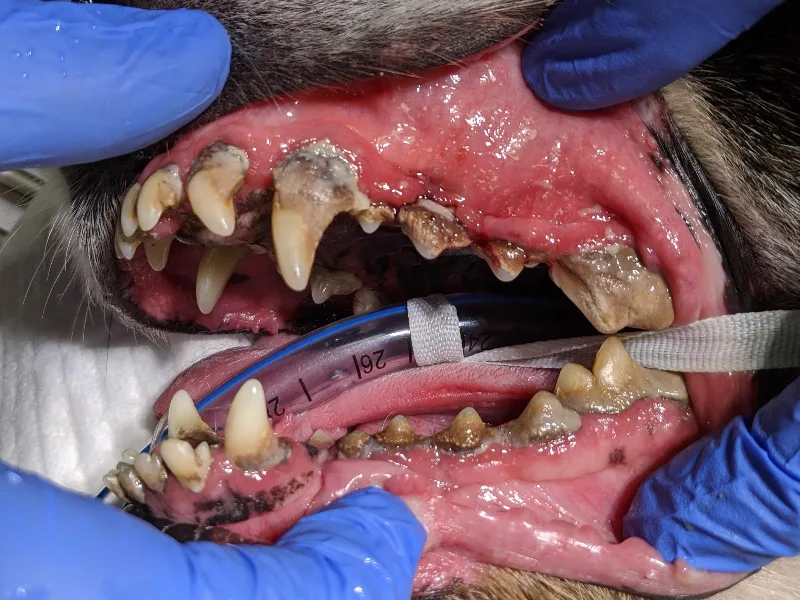
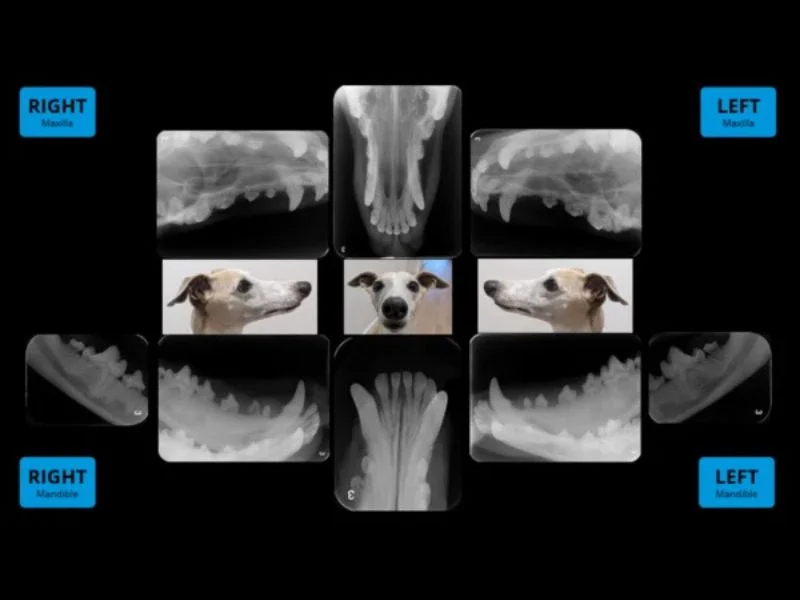
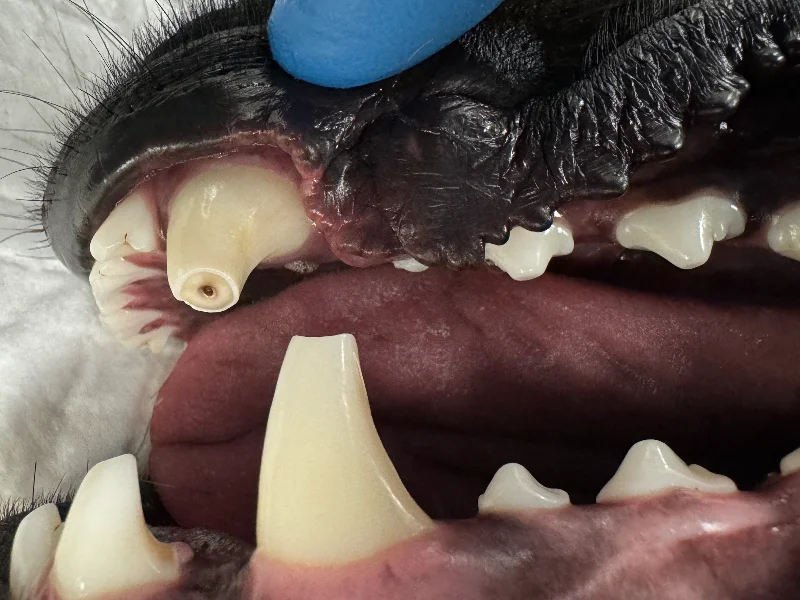
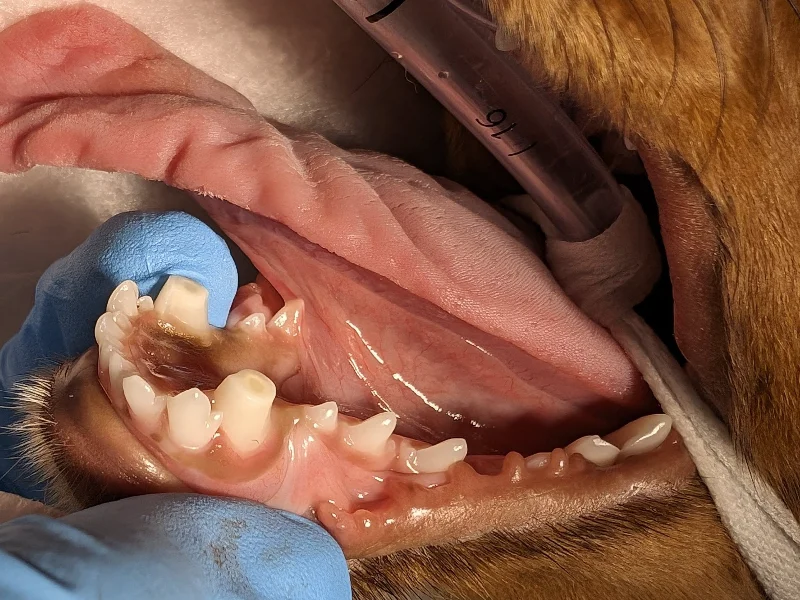
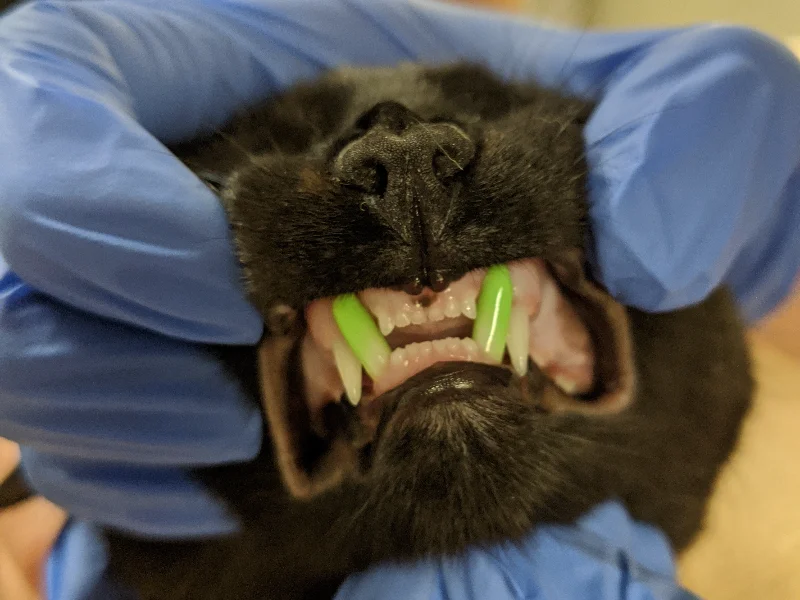
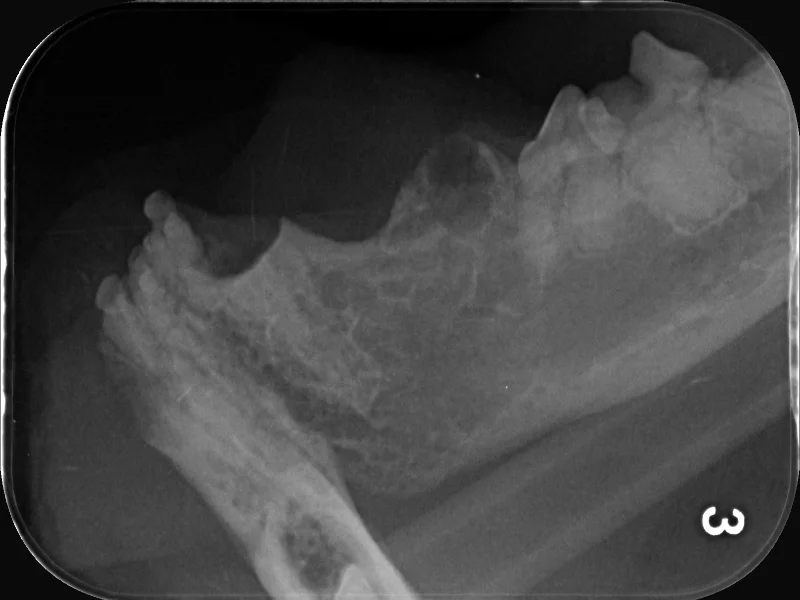
Lecture topics covered periodontal disease and client communication to help vets explain conditions and treatment plans more effectively. Practical work focused on surgical extractions, flap design, closure and root retrievals, using cases such as maxillary canines, maxillary carnassials and feline quadrants. Day one centred on dogs and day two on feline work and more complex procedures.
Each participant had an individual practical setup, with only minimal shared equipment, giving everyone more time to work and less time waiting. With Dr Tucker, a veterinary dental specialist, and the demonstrators moving through the room, every vet received direct, case-specific feedback. Participants planned each extraction as they would in clinic, then closed and, when needed, repeated the procedure to master it. The guided pace prioritised quality over speed and created a realistic, low-pressure, supervised learning environment.
“Workshops like this … help other vets feel more confident with dentistry, which means better care for the animals they treat.”
Skills that change everyday veterinary practice
One of the key areas of focus in the course was flap design and closure. Participants practised planning and raising flaps cleanly, handling tissues with care, and securing a closure that supports healing. Getting these details right often means the difference between an uncomplicated recovery and one set back by pain or delayed repair.
Root retrieval was also a central part of the training. Participants worked through practical methods for finding and removing retained roots cleanly, along with strategies to prevent fractures from occurring. Developing confidence in these steps helps reduce complications and makes it easier to bring each procedure to a proper conclusion.
Another emphasis was on bringing consistency to extractions. With a clear method in place, the procedures felt more predictable and less draining. That framework turns what can feel daunting into something manageable and ultimately makes dentals more efficient and less stressful.
Building confidence and collaboration
As mentioned, the course wasn’t only about instruments and surgical precision. Participants also spent time on developing communication skills and learning how to explain dental disease and treatment options clearly to owners. That ability to translate clinical findings into everyday language is just as important as the procedure itself.
The small group format made it easy for vets to share experiences and ask questions as they went. Not only did they have access to a dental specialist in Bec Tucker, but all the educators were highly experienced in performing dental procedures to a high standard. Their different clinical backgrounds added another layer to the learning that participants valued.
Continuing the veterinary dental conversation
At Advanced Animal Dentistry, education is an important part of how we support the profession. By sharing our knowledge and experience, we aim to make dentistry more approachable for all veterinarians and help improve outcomes for patients.
We worked alongside VetPrac to design and deliver the course, blending our clinical expertise with their strength in organising immersive training. Together, we created an environment where vets could build skills with the right support and structure around them.
VetPrac are valued partners in veterinary dental education. We appreciate how well they prepare, their understanding of participant goals and the thoughtful way they group attendees and manage logistics so the day runs smoothly. We look forward to delivering more events together.
Workshops like this are part of VetPrac’s wider program of training, which will keep giving vets real opportunities to develop their skills. View the upcoming CPD calendar here.
If you’re a vet or vet nurse looking to learn more about veterinary dentistry, we’re always happy to offer guidance. You can email us with a brief case summary and any relevant lab results, or complete the referral form if you’d like to refer a patient.