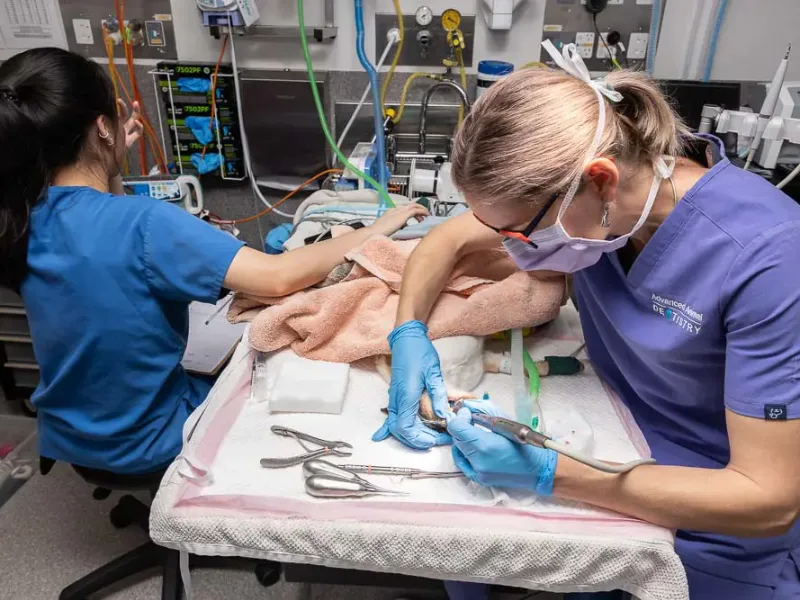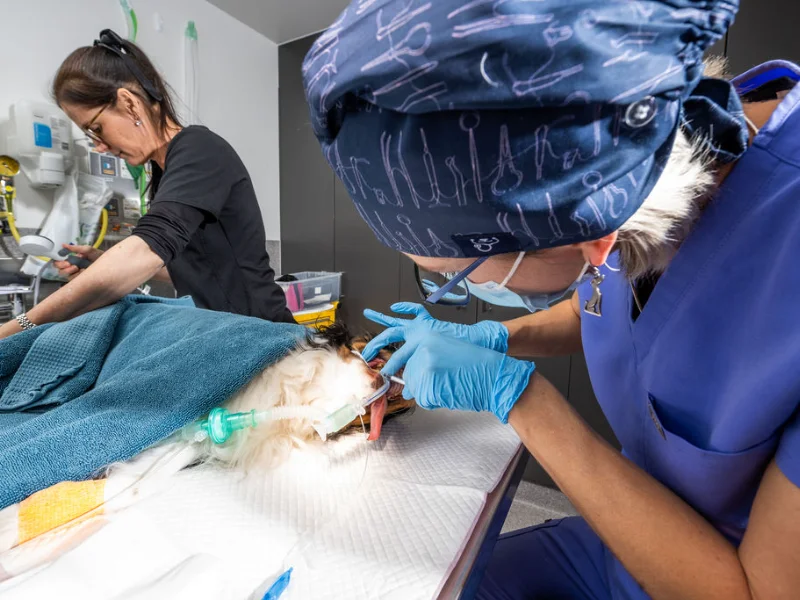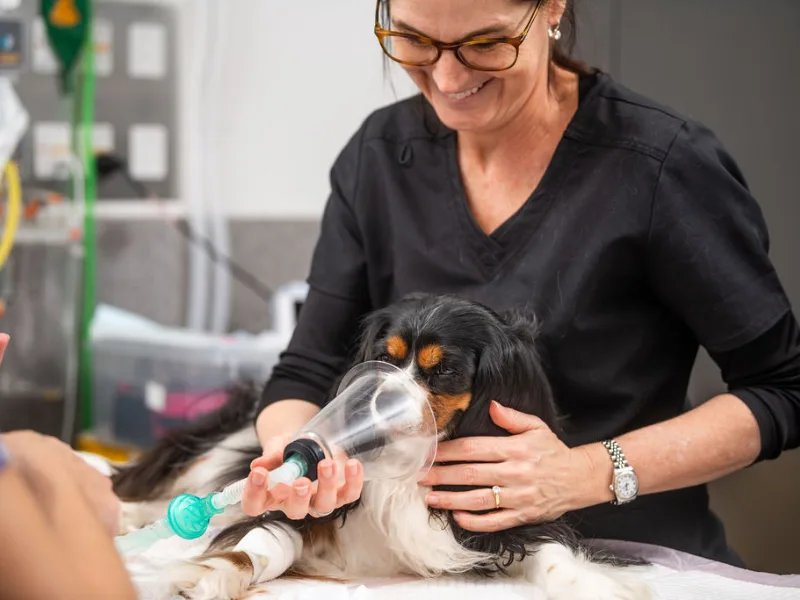
We assess each patient individually, considering their health history, age and any concurrent medical conditions, to tailor the anaesthetic approach to their specific needs.

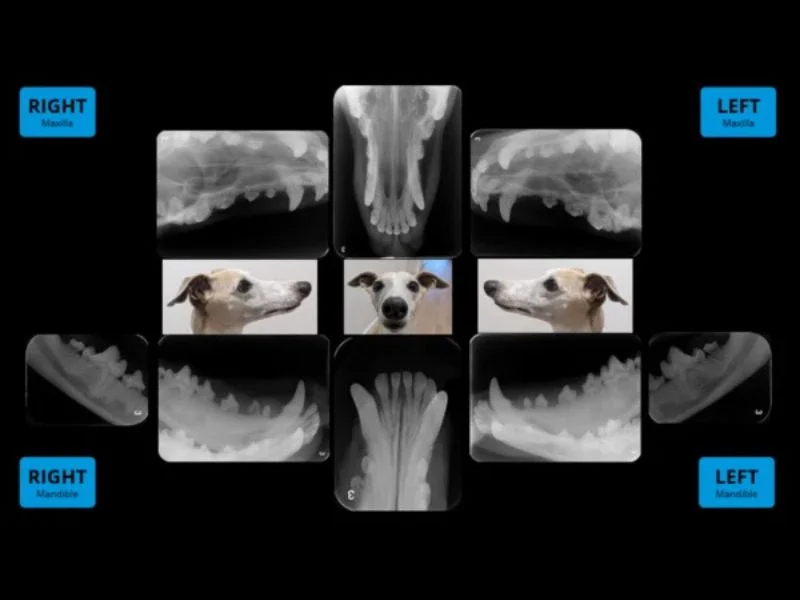
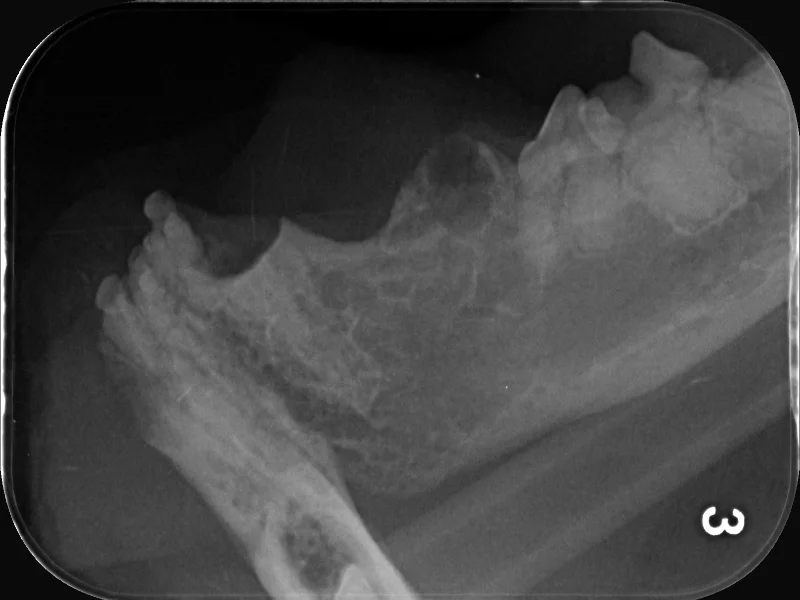
High-quality dental radiographs are essential for accurate diagnosis and treatment planning. Even small changes in beam angle or patient positioning can affect the image and obscure important details. Taking radiographs (X-rays)at the correct angle with consistent technique captures a true representation of the dental anatomy and gives veterinarians the clarity they need to make confident clinical decisions.
At Advanced Animal Dentistry, Dr Aaron Forsayeth and specialist Dr Bec Tucker are deeply committed to improving oral health and supporting veterinarians in clinical practice. Accurate imaging is central to that work. At times, we’ve been asked to review radiographs that don’t provide all the detail needed for a full assessment. This article explains the bisecting angle technique and how it guides many of the radiographic views needed in veterinary dentistry.

Parallel vs bisecting
There are two main approaches to veterinary dental imaging. The parallel technique works much like taking X-rays of other body parts, such as the limbs, where the sensor or film is placed parallel to the structure being imaged (tooth) and the X-ray beam is aimed at a right angle to both, producing a clear, accurately sized image with minimal distortion. It is possible for the mandibular premolars and molars.
In most other regions, the anatomy prevents this, and the bisecting angle is required instead.
“The bisecting angle takes some time to picture and apply, but once it clicks, dental radiography becomes quicker, easier and far more consistent.”

Understanding the bisecting angle
The bisecting angle technique is required when the plate cannot be positioned parallel to the tooth because of the jaw shape or limited access. It is used for the maxillary and mandibular incisors and canines, and the maxillary premolar and molar teeth. The bisecting-angle technique is a radiographic method in which the X-ray beam is aimed perpendicular to a line that bisects the angle between the tooth and the x-ray plate.
The purpose of the bisecting-angle technique is to obtain radiographs when the parallel technique cannot be performed, creating a dimensionally accurate image.
A useful way to understand the bisecting angle technique is to imagine a tree and its shadow at different times of day. When the sun is low on the horizon, the tree casts a long, exaggerated shadow; when the sun is directly overhead, the shadow becomes very short. There is a moment during the day when the height of the tree and the length of its shadow are equal. This point illustrates the principle of the bisecting angle: the angle at which the X-ray beam should be directed so that the projected image is true to scale, without elongation or foreshortening.
Many veterinarians are shown fixed angles to follow, but not the reasoning behind them. Without that foundation, it is hard to adapt the view when the X-ray plate cannot sit where it needs to or when the first image does not show what is required. The bisecting angle takes some time to conceptualise and apply, but once the concept becomes clear, it often makes dental radiography quicker, easier and far more consistent.
“Even subtle changes in beam angle can dramatically affect image clarity — understanding the ‘why’ behind each view is key to accurate diagnosis.”
Patient factors influencing dental imaging
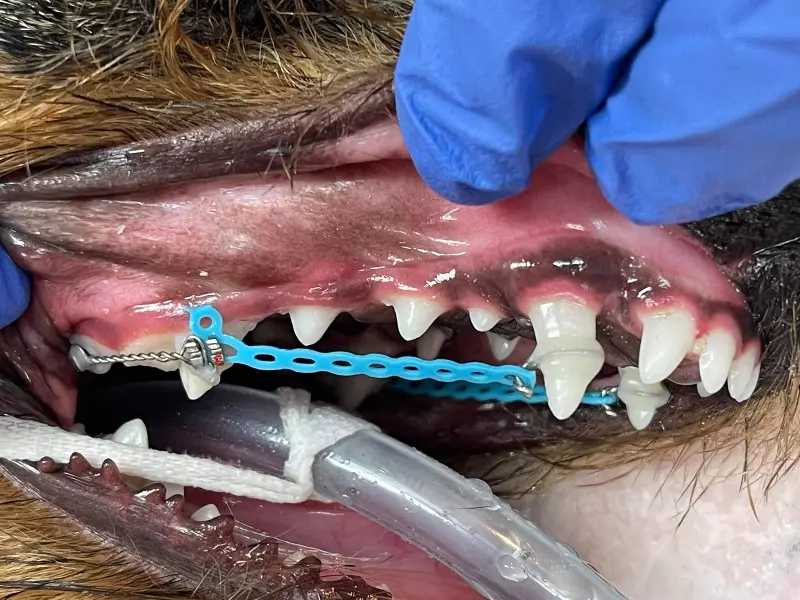
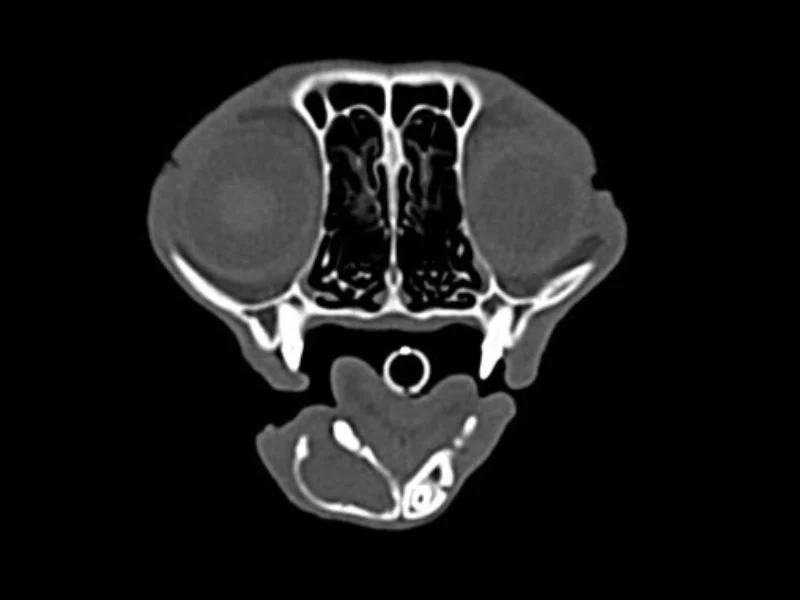
Dental radiography is also influenced by the patient in front of you. Skull shape is one of the biggest factors, as the relationship between the teeth, palate and mandible changes significantly between brachycephalic, mesocephalic and dolichocephalic breeds. These variations determine how much room there is to place the plate and how easily a representative image can be achieved.
Due to the variability of the shape and size of oral structures in different breeds and different species, the use of “standard” positions is not appropriate. In smaller patients, the mouth may not open wide enough to position the plate exactly where you would like it to sit, which means the angle must be adjusted within the limits of the available space.
For example, this is why dental imaging is never identical between patients and why each case requires a custom approach.
Building confidence in pet dental radiography
At Advanced Animal Dentistry, our patients’ oral health is our entire focus. Dental imaging is essential in the diagnosis and treatment of dental disease in our patients.
We understand how complex dental radiography can be, but a solid understanding of the underlying principles makes the work more predictable and far less time-consuming in daily practice.
We are currently developing detailed resources that will walk through each technique in depth, and we have a companion article on common imaging pitfalls here. For tailored guidance or help interpreting your own radiographs, please contact our team. To refer a patient, complete the referral form here.