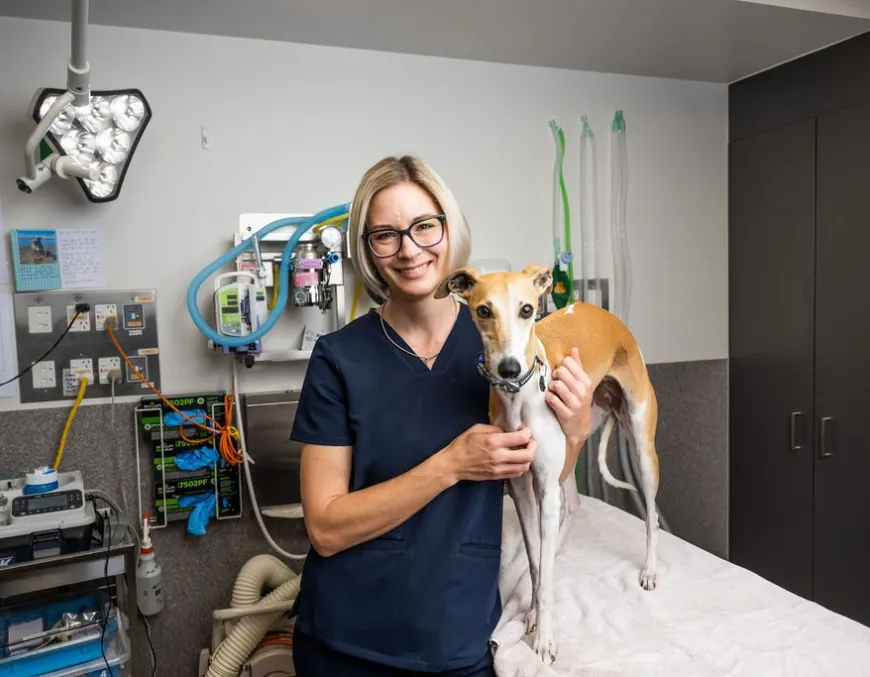

Juvenile Gingivitis and Periodontitis

Numerous oral inflammatory conditions may affect our feline patients. Young cats may suffer from several inflammatory conditions, including juvenile gingivitis, hyperplastic gingivitis and juvenile periodontitis—these may well be different stages or presentations of the same disease process.
About Juvenile gingivitis/hyperplastic gingivitis

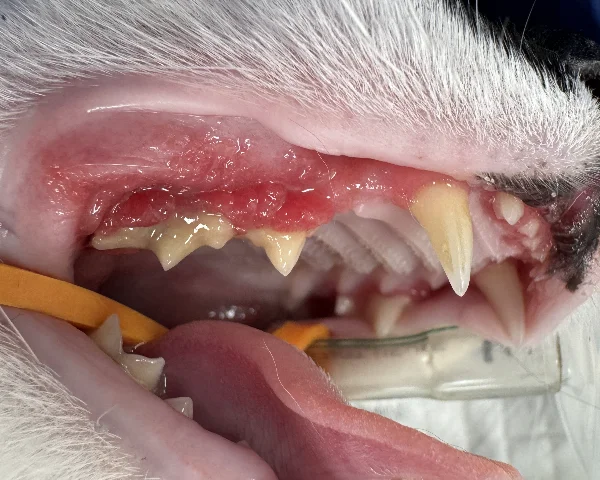
Juvenile gingivitis (juvenile hyperplastic gingivitis) refers to gingival inflammation that occurs following the eruption of the permanent teeth. This condition is most frequently observed in cats, with oriental breeds being overrepresented.

Patients suffering from juvenile gingivitis have redness, swelling and inflammation of their gum tissue (gingiva). The cause of this disease is not known, but an exaggerated inflammatory response to tooth eruption, immune-mediated exposure (FIV, FeLV, Calicivirus), and viral exposure (FIV, FeLV, Calicivirus) have all been proposed as triggers. Many authors believe it is likely a multifactorial response.
About Juvenile Periodontitis

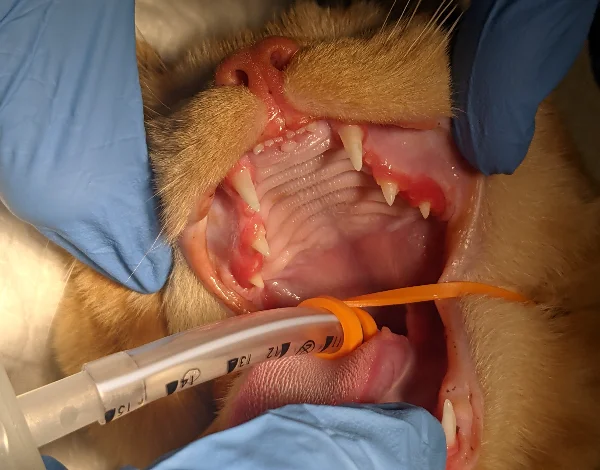
Juvenile periodontitis is another painful syndrome seen in young feline patients. Not only is there significant gingivitis, but associated periodontal attachment loss. Patients generally present with intense gingivitis and bleeding gums, abundant plaque deposits and loss of the support structures surrounding the tooth, including the surrounding bone and periodontal ligament.

Juvenile periodontitis appears to be an immune-based problem. There appears to be an overreaction towards plaque build-up, which causes severe and quickly advancing periodontal disease in young cats. There is once again a predisposition in oriental breeds of cats, although all breeds may be affected.
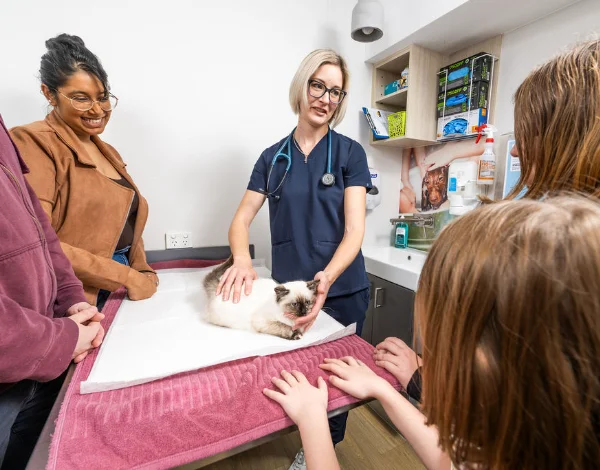
Dr Bec looking at kitten

Management

The approach to these cats with both juvenile gingivitis and juvenile periodontitis is similar. To have any chance of halting and controlling these conditions, aggressive and early intervention is required. If left untreated, they will rapidly progress to severe periodontal disease.

It is generally accepted that the susceptibility of patients to develop this condition (juvenile periodontitis) will often subside by two years of age.  

Dental prophylaxis as frequently as every 3 months, removal of any overgrown/hyperplastic gingiva, and a home care regime revolving around strict plaque control is required. To be effective, home care must include daily tooth brushing to mechanically remove plaque deposits from the teeth. Oral rinses containing Chlorhexidine may also be utilised to reduce the oral bacterial load further.

The patient’s initial response to therapy will often provide a good long-term prognostic indicator. If the patient fails to respond at least partially to initial aggressive therapy, the long-term prognosis for resolution is poor. Failure to provide this therapy or failure of a patient to respond despite this treatment increases the likelihood of the patient developing severe periodontitis. Patients who fail to respond to this form of management or progress despite treatment may require partial to full mouth extractions.

For many cats presenting with juvenile periodontitis, caudal to full-mouth extractions are required. This may be due to the level of periodontal disease detected at the time of presentation or the difficulty in providing the level of home care and regular professional intervention required to attempt to halt or slow the progression of the disease process. Even with excellent home care and regular professional treatment, many cats will still require numerous extractions.

With good home care and regular treatment, some cats appear to outgrow the condition by 2-3 years of age.

Patients who undergo extensive extractions do very well and generally experience full resolution of their oral inflammation and improvement in their quality of life as a consequence.

Meet the Author

Bec Tucker

Specialist Veterinary Dentist – BVSc (Hons) MANZCVS (Small Animal Dentistry and Oral Surgery)

Diplomate, American Veterinary Dental College™

Hi, I’m Dr Bec Tucker, and my journey into veterinary dentistry has been unexpected yet incredibly fulfilling. In fact, dentistry wasn’t on my radar at all when I graduated with a BVSc (Hons) from the University of Sydney in 2007. I was fortunate to meet veterinarians who had found their passion for dentistry, and their encouragement and enthusiasm shifted my perspective. Through continuing education lectures and workshops, I went from not fancying dentistry and oral surgery to genuinely loving it.

FAQs

How can I recognise the early signs of gum inflammation in my young pet before it turns serious?

Early signs often include red or swollen gums, bleeding when chewing, bad breath, or discomfort around the mouth. In young pets, these symptoms can appear quickly during adult tooth eruption and shouldn’t be ignored, as inflammation can progress below the gumline before it’s visible.

Why do some puppies and kittens develop periodontal disease so early in life?

Juvenile periodontal disease isn’t just caused by poor hygiene. It’s often linked to an exaggerated immune response to plaque during tooth development, making it more aggressive than typical adult gum disease and harder to manage without professional care.

Can untreated gingivitis in young pets lead to permanent dental damage?

Yes. When gingivitis progresses to periodontitis, it can cause irreversible damage to the bone and ligaments that support the teeth. This may result in pain, infection, and eventual tooth loss if intervention is delayed.

What daily habits can I build to protect my pet’s teeth while they’re still young?

Daily tooth brushing with pet-safe toothpaste, routine dental checks, and early professional advice are key. Starting dental care early helps reduce plaque accumulation and lowers the risk of inflammatory dental disease later in life.

When should I consider specialist dental treatment for my pet instead of routine care?

If inflammation persists despite home care, or if your pet shows pain, gum overgrowth, or loose teeth, a veterinary dental specialist may be needed. Early intervention often prevents more invasive procedures later.

Key Takeaways

Juvenile gum disease can start early and progress fast

Red or inflamed gums in puppies and kittens aren’t something to “wait and see.” Early gingivitis can quickly develop into periodontitis, causing permanent damage beneath the gumline.

This condition isn’t just about poor dental hygiene

Juvenile gingivitis and periodontitis are often linked to an exaggerated immune response during tooth development, which is why even well-cared-for young pets can be affected.

Early intervention can prevent lifelong dental issues

Professional dental assessment and treatment at the first signs of inflammation can significantly reduce pain, tooth loss, and the need for more invasive procedures later.

Consistent home care still plays a critical role

Daily brushing, regular veterinary dental checks, and early dental education help manage plaque and support long-term oral health, even when immune-related factors are involved.

Next steps

For Pet Owners

Are you concerned about your pet’s dental health? Call 1300 866 848 or fill out the contact form. We’ll coordinate with your primary vet to ensure the best outcome.

For Vets & Nurses

We’re here to help. If you’d like to refer a patient, please call us at 1300 866 848 , complete the referral form or email us with a brief case summary, relevant radiographs and lab results.

For advice and treatment guidance, email us with a brief case summary, relevant radiographs and lab results.


Refer a Patient Contact Us

Advanced Veterinary Dental Services

A comprehensive range of dental and oral surgery treatments.

Contact Us    Refer A Patient
Complex Anaesthesia

We assess each patient individually, considering their health history, age and any concurrent medical conditions, to tailor the anaesthetic approach to their specific needs.

Surgical Extractions

Removing complex teeth safely and with minimal impact.

Vital Pulpotomy

A vital pulpotomy is a time-sensitive procedure used to preserve the life of a tooth when the pulp becomes exposed due to trauma or dental treatment.

Jaw Fractures

Jaw fractures in pets require precise treatment to restore both structure and function, with a strong focus on proper bite alignment.

Periodontal Treatment

Periodontal treatment goes beyond routine dental care to address the deeper damage caused by advanced gum disease.

Oral Surgery

Pet oral surgery can help treat dental problems, injuries, and other conditions affecting your pet’s mouth. Learn about the available procedures and how they can improve your pet’s comfort and oral health.

Dental and Oral Imaging

Dental and oral imaging helps veterinarians identify dental problems that may not be visible during a routine examination. Learn how these imaging techniques support accurate diagnosis and effective treatment for your pet.

Root Canal Therapy

Root canal therapy can help save a damaged or infected tooth while relieving pain in pets. Learn how this dental procedure works and how it can help preserve your pet’s natural teeth and oral health.

Gingivoplasty

This procedure involves reshaping gum tissue to guide the eruption of canine teeth into a correct position, preventing traumatic occlusion and avoiding more invasive treatments.

Crown Height Reduction

Reducing the height of misaligned canine teeth and protecting the exposed pulp with a filling helps prevent chronic pain, preserve jaw structure and avoid extraction.

Inclined Plane – Crown Extensions

Orthodontic appliances like inclined planes or crown extensions can reposition misaligned canine teeth, preventing trauma and preserving tooth function without altering their shape.

Dog Braces (Orthodontics)

To address mesioverted  (‘lanced’ maxillary canine teeth) and manage linguoversion when the maxillary diastema (the space between the third incisor and canine teeth) is too narrow.

Restorations

Restorative dentistry repairs damaged teeth in pets, often using crowns, veneers and fillings. These procedures restore dental structure and function, ensuring long-term oral health.

Professional Dental Cleaning

Thorough cleaning and examination under anesthesia remove plaque and calculus, preventing periodontal disease and ensuring long-term oral health in pets.

Mandibulectomies and Maxillectomies

These surgeries involve partial or complete removal of the jaw to treat malignant oral tumours. Treatment options vary and may include surgery, chemotherapy or radiation.

Crown Amputation for Tooth Resorption

This procedure, often used for tooth resorption, involves removing the tooth crown while leaving the resorbing root remnant intact. It’s less invasive and used in cases where traditional extraction is no longer possible. Regular follow-up is recommended.











