Extensive (Full mouth) Extractions

Have you been told that your pet may require extraction of some or all of its teeth? This can be an overwhelming prospect, and it is completely normal to require reassurance prior to making the decision to have this treatment performed.
 

When it's Recommended

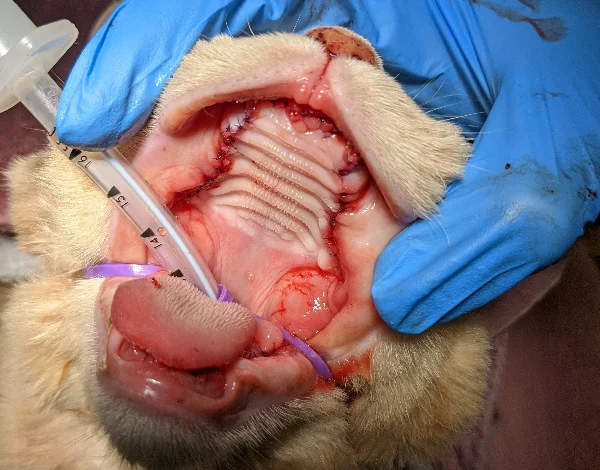
When we recommend extraction of all or most of your pet’s teeth, this is not a decision we take lightly. We will only make this recommendation when we feel there is a significant benefit to be gained in improved comfort and quality of life following treatment. Full mouth extractions will most often be suggested for patients affected by the following conditions:

Of course, this list is not all-inclusive, and full-mouth extractions may occasionally be required for other reasons.

“A full mouth tooth extraction isn’t about removing teeth — it’s about removing pain and giving pets a better quality of life.”
Full Mouth Extractions | Cat at Vet

Benefits of Full Mouth Extractions

In most cases, full mouth extractions are recommended for patients with progressive and painful oral diseases that medical treatment cannot effectively manage or where the long-term effects of medications outweigh their benefits.

Pets on long-term medications like immunosuppressants, pain relief and antibiotics may no longer need these drugs after the extractions. This approach aims to alleviate pain, resolve the underlying disease and improve your pet’s quality of life.

Additionally, full-mouth extractions eliminate the need for rigorous home care and frequent professional treatments under general anaesthesia, which are otherwise necessary to manage these conditions.

Possible consequences

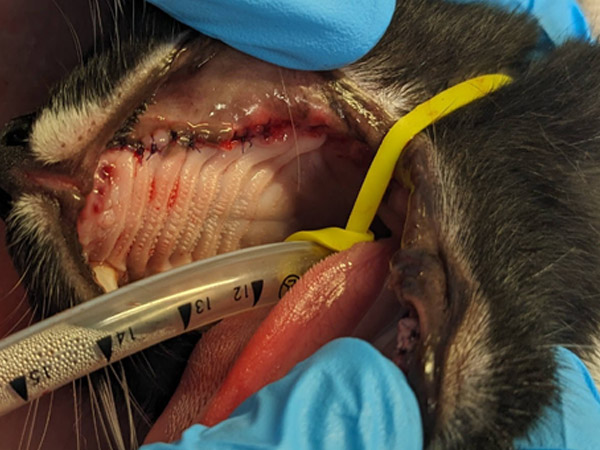
Removal of all of your pet’s teeth will result in some structural changes to their jaw. Rest assured that most of these are cosmetic in nature and are not true medical concerns. 

The changes we observe are most frequently seen in our canine friends and are generally related to the tongue being more likely to poke out of the mouth. For some patients, this is an occasional occurrence, but for others, it is a frequent observation. This is rarely observed in cats following full-mouth extractions.

For patients with underlying immune-mediated conditions, most notably feline chronic gingivostomatitis, this form of treatment may not result in complete resolution of their underlying oral pain and discomfort, and some form of ongoing medical treatment may still be required.

You may also have heard that there is a risk of jaw fracture during the extraction process. This risk is very low when the extractions are performed by skilled individuals and is greatly outweighed by the potential benefits of tooth removal.

“Most pets don’t miss their teeth; they thrive once chronic infection and discomfort are finally gone.”

But how will they eat?

This is the biggest concern expressed by pet owners.

Dogs and cats have significantly different dentition to us. Our pets have teeth that are designed to cut food into bite sized pieces rather than chew or grind their food in the way we do.

In most cases, very limited changes to your pets diet will be required, as most of the foods we feed are already in appropriately sized chunks (dry food, meat, tinned food).

Many of our patients will continue to eat their dry food as if nothing has changed, even after having all of their teeth removed.

Of course, chewing on dental chews and bones will no longer be appropriate.

Having all of your pet’s teeth removed is a scary proposition but one that our clients rarely express regret over when they see the dramatic improvement in their pets demeanour and quality of life on the other side of treatment.

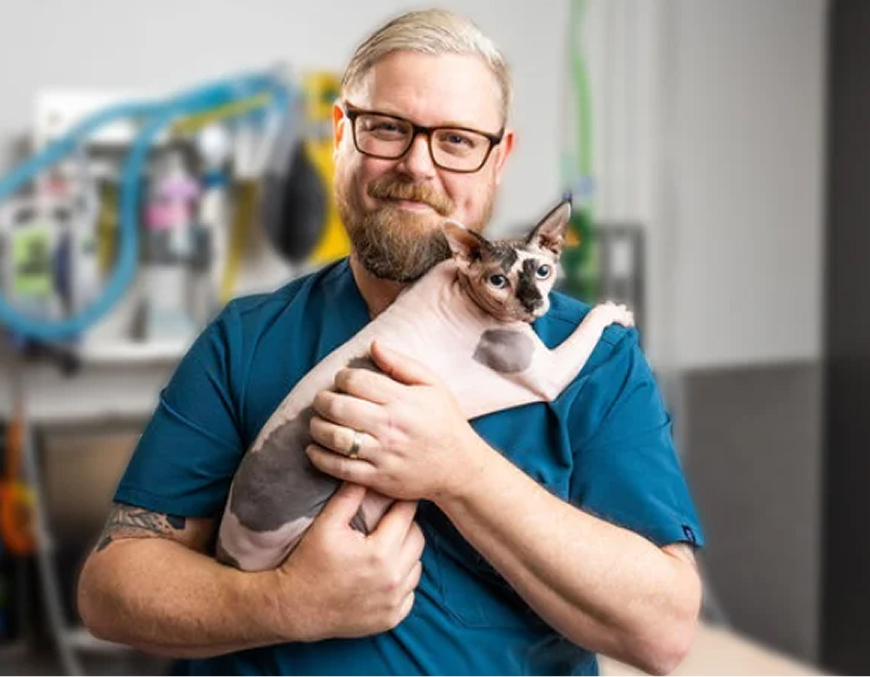
Meet the Author

Aaron Forsayeth

BVSc (Hons) MACVSc (Veterinary Dentistry)

Hi, I’m Dr Aaron Forsayeth, and I’ve had quite the journey in veterinary medicine. Originally, I never imagined myself pursuing dentistry.
I spent my initial years in general practice until a chance meeting with Dr Gary Wilson changed my career path. He inspired me to explore veterinary dentistry, and together, we co-founded Advanced Animal Dentistry in 2006. It’s ironic, considering I used to dread dental procedures, but with the right knowledge and skills, it became a passion that I absolutely love to this day.

FAQs

Why has my vet recommended a full mouth tooth extraction for my pet?

Sometimes the best option for your pet’s comfort and wellbeing is to remove teeth that are severely damaged, infected, or painful — especially when other treatments aren’t effective. This decision isn’t taken lightly; it’s made to alleviate chronic discomfort and prevent the progression of disease.

What actually happens during a pet full mouth tooth extraction procedure?

Before any extraction, your pet will receive general anaesthesia and detailed imaging, like X-rays, to map out the surgery. Depending on the tooth size and condition, the dentist may lift gum flaps or remove small amounts of bone to access roots safely.

Will my pet recover normally and be able to eat after all their teeth are removed?

Yes — most pets adapt well once the painful teeth are gone. After healing, many eat more comfortably, especially when pain and infection have been resolved. Supportive feeding and care in the first days are key.

What should I expect during recovery after a full mouth extraction?

Recovery involves pain management, rest, and a soft diet initially while your pet’s gums heal. Monitoring for signs like excessive swelling, bleeding, or reluctance to eat helps catch complications early. Your vet will guide you on timelines and follow-up care.

Can good dental care at home reduce the need for extractions in the future?

Absolutely — regular brushing, annual dental exams, and professional cleanings help keep plaque and tartar at bay, preventing disease progression that leads to extractions. Routine care is one of the best preventive strategies for lifelong oral health.

Key Takeaways

Full mouth tooth extraction is about relieving pain, not taking an easy option

When all teeth are removed, it’s usually because severe dental disease is causing ongoing pain or infection that can’t be managed any other way.

Pets typically adapt better than owners expect

Once healing is complete, most pets can eat comfortably and enjoy a better quality of life, free from chronic oral pain.

Recovery requires short-term support but delivers long-term benefits

Soft food, pain management, and follow-up care are essential during healing, but the outcome is often a happier, more comfortable pet.

Preventative dental care can reduce the likelihood of extreme treatment

Early dental checks, daily brushing, and professional cleanings help prevent disease progression that leads to extractions.

Next steps

For Pet Owners

Are you concerned about your pet’s dental health? Call 1300 866 848 or fill out the contact form. We’ll coordinate with your primary vet to ensure the best outcome.

For Vets & Nurses

We’re here to help. If you’d like to refer a patient, please call us at 1300 866 848 , complete the referral form or email us with a brief case summary, relevant radiographs and lab results.

For advice and treatment guidance, email us with a brief case summary, relevant radiographs and lab results.


Refer a Patient Contact Us

Specialist Veterinary Dental Services

A comprehensive range of dental and oral surgery treatments.

Contact Us    refer a patient

Removing complex teeth safely and with minimal impact.

Preserving teeth by cleaning and sterilising infected pulp chambers

Precise management for intricate anaesthetics, enhancing safety

Preserving teeth that have damaged pulp through trauma

Detailed imaging with Dental X-rays and CT scans for accurate diagnosis

Cleaning pockets of plaque and tartar, promoting oral health

Performing expert, precise surgical procedures for oral issues

Restoring function and alignment with expert diagnosis and repair.