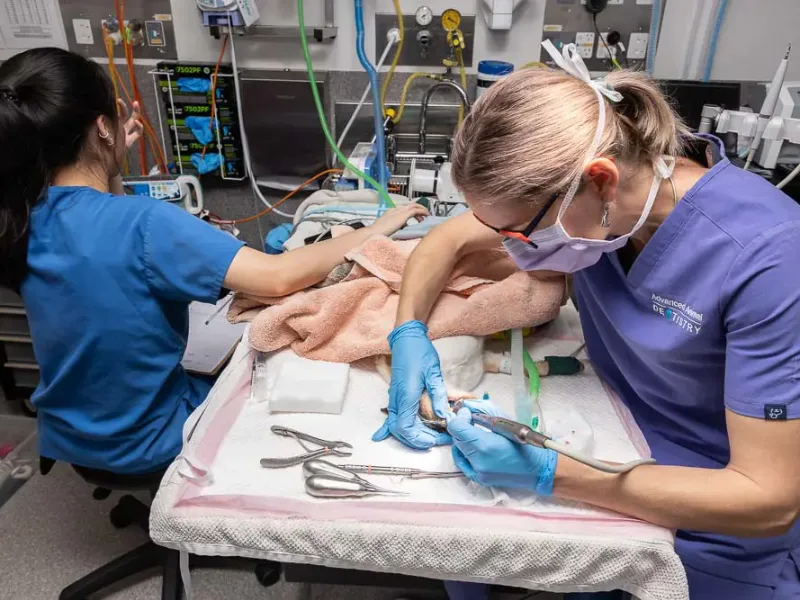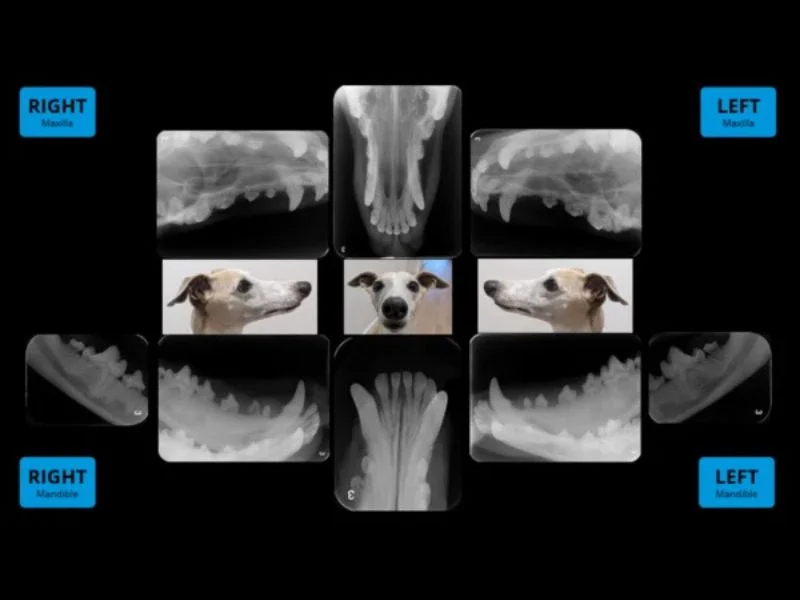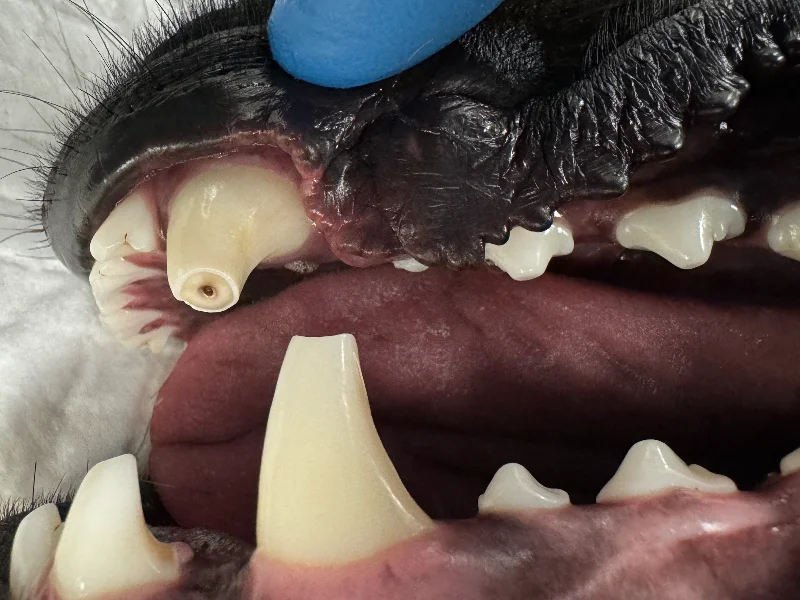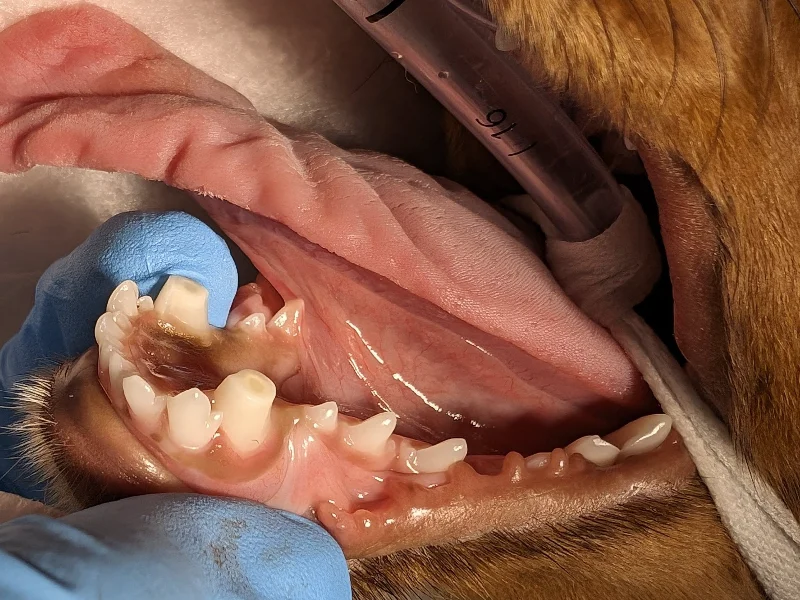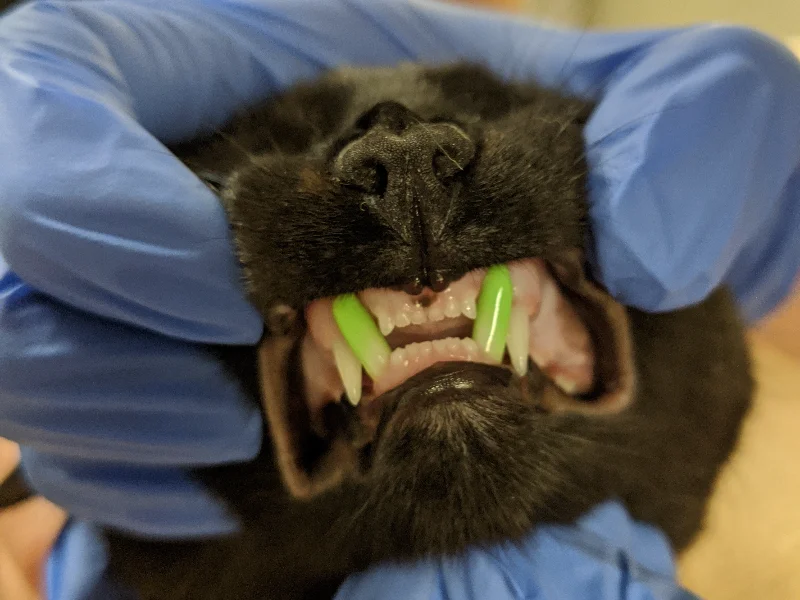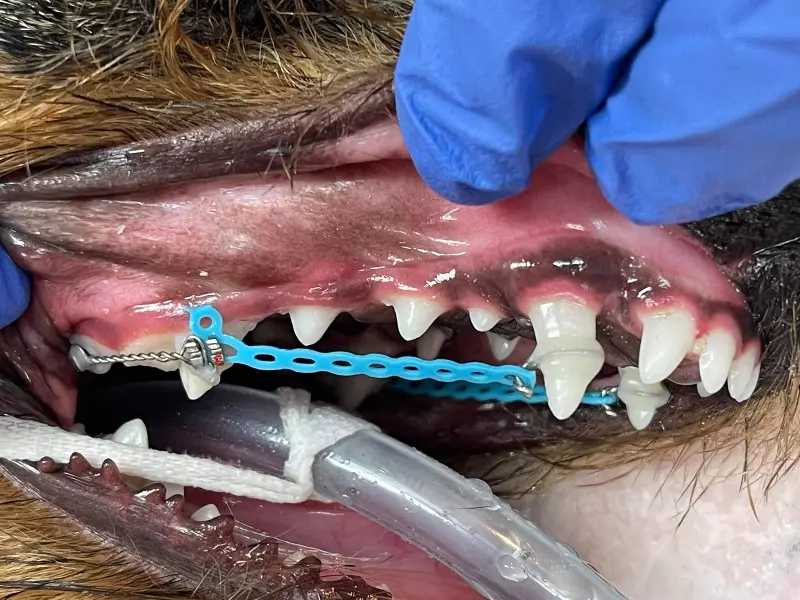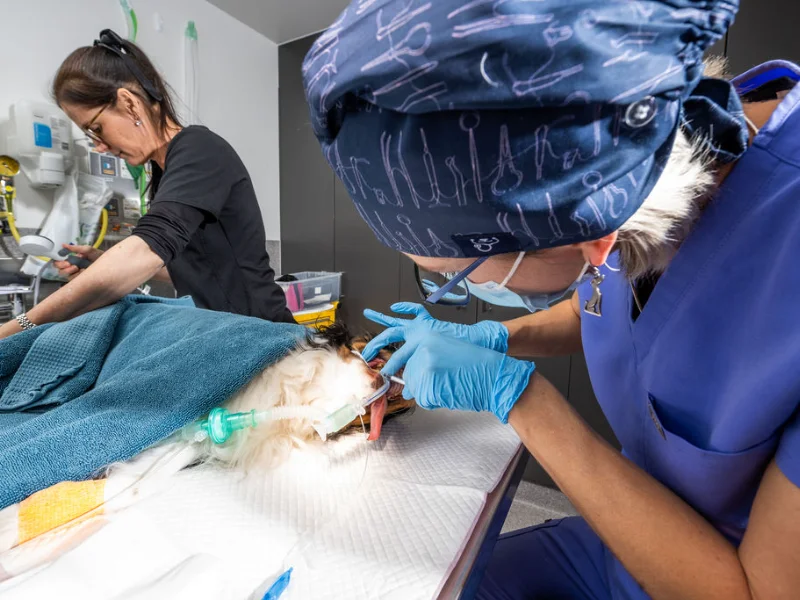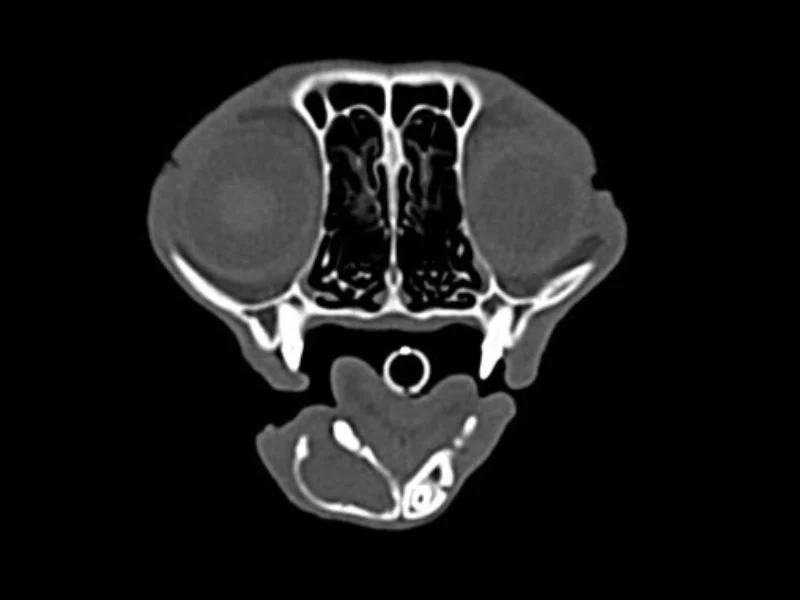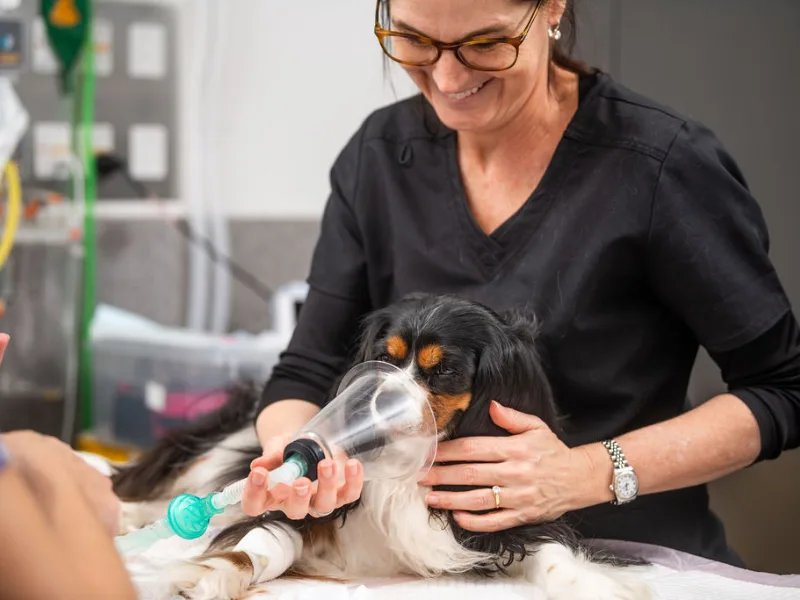
We assess each patient individually, considering their health history, age and any concurrent medical conditions, to tailor the anaesthetic approach to their specific needs.

About periodontal Disease
Periodontal or gum disease is prevalent among pets, affecting up to 85% of cats and dogs over three years old. Persistent bad breath in pets is abnormal and may signal periodontal disease. If the odour lingers, it’s time to consult a vet.
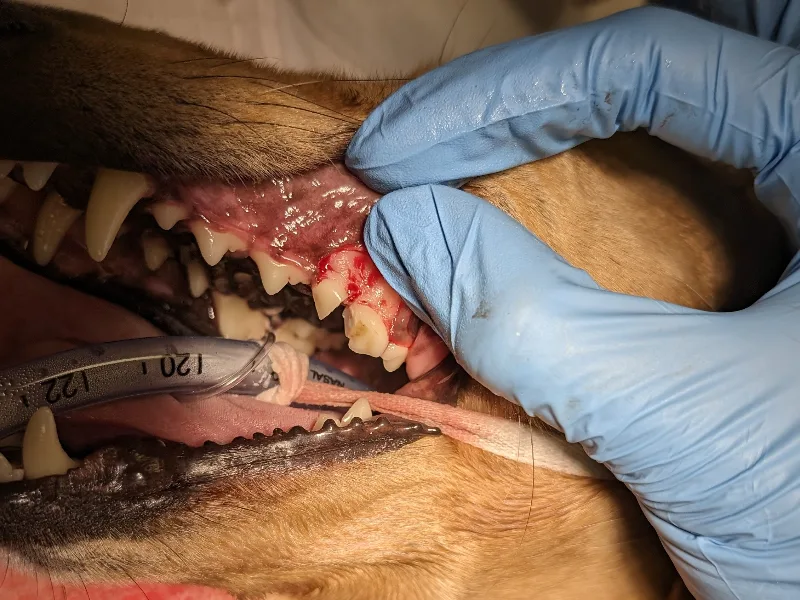
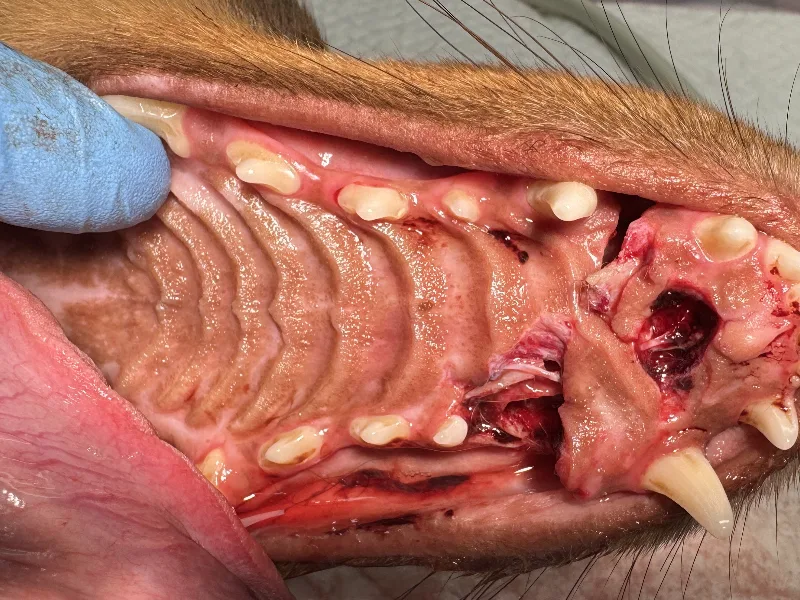
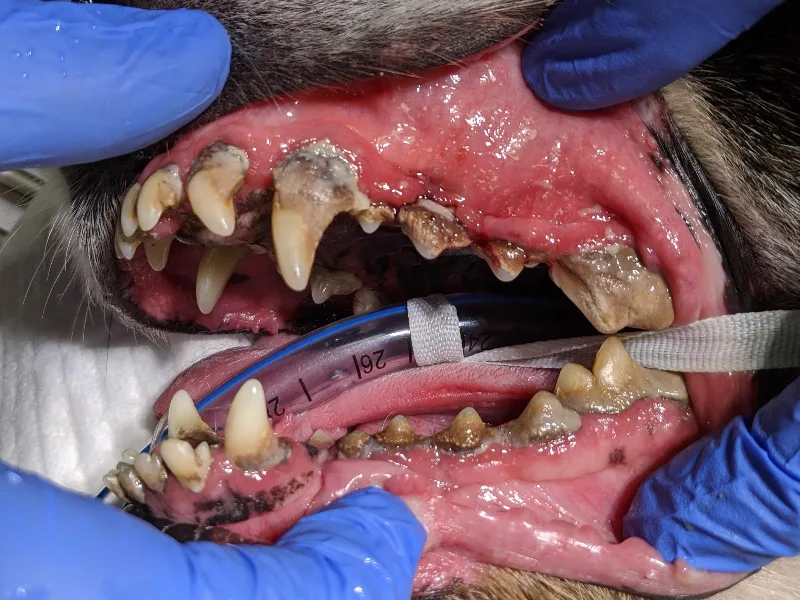
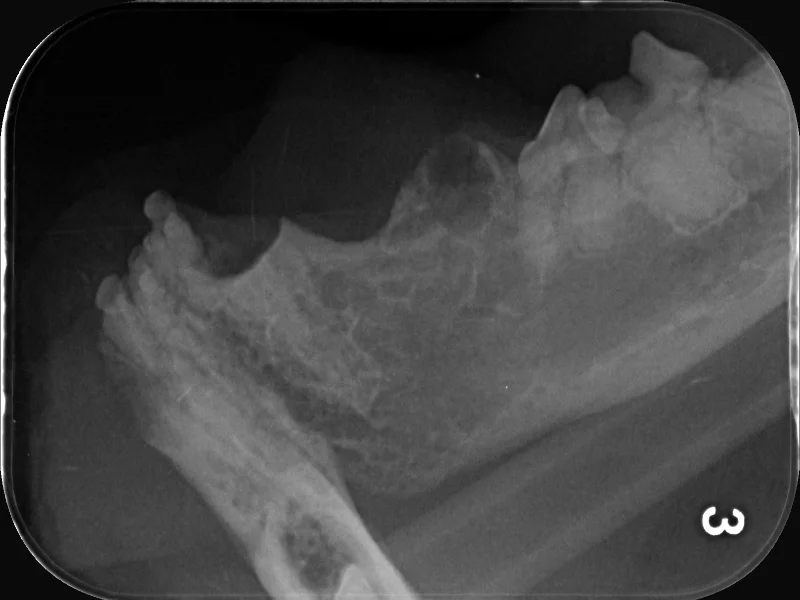
The immune system’s response to plaque accumulation triggers periodontal disease. Plaque, made of food particles, saliva and bacteria, hardens into tartar if not removed by brushing or chewing. This causes gum inflammation and bleeding (gingivitis). Without treatment, the infection can spread to bone and ligaments (periodontitis), leading to tooth loss.
“Up to 85% of cats and dogs over three years old experience gum disease—and persistent bad breath is often the first sign something’s wrong.”

Systemic effects & behavioural changes
Just as with humans, inflammation and bacterial toxins from periodontal disease can affect pets’ organs by entering the bloodstream. Pets rarely show obvious signs of oral pain due to their instinctual pack survival mentality, which views pain as a weakness. Owners often notice increased liveliness and improved appetite after treatment, indicating pain relief.
When signs of gingivitis appear, seek professional treatment immediately. Gingivitis is reversible, but untreated cases progress to periodontitis, which requires ongoing management as there is no cure. Professional cleaning under anaesthesia removes plaque and tartar from below the gum line, where the disease occurs.

Prevention & home care advice
Daily brushing with pet-specific toothpaste is the gold standard for preventing periodontal disease. Regular brushing effectively removes plaque before it hardens into tartar (calculus). Additionally, incorporating various products into your pet’s dental care routine can provide extra support.
Dental chews help reduce plaque build-up while satisfying your pet’s natural chewing instinct. Water additives promote oral health by decreasing bacteria and freshening breath. Oral gels applied directly to the gums and teeth further combat plaque and bacteria. Please note that these products can not come close to the effectiveness of tooth brushing but can act as secondary options.
“Treating inflamed gums not only refreshes your pet’s breath—it often improves their appetite, energy and overall wellbeing.”

Anaesthesia-free cleaning
Anaesthesia-free dental cleaning is not recommended as it only removes surface tartar, leaving the disease-causing plaque beneath the gum line untreated. This method provides a false sense of security and allows the disease to progress, potentially leading to more severe health issues.
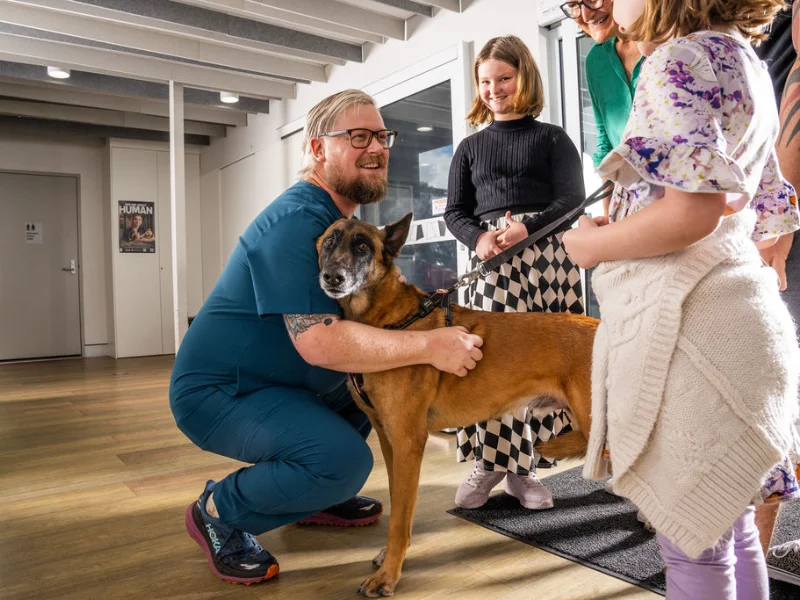
Our commitment is to ensure your pet’s mouth remains healthy, comfortable and functional throughout their life. We offer the most effective, comprehensive treatments to support this goal and encourage consistent home care and regular professional check-ups for maintenance.