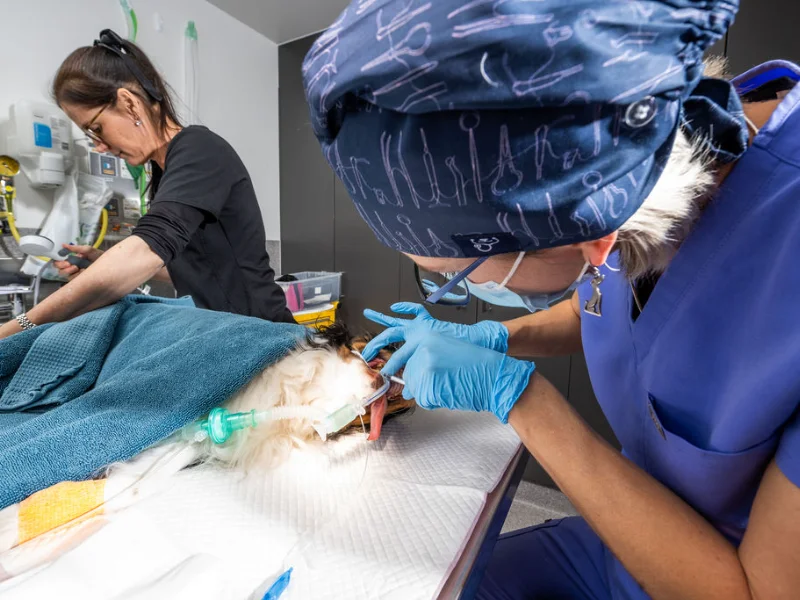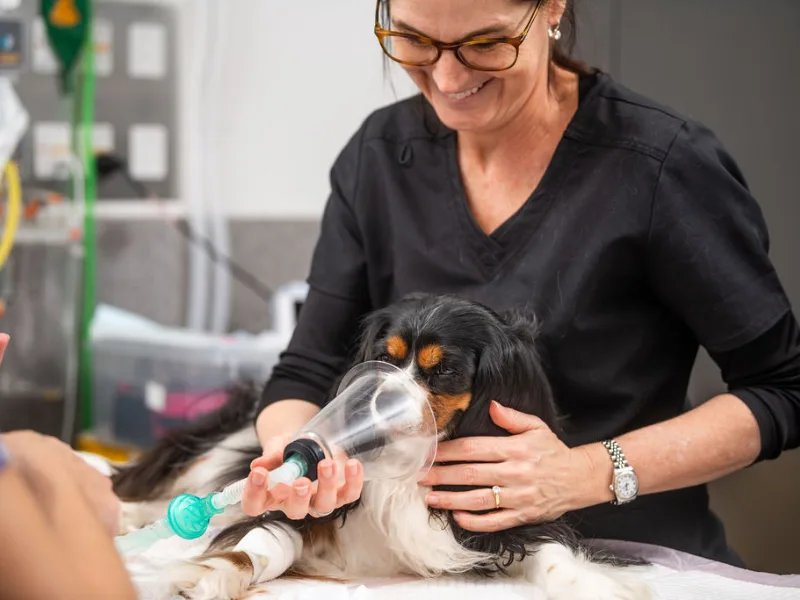
We assess each patient individually, considering their health history, age and any concurrent medical conditions, to tailor the anaesthetic approach to their specific needs.
Introduction & Class 1 Malocclusions
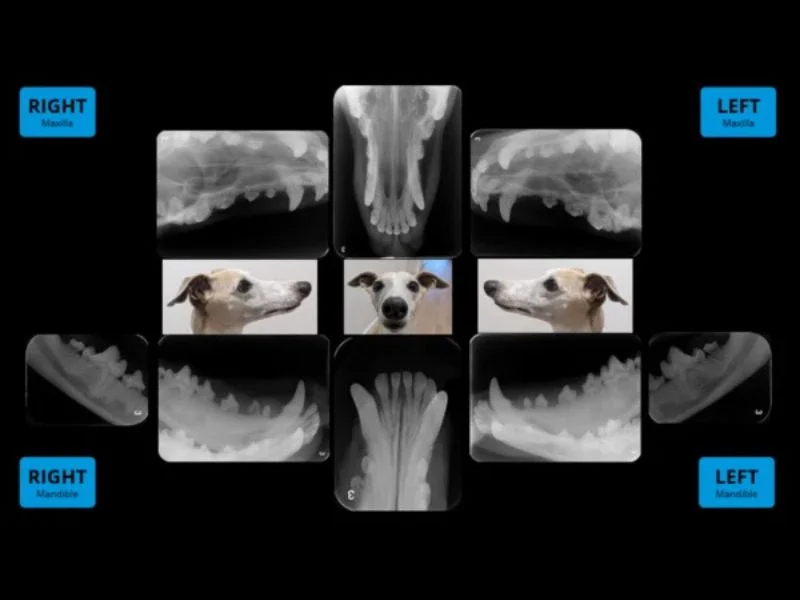
Malocclusions are bite abnormalities in dogs, classified into four basic types: Class 1, Class 2, Class 3 and Class 4.
These conditions can affect the alignment of teeth and jaws, leading to various dental and health issues.
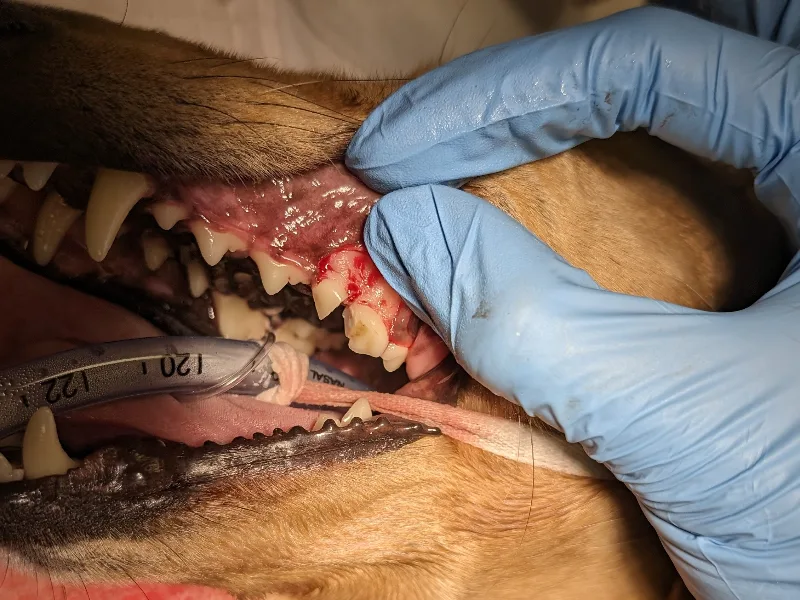
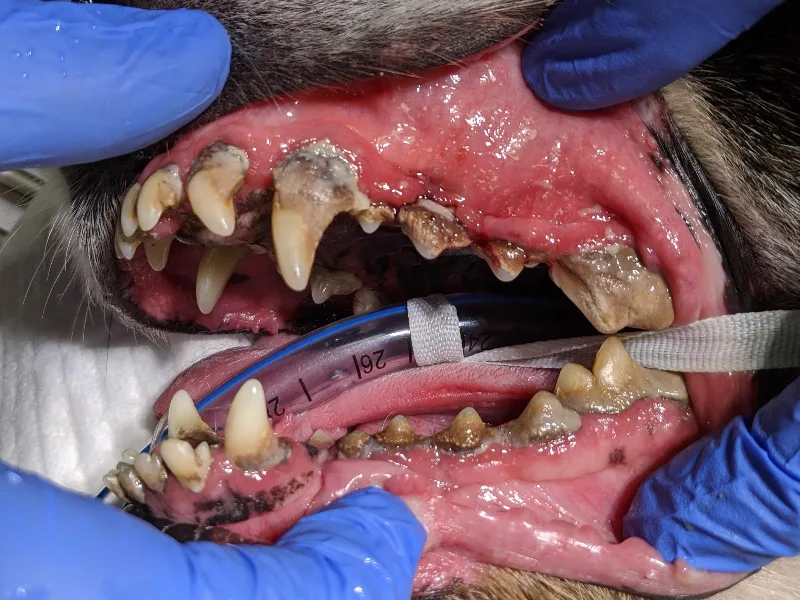
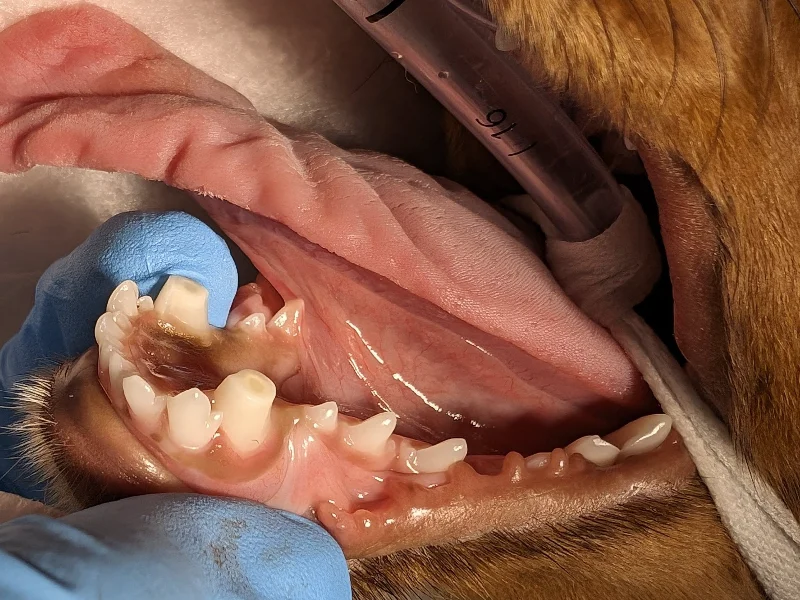
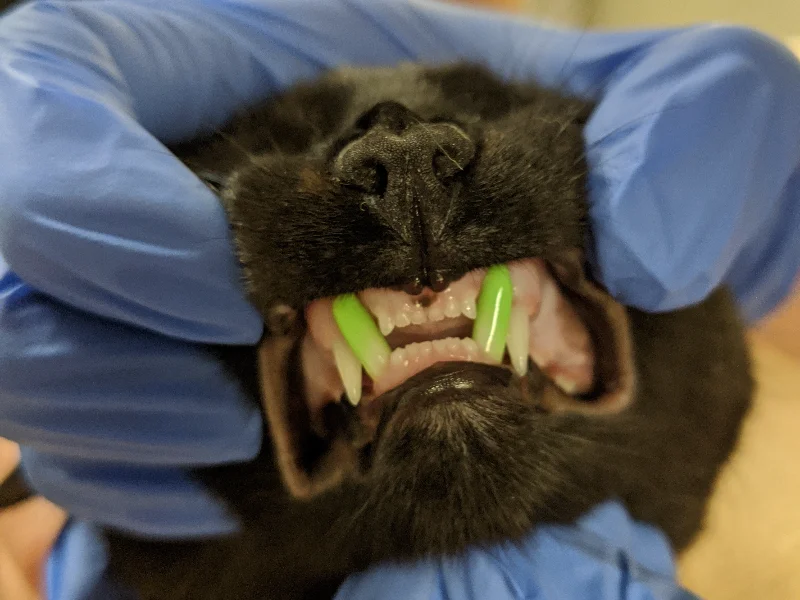
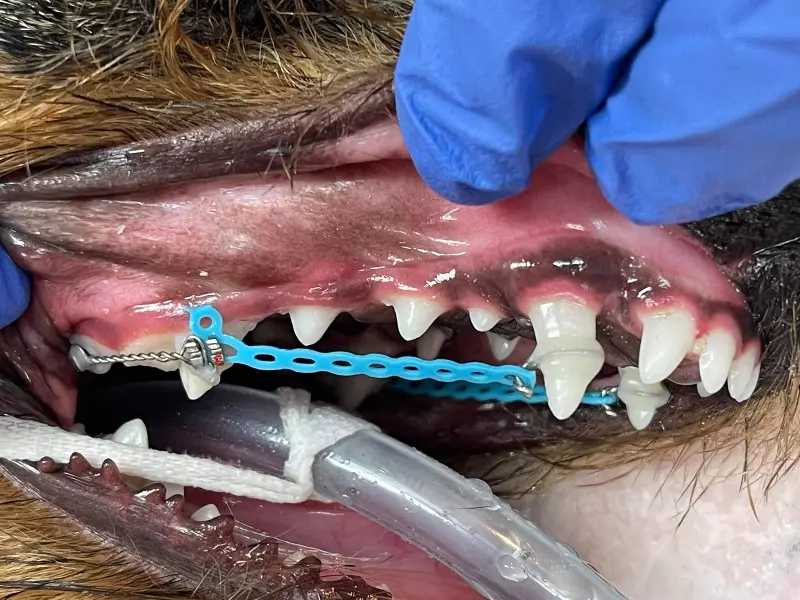
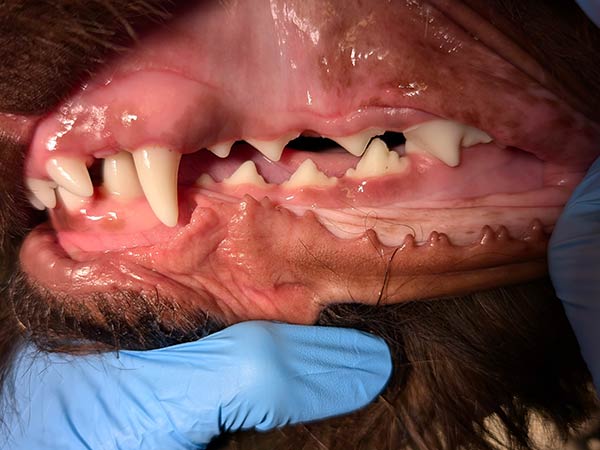
Class 1 malocclusions occur when individual teeth are misplaced, despite normal jaw lengths. This category includes conditions like rostral and caudal cross-bites, base narrow mandibular canines, ‘lance’ canines, and overcrowded or rotated teeth. These issues may present in combination with other types of malocclusion, affecting the dog’s oral function and comfort.
“Malocclusions can affect both comfort and function when teeth and jaws are not properly aligned.”
Class 2 Malocclusions
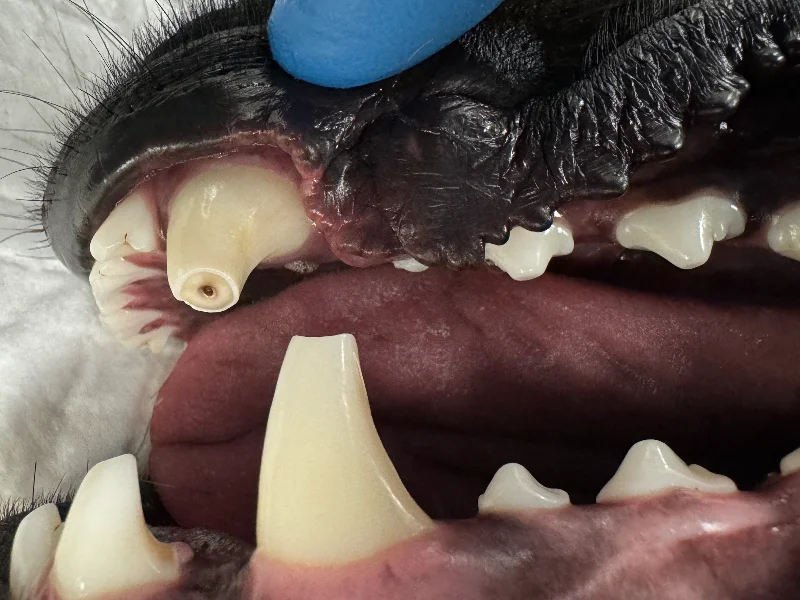
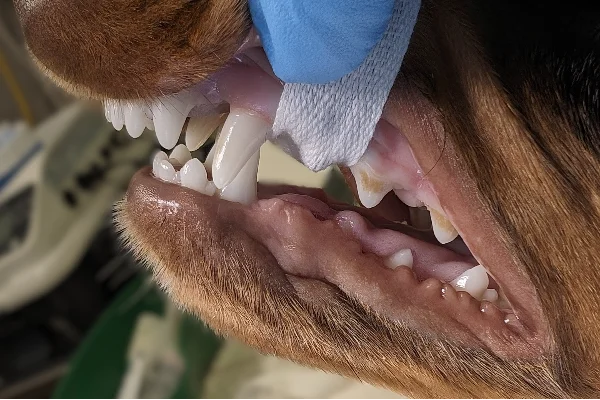
Class 2 Malocclusions, or overbites, occur when the upper jaw is too long or the lower jaw is too short.
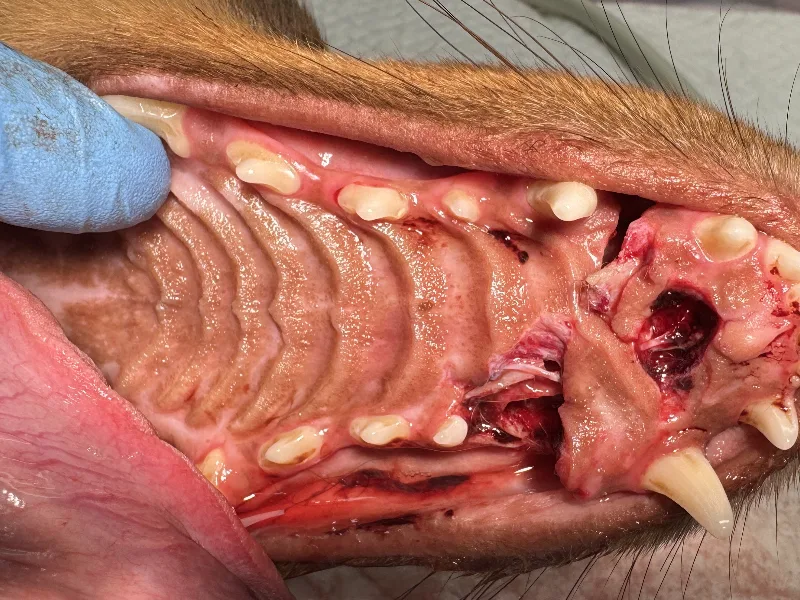
This can cause the mandibular canine teeth or incisors to press against the palate, leading to pain and potentially severe issues like oronasal fistulas.
Treatments include extracting baby teeth, orthodontic adjustments or a vital pulpotomy for permanent teeth
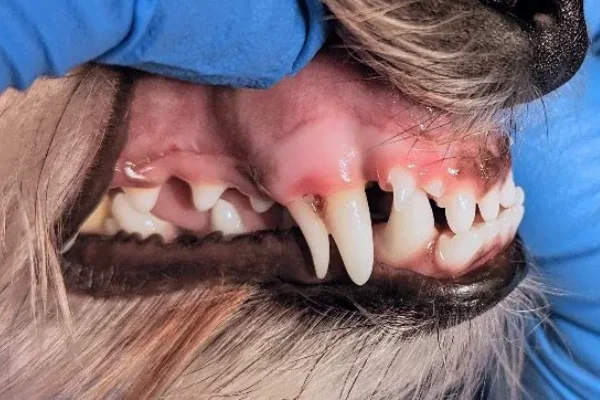
Class 3 Malocclusions
Class 3 Malocclusions, common in breeds like Boxers and Shih Tzus, involve an underbite where the lower jaw extends beyond the upper jaw.
This can cause trauma to the mouth floor or damage to the mandibular incisors.
Treatment may involve extracting or reshaping the maxillary incisors to alleviate discomfort.

Class 4 Malocclusions & timely treatment
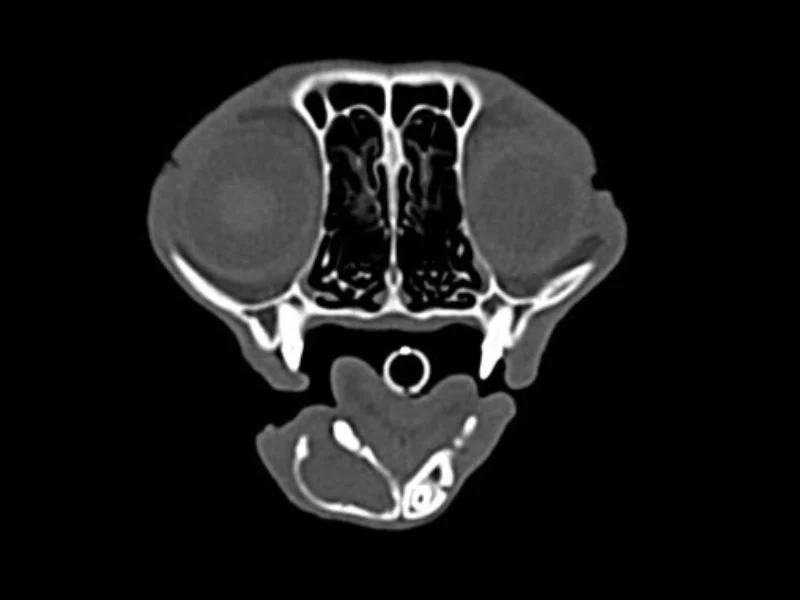
Class 4 malocclusions, or ‘wry bites,’ involve asymmetry in jaw length or alignment, often resulting from developmental issues or trauma.
This can cause significant discomfort, depending on the severity and specific nature of the malocclusion. Treatment tailored to the dog’s needs focuses on alleviating pain and preventing further complications.
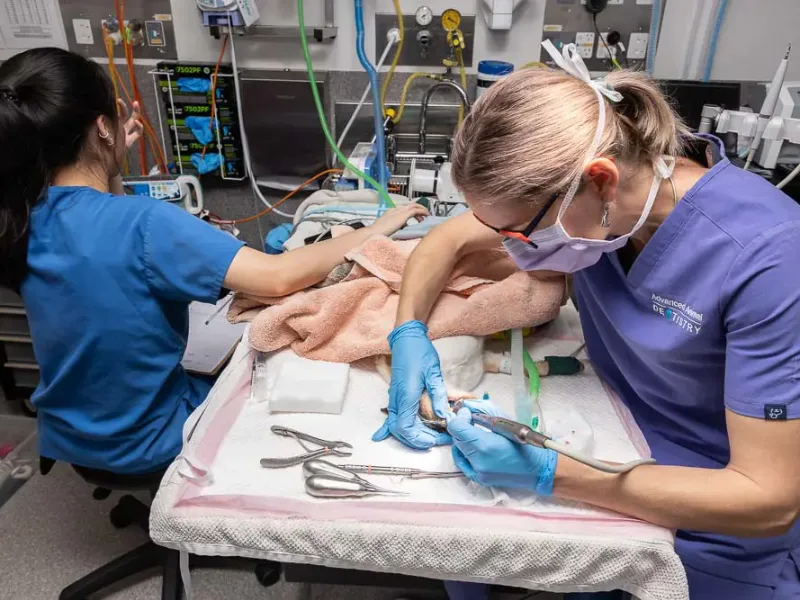
Proper diagnosis and timely treatment of malocclusions are crucial for maintaining your dog’s oral health and overall wellbeing. If you notice any signs of bite abnormalities, consult a veterinary dentist for a comprehensive evaluation and appropriate care plan.
“Timely treatment plays an important role in managing bite abnormalities and protecting oral health.”

Additional information
For more details on topics associated with misaligned teeth, refer to the following pages: