Oronasal fistulas in dogs and why they are often missed

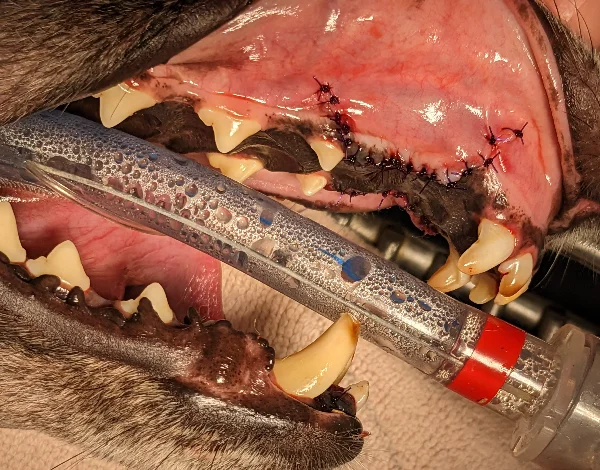
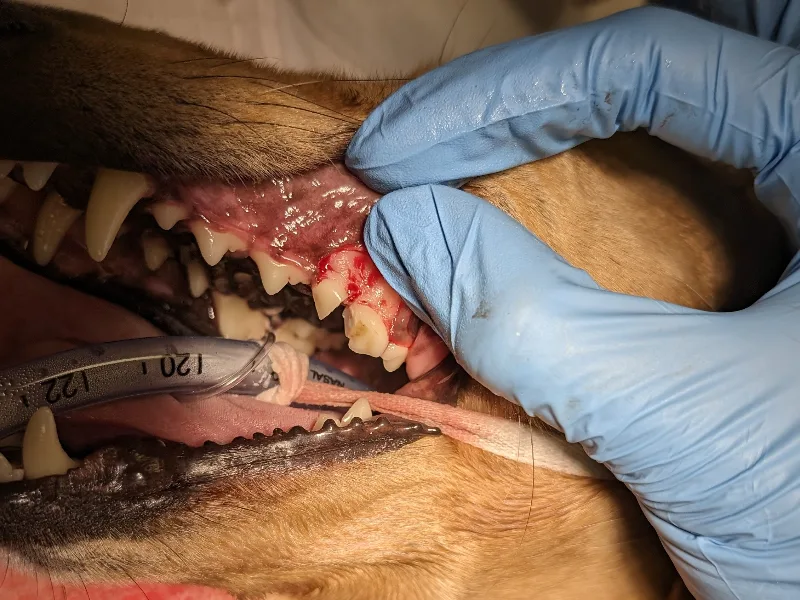
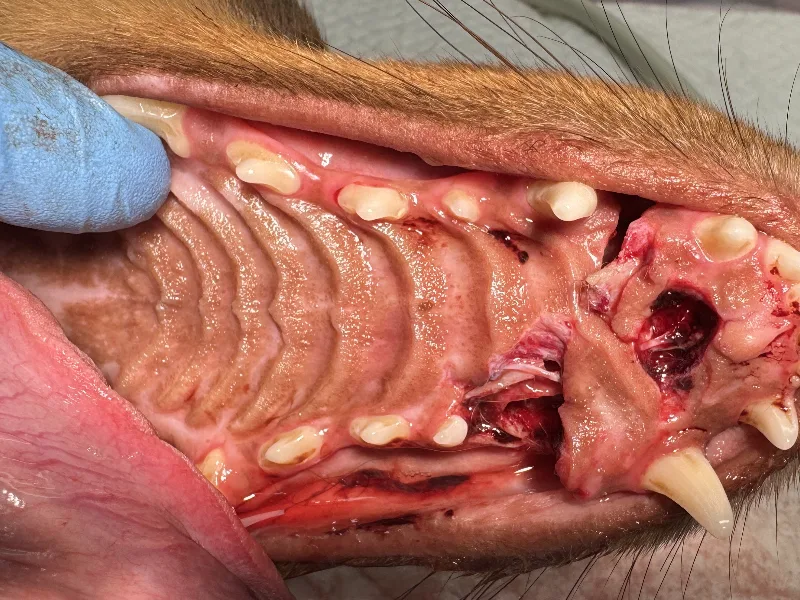
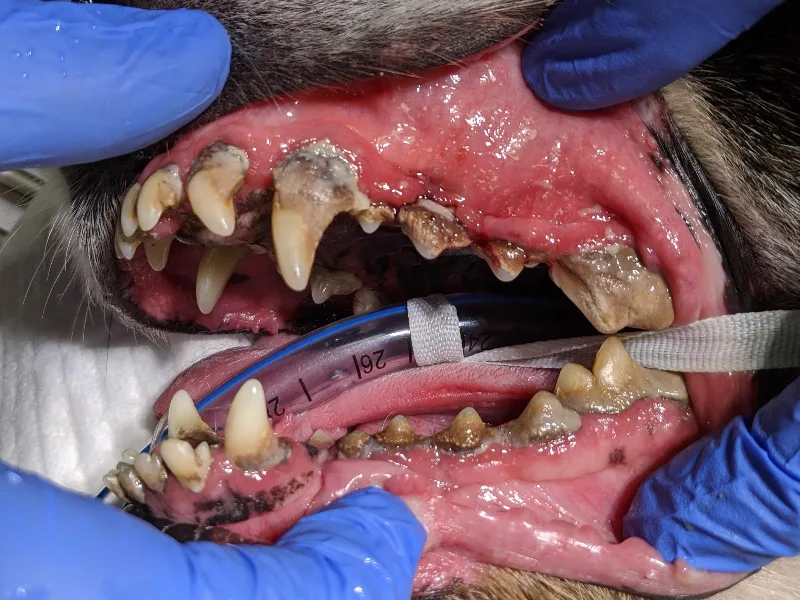
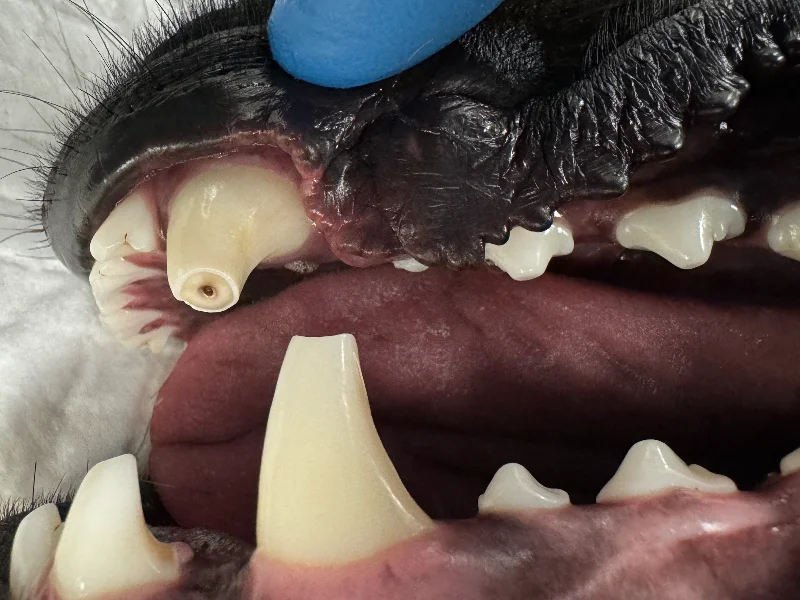
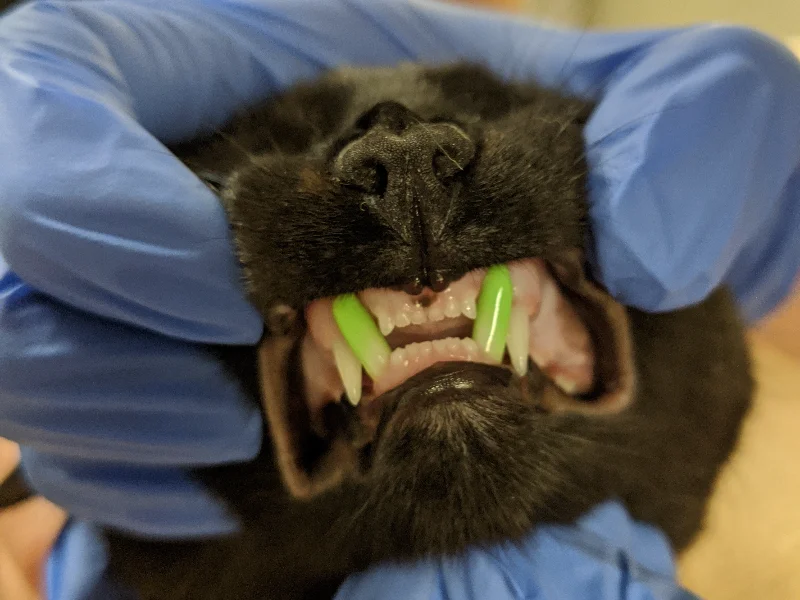
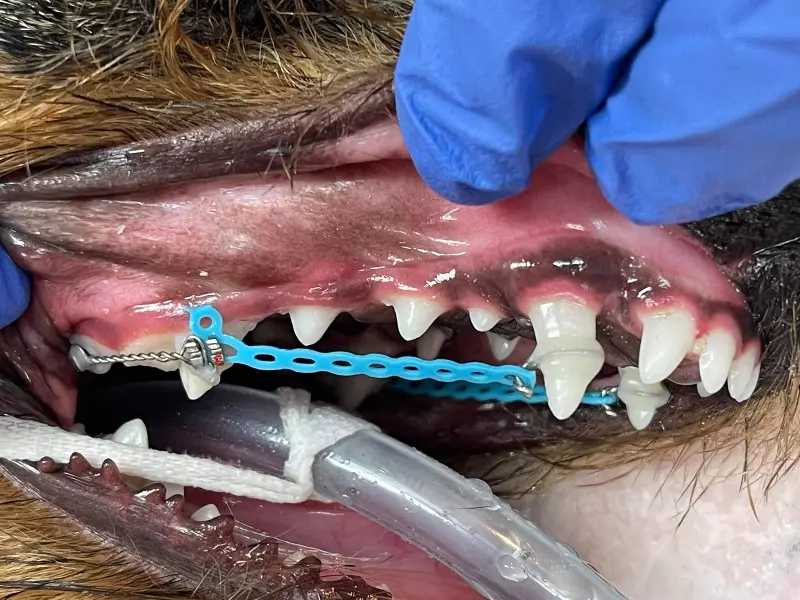
Veterinary dental examination showing a dog's upper jaw and gum tissue during an oral procedure.

Sometimes small defects create big problems. And this is frequently the case when it comes to oronasal fistulas in dogs and other pets. They may appear deceptively minor, yet significant underlying damage has already been done. It’s also one of those conditions that may not be discovered for months and can even be dismissed as a chronic nasal issue after countless tests and thousands of dollars spent by the concerned, devoted owner.

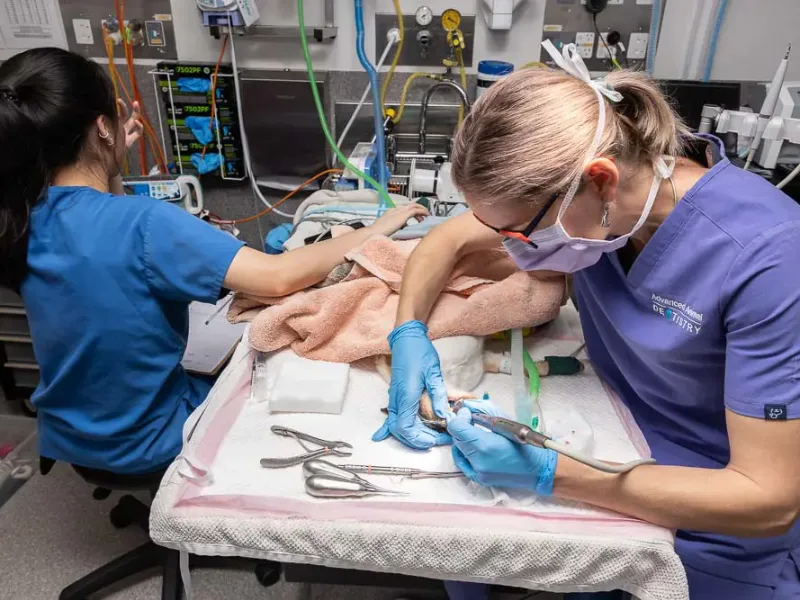
At Advanced Animal Dentistry, we treat a range of complex oral conditions, including oronasal fistulas. Over the years, we’ve seen how easily these cases can become complicated, particularly where there has already been breakdown, inflammation or ongoing disease. Successful repair relies heavily on surgical planning, tissue handling and timing.

Why do oronasal fistulas get overlooked so often?

Ultimately, it’s because the typical clinical signs do not automatically point towards a dental issue. Many patients first present with nasal symptoms like discharge, sneezing and general “snotty” complaints, and by that point, the fistula may already have been there for months. The signs can be intermittent and mild, which makes them easy to overlook. Often, they do not become more persistent until food, debris or infection begins packing into the defect and a secondary nasal infection develops.

Additionally, the severity of the symptoms does not always correlate with the size of the defect. Some larger fistulas can actually be less symptomatic because debris passes through more freely, whereas smaller defects trap that material and create more irritation.

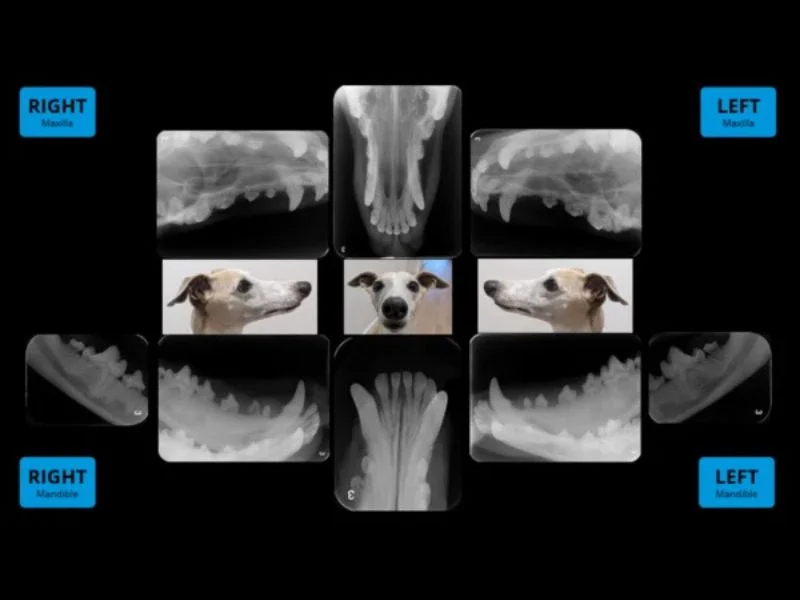
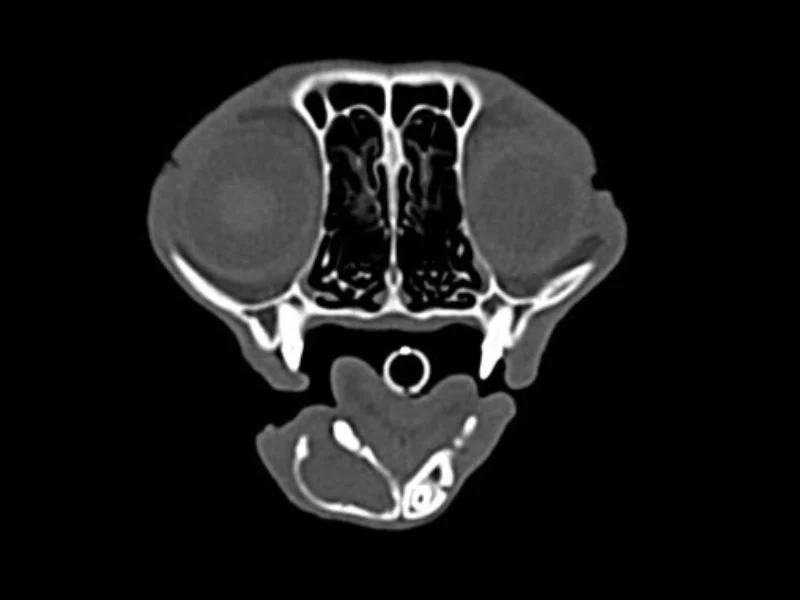
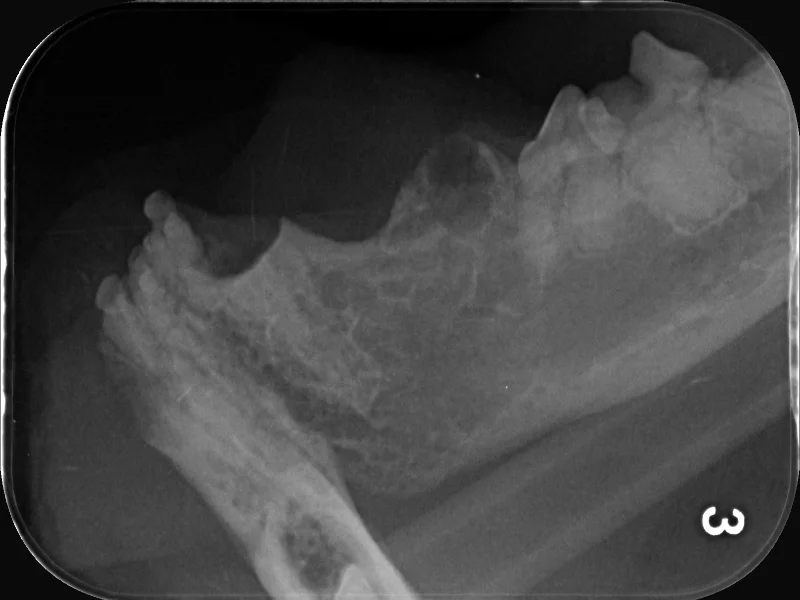
Diagnosis is also complicated. Upper canine fistulas are frequently missed on visual examination and even on dental radiographs because they can appear relatively normal. A tooth may look fairly clean, without dramatic root exposure, and many are only identified through probing and thorough oral examination. As a result, some patients can undergo prolonged investigation before the underlying issue is recognised.

Who’s most at risk?

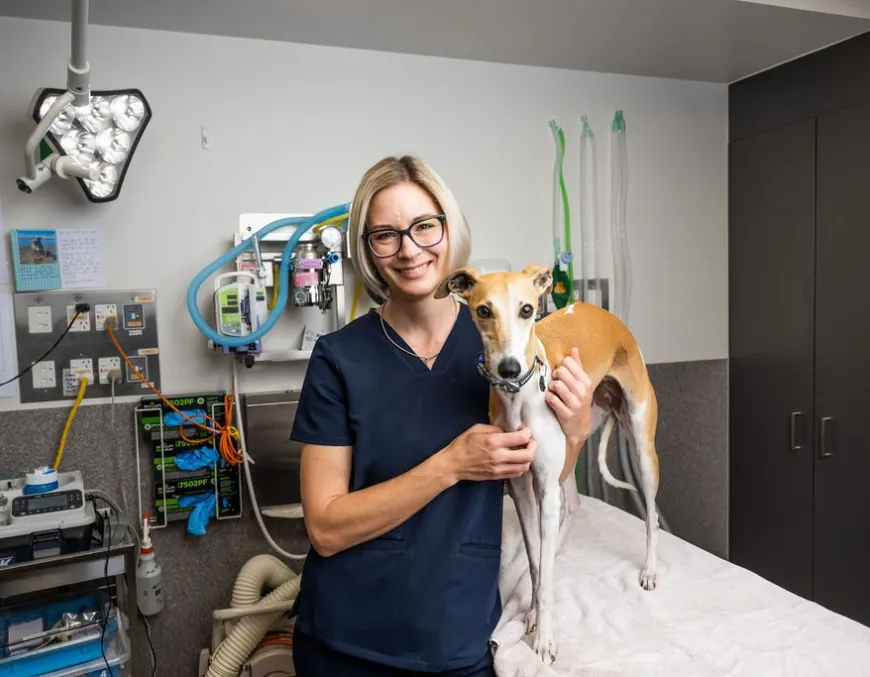
While dogs of any breed can be affected, there is a much higher prevalence among smaller breeds, particularly dolichocephalics such as Dachshunds, toy breeds and sighthounds. This is due to their fine-faced, long-nosed anatomy. Breed matters here because a higher predisposition should raise suspicion for an oronasal fistula when a dog presents with nasal signs.

Why oronasal fistula repair is more intricate than it seems

Oronasal fistula repair might seem straightforward, but that’s a bit of a misconception. In reality, these cases can become far more involved once surgery begins. The defect in the bone is often much larger than first expected, particularly once the tooth has been removed and the area is properly explored. A flap that may have initially seemed adequate can quickly prove too small to fully cover the defect.

Tissue quality is another major factor. On many occasions, the surrounding tissue is already inflamed, diseased, scarred or extremely thin, especially where the fistula has been present for a long time or there has already been a failed repair attempt. This can significantly increase the risk of breakdown and often means more tissue needs to be removed before closure can even be tried. As a result, creating a larger flap than anticipated is often necessary to achieve proper coverage.

The success of surgical repair is also heavily dependent on surgical principles. Closure must be genuinely tension-free, meaning the flap should fully cover the defect and remain in place before sutures are even put in. This can differ from how tension is interpreted in other forms of surgery, and is one of the reasons these repairs can break down so easily if flap design and preparation are insufficient.

Careful tissue handling is critical, as is preparing the entire defect rather than focusing only on the visible opening. Tissue can invaginate into the nasal cavity around the edges of the fistula, and if that is not properly addressed, the repair is far more likely to fail.

Why the first repair attempt matters the most

The first repair gives you the best chance of success. If it breaks down, every attempt after that becomes harder because the tissue has already been inflamed, disrupted and left to heal imperfectly. That means there is often less good-quality tissue to work with, while scar tissue can make closure more difficult. Revision repairs also tend to require going bigger than expected, particularly in flap size and tissue mobilisation. Sneezing itself can then place repeated pressure on the repair site, as the flap is effectively acting as a thin barrier between the oral and nasal cavities.

Timing is also crucial. When a repair breaks down, it can be a very natural instinct to go straight back in and fix it. However, repeatedly operating on inflamed and disrupted tissue often compromises healing further. At Advanced Animal Dentistry, we actually recommend waiting six to eight weeks to allow the tissue time to settle, reorganise and become healthier before attempting another repair.

This is often the stage where a second opinion or referral becomes worth discussing, particularly if the repair is far more extensive than first expected.

Long-term consequences of delayed or unsuccessful treatment

One of the biggest issues with delayed treatment is that these fistulas rarely stay static. Over time, food, debris and bacteria can continue passing into the nasal cavity, contributing to chronic infection and ongoing inflammation. In some patients, this can progress into secondary respiratory complications, including coughing and postnasal drip.

Long-standing fistulas can also permanently affect the internal nasal structures. Even after successful closure, some dogs may continue to experience intermittent sneezing or discharge due to the changes that have already occurred within the nasal cavity.

Postoperative management can also make a significant difference to healing. This is one of the few situations where we would recommend an E-collar, as even small amounts of hair or debris becoming trapped within the repair site can interfere with closure and contribute to breakdown.

More than just a nasal issue

Oronasal fistulas are sneaky little defects that can remain hidden long enough to cause major problems and discomfort. They should always be considered when predisposed breeds present with ongoing nasal symptoms. And while many experienced vets are able to repair them surgically, these cases can become far more complicated than they first appear.

Successful closure requires the clinician to be comfortable with oral surgery principles like creating larger flaps, releasing tension properly and handling tissue with care. It involves far more than simply covering the visible opening with a few stitches.

If you’d like to discuss a patient with an oronasal fistula, whether for a second opinion, consultation or referral, the team at Advanced Animal Dentistry is always happy to help. You can also complete the referral form here.

Next steps

For Pet Owners

Are you concerned about your pet’s dental health? Call 1300 866 848 or fill out the contact form. We’ll coordinate with your primary vet to ensure the best outcome.

For Vets & Nurses

We’re here to help. If you’d like to refer a patient, please call us at 1300 866 848 , complete the referral form or email us with a brief case summary, relevant radiographs and lab results.

For advice and treatment guidance, email us with a brief case summary, relevant radiographs and lab results.


Refer a Patient Contact Us

Specialist Veterinary Dental Services

A comprehensive range of dental and oral surgery treatments.

Contact Us    refer a patient

Removing complex teeth safely and with minimal impact.

Preserving teeth by cleaning and sterilising infected pulp chambers

Precise management for intricate anaesthetics, enhancing safety

Preserving teeth that have damaged pulp through trauma

Detailed imaging with Dental X-rays and CT scans for accurate diagnosis

Cleaning pockets of plaque and tartar, promoting oral health

Performing expert, precise surgical procedures for oral issues

Restoring function and alignment with expert diagnosis and repair.