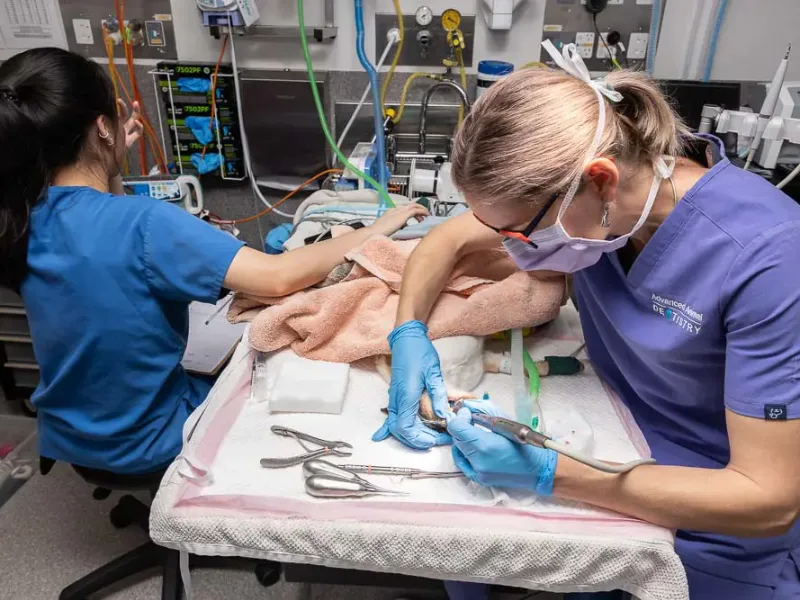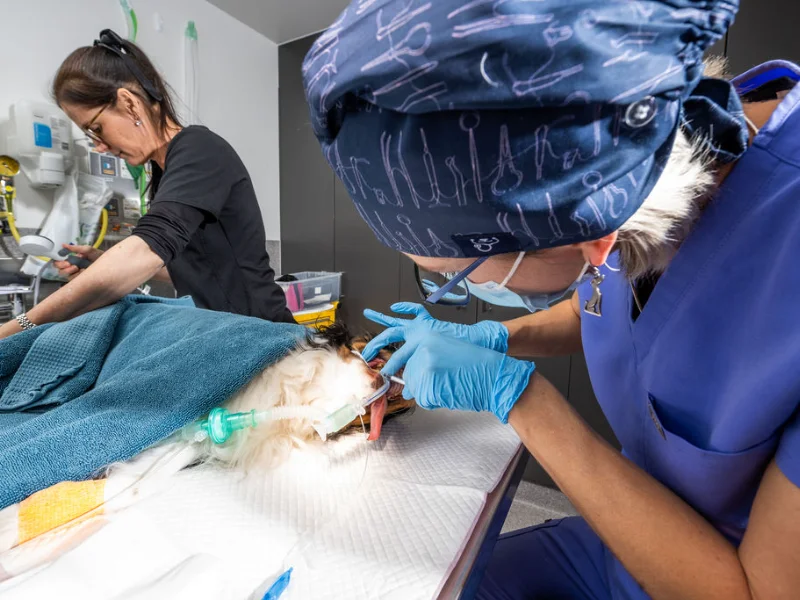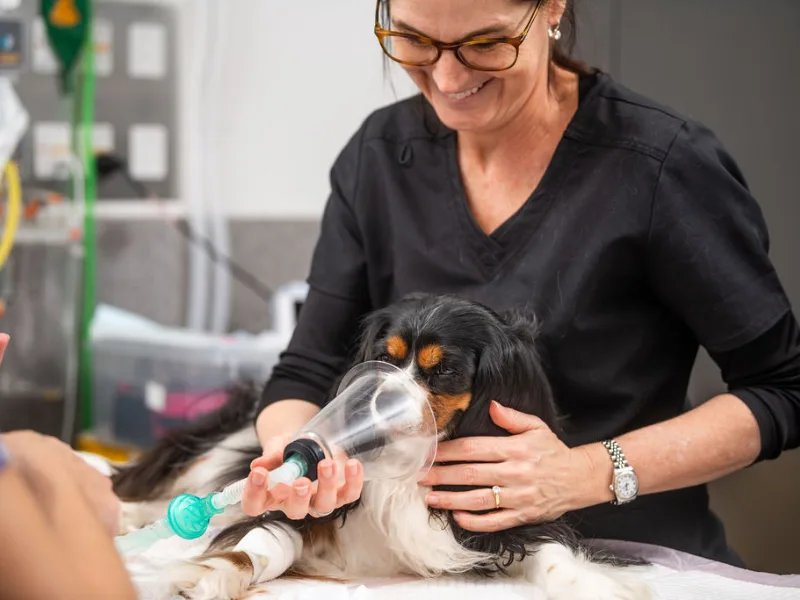
We assess each patient individually, considering their health history, age and any concurrent medical conditions, to tailor the anaesthetic approach to their specific needs.
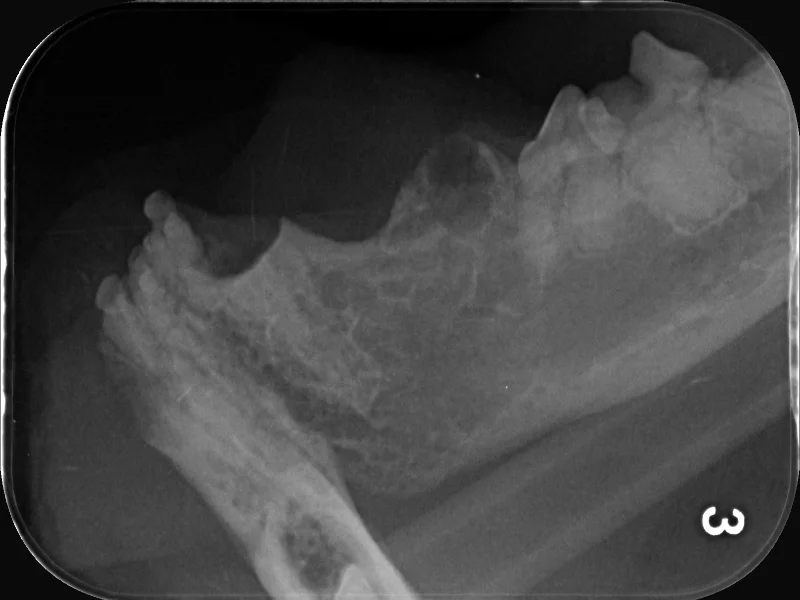
Not every veterinary dental presentation announces how it should best be managed, even when the pathology is clear. There is a difference between something that can be treated and something that is straightforward. In more complex cases, uncertainty around clinical decision-making can affect treatment planning and whether referral is the right next step.
At Advanced Animal Dentistry, we treat a wide range of dental conditions in pets across Brisbane and the Gold Coast. While many of them can be well managed in a general practice setting, the need for further care is not always defined by the diagnosis alone. It can also depend on practitioner experience, comfort with the procedure and the resources available within the clinic.
“In veterinary dental care, the most appropriate decision often depends more on context than diagnosis alone.”
Common dental conditions in pets that are often seen too late
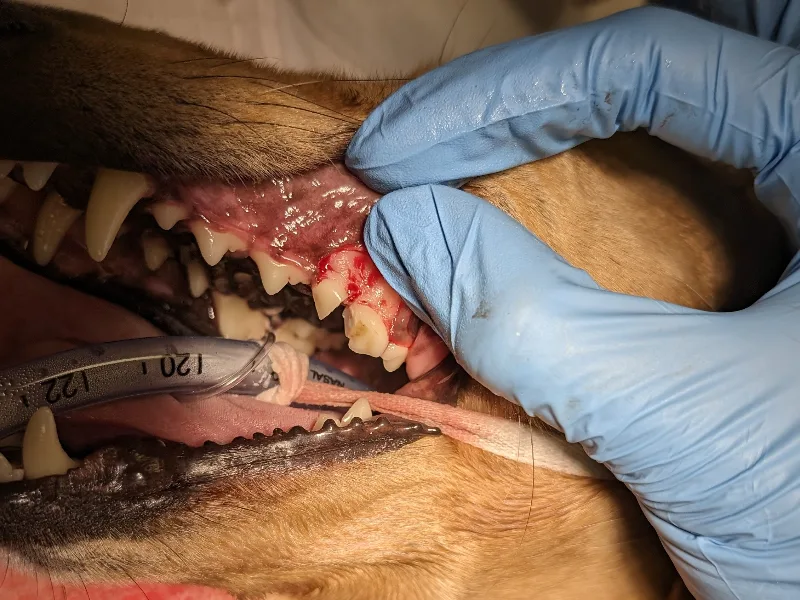
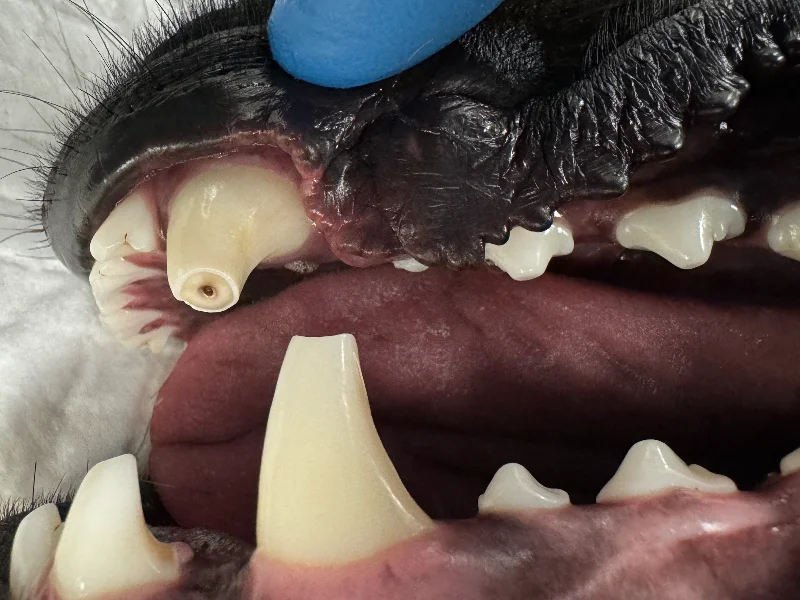
Because dental disease often progresses without obvious signs, many conditions are only identified once they have already advanced beyond earlier treatment stages. Fractured teeth are a common example. In numerous patients, a fracture is not picked up until infection, draining tracts or resorptive changes are already present. At that point, options such as root canal therapy may no longer be suitable. Extraction is often the most predictable outcome.
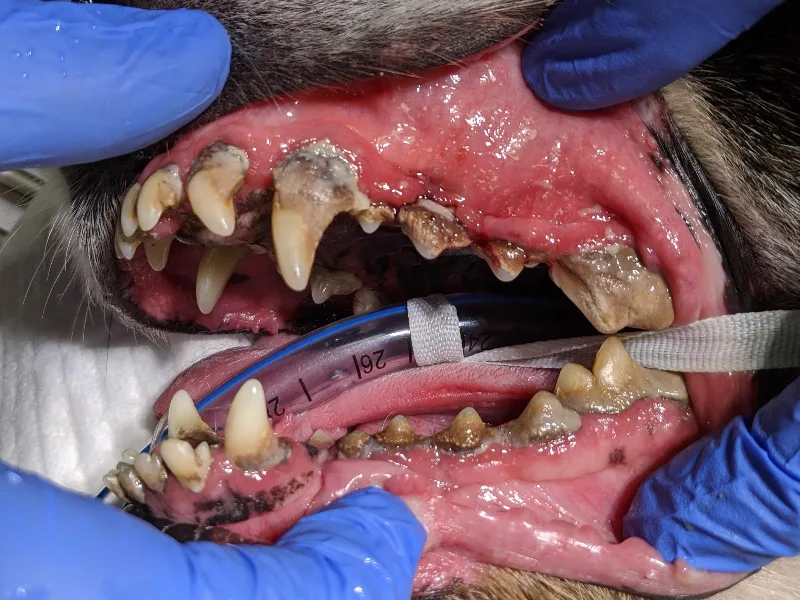
Periodontal disease follows a similar pattern, although it is often less apparent. It can be easy to miss or downplay, particularly when so many pets just continue to eat normally. Eventually, this can result in more extensive disease that may require multiple extractions rather than a more conservative approach.
One of the more challenging aspects of dental care is that clinical signs are not always reliable indicators of severity. Pets can maintain their normal behaviour even in the presence of significant oral pain. When presentation is delayed, it can have a real impact on decision-making, which ultimately affects the treatment options available.
Why veterinary dental decision-making is rarely straightforward
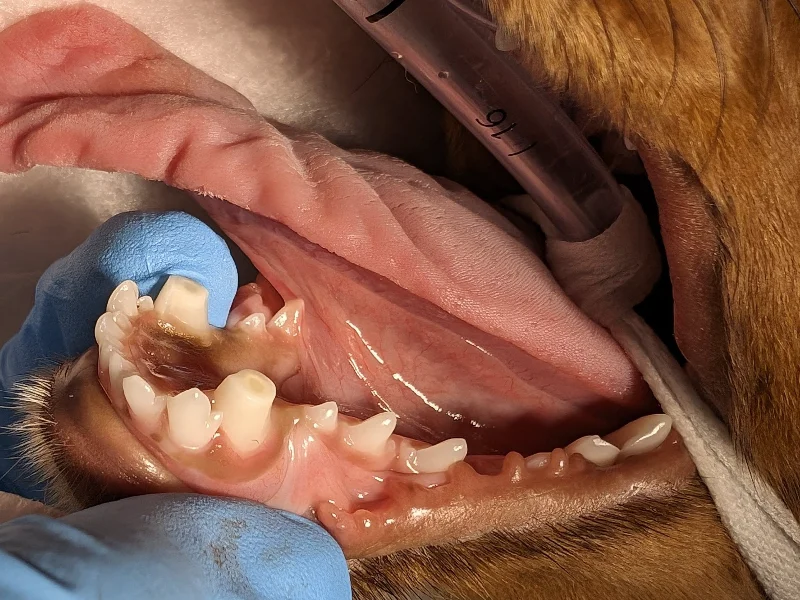
A diagnosis is only one part of the picture. Two patients can present with exactly the same condition and still require very different decisions depending on the circumstances. A fractured tooth in a young, otherwise healthy dog may be a candidate for preservation, while in an adult or senior dog, the same tooth may already be beyond saving by the time it is assessed.
This is where it becomes less about the diagnosis and more about context. What is seen on the exam is only part of it. Disease extent, other health issues and how the animal will handle treatment all need to be considered. In many situations, there is no single right answer, just the most appropriate option for that situation.
What happens after the procedure matters too. Some treatment options rely on follow-up care, ongoing monitoring or staged work, and that will not always be suitable from a financial or welfare perspective. Owner expectations and capacity for ongoing care can also determine what is realistic, or whether a more definitive option is more appropriate.
How experience and confidence influence dental care decisions
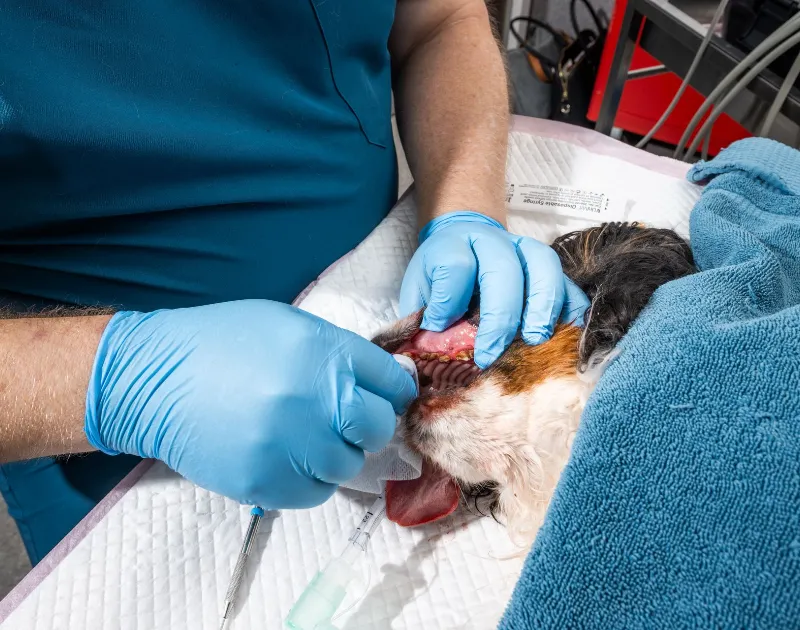
There is a wide range in how dental procedures are handled, and much of that comes down to individual clinical experience and confidence. What one clinician is comfortable doing regularly may be something another avoids or delays, particularly where there is concern about complications. This is where a grey area can arise. Treatment may appear straightforward on the surface, but still becomes more involved than first expected once it is underway.
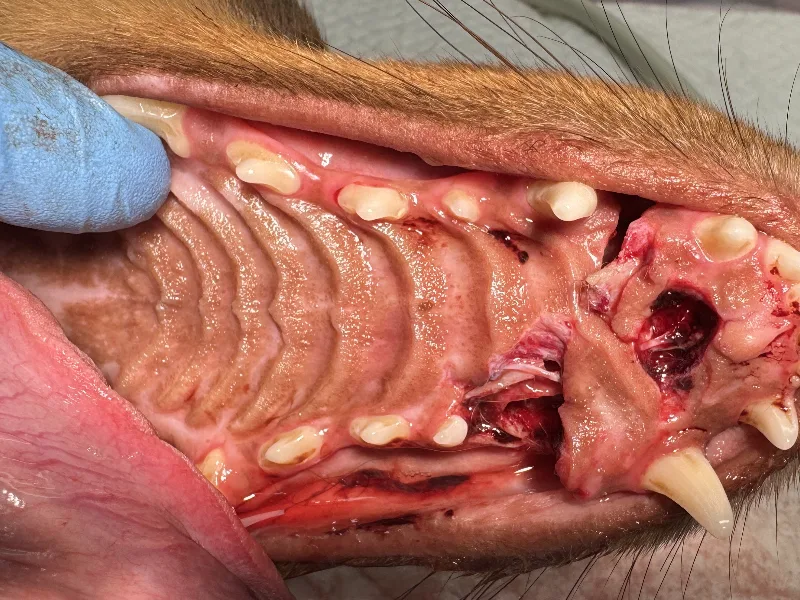
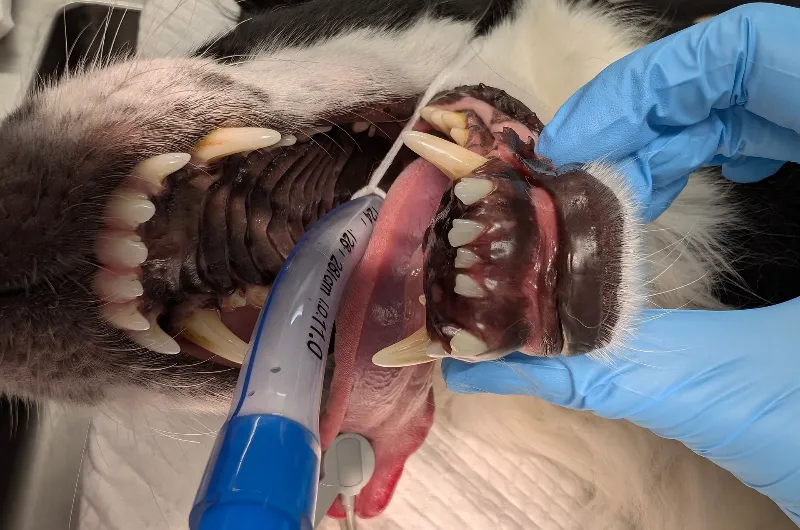
Lower canine extractions are a good example. They are often delayed due to the risk of jaw fracture, even when they are indicated. The same applies to conditions like oronasal fistulas, where outcomes rely heavily on technique and execution.
These are not rare cases, but their difficulty can vary significantly depending on anatomy and severity.
Dentistry is a little different from other areas of general veterinary practice. Even with a strong surgical background, it does not always translate directly to feeling comfortable with oral procedures. The techniques involved are quite specific and are built through experience. It is also an area where there can be a gap between understanding something in theory and applying it in practice, which often becomes clearer with hands-on exposure.
Where referral may come into the conversation
If at any point you’re concerned or unsure about a particular case and are even considering referral, it is usually for a reason. Whether that’s because it’s entering unfamiliar territory, or it’s something you’re not comfortable with, or may require a different level of input. In those situations, referral can open up access to additional support and resources beyond what is immediately available.
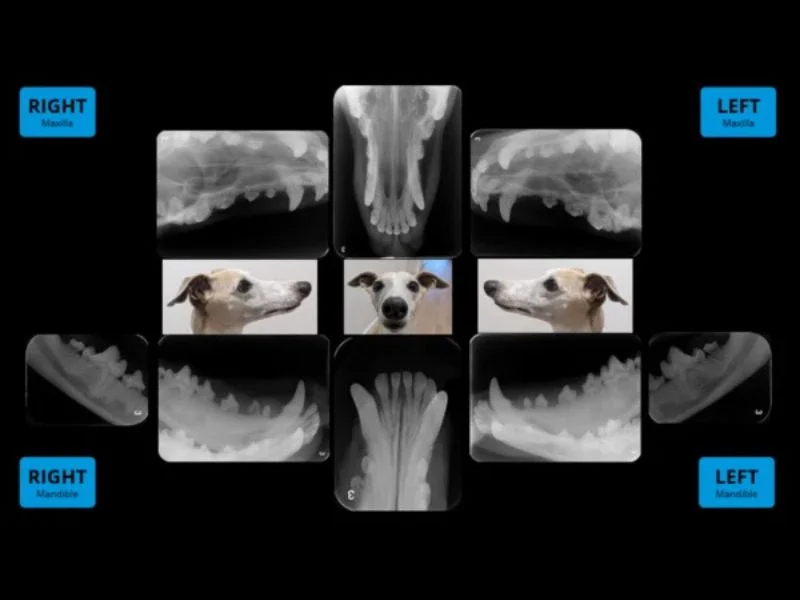
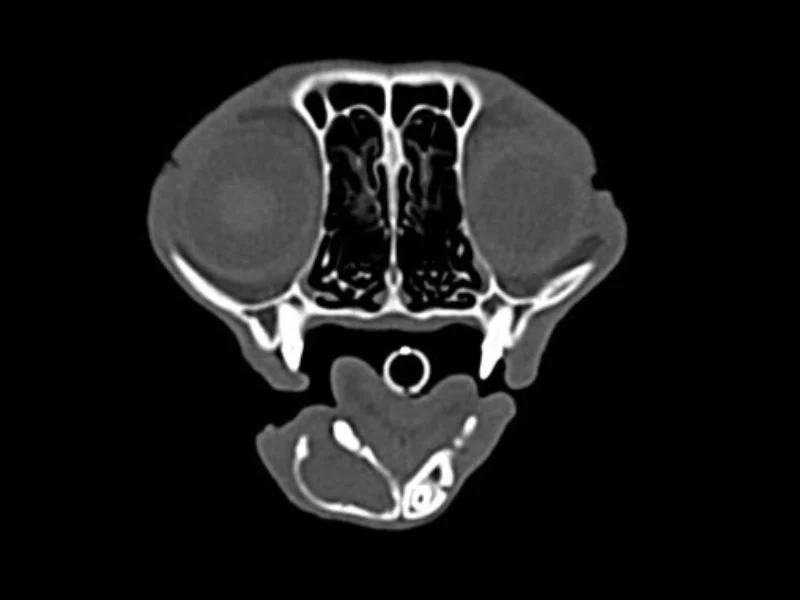
Referral can also change what is possible within a single procedure. With access to specialised equipment, imaging and facilities, some presentations can be addressed more comprehensively rather than across multiple visits. In certain situations, this can reduce the need for repeated anaesthetic events and shorten the overall process for both the patient and owner.
Sometimes, referral is left out of the initial discussion when there is an assumption that the owner may not want to pursue it or may be put off by the cost. In reality, many owners are far more open to it than expected and are often surprised that the expense is not as much as they thought.
“Referral is not a last resort, but a considered step towards providing the most suitable care for each patient.”
Where clinical judgement matters
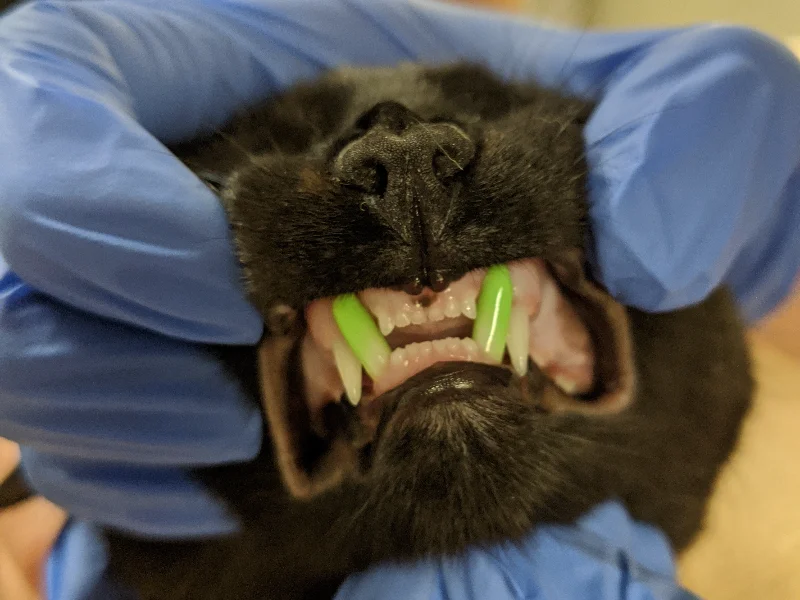
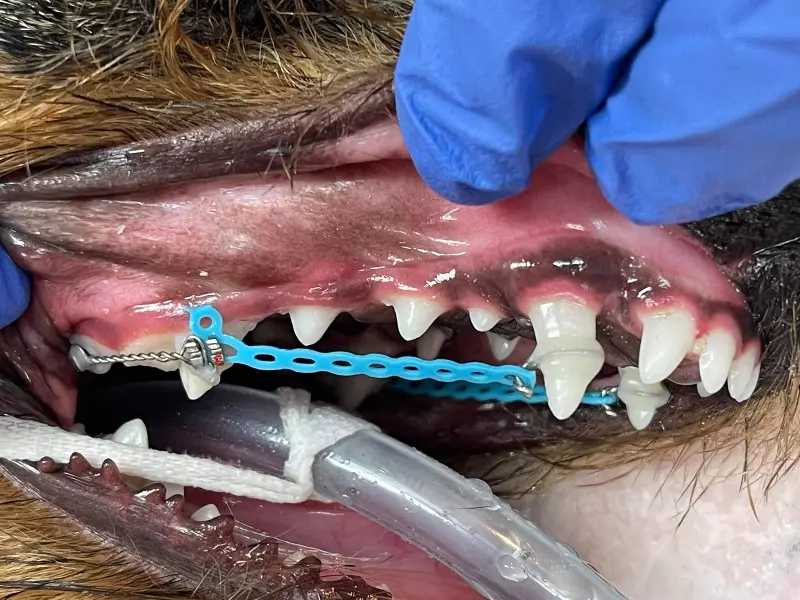
Referring complex veterinary dental conditions is part of providing thorough, considered care and doesn’t have to be viewed as a last resort. Whether it is a dental fracture, advanced periodontal disease, malocclusion, jaw fracture or an oronasal fistula, the condition itself does not always determine the path forward. Some can be addressed within general practice, while others may benefit from a second opinion or additional support.
The best approach is to have open conversations with owners about the full range of available options.
If you’re considering referring a pet for a dental condition, the team at Advanced Animal Dentistry, including a veterinary dental specialist, is always available to discuss the case and offer guidance. You can also complete the referral form here.