
Extractions

Dental extractions are a common and necessary procedure in veterinary dentistry. Many teeth are extracted due to advanced dental issues or as a quick resolution to problems affecting the patient. In some cases, extraction is the only viable treatment option.

Procedure & impact on eating habits

Extractions in dogs and cats are conducted under general anesthesia, with local anesthesia to enhance pain management. Dental forceps and elevators are used to carefully break down the periodontal ligament that attaches the tooth root to the jaw bone. Multi-rooted teeth may be sectioned into pieces with one root each, allowing for a more precise and minimally invasive extraction.

Unlike in humans, the loss of one or multiple teeth in dogs and cats has minimal impact on their ability to eat. These animals primarily use their large canine teeth for killing prey and slicing food with their premolars and molars. Most pets swallow larger portions of food whole, so tooth loss generally does not affect their eating habits.

“Tooth extractions often uncover pain your pet has been silently living with — relief begins the moment the damaged tooth is removed.”
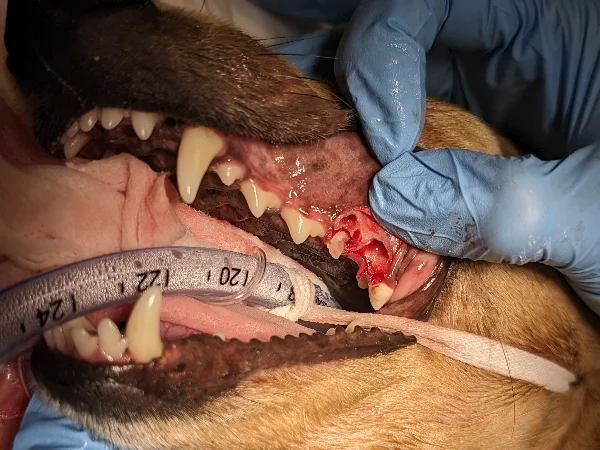
Concerns & healing post extraction

Concerns about changes in facial shape after tooth extraction are generally minimal and often go unnoticed. While some small, older dogs may show subtle changes, the overall impact is rarely significant, as facial hair in dogs and cats tends to mask any minor alterations.

Extraction sites typically heal quickly. Postoperative care includes dietary adjustments to promote healing. Surprisingly, soft or sticky food is not recommended, as it can be problematic for healing sockets or adhering to stitches. Continuing with dry kibble, dog roll diced into cubes or transitioning to cut-up pieces of meat is usually beneficial for most patients.

“Healthy teeth and gums protect more than your pet’s smile — they support their comfort, confidence and long-term wellbeing.”

Expected outcome following extractions

After the extraction of problematic teeth and proper healing, dogs and cats usually adapt well and continue to lead happy and comfortable lives.

Regular dental care, including professional cleanings and preventive measures, can contribute to overall oral health and reduce the need for extractions.

Meet the Author

Aaron Forsayeth

BVSc (Hons) MACVSc (Veterinary Dentistry)

Hi, I’m Dr Aaron Forsayeth, and I’ve had quite the journey in veterinary medicine. Originally, I never imagined myself pursuing dentistry.
I spent my initial years in general practice until a chance meeting with Dr Gary Wilson changed my career path. He inspired me to explore veterinary dentistry, and together, we co-founded Advanced Animal Dentistry in 2006. It’s ironic, considering I used to dread dental procedures, but with the right knowledge and skills, it became a passion that I absolutely love to this day.

FAQs

Why would my pet need a tooth extraction?

Tooth extractions are recommended when a tooth is fractured, infected, loose or affected by advanced periodontal disease. 

How is a tooth extraction performed in dogs and cats?

Extractions are carried out under general anaesthesia, allowing the veterinarian to safely remove damaged teeth and clean the area thoroughly.

Will my pet be in pain after a tooth extraction?

Mild discomfort is normal, but pain is well-managed using medications and proper aftercare. After the extraction, dogs and cats usually adapt well and continue to lead happy and comfortable lives. Regular dental care, including professional cleanings and preventive measures, can contribute to overall oral health and reduce the need for extractions.

How long is the recovery period after a tooth extraction?

Most pets recover within a few days, though healing below the gumline continues for 1–2 weeks.

Can tooth extractions be prevented?

Yes, most can. Regular dental check-ups, professional cleanings and daily home care can reduce the likelihood of needing extractions. Tips for prevention are listed in our Pet Dental Care

Key Takeaways

Tooth Extractions Can Relieve Hidden Pain

Damaged or infected teeth often cause discomfort long before signs appear, making timely extraction important for your pet’s wellbeing.

Untreated Dental Disease Can Affect Overall Health

Infections in the mouth can spread through the bloodstream, placing strain on vital organs if not addressed promptly.

Home Dental Care Reduces the Need for Extractions

Regular brushing, annual cleanings and vet-approved oral products help prevent plaque build-up and protect teeth.

Professional Dental Assessments Detect Problems Early

Routine examinations and X-rays allow vets to identify issues below the gumline, helping avoid advanced disease and complex extractions.

Next steps

For Pet Owners

Are you concerned about your pet’s dental health? Call 1300 866 848 or fill out the contact form. We’ll coordinate with your primary vet to ensure the best outcome.

For Vets & Nurses

We’re here to help. If you’d like to refer a patient, please call us at 1300 866 848 , complete the referral form or email us with a brief case summary, relevant radiographs and lab results.

For advice and treatment guidance, email us with a brief case summary, relevant radiographs and lab results.


Refer a Patient Contact Us

Specialist Veterinary Dental Services

A comprehensive range of dental and oral surgery treatments.

Contact Us    refer a patient

Removing complex teeth safely and with minimal impact.

Preserving teeth by cleaning and sterilising infected pulp chambers

Precise management for intricate anaesthetics, enhancing safety

Preserving teeth that have damaged pulp through trauma

Detailed imaging with Dental X-rays and CT scans for accurate diagnosis

Cleaning pockets of plaque and tartar, promoting oral health

Performing expert, precise surgical procedures for oral issues

Restoring function and alignment with expert diagnosis and repair.