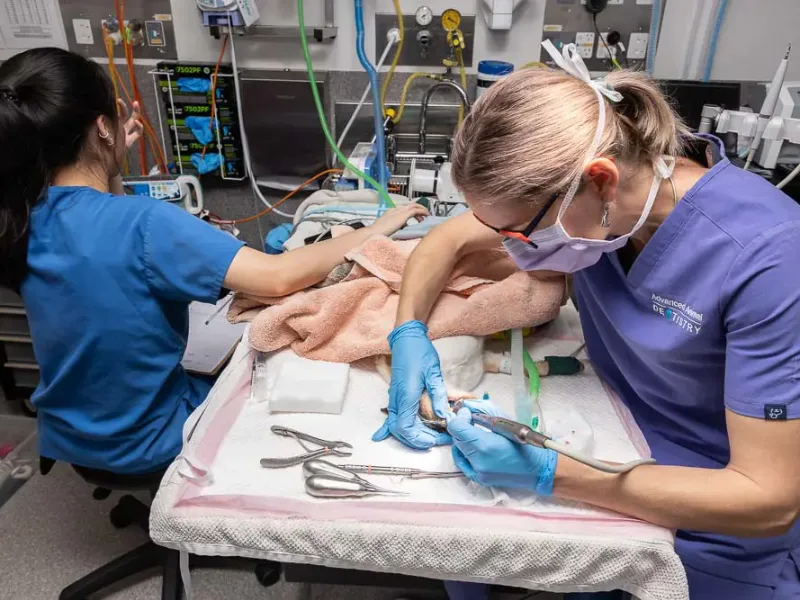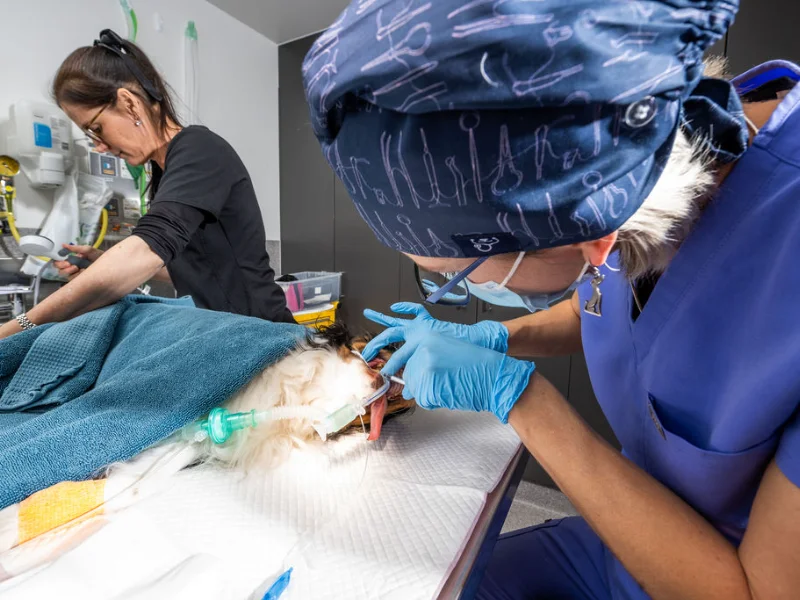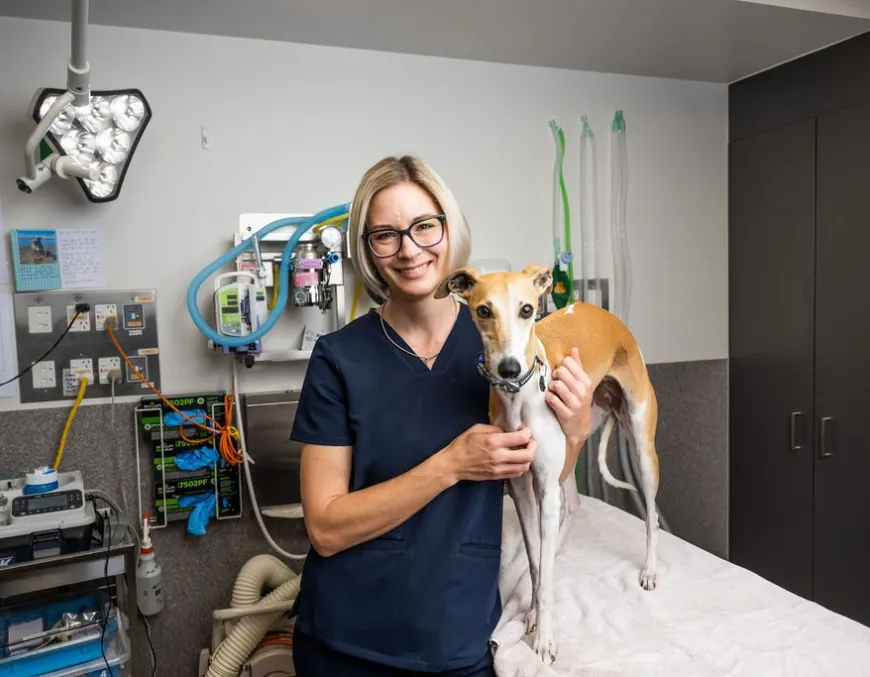

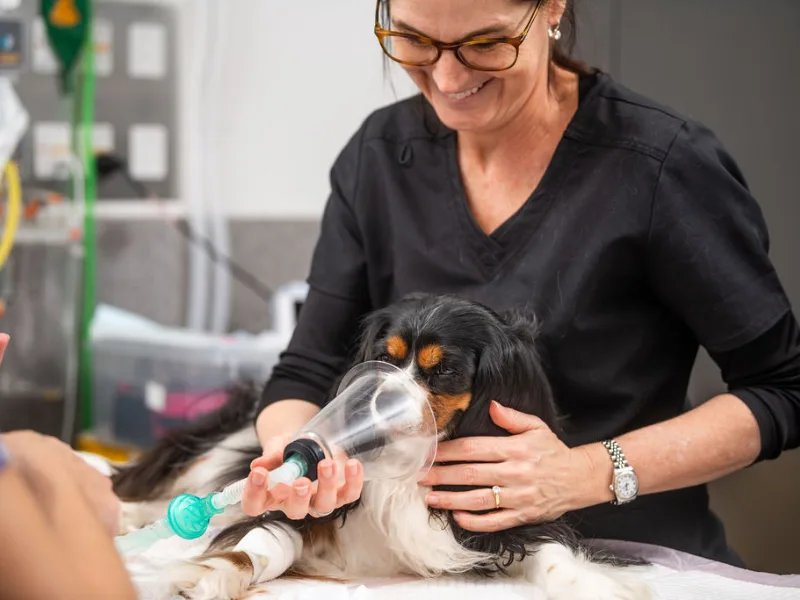
We assess each patient individually, considering their health history, age and any concurrent medical conditions, to tailor the anaesthetic approach to their specific needs.
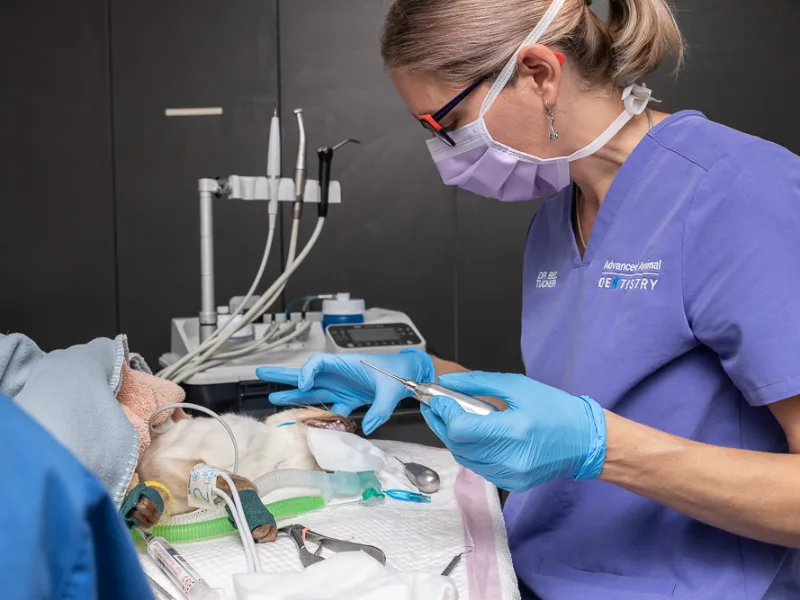
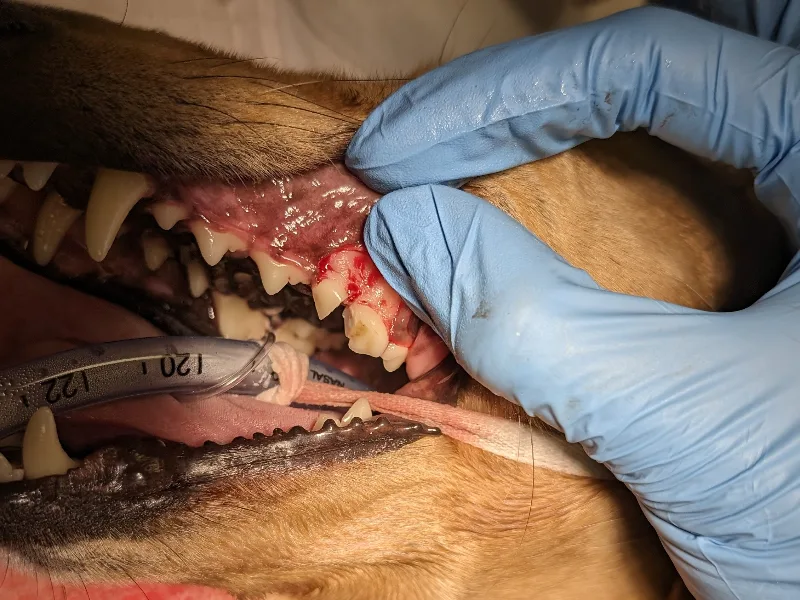
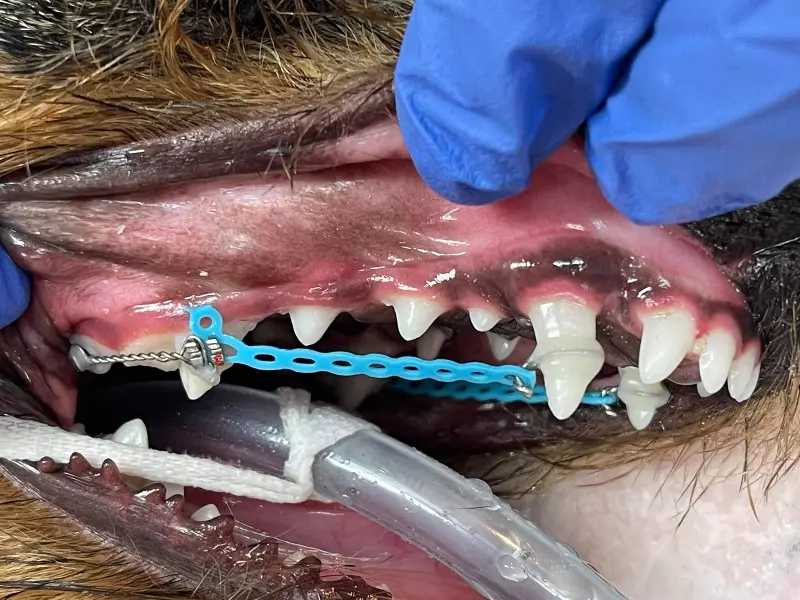
What you can see is only part of what is happening inside a pet’s mouth. And that’s what makes veterinary dentistry such complex work. A thorough preoperative assessment helps us establish the likely treatment plan, while a pet’s age, species and other risk factors can give us a good idea of some of the things we may find. But there are limits to what can be identified with certainty while a pet is conscious, so there is always the possibility that the plan may need to change once a dental procedure begins.
At Advanced Animal Dentistry, we’re dedicated to preserving animal smiles and oral health. Because dentistry is our sole focus, there’s not much that surprises us. But surprises do happen. For pet owners, the important thing to understand is that an adjustment to the treatment doesn’t mean something has gone wrong. Our priority is to respond appropriately to the disease identified and make the best clinical decision for the patient in front of us.
Why the full extent of dental disease may only become clear under anaesthesia
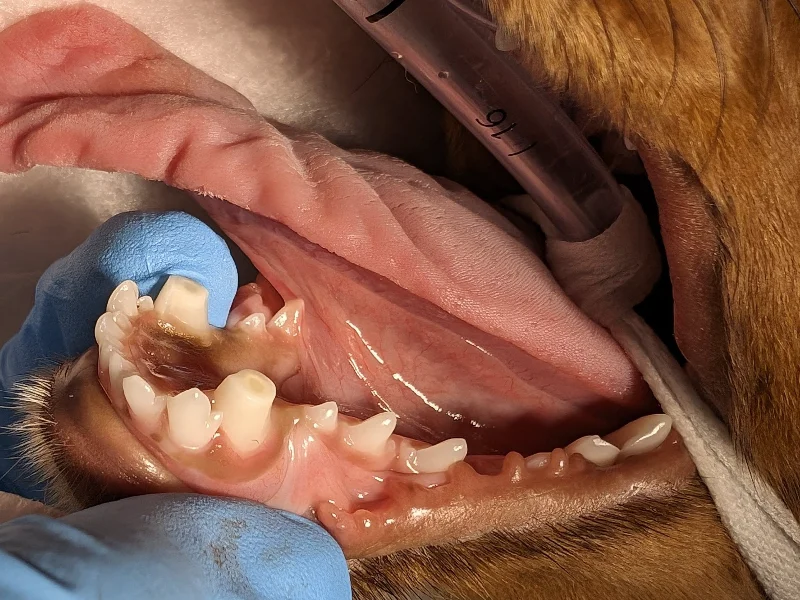
When a pet is awake, they’re typically not cooperative enough to accommodate a comprehensive oral assessment. And even if they were, we still couldn’t see below the gumline. Once safely under anaesthetic, we can examine the entire mouth properly and probe around each tooth. This can reveal periodontal pockets and loss that weren’t apparent on the initial visual inspection. Some things can only be detected by X-ray, but we’ll get to that later.
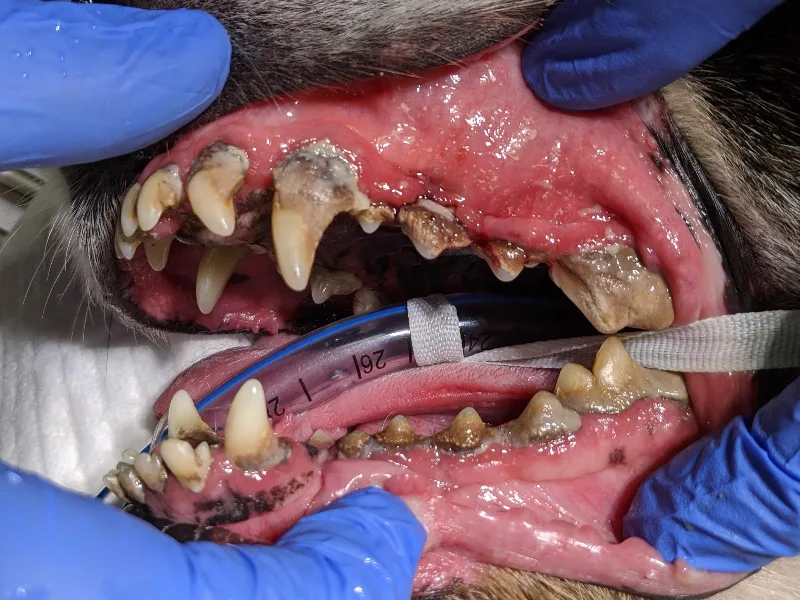
Another thing to keep in mind is that the amount of plaque, calculus or gingivitis we can see before a procedure doesn’t always reflect the severity of periodontal disease underneath. It’s not uncommon for a patient to present with very little visible build-up or inflammation, only for us to find extensive periodontal pocketing and loss once they’re asleep. This is one reason plans can change.
I once saw a patient who had been having regular anaesthesia-free dental cleanings. Cosmetically, they were quite successful. His teeth looked very clean, with little plaque or calculus. In fact, his mouth appeared very healthy. His owner brought him in for a proper check after noticing a change in the way he was eating and a slight smell. Even I didn’t expect to find anything too severe.
It’s lucky his owner picked up on those subtle signs because once the procedure began, the picture was very different. He had extensive periodontal disease and required the extraction of 24 teeth.
While cosmetic cleanings can leave the visible surfaces of the teeth looking good, they can’t give us an accurate view of what is happening below the gumline.
"A tooth can look perfectly healthy above the gumline while significant disease is hidden underneath."
How dental X-rays can change the treatment plan
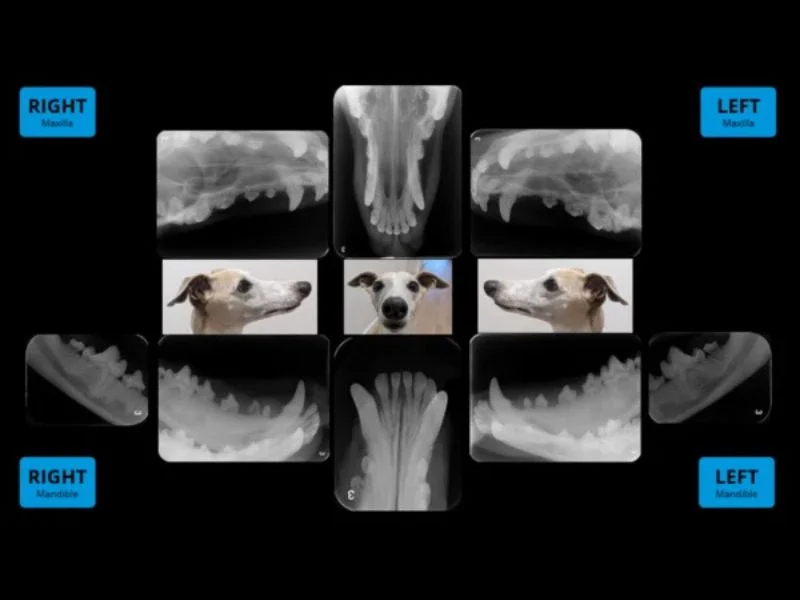
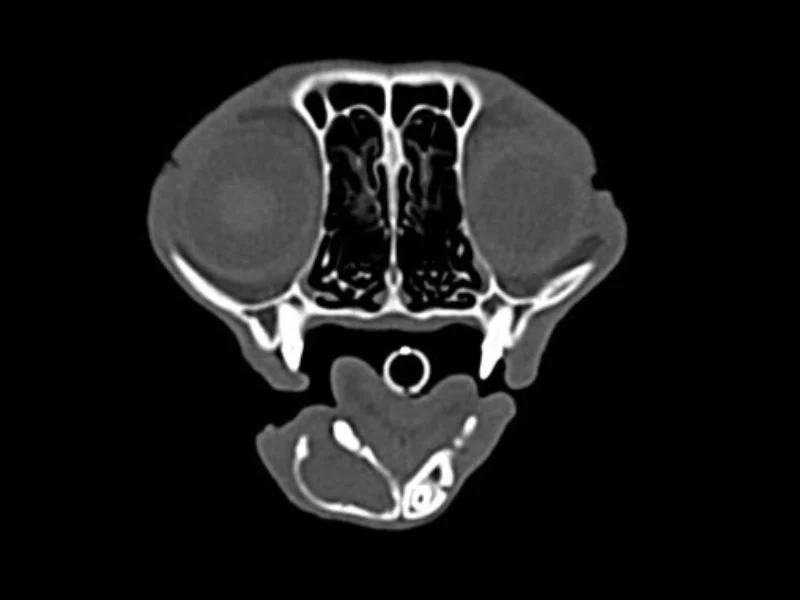
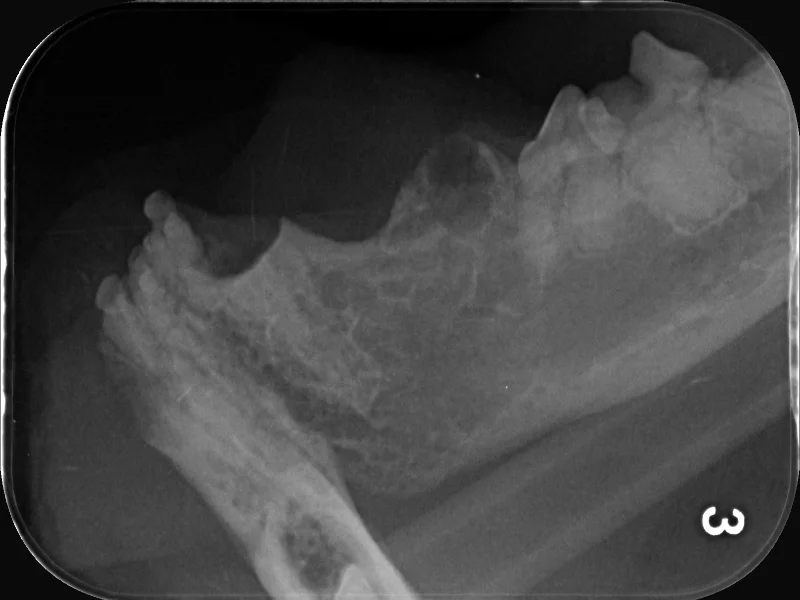
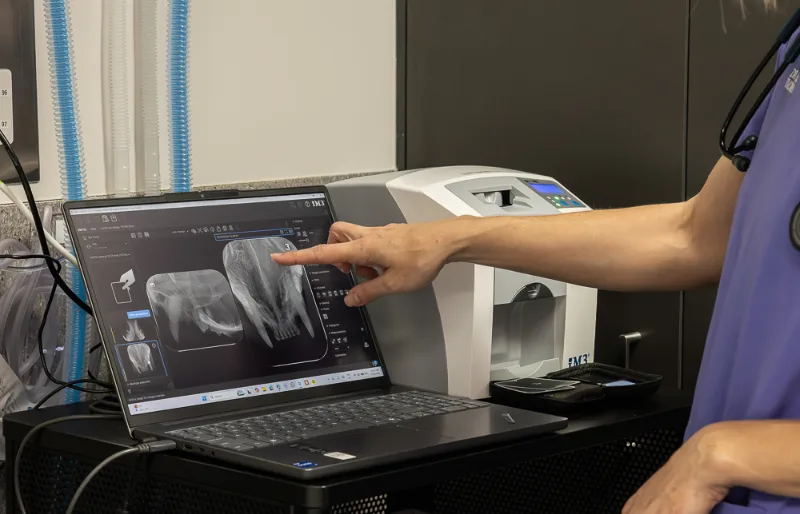
The ability to see beyond what the naked eye can grasp is key to veterinary dentistry. It’s also why dental X-rays can be the source of some of the biggest mid-procedure surprises. As mentioned, a tooth can look perfectly fine while the root or surrounding tissues tell a very different story. And it’s not just periodontal disease. Tooth resorption is another common example. It often begins in the root, so unless it has progressed far enough to affect the visible crown, there may be little, if anything, to see during a conscious exam.
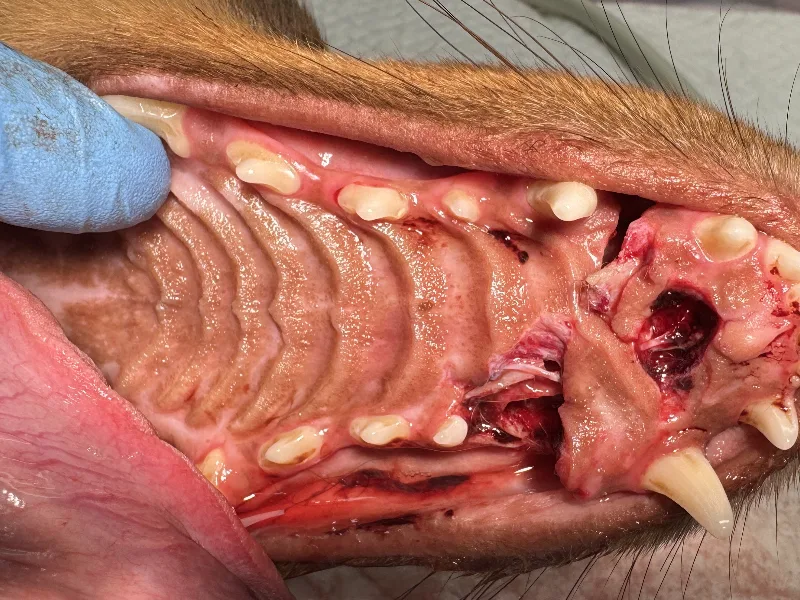
We recently saw just how difficult tooth resorption can be to detect in an older dog. The patient had resorption (as seen on X-ray from the referring vet) affecting around 12 to 15 teeth, but there was nothing visibly wrong with them. Even when we examined his mouth while he was conscious, we couldn’t see anything concerning. With this in mind, it’s understandable that the owner was cautious in proceeding with treatment. But once we were able to investigate further, we found that some of the crowns were completely detached from their roots, and there was extensive disease.
Additionally, radiographic findings during pet dental procedures can include:
- Endodontic disease, even in teeth that aren’t fractured and appear normal externally.
- Periapical lesions around the roots of affected teeth, often without obvious swelling or other external signs.
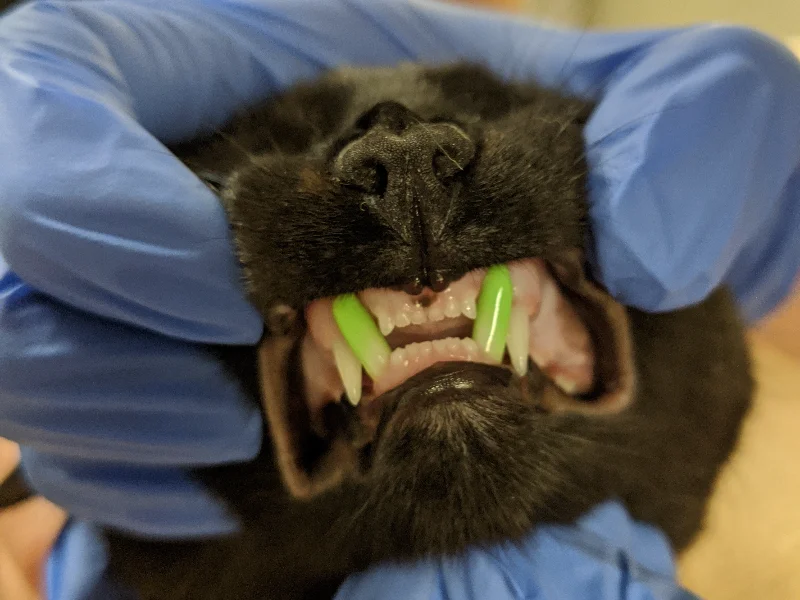
- Impacted teeth and associated cysts where a tooth appears to be missing.
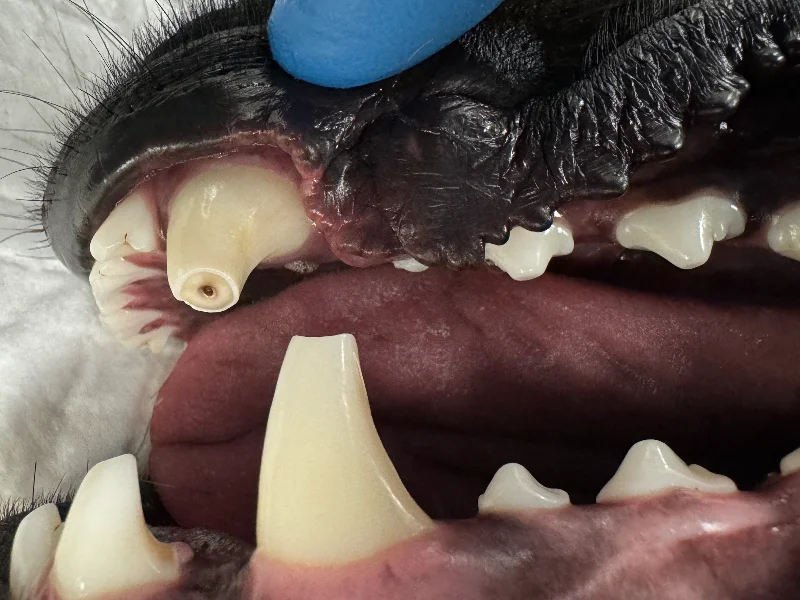
- Malformed teeth that look normal above the gumline but have defects extending into the root canal.
How unexpected findings are handled during a veterinary dental procedure
For pet owners, the idea that things can change mid-procedure can naturally raise concerns about welfare and cost.
At Advanced Animal Dentistry, we’ve seen all manner of complex cases and just about every ‘surprise’ a mouth can hold. That experience means we know what to anticipate and discuss the possibilities with clients beforehand. For example, we routinely raise the possibility of tooth resorption with owners of older cats, Staffies, Golden Retrievers and terriers. If a pet has missing teeth, we’ll discuss the possibility of impaction or cysts.
In the very rare circumstance where something goes well beyond the estimate, expected extent of surgery or what was covered in our earlier discussions, we’ll call the owner during the procedure. We’ll explain what’s happening, discuss the options and advise on treatment.
Why treating newly identified dental disease during the same anaesthetic is preferred
When dental disease is identified during a procedure, whether expected or not, it’s best to address it during the same anaesthetic where possible, to avoid another procedure and relieve discomfort sooner. There are, however, genuine reasons this may not be appropriate. In general practice, a finding may require advanced dental treatment and referral, while anaesthetic complications or concerns about procedure length may mean further treatment is better addressed at another time.
Some conditions can actually become more painful after a thorough dental cleaning and assessment. Tooth resorption is a good example. Once plaque and calculus are removed, affected areas can be exposed, leaving them more sensitive or painful than before.
Ultimately, pets can’t tell us when something hurts. So we need to treat identified dental disease as potentially painful and provide relief as soon as possible.
"When dental disease is identified, treating it during the same anaesthetic can prevent another procedure and relieve discomfort sooner."
Planning well and adapting when needed
It’s not unusual for plans to change a little once a pet dental procedure begins. But many of those changes can be anticipated, and when something unexpected does arise, thorough diagnostics, experience and good communication help us make the right call for the patient.
For pet owners, if your pet has an upcoming dental procedure and you have questions about what could be found or how decisions are made during treatment, please contact our team. We’re always happy to talk things through.
For veterinary professionals, we’re available to help with complex dental cases, advanced assessment and treatment. You can refer a patient here.