

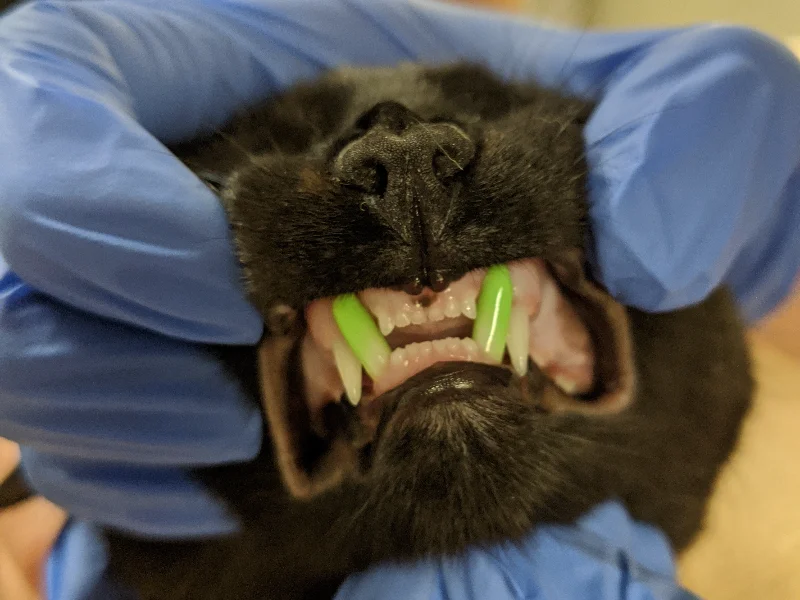
Orthodontic appliances like inclined planes or crown extensions can reposition misaligned canine teeth, preventing trauma and preserving tooth function without altering their shape.
Read MorePet Owner Resources
All
Pet Owner Resources
Vet Resources
Bite Abnormalities
Fractured/Damaged Teeth
Periodontal Disease
Oral Inflammatory Diseases
Other Oral Problems
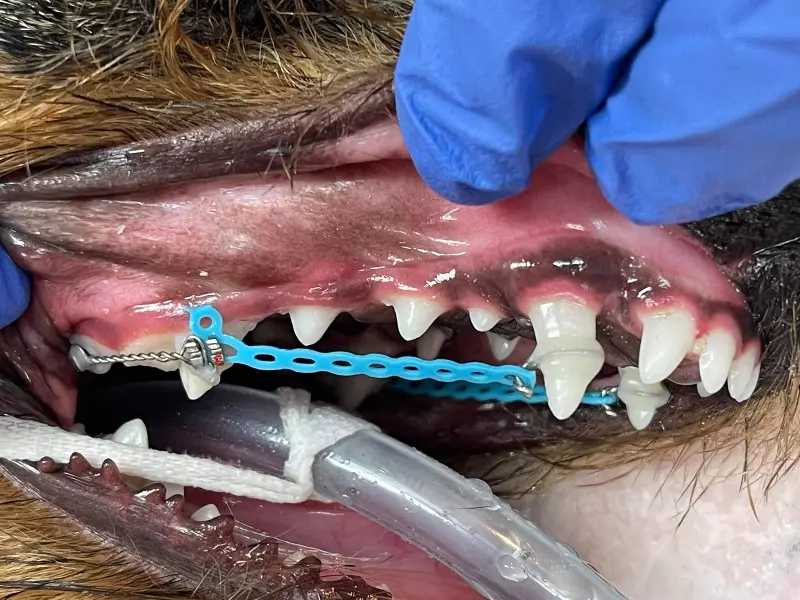
To address mesioverted (‘lanced’ maxillary canine teeth) and manage linguoversion when the maxillary diastema (the space between the third incisor and canine teeth) is too narrow.
Read More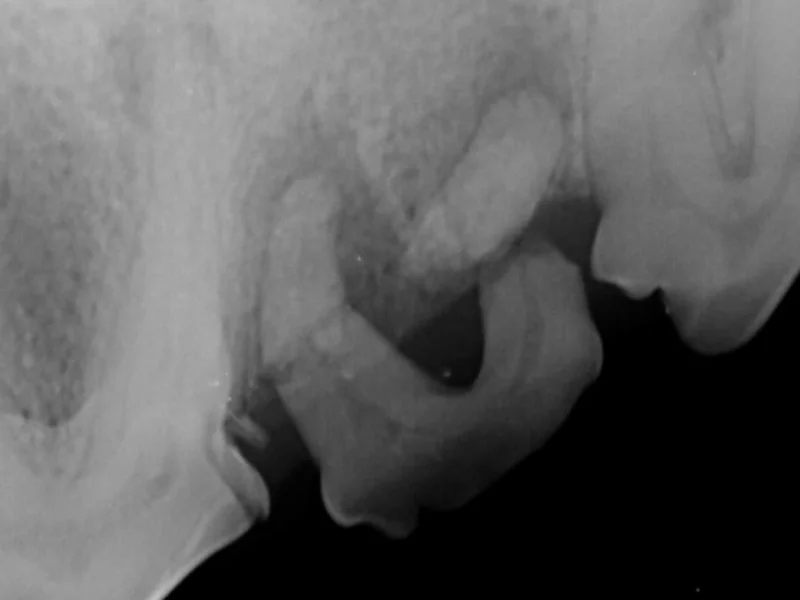
If untreated, injured teeth in pets can lead to painful complications. Prompt evaluation and treatment, including fillings or extractions, are essential to prevent further issues.
Read More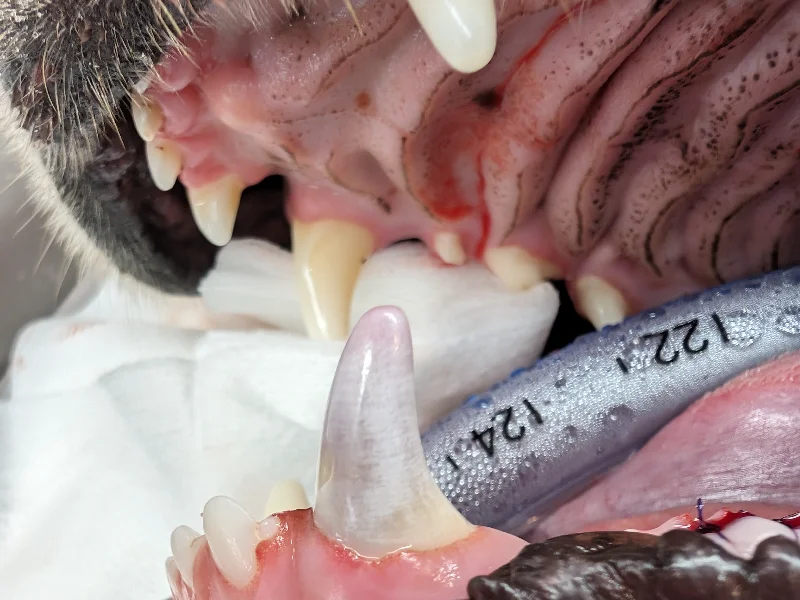
Internal discolouration in teeth often indicates underlying trauma, resulting in colours like pink, blue or grey. These teeth are usually dead, requiring root canal therapy or extraction.
Read More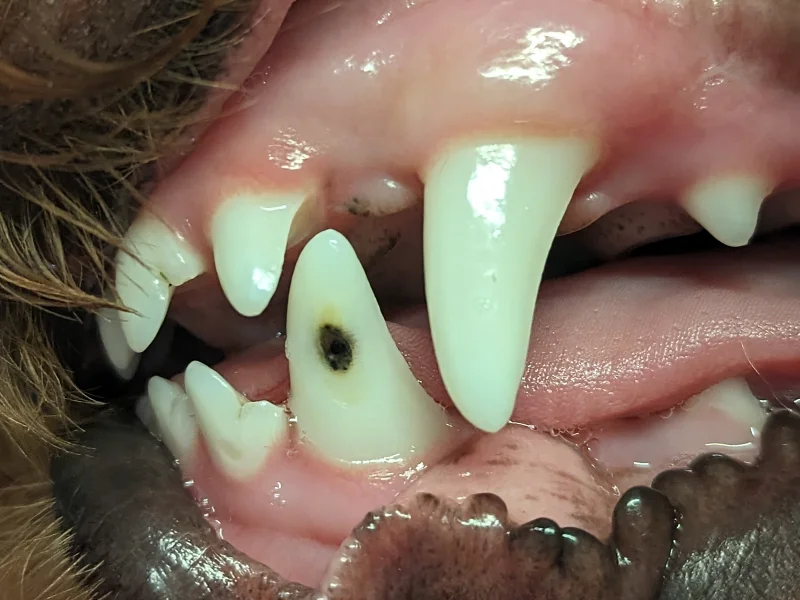
Thinning or absent enamel increases tooth sensitivity, plaque buildup and risk of damage. Treatment focuses on protecting or rebuilding the tooth structure.
Read More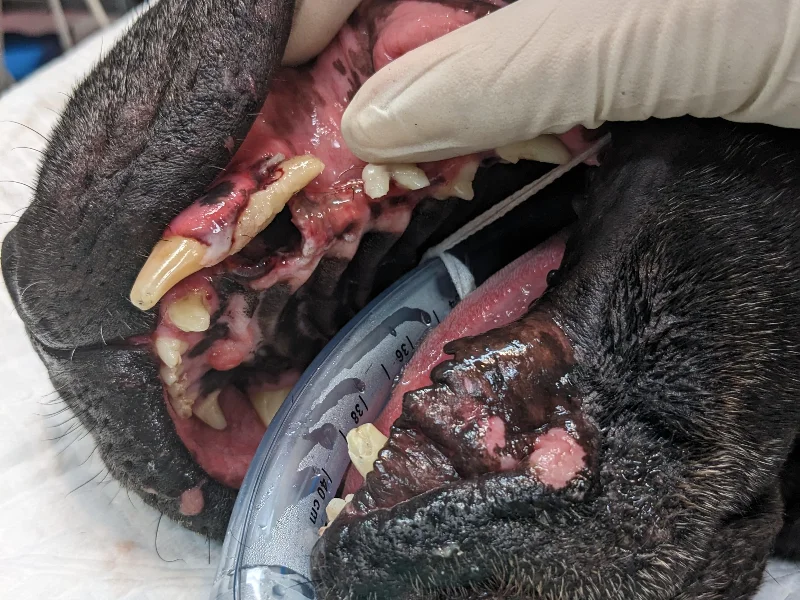
When a tooth is completely knocked out or displaced from its socket due to trauma, prompt repositioning is critical to preserve the tooth and allow for proper healing.
Read More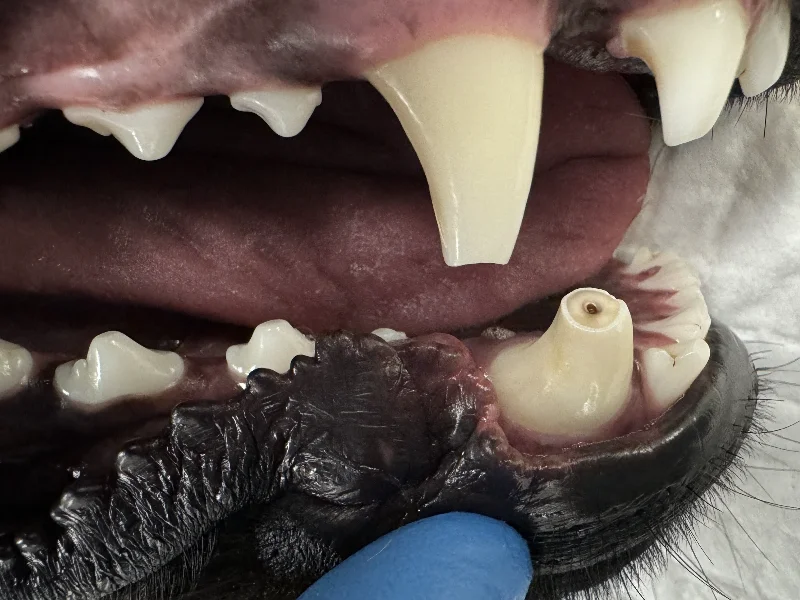
This treatment removes diseased pulp from non-vital teeth, cleans and seals the canal, preventing infection, and preserves the tooth’s function and structure.
Read More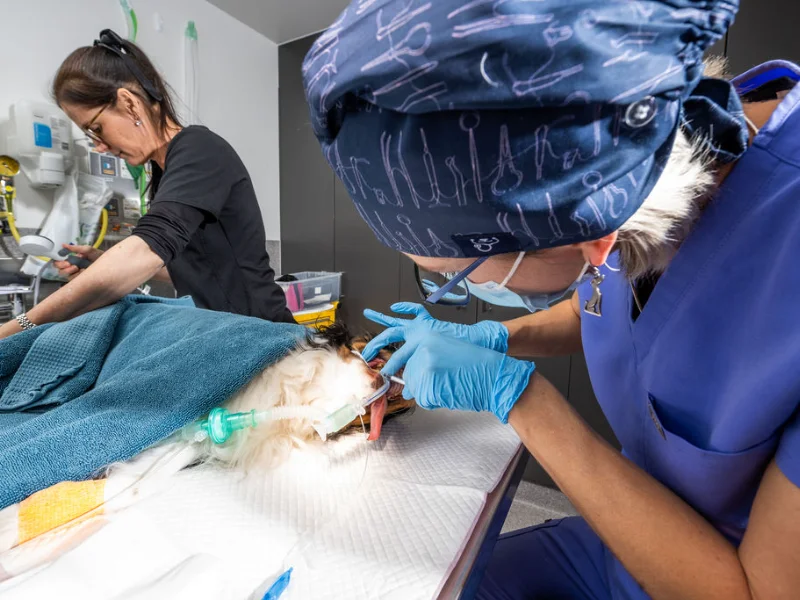
Restorative dentistry repairs damaged teeth in pets, often using crowns, veneers and fillings. These procedures restore dental structure and function, ensuring long-term oral health.
Read More
Thorough cleaning and examination under anesthesia remove plaque and calculus, preventing periodontal disease and ensuring long-term oral health in pets.
Read More


