Restorations

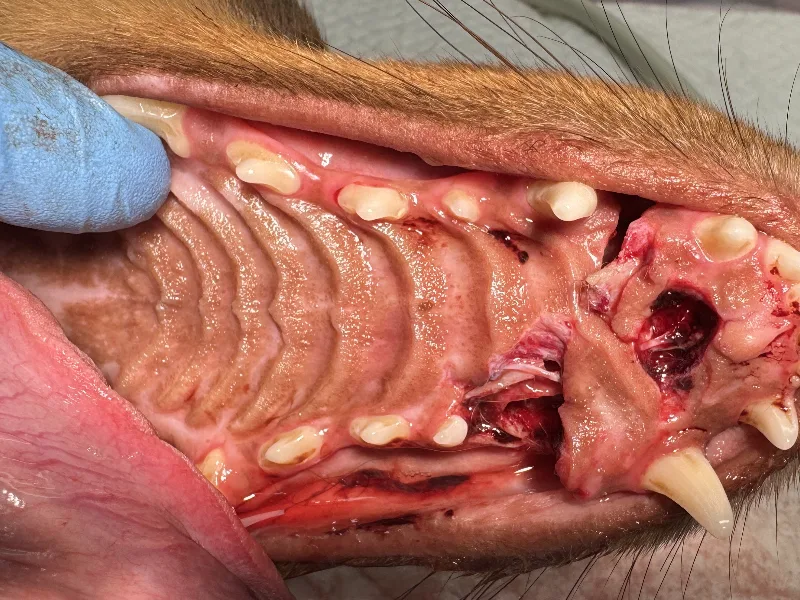
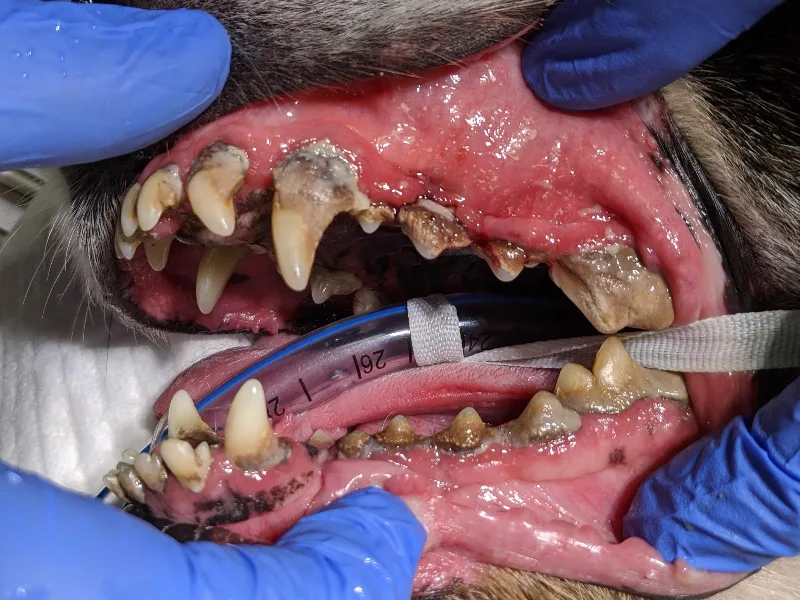
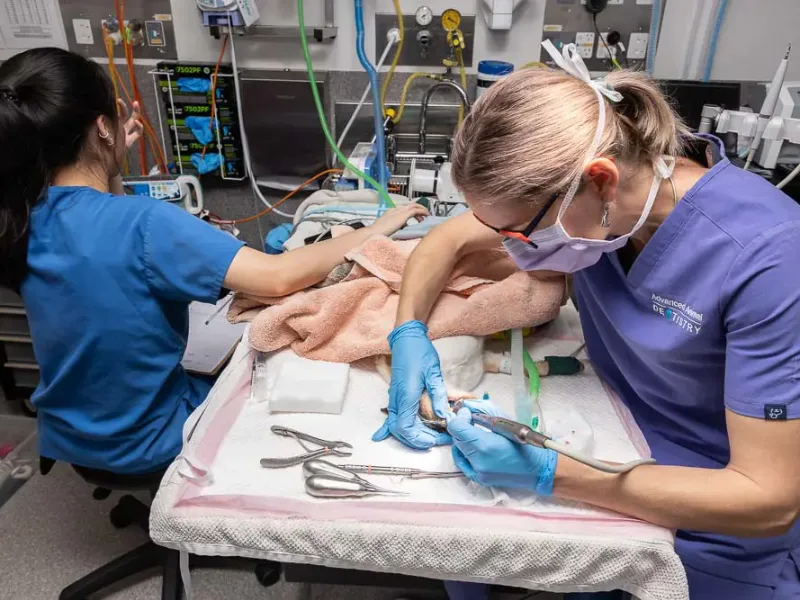
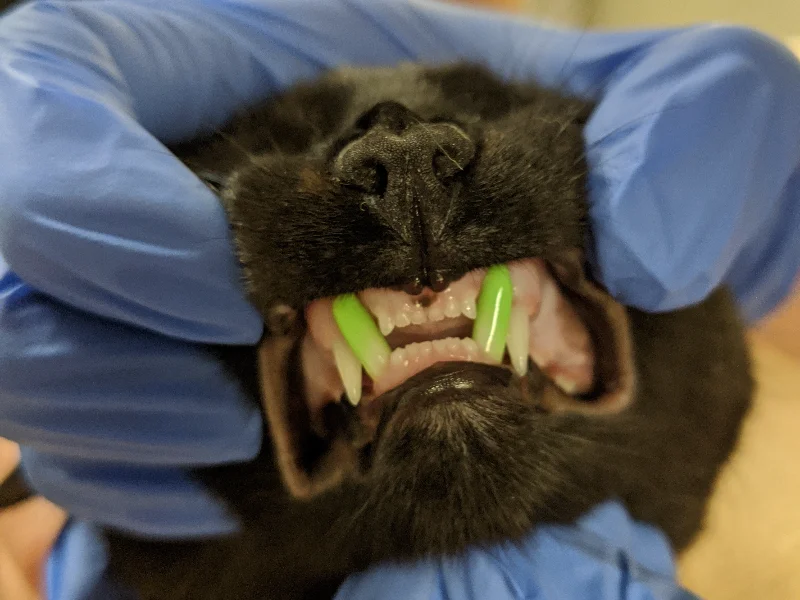
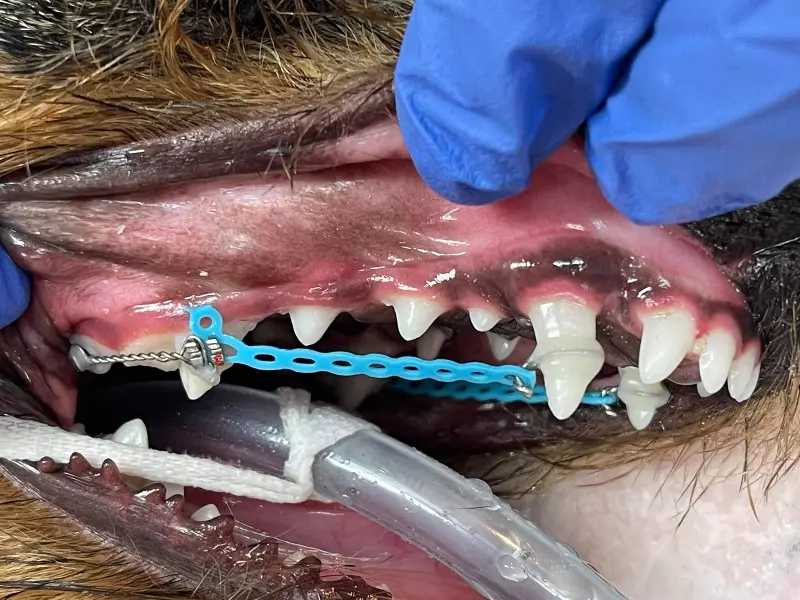
The teeth of dogs and cats can undergo damage throughout their lives, and restorative dentistry offers a means to repair and preserve their dental health. While humans commonly associate this with the use of fillings to address cavities, dogs (though not cats) rarely require such interventions for cavity-related issues. Instead, restorations in veterinary patients often involve procedures such as crowns, veneers and inlays, which are also common in human dentistry but are not as frequently performed in animals.

Common Reasons for Restorative Dentistry

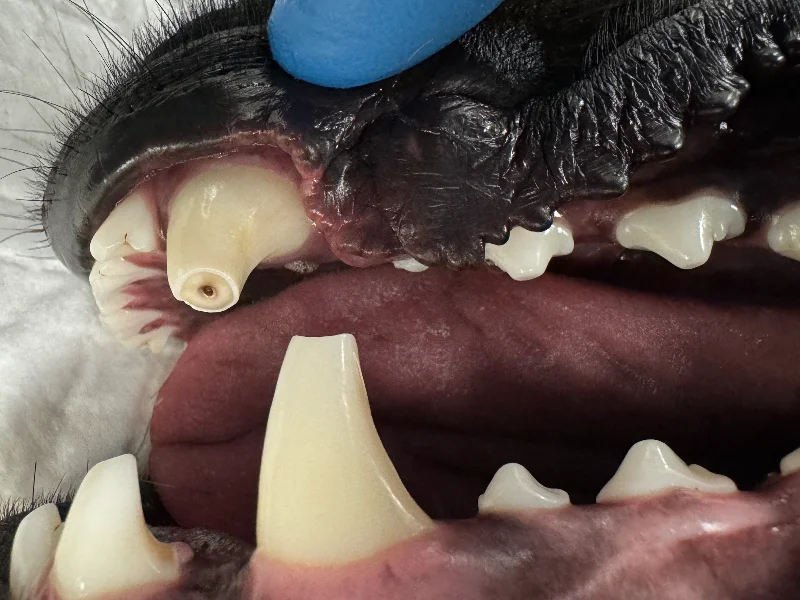
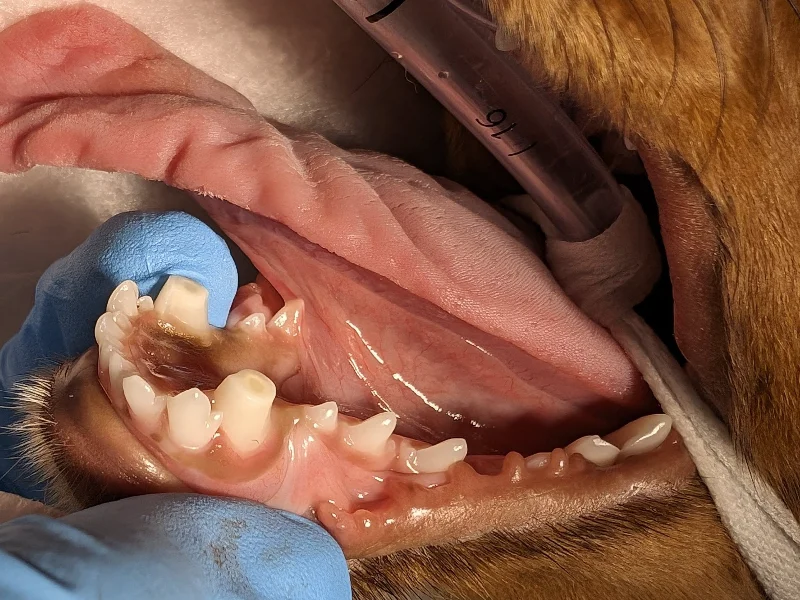
Repairing Enamel Hypoplasia Deficits: Enamel hypoplasia, marked by inadequate or thinned enamel, can be managed with restorative dentistry. Techniques such as dental bonding or composite veneers can rebuild the protective layer and restore the tooth’s function and appearance.

Restoring Dental Structure After Root Canal Therapy: After a root canal procedure, restorative dentistry plays a crucial role in repairing and reinforcing the tooth. Restorative methods, including crowns or fillings, restore the tooth’s structure and strength, ensuring its durability and proper function.

“Restoring a damaged tooth can bring immediate comfort and protect your pet’s long-term oral health.”

Materials, procedure & outcome

Similar to human dentistry, veterinary dentists use comparable materials to achieve optimal results for pets.

For example, white fillings commonly used in human dentistry are also applied in veterinary restorative procedures. These treatments provide lasting effects, although dogs, in particular, may experience more wear and tear on their teeth.

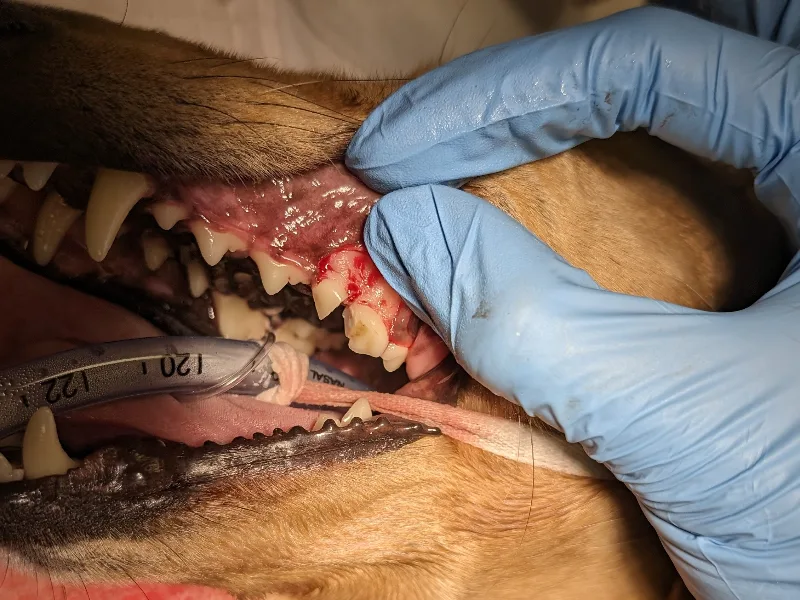
Preparation of Damaged Areas: Damaged areas of the teeth are meticulously prepared to ensure a proper foundation for restoration.

Placement of Restorations: Following preparation, restorations or fillings are placed using techniques similar to those in human dentistry. The completed restoration should make the tooth look normal, effectively concealing the damaged area.

“A well-repaired tooth helps your pet eat, play, and live without the hidden pain dental damage can cause.”
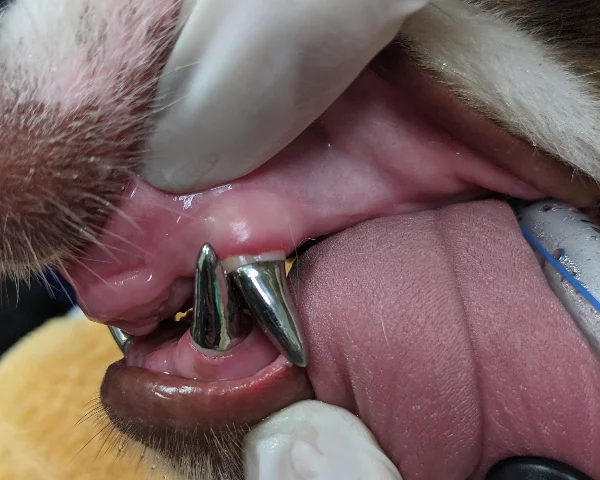
Crown placement in animals

Crown placement is less common in veterinary dentistry. Although we receive frequent inquiries about crowns, the procedure is not always suitable for animal patients. The process involves several intricate steps, including crown preparation, which permanently alters the tooth to ensure a proper fit for the new crown. Impressions are taken to create a mould, from which the crown is crafted.

Typically, animal crowns are made of alloy rather than porcelain fused to metal or zirconia. This choice is due to the need for crowns to withstand the unique challenges presented by the shape and behaviour of animal teeth. Restorative dentistry in dogs and cats focuses on maintaining optimal oral health, with procedures tailored to the specific needs and behaviours of our animal companions.
Meet the Author

Bec Tucker

Specialist Veterinary Dentist – BVSc (Hons) MANZCVS (Small Animal Dentistry and Oral Surgery)

Diplomate, American Veterinary Dental College™

Hi, I’m Dr Bec Tucker, and my journey into veterinary dentistry has been unexpected yet incredibly fulfilling. In fact, dentistry wasn’t on my radar at all when I graduated with a BVSc (Hons) from the University of Sydney in 2007. I was fortunate to meet veterinarians who had found their passion for dentistry, and their encouragement and enthusiasm shifted my perspective. Through continuing education lectures and workshops, I went from not fancying dentistry and oral surgery to genuinely loving it.

FAQs

What kinds of restorations might my dog or cat need for a damaged tooth?

Restorative treatments can include composite fillings, porcelain or metal crowns, and veneer-type repairs, depending on the type of damage.

My pet has a broken tooth. Is extraction always the only option?

Not always. If the tooth is restorable (e.g., enamel damage, root canal work), we can often save it using restoration. However, in cases of severe root damage or resorption, extraction may be the best choice. See details under fractured or broken teeth for more information.

How do I know my pet is in pain from a damaged tooth when they don’t show it?

Pets often hide discomfort. Signs can include drooling, pawing at the mouth, preferring soft food, or a change in chewing behaviour. If you observe any of these, it may be time for a full dental exam and cleaning.

Is the restoration procedure safe under anaesthesia for my pet?

Yes — restorative procedures are performed under general anaesthesia to ensure comfort and precision. This allows thorough evaluation and treatment, including any necessary root canal therapy or restorative work.

Can restoration help improve my pet’s quality of life?

Definitely. Restoring a functional tooth helps your pet eat normally, reduces pain, and supports oral health long-term. Combined with home care, such as daily brushing, it contributes to better wellbeing and fewer future problems.

Key Takeaways

Restoration Can Save Damaged Teeth

Many cracked or worn teeth can be repaired rather than removed, helping your pet keep a comfortable, functional bite.

Anaesthesia Allows Precise, Pain-Free Treatment

Restorative work is performed under general anaesthesia, ensuring accurate repair and a stress-free experience for your pet.

Early Treatment Prevents Bigger Problems

Addressing tooth damage early can stop infection, protect surrounding teeth, and prevent the need for more invasive procedures later on.

Restored Teeth Support Long-Term Comfort

A properly restored tooth helps your pet eat comfortably, reduces chronic pain, and supports overall oral health.

Next steps

For Pet Owners

Are you concerned about your pet’s dental health? Call 1300 866 848 or fill out the contact form. We’ll coordinate with your primary vet to ensure the best outcome.

For Vets & Nurses

We’re here to help. If you’d like to refer a patient, please call us at 1300 866 848 , complete the referral form or email us with a brief case summary, relevant radiographs and lab results.

For advice and treatment guidance, email us with a brief case summary, relevant radiographs and lab results.


Refer a Patient Contact Us

Specialist Veterinary Dental Services

A comprehensive range of dental and oral surgery treatments.

Contact Us    refer a patient

Removing complex teeth safely and with minimal impact.

Preserving teeth by cleaning and sterilising infected pulp chambers

Precise management for intricate anaesthetics, enhancing safety

Preserving teeth that have damaged pulp through trauma

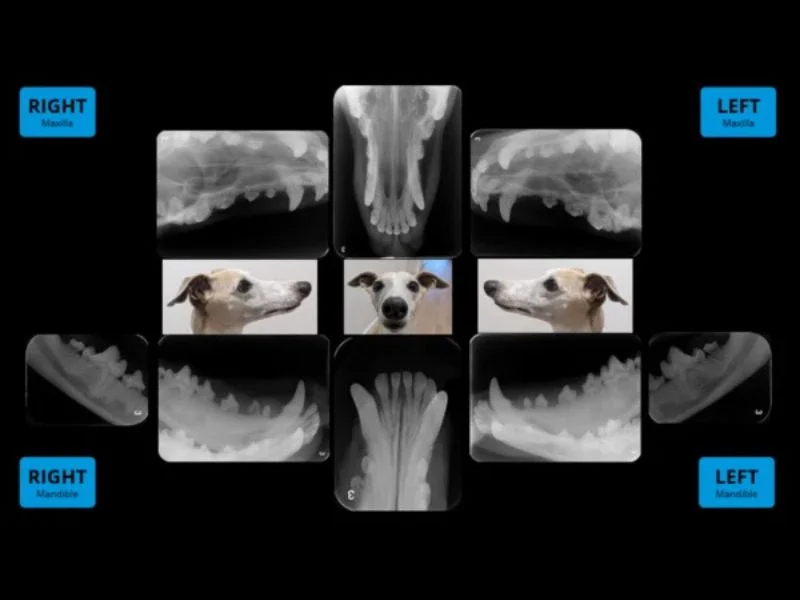
Detailed imaging with Dental X-rays and CT scans for accurate diagnosis

Cleaning pockets of plaque and tartar, promoting oral health

Performing expert, precise surgical procedures for oral issues

Restoring function and alignment with expert diagnosis and repair.