

Staging isn’t a protocol. It’s a clinical decision, and it’s time we started making it like one.
Staged dentistry has become the default answer to almost every complex dental case, but is it always the right one?
This webinar looks past the assumption that staging is inherently safer or more thorough and asks when it genuinely improves outcomes versus when it simply delays them.
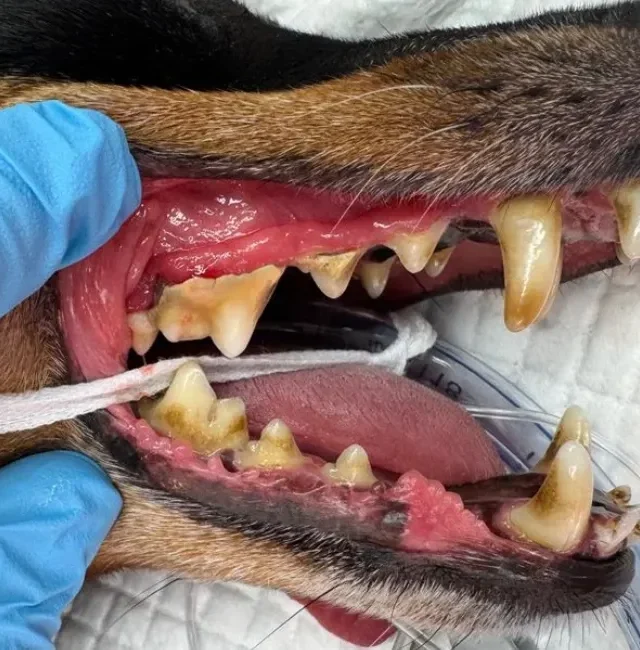
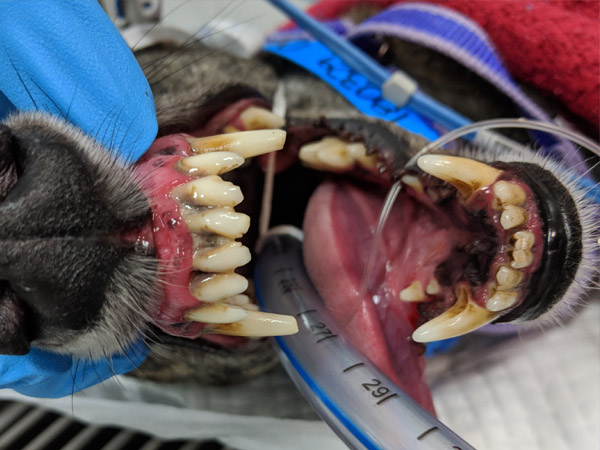
Using real cases like feline tooth resorption, mobile teeth, and endodontic disease that are left in situ between stages, and the surprisingly fast return of subgingival biofilm, this webinar will unpack the risks that staging can quietly introduce.
We’ll also look at how a stage 1 scale and polish can uncover painful lesions previously masked by plaque and calculus, leaving some patients more uncomfortable post-procedure than they were before treatment. We’ll examine where staging is clearly the right call, such as extensive full-mouth extractions and cases where the real decision isn’t “stage or not” but “refer or not.” We’ll also challenge the idea that breed-specific anaesthetic risk, such as Greyhounds and hyperkalaemia, automatically means staging. The goal isn’t to tell you to stage less, it’s to help you decide with more precision.
Key Takeaways
- Staging has a biological cost, not just a logistical one: Subgingival biofilm can re-establish within hours of a stage 1 clean, meaning a “clean now, finish later” plan may not buy the disease-free window vets assume it does.
- Some conditions don’t tolerate a “wait and see” stage: Tooth resorption in cats and teeth with active endodontic disease can progress or cause ongoing pain in the interval between stages, so leaving them for a second GA isn’t automatically the conservative choice.
- Every additional anaesthetic episode is a real risk, not a formality:
Repeat GAs carry patient risk, and that risk needs to be weighed against what staging is actually protecting, not assumed to be the safer default. - Even breed-specific risk doesn’t automatically mean staging: Greyhound hyperkalaemia is a real consideration, but it doesn’t make staging mandatory. Many Greyhound dentals can be completed in a single, well-planned anaesthetic, so the decision should rest on the individual patient and procedure rather than the breed alone.
- Staging still has clear, evidence-backed indications: Extensive full-mouth extractions and cases that genuinely warrant a referral conversation are exactly where a staged approach earns its place.Get Tickets


