

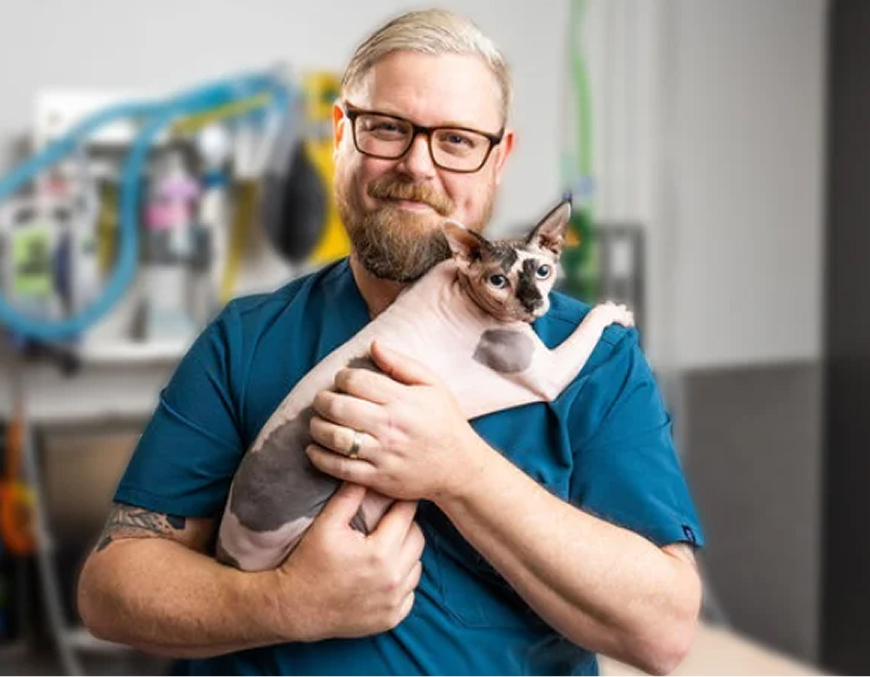


We assess each patient individually, considering their health history, age and any concurrent medical conditions, to tailor the anaesthetic approach to their specific needs.
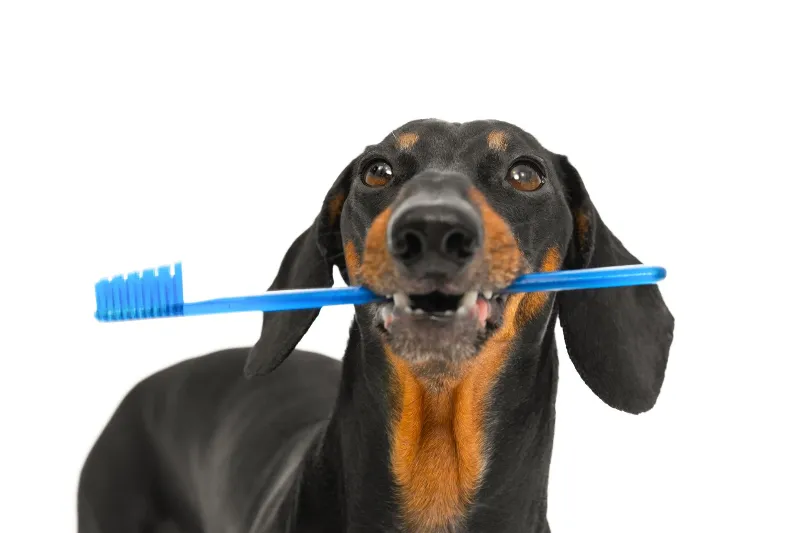
Anatomy can play a huge role in the development and progression of periodontal disease. Unfortunately for popular dolichocephalic, or long-nosed, dog breeds, like sighthounds and dachshunds, their skull shape can put them in a vulnerable position when it comes to dental disease. While they are beautiful additions to the family, if you have one, or you’re considering adopting, it’s important to know the risks so you can be proactive and keep them healthy and happy.
At Advanced Animal Dentistry, our specialist dental services for cats, dogs and other small animals are designed to support long-term oral health and overall wellbeing. We’re encouraged to see more pet owners prioritising dental care, and we’re always happy to help them understand the specific needs and risks their pets may face. Here’s what to know about long-nosed, or dolichocephalic, breeds.
“When the maxilla is extended and made longer, the amount of bone is proportionately reduced.”
— Dr Aaron Forsayeth
Skull structure and its impacts on dental risk
In long-nosed dog breeds, the extended shape of the jaws alters the relationship between bone structure and tooth placement. Dr Aaron Forsayeth explains, “When the jaws are extended and made longer and narrower, the amount and thickness of bone is proportionately reduced.” Overall, we are left with less bone surrounding the teeth compared to non-dolichocephalic breeds such as the Labrador.
This thinner bone offers less structural support and is therefore more prone to periodontal disease. He says, “As there is less bone present, the same amount of periodontal bone loss will be more significant, and will be comparatively more advanced in a dolichocephalic patient than in a dog with an average skull shape.”
The bone surrounding key teeth, the maxillary canines and premolars, can be especially thin. This can be particularly problematic on the palatal side of the maxillary canine teeth, meaning that once periodontal disease begins, there is limited bone to lose before structural damage becomes significant or external signs become noticeable.
Disease progression and signs
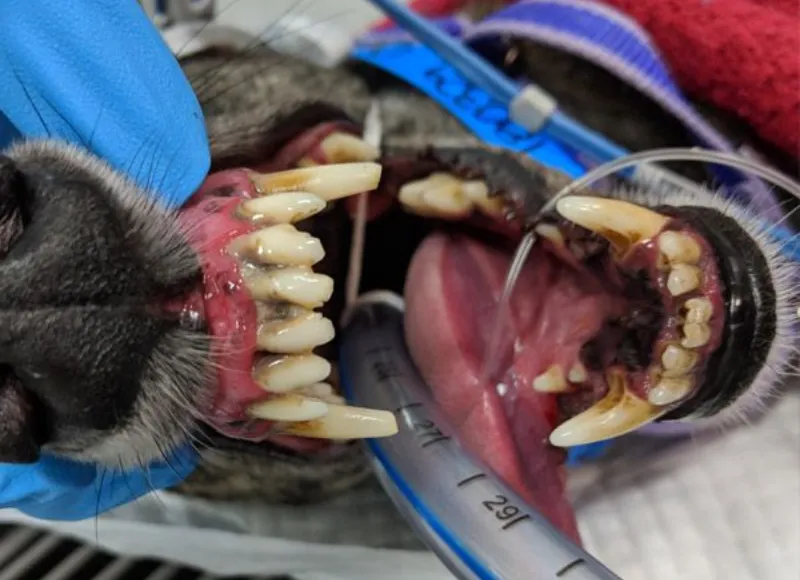
Periodontal disease in long-nosed breeds often advances with little outward indication. As with other breeds, we commonly see signs like halitosis, plaque, calculus and gingivitis. “It’s just typically more advanced when we get to examination under general anaesthesia for long-nosed breeds,” explains Dr Aaron.
This is because subgingival disease, or disease occurring beneath the gumline, is often more advanced than what can be seen on the surface. Many owners may think that because there’s not a lot of visible plaque or calculus, their dog’s oral health is fine. However, many times an oral examination and dental radiographs will reveal significant disease, bone loss and inflammation.
A serious complication commonly seen in long-nosed breeds is oronasal fistula formation. As infection progresses, it can destroy the thin palatal bone that separates the mouth from the nasal cavity. This generally occurs around the maxillary canine tooth. Once a fistula forms, it creates an open connection between the mouth and nasal cavities, allowing food and bacteria to pass into the nasal passages. This can lead to ongoing nasal irritation, inflammation and infection, often without any clear signs such as sneezing or nasal discharge until the disease is well advanced.
“This case is a great reminder that external appearance, such as minimal tartar, doesn’t always reflect what’s happening beneath the gumline.”
— Dr Aaron Forsayeth
A Dachshund case study
An eight-year-old Miniature Dachshund was referred to us at Advanced Animal Dentistry for assessment due to inflamed gums and persistent bad breath (halitosis). Despite these being relatively mild symptoms, oral examination, probing, and dental radiographs told a different story. Significant bone loss was present around the upper canine, premolar and molar teeth, as well as deep 12mm pockets on the palatal side of the upper left and right canine teeth, with associated oronasal fistulae.
In total, 18 teeth required extraction, including several that were functionally important. This patient was provided with daily dental chews at home, had undergone professional dental treatment in the past and was not showing any obvious clinical signs or oral pain and discomfort at home.
Dr Aaron explains, “This case is a great reminder that external appearance, such as minimal tartar and a pet that is still eating normally, doesn’t always reflect what’s happening beneath the gumline, especially in long-nosed breeds like Dachshunds.” For this Dachshund, earlier and more frequent assessment under anaesthesia, teamed with consistent and effective home care, such as brushing, could have allowed this disease to be detected at a reversible stage. By the time we were able to intervene, extensive extractions were the only option to restore comfort and prevent further complications.
It’s easy to assume everything is fine, most dogs carry on as normal, even when something isn’t right. Dental disease, in particular, tends to go unnoticed. There are often no obvious signs, so it’s completely understandable that many owners don’t realise their dog is in discomfort until the disease is quite advanced.
Proactive care for long-nosed breeds
As with all breeds of cats and dogs, preventing periodontal disease requires consistent and targeted home care, but this is particularly important for those more vulnerable, like long-nosed breeds. Toothbrushing should be part of their daily routine, with a focus on the canine teeth. See our how-to Guide here. These are common sites of bone loss and oronasal fistula formation, so regular plaque removal in the area is important.
Veterinary dental checks should not rely on visual assessment alone. Even when teeth appear clean, disease can be present beneath the surface. A thorough clean under anaesthesia with dental imaging facilitates early detection of structural changes that may otherwise go unnoticed until they become severe.
Dr Aaron advises, “These doggies should be more regularly examined and have their teeth cleaned as the development of periodontal disease and oronasal fistulae is insidious and usually hard to note until they have advanced disease.”
“These doggies should be more regularly examined and have their teeth cleaned as the development of oronasal fistulae is insidious and usually hard to note until they have advanced disease.”
— Dr Aaron Forsayeth
Do you have a Greyhound or Dachshund in your family?
Understanding how breed anatomy influences dental health gives owners the knowledge they need to take action before problems become serious issues. Left unchecked, periodontal disease can lead to discomfort, tooth loss and ongoing health challenges, which no one wants for a much-loved companion.
If you share your home with a long-nosed dog, it’s likely full of gentle affection, quirky charm and, with luck, not too much shedding. These breeds do have their vulnerabilities, but with consistent care at home and support from your veterinary team, they can enjoy lifelong comfort and wellbeing. At Advanced Animal Dentistry, our focus is on preserving smiles and supporting the long-term oral health of every patient we see.
If you have any concerns about your pet, feel free to call us or get in touch through our contact form. We’ll work closely with your primary vet to make sure your pet gets the care they need.
You can also visit our pet owners’ page and explore additional resources.

















