Avulsion of Teeth

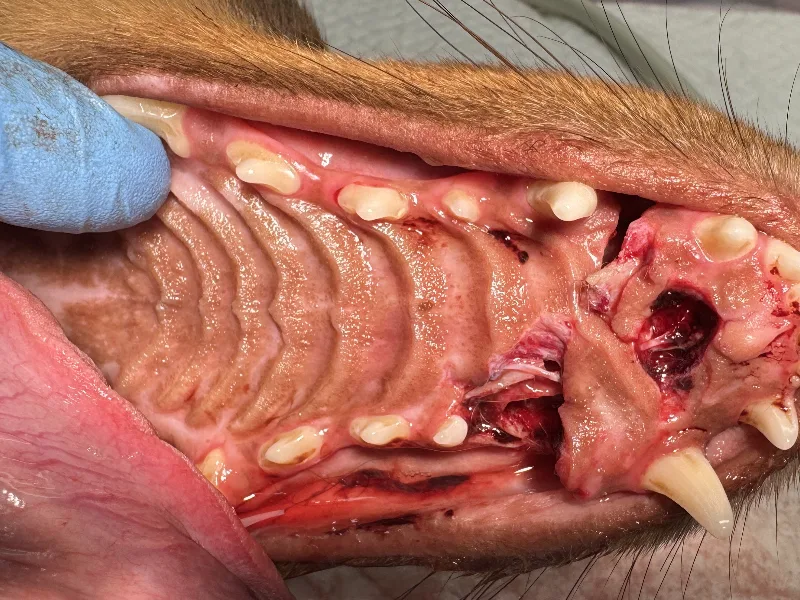
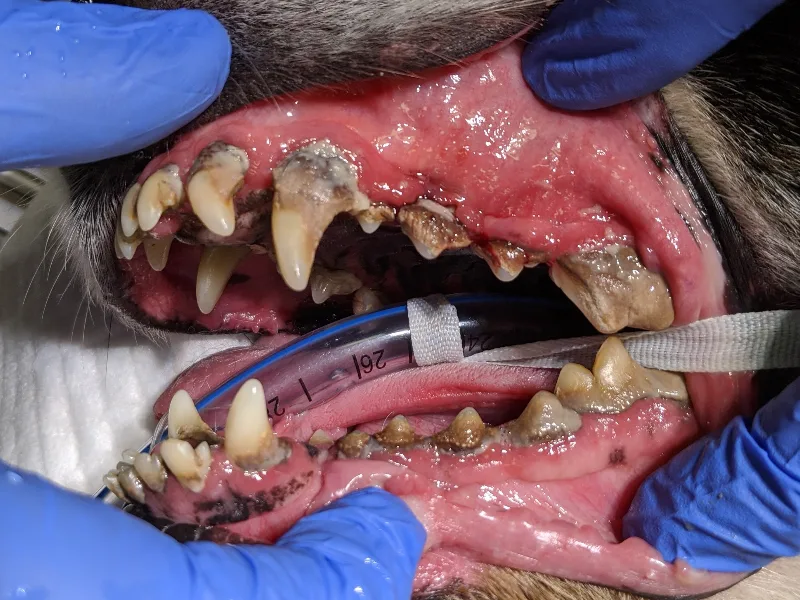
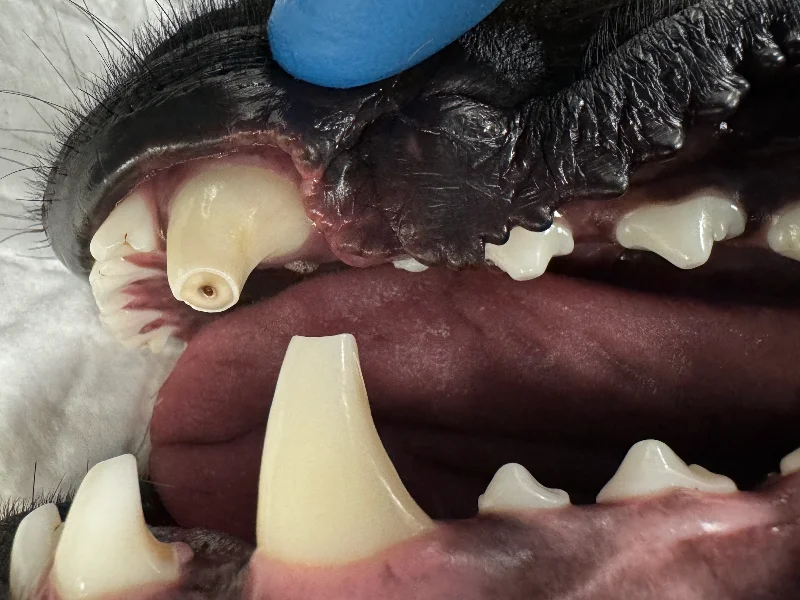
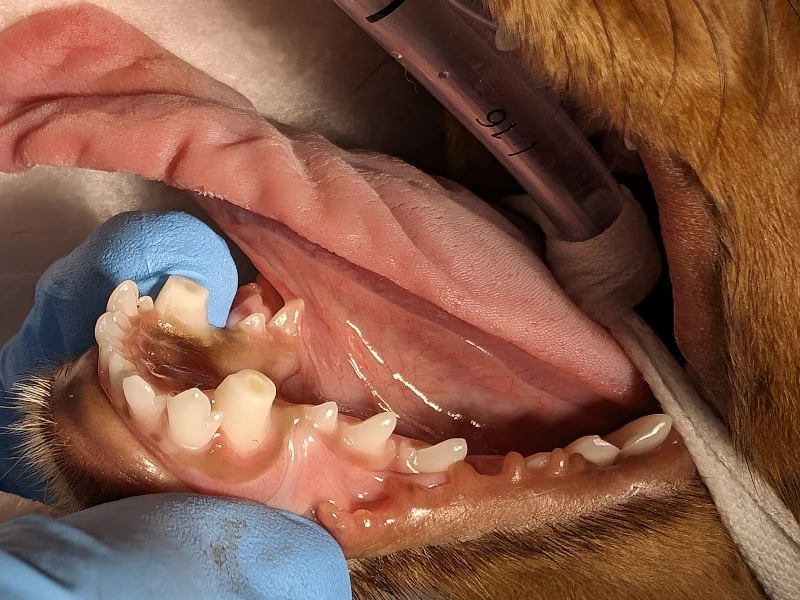
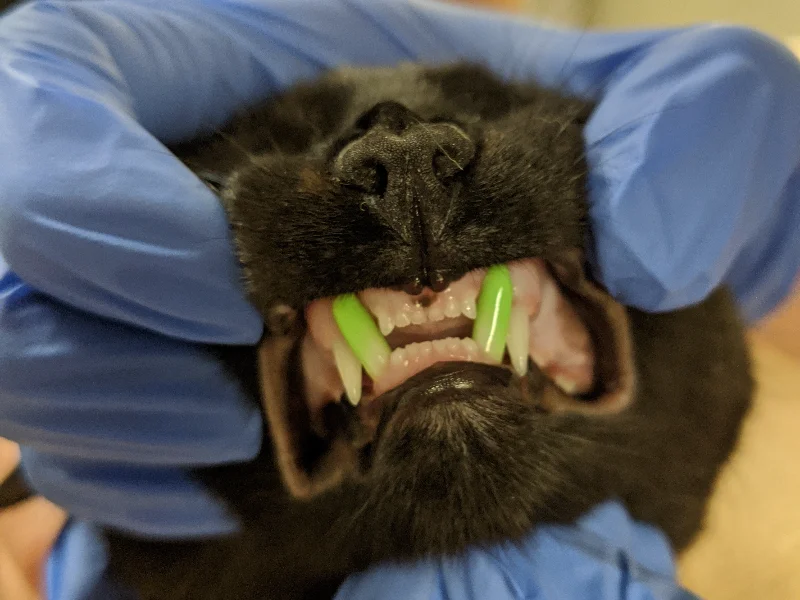
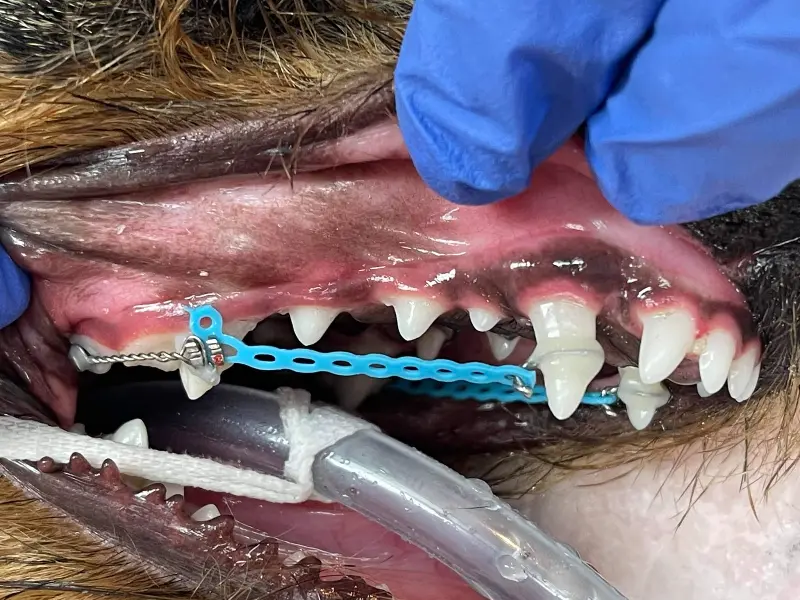
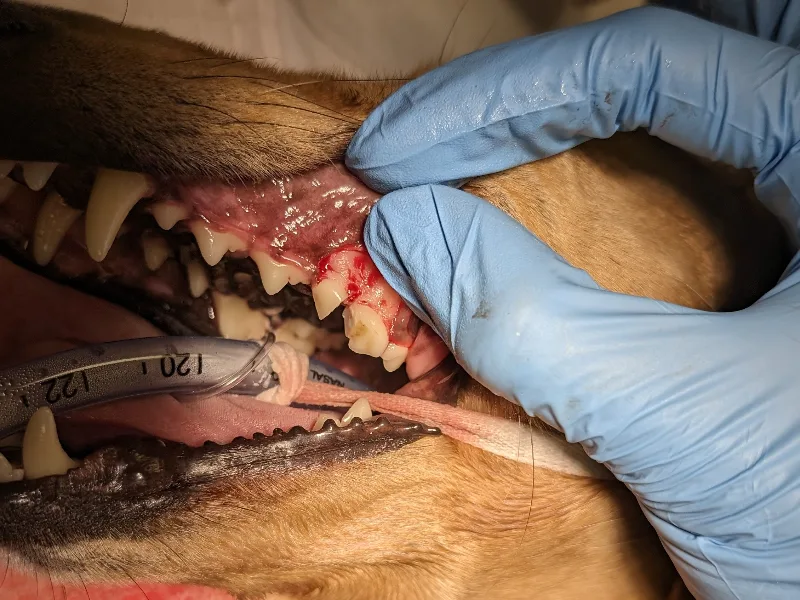
Sometimes, traumatic incidents can impact a tooth in a way that doesn’t result in a break but causes the tooth to shift from its original position in the alveolus or tooth socket. These shifts can occur in various directions, including sideways or even inward pushing, and are termed tooth luxations. In more severe cases, if the force is significant, the tooth can be avulsed—completely knocked out.

Potential issues & consequences

Accidents that cause tooth luxations and avulsions introduce several challenges. The primary issue is the disruption of blood vessels and nerves entering the tooth root. When a tooth moves out of position, it can damage these fine structures, cutting off the blood supply to the tooth’s pulp and leading to tooth death.

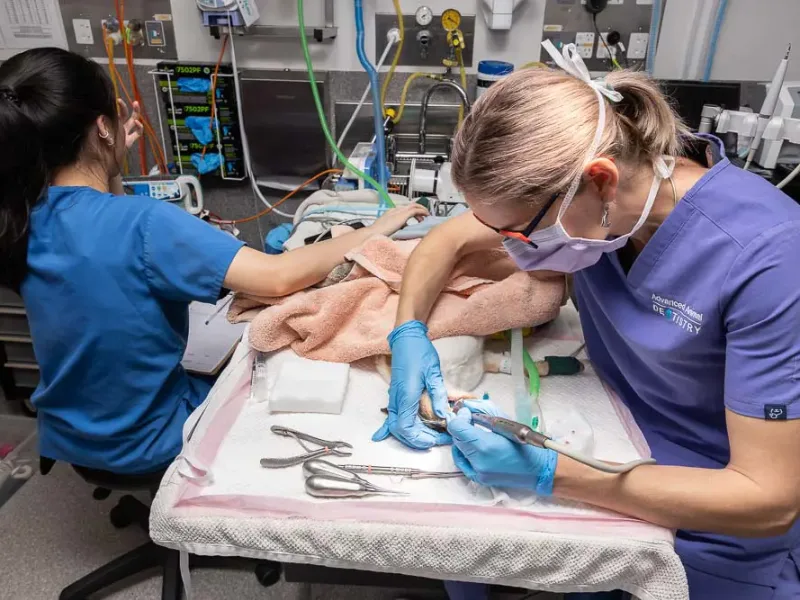
In many cases, root canal therapy is required to manage the damage and restore tooth function. Addressing this injury promptly is crucial to prevent further complications and preserve the tooth. Always seek professional veterinary dental care as quickly as possible.

“A knocked-out tooth is a true dental emergency—quick action can make all the difference.”

Damage to the Periodontal Ligament

Traumatic incidents also damage the periodontal ligament, which anchors the tooth root to the alveolar wall.

Without a functional ligament, the tooth risks falling out. Immediate repositioning of the tooth is essential to promote ligament healing and maintain tooth stability.

The success of this treatment depends on the swift restoration of the tooth to its correct position, facilitating the natural healing process and reducing the risk of tooth loss.

“How you handle an avulsed tooth in the first few minutes can determine whether it can be saved.”

Fractures to the Alveolus & Treatment

Accidents can cause fractures to the bony alveolus, complicating the situation further. Repairing these fractures may involve simple procedures or more extensive surgical interventions, depending on the severity of the damage.

Luxated or avulsed teeth are dental emergencies, and prompt intervention is critical for a successful outcome.

Timely professional care enhances the chances of healing and tooth preservation, making quick action essential in these urgent situations.
Meet the Author

Bec Tucker

Specialist Veterinary Dentist – BVSc (Hons) MANZCVS (Small Animal Dentistry and Oral Surgery)

Diplomate, American Veterinary Dental College™

Hi, I’m Dr Bec Tucker, and my journey into veterinary dentistry has been unexpected yet incredibly fulfilling. In fact, dentistry wasn’t on my radar at all when I graduated with a BVSc (Hons) from the University of Sydney in 2007. I was fortunate to meet veterinarians who had found their passion for dentistry, and their encouragement and enthusiasm shifted my perspective. Through continuing education lectures and workshops, I went from not fancying dentistry and oral surgery to genuinely loving it.

FAQs

What is tooth avulsion and how does it differ from luxation in pets?

Tooth avulsion occurs when a tooth is completely knocked out of its socket, whereas luxation means the tooth has shifted but not fully detached. Both are urgent conditions requiring timely professional care.

What should I do immediately if my pet’s tooth is knocked out?

If your pet suffers avulsion, it’s vital to keep the tooth moist (in milk or saliva), avoid touching the root, and seek care as soon as possible. Quick action improves outcomes and reduces the risk of further damage to the periodontal ligament.

Is extraction always necessary when a tooth is avulsed?

Not always—but often. If the periodontal ligament and surrounding bone are severely damaged, extraction or root-canal style treatment may be needed to prevent infection and maintain oral health.

Can an avulsed permanent tooth be re-implanted in a dog or cat?

Potentially—if replanted rapidly (ideally within minutes) and handled correctly, the tooth may be saved. However, restoration depends on the condition of the socket, ligament, and root.

What are the signs and long-term risks after a pet suffers a tooth avulsion?

Beyond the missing tooth, you may observe pain, swelling, difficulty eating, bad breath, or changes in behaviour. Long-term risks include root resorption, ankylosis (root fusing to bone), and loss of function—making early treatment critical.

How can pet owners in Brisbane and the Gold Coast prevent traumatic dental injuries like avulsion?

Supervising rough play, avoiding hard chew toys, and maintaining annual dental check-ups help reduce risks. Healthy oral routines and timely professional care are essential for dental resilience in pets.

Key Takeaways

Avulsed Teeth Are a True Emergency

When a tooth is completely knocked out, fast action is critical. Early intervention improves the chances of saving the tooth and reduces long-term complications.

Handling the Tooth Correctly Matters

Touching the root or letting the tooth dry out can damage the periodontal ligament. Keeping the tooth moist and seeking care quickly supports better outcomes.

Re-implantation Is Sometimes Possible

Some avulsed teeth, especially permanent ones, may be re-implanted if treated promptly, but success depends on the condition of the socket and surrounding tissues.

Long-Term Risks Require Monitoring

Even after treatment, pets can develop issues like root resorption or ankylosis, making follow-up checks important for preserving comfort and function.

Next steps

For Pet Owners

Are you concerned about your pet’s dental health? Call 1300 866 848 or fill out the contact form. We’ll coordinate with your primary vet to ensure the best outcome.

For Vets & Nurses

We’re here to help. If you’d like to refer a patient, please call us at 1300 866 848 , complete the referral form or email us with a brief case summary, relevant radiographs and lab results.

For advice and treatment guidance, email us with a brief case summary, relevant radiographs and lab results.


Refer a Patient Contact Us

Advanced Veterinary Dental Services

A comprehensive range of dental and oral surgery treatments.

Contact Us    Refer A Patient
Complex Anaesthesia

We assess each patient individually, considering their health history, age and any concurrent medical conditions, to tailor the anaesthetic approach to their specific needs.

Surgical Extractions

Removing complex teeth safely and with minimal impact.

Vital Pulpotomy

A vital pulpotomy is a time-sensitive procedure used to preserve the life of a tooth when the pulp becomes exposed due to trauma or dental treatment.

Jaw Fractures

Jaw fractures in pets require precise treatment to restore both structure and function, with a strong focus on proper bite alignment.

Periodontal Treatment

Periodontal treatment goes beyond routine dental care to address the deeper damage caused by advanced gum disease.

Oral Surgery

Pet oral surgery can help treat dental problems, injuries, and other conditions affecting your pet’s mouth. Learn about the available procedures and how they can improve your pet’s comfort and oral health.

Dental and Oral Imaging

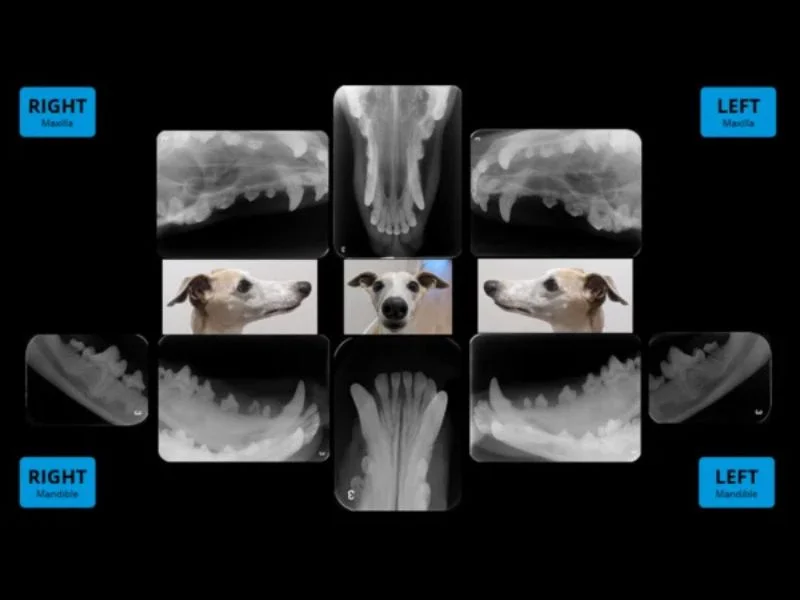
Dental and oral imaging helps veterinarians identify dental problems that may not be visible during a routine examination. Learn how these imaging techniques support accurate diagnosis and effective treatment for your pet.

Root Canal Therapy

Root canal therapy can help save a damaged or infected tooth while relieving pain in pets. Learn how this dental procedure works and how it can help preserve your pet’s natural teeth and oral health.

Gingivoplasty

This procedure involves reshaping gum tissue to guide the eruption of canine teeth into a correct position, preventing traumatic occlusion and avoiding more invasive treatments.

Crown Height Reduction

Reducing the height of misaligned canine teeth and protecting the exposed pulp with a filling helps prevent chronic pain, preserve jaw structure and avoid extraction.

Inclined Plane – Crown Extensions

Orthodontic appliances like inclined planes or crown extensions can reposition misaligned canine teeth, preventing trauma and preserving tooth function without altering their shape.

Dog Braces (Orthodontics)

To address mesioverted  (‘lanced’ maxillary canine teeth) and manage linguoversion when the maxillary diastema (the space between the third incisor and canine teeth) is too narrow.

Restorations

Restorative dentistry repairs damaged teeth in pets, often using crowns, veneers and fillings. These procedures restore dental structure and function, ensuring long-term oral health.

Professional Dental Cleaning

Thorough cleaning and examination under anesthesia remove plaque and calculus, preventing periodontal disease and ensuring long-term oral health in pets.

Mandibulectomies and Maxillectomies

These surgeries involve partial or complete removal of the jaw to treat malignant oral tumours. Treatment options vary and may include surgery, chemotherapy or radiation.

Crown Amputation for Tooth Resorption

This procedure, often used for tooth resorption, involves removing the tooth crown while leaving the resorbing root remnant intact. It’s less invasive and used in cases where traditional extraction is no longer possible. Regular follow-up is recommended.