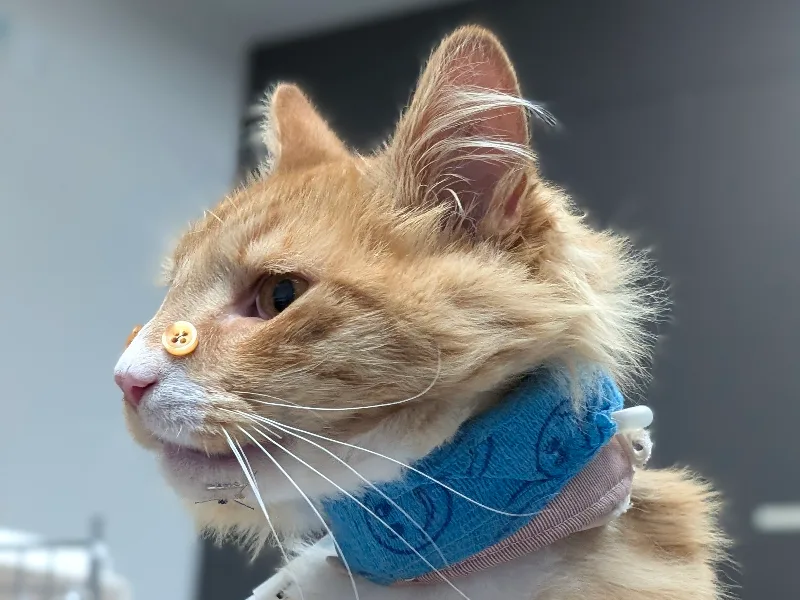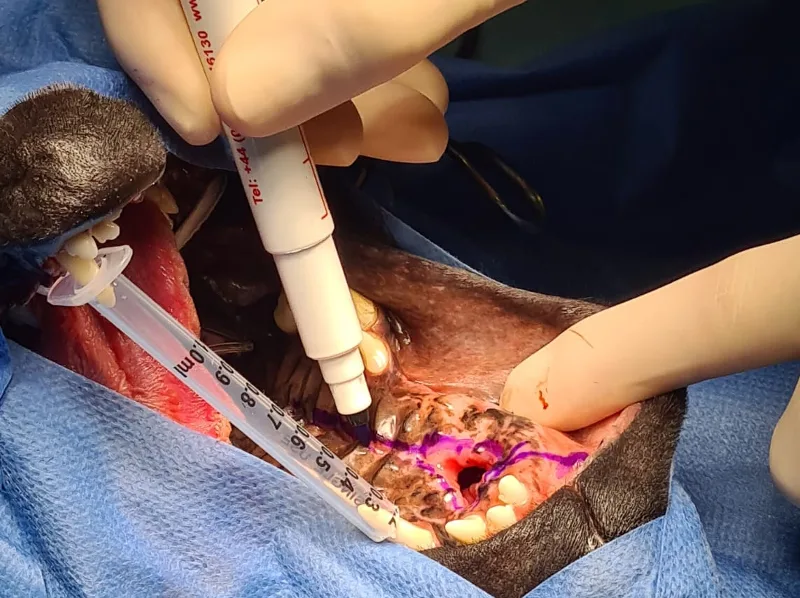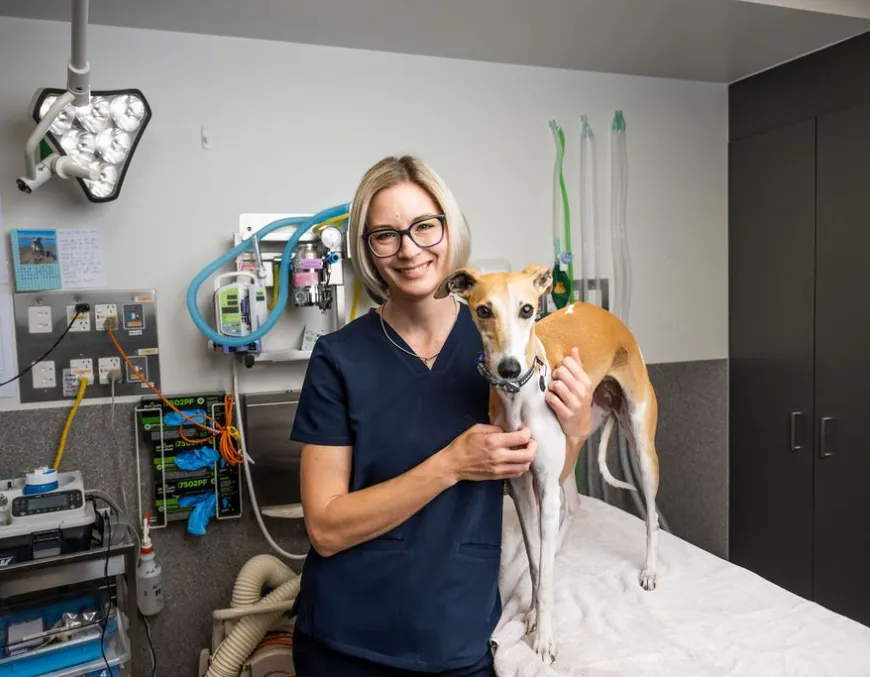

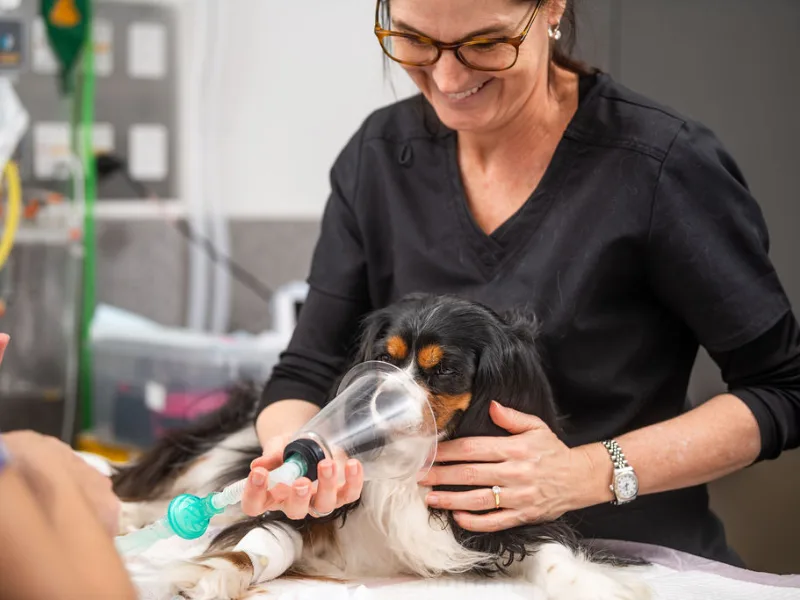
We assess each patient individually, considering their health history, age and any concurrent medical conditions, to tailor the anaesthetic approach to their specific needs.
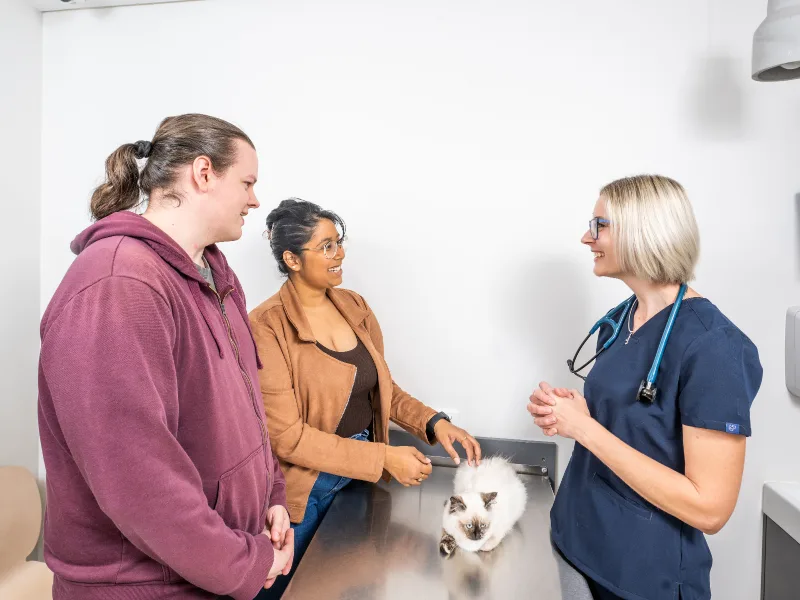
A good explanation can make all the difference to how an owner approaches their pet’s treatment.
We see plenty of periodontal disease, but many families arrive with little understanding of what the condition involves. Often, they believe their pet has decayed or infected teeth, which isn’t surprising given that people tend to associate dental treatment with their own experiences of fillings and cavities.
But periodontal disease is a different process.
At Advanced Animal Dentistry, we’re a veterinary dental referral practice providing specialist dental services across Brisbane and the Gold Coast. For veterinary professionals, explaining what happens beneath the gumline is an important part of preparing clients for potentially extensive procedures, variable costs and the need for long-term dental care.
Here’s how we approach that conversation.
“Periodontal disease is an inflammatory disease initiated by bacteria. The bacteria trigger the condition, but it’s the body’s sustained response that causes much of the damage.”
Start by explaining what periodontal disease actually is
It’s best to begin with the basics. We explain to pet families that periodontal disease is an inflammatory disease initiated by bacteria. The bacteria trigger the condition, but it’s the body’s sustained response that causes much of the damage.
So how does it develop? It starts with plaque, which begins to form almost immediately after teeth are cleaned. Within minutes or hours, proteins are deposited on the tooth surface and create a film that bacteria can attach to. Up to 500 bacterial species have been identified to date in plaque!
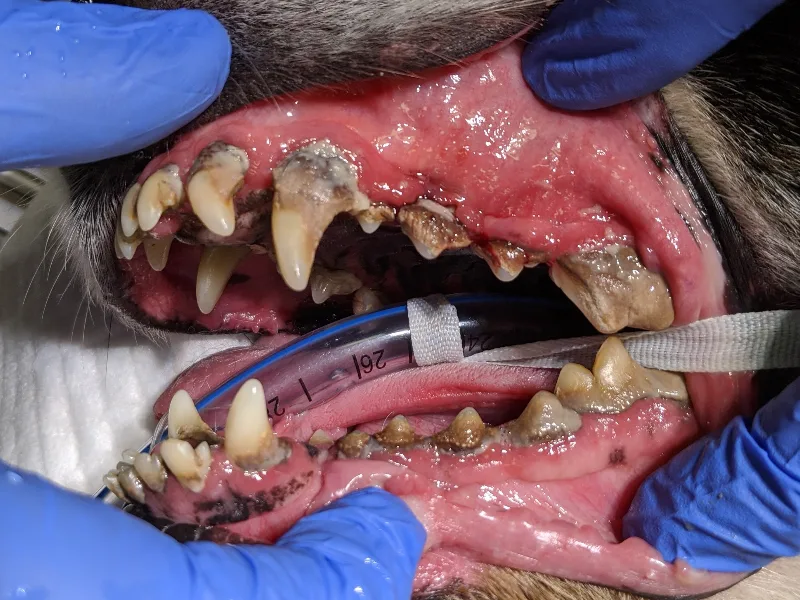
In the beginning, these are generally normal bacteria found throughout the body that don’t tend to cause much harm. However, if the film isn’t removed or disrupted, other bacterial species will attach. Within approximately 48 hours, those that thrive in low-oxygen environments can appear. These are more pathological and capable of causing greater problems. So, here’s where patient families start to see that plaque isn’t necessarily harmless just because it’s invisible or hasn’t yet turned to calculus (often called tartar).
Next, the bacterial film matures (mature plaque can contain up to 500,000,000,000 bacteria per gram) and the bacteria begin communicating with one another through a mechanism called quorum sensing. It’s like they form a community that functions almost as a single living organism. Survival as a whole is the new priority. So they share resistance factors and influence the behaviour of their neighbours. This makes the mature biofilm extremely difficult to treat. It’s not like an abscess where one or two species are causing the issue and antibiotics are generally effective. Plaque bacteria within a biofilm are 1,000 to 1,500 times more resistant to antibiotics than free-floating bacteria, and antiseptics, including mouthwashes, cannot effectively penetrate and eliminate the entire established community.
Mechanical disruption through professional scaling and cleaning is the only known way to combat the bacterial community and physically remove the deposits.
And what happens if we don’t disrupt it? The first visible consequence is generally gingivitis, where the gums become inflamed as the body responds to the bacteria and their byproducts. The damage comes from two sources: the toxic substances released by the bacteria and the body’s own inflammatory response, which can be equally destructive to surrounding tissues.
Eventually, the disease progresses beyond gingivitis. The supporting structures around the teeth begin to deteriorate, including the periodontal ligament and surrounding bone. It’s almost like the gums are trying to creep away from the bacteria. The body cannot physically push them off the tooth, so the resulting inflammation contributes to gum recession and loss of attachment.
As this happens, periodontal pockets form between the teeth and gums. Bacteria accumulate in these spaces, which are too deep for owners to clean properly, so the disease becomes self-perpetuating. Eventually, teeth can become unstable or fall out.
Tartar itself doesn’t cause periodontal disease, but it provides a protective environment for plaque to build up.
Help owners understand why treatment decisions can change
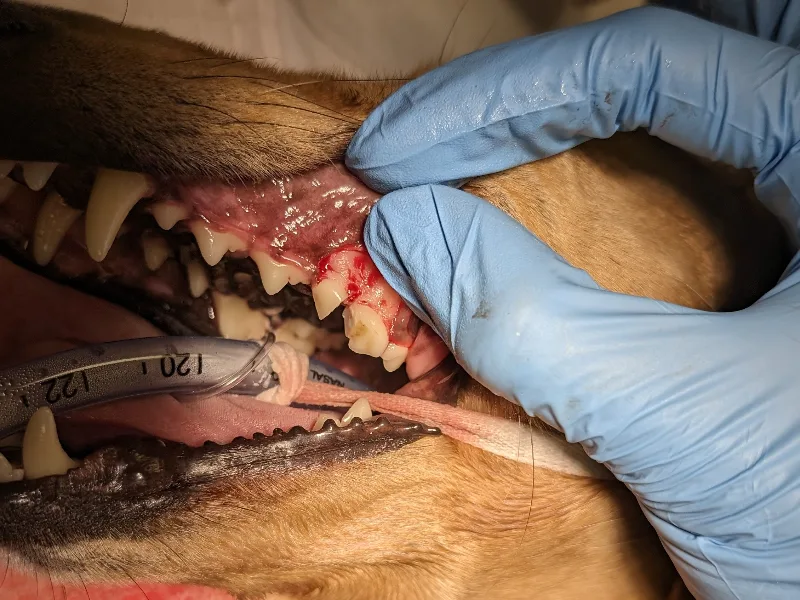
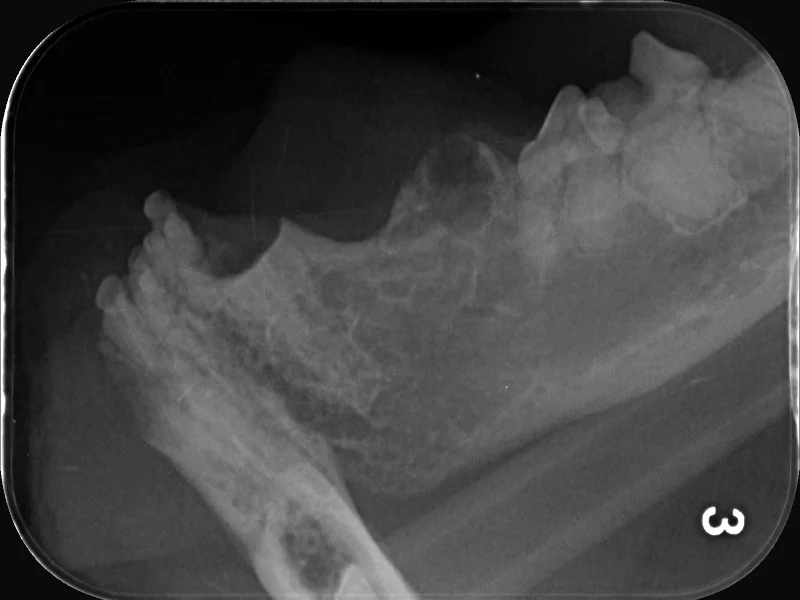
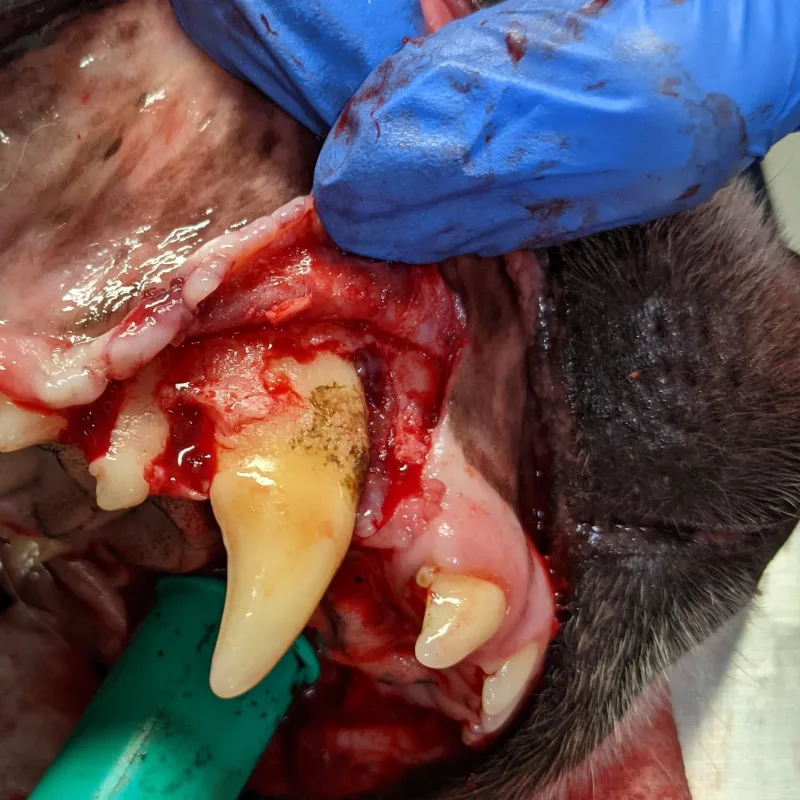
One thing we always explain clearly is that we can’t know the full extent of the disease until the pet is under anaesthesia. That’s because not every patient has obvious gum recession or exposed tooth roots. In fact, most of them don’t. The gums can look relatively normal even though there are deep periodontal pockets and extensive bone loss beneath the surface.
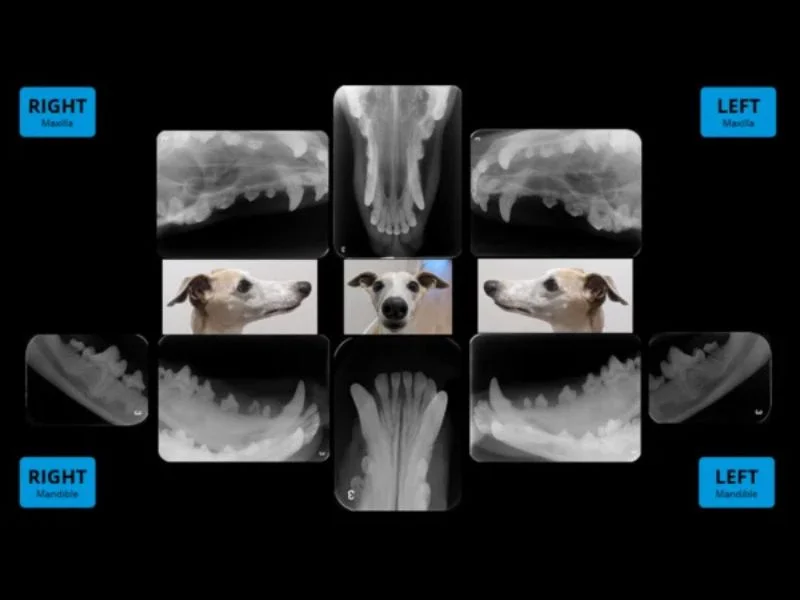
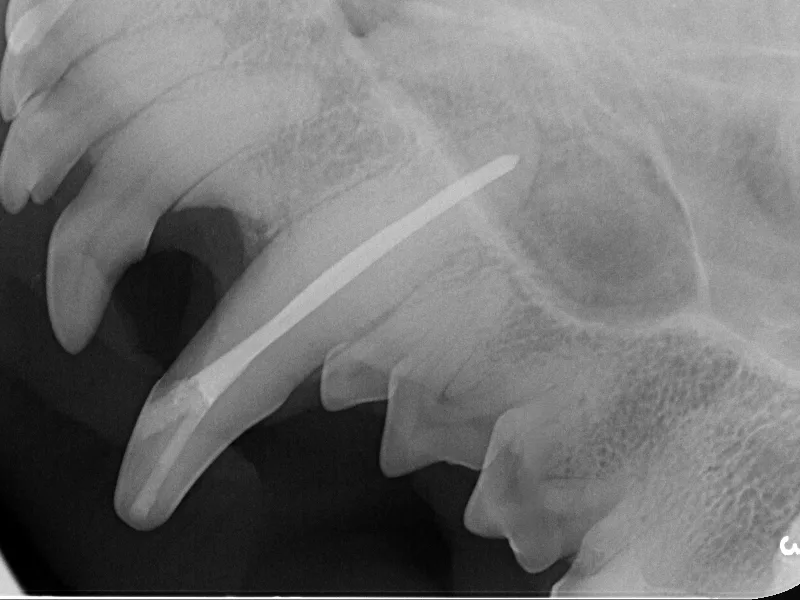
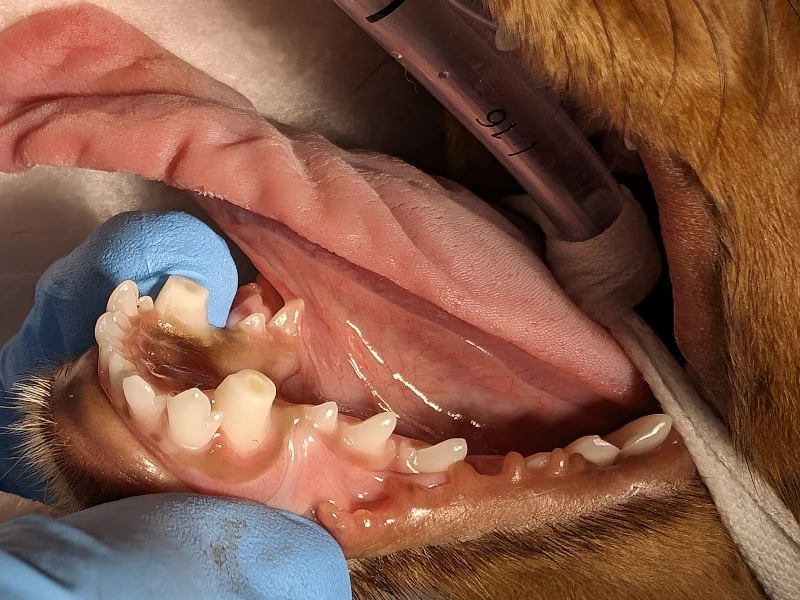
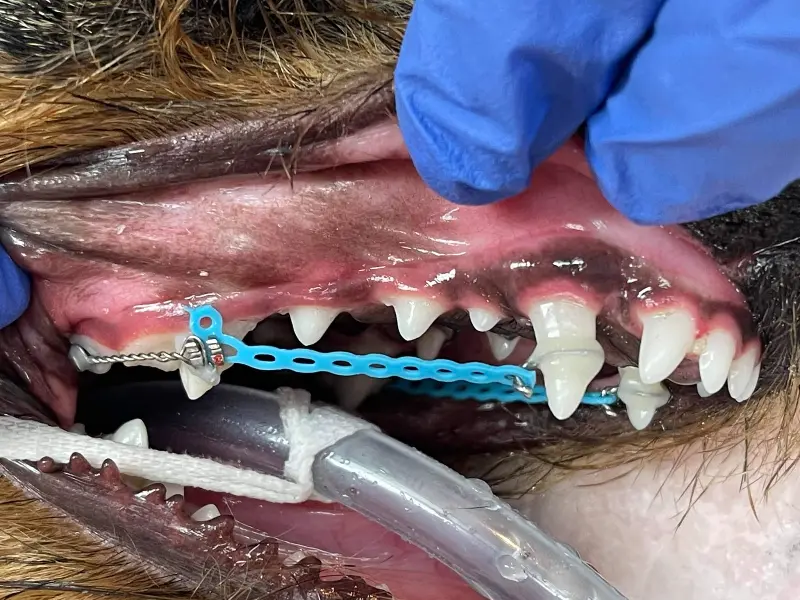
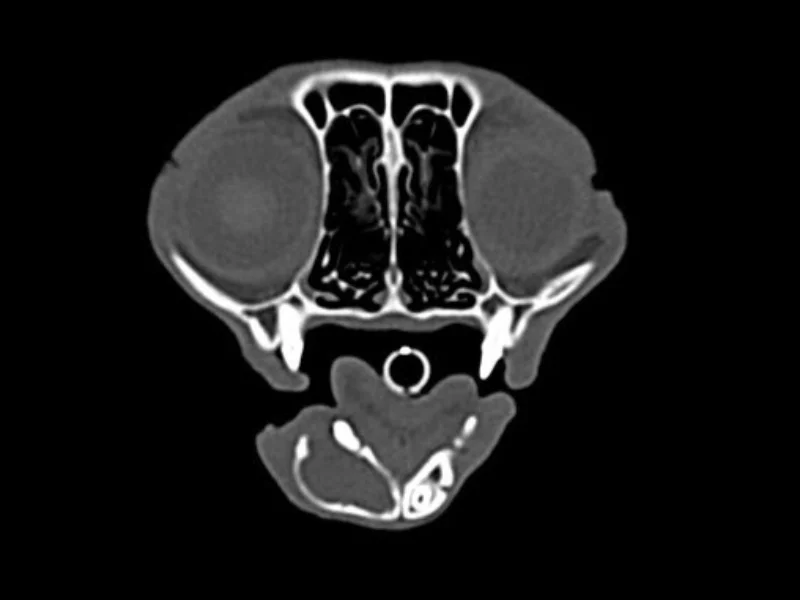
Under anaesthesia, we can examine the entire mouth, probe around each tooth and take dental X-rays to assess the supporting structures. Depending on what we find, some teeth may only need cleaning, while others will need to be extracted.
It can be difficult for owners to hear the word ‘extractions’ at first, as many aren’t really expecting it. But once a tooth has lost too much of its supporting ligament and bone, cleaning won’t restore that support. And if deep pockets remain, bacteria can quickly build up again in hard-to-reach areas. We find that when owners understand this from the beginning, they’re more comfortable with any necessary changes to the treatment plan following our assessment.
Explain why dental treatment is only the beginning
Another important conversation to have with owners is that a scale and polish treats the current problem, but it doesn’t mean their pet is cured forever. Without ongoing care, plaque will build up again, and the disease can return quite quickly. Regular professional cleaning will still likely be needed every six to twelve months.
Next, we discuss ongoing home care. Toothbrushing mechanically disrupts the bacterial film before it matures, which forces the whole community to start rebuilding from scratch. To be effective, this needs to be done every day or at least every second day. Otherwise, the plaque has enough time to start to harden into tartar, making it very difficult to dislodge via brushing.
Toothbrushing doesn’t have to feel overwhelming for pet families. We’ve created some detailed guides for dog and cat owners to help get started.
We’re often asked whether dental diets, chews or water additives can do the same job.
While they can enhance your pet’s oral health routine, they cannot take the place of toothbrushing. Antiseptics can’t effectively penetrate mature biofilm, and chews only reach certain teeth (and not below the gumline at all).
Address the concerns that can prevent owners from accepting dental care
Knowledge is a powerful tool, and we find most owners are more accepting of treatment recommendations once they have it. But it’s natural for them to have questions. Some of the most common include:
- Extractions: Some owners are adamant that their pet shouldn’t undergo extractions, so helping them see why certain teeth can’t be saved is crucial.
- The consequences of delaying treatment: Because periodontal disease is largely unseen, it can be easy to assume it’s fine to wait. However, untreated disease can cause ongoing pain, infection and inflammation. Older pets and those with diabetes, Cushing’s disease or compromised immune systems may be more susceptible to severe disease.
- Repeat procedures and costs: Owners may question why their pet needs another procedure or why costs vary. Being upfront about the likelihood of future dental work and what it may involve can help them make informed decisions.
“The gums can look relatively normal even though there are deep periodontal pockets and extensive bone loss beneath the surface.”
Better conversations lead to better dental care
We want pets to have healthy, comfortable mouths for as long as possible. That takes more than just treating dental disease. It also means helping families recognise the need for proactive oral health care to prevent it from becoming severe.
At Advanced Animal Dentistry, we welcome referrals for complex dental cases and are always happy to assist referring vets. We also have a range of resources for pet owners that may help with those more difficult dental conversations.