
Periodontal Disease

Periodontal disease, or Perio, is the predominant concern in Veterinary Dentistry when it comes to dogs. Studies consistently reveal that a striking 80-85% of dogs aged three years or older contend with some degree of Periodontal disease, making it a pervasive and critical focus in veterinary care. Importantly, this disease’s impact intensifies with age, signifying its chronic and progressive nature.
The Role of Plaque in Periodontal Disease

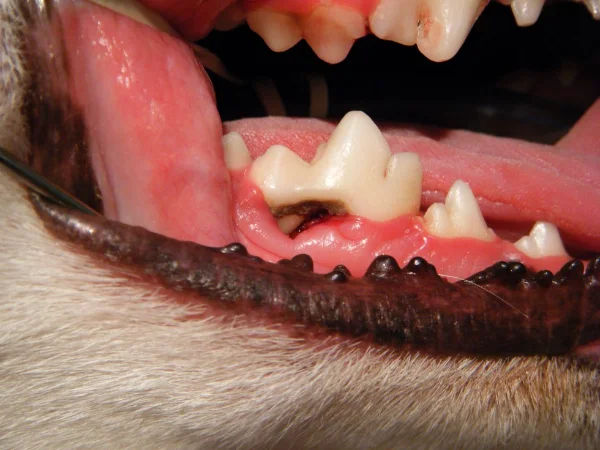
Plaque is the primary cause of periodontal disease. This seemingly harmless substance accumulates on the teeth and is composed of a complex mix of bacteria. These bacteria form a biofilm—a dense community working together to thrive.

When plaque forms, it interacts with the immune system of the surrounding tissue, primarily affecting the gums or gingiva.

This interaction can lead to inflammation and various stages of periodontal disease if not addressed properly.

“Periodontal disease often begins silently, but early care protects your pet’s long-term comfort and health.”

Gingivitis - The Reversible Initial Stage

The initial phase of periodontal disease is Gingivitis, characterised by visibly inflamed and red gums. Gingivitis is fully reversible with appropriate treatment.

The key to addressing Gingivitis is the physical removal of plaque, especially from beneath the gumline. This allows the affected tissues to heal and return to a healthy state.

Regular cleaning and dental care are crucial in preventing the progression from Gingivitis to more severe stages of periodontal disease.
Periodontal-Disease-Systemic-Implications

Periodontitis and Systemic Implications

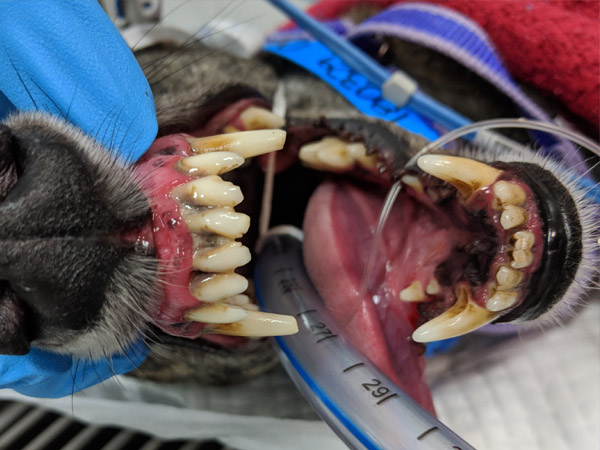
If Gingivitis is left untreated, it progresses to Periodontitis, a more severe and irreversible stage. In Periodontitis, plaque accumulation deepens the pockets between the gums and teeth, leading to tissue damage. This damage extends to the ligaments and bone supporting the teeth, ultimately resulting in tooth loss and pain.

Additionally, the bacteria from plaque and the chronic immune response create inflammation potentially impacting vital organs such as the heart, kidneys and liver. Managing periodontal disease is critical not just for oral health but also for overall wellbeing, emphasising the need for routine dental care and early intervention.

Meet the Author

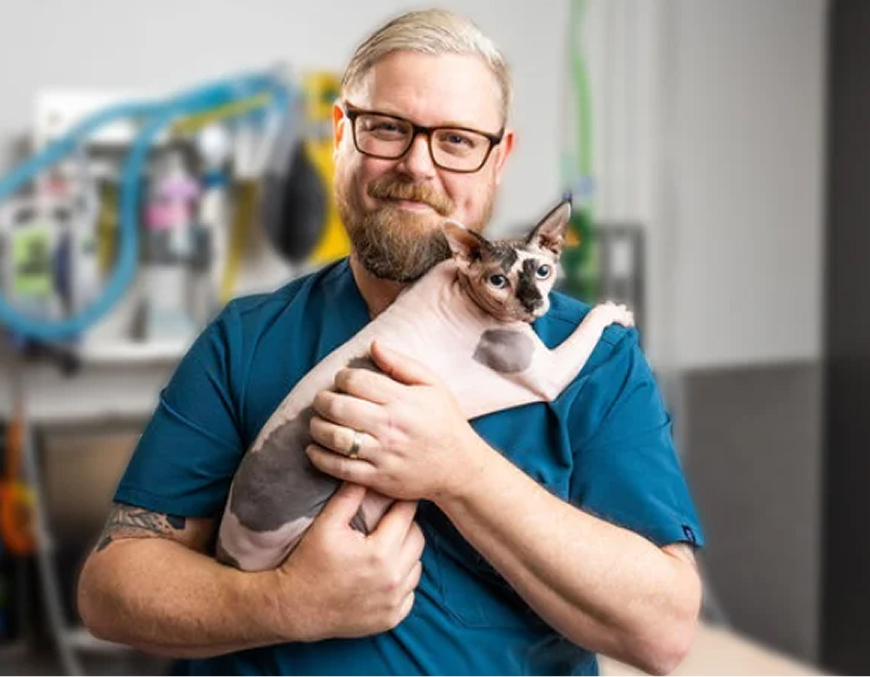
Aaron Forsayeth

BVSc (Hons) MACVSc (Veterinary Dentistry)

Hi, I’m Dr Aaron Forsayeth, and I’ve had quite the journey in veterinary medicine. Originally, I never imagined myself pursuing dentistry.
I spent my initial years in general practice until a chance meeting with Dr Gary Wilson changed my career path. He inspired me to explore veterinary dentistry, and together, we co-founded Advanced Animal Dentistry in 2006. It’s ironic, considering I used to dread dental procedures, but with the right knowledge and skills, it became a passion that I absolutely love to this day.

FAQs

What exactly is periodontal disease in dogs and cats?

Periodontal disease is a progressive infection of the gums and supporting tooth structures, typically starting as gingivitis and potentially progressing to bone loss.

What symptoms should I look for if my pet might have gum disease?

Signs such as bad breath, red or bleeding gums, tartar buildup, or discomfort when chewing often indicate early gum inflammation. Often, there are no noticeable signs. You can find helpful prevention tips on our Pet Homecare.

How can periodontal disease affect my pet’s overall health?

Because bacteria from infected gums can enter the bloodstream and strain vital organs, understanding how dental care protects general health is important, and we explain this further on our Pet Dental Cleaning page. 

What causes periodontal disease and how can I prevent it?

Plaque that hardens into tartar is the main cause, but daily brushing can significantly reduce risk, as shown in our guides on brushing your dog’s teeth and brushing your cat’s teeth.

When should I seek professional dental treatment for my pet?

If your pet has swollen gums, loose teeth, or persistent bad breath, it’s time for a full exam and professional cleaning. These should also be scheduled proactively, as periodontal disease can have no obvious signs or symptoms, which makes regular checkups critical.

Key Takeaways

Periodontal Disease Begins Before You Can See It

Gum inflammation often starts quietly, which is why regular checks are essential for early detection.

Bacteria Can Affect Whole-Body Health

Untreated gum disease allows bacteria to enter the bloodstream, placing stress on vital organs over time.

Daily Homecare Slows Disease Progression

Simple routines like brushing and using the right dental products can significantly reduce plaque and protect gums.

Professional Cleanings Treat the Root of the Problem

Thorough dental care under anaesthesia is the only way to properly assess and treat disease below the gumline—where periodontal disease develops.

Next steps

For Pet Owners

Are you concerned about your pet’s dental health? Call 1300 866 848 or fill out the contact form. We’ll coordinate with your primary vet to ensure the best outcome.

For Vets & Nurses

We’re here to help. If you’d like to refer a patient, please call us at 1300 866 848 , complete the referral form or email us with a brief case summary, relevant radiographs and lab results.

For advice and treatment guidance, email us with a brief case summary, relevant radiographs and lab results.


Refer a Patient Contact Us

Advanced Veterinary Dental Services

A comprehensive range of dental and oral surgery treatments.

Contact Us    Refer A Patient
Complex Anaesthesia

We assess each patient individually, considering their health history, age and any concurrent medical conditions, to tailor the anaesthetic approach to their specific needs.

Surgical Extractions

Removing complex teeth safely and with minimal impact.

Vital Pulpotomy

A vital pulpotomy is a time-sensitive procedure used to preserve the life of a tooth when the pulp becomes exposed due to trauma or dental treatment.

Jaw Fractures

Jaw fractures in pets require precise treatment to restore both structure and function, with a strong focus on proper bite alignment.

Periodontal Treatment

Periodontal treatment goes beyond routine dental care to address the deeper damage caused by advanced gum disease.

Oral Surgery

Pet oral surgery can help treat dental problems, injuries, and other conditions affecting your pet’s mouth. Learn about the available procedures and how they can improve your pet’s comfort and oral health.

Dental and Oral Imaging

Dental and oral imaging helps veterinarians identify dental problems that may not be visible during a routine examination. Learn how these imaging techniques support accurate diagnosis and effective treatment for your pet.

Root Canal Therapy

Root canal therapy can help save a damaged or infected tooth while relieving pain in pets. Learn how this dental procedure works and how it can help preserve your pet’s natural teeth and oral health.

Gingivoplasty

This procedure involves reshaping gum tissue to guide the eruption of canine teeth into a correct position, preventing traumatic occlusion and avoiding more invasive treatments.

Crown Height Reduction

Reducing the height of misaligned canine teeth and protecting the exposed pulp with a filling helps prevent chronic pain, preserve jaw structure and avoid extraction.

Inclined Plane – Crown Extensions

Orthodontic appliances like inclined planes or crown extensions can reposition misaligned canine teeth, preventing trauma and preserving tooth function without altering their shape.

Dog Braces (Orthodontics)

To address mesioverted  (‘lanced’ maxillary canine teeth) and manage linguoversion when the maxillary diastema (the space between the third incisor and canine teeth) is too narrow.

Restorations

Restorative dentistry repairs damaged teeth in pets, often using crowns, veneers and fillings. These procedures restore dental structure and function, ensuring long-term oral health.

Professional Dental Cleaning

Thorough cleaning and examination under anesthesia remove plaque and calculus, preventing periodontal disease and ensuring long-term oral health in pets.

Mandibulectomies and Maxillectomies

These surgeries involve partial or complete removal of the jaw to treat malignant oral tumours. Treatment options vary and may include surgery, chemotherapy or radiation.

Crown Amputation for Tooth Resorption

This procedure, often used for tooth resorption, involves removing the tooth crown while leaving the resorbing root remnant intact. It’s less invasive and used in cases where traditional extraction is no longer possible. Regular follow-up is recommended.











