

Ferris
Ferris presented with advanced periodontal disease, bilateral oronasal fistulae, severe gum recession around both upper canine teeth, heavy plaque deposits and paradental ulceration.
We provide comprehensive dental care for pets, addressing a broad range of common oral health issues with precision and compassion. Our experienced team manages conditions such as periodontal disease, fractured or damaged teeth, malocclusions, tooth resorption and stomatitis. Each patient receives tailored care to ensure effective treatment and optimal outcomes, prioritising their overall comfort and health.
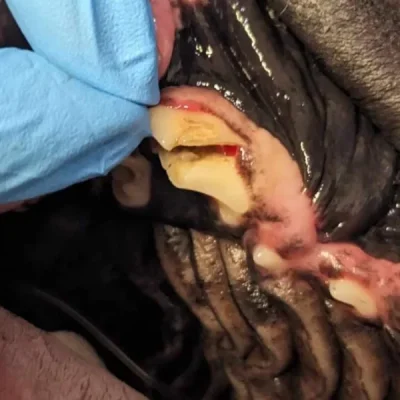
Broken or fractured teeth in pets can cause pain, discomfort, and difficulty eating. Learn about the signs, treatment options, and how to protect your pet’s dental health.
Read More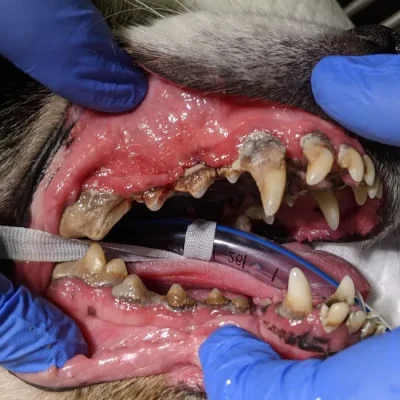
Inflamed gums in pets can cause redness, swelling, and discomfort around the teeth. Learn about the common causes, signs, and treatment options to help maintain your pet’s oral health.
Read More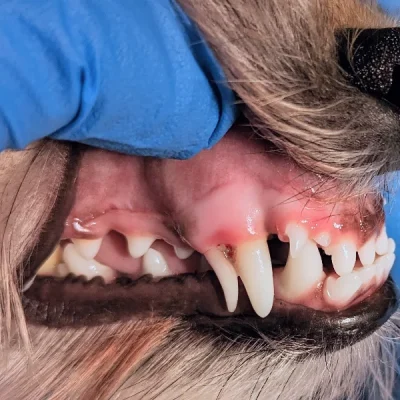
When a dog’s baby teeth fail to fall out, it can cause improper alignment of adult teeth, increasing the risk of malocclusion and gum disease.
Read More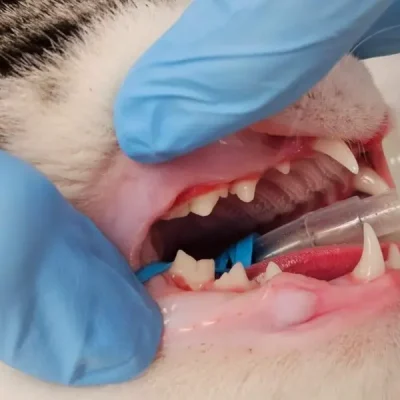
This condition occurs when a tooth in the upper jaw damages the tissue near a lower molar, causing discomfort and potential periodontal disease, often requiring reshaping or extraction.
Read More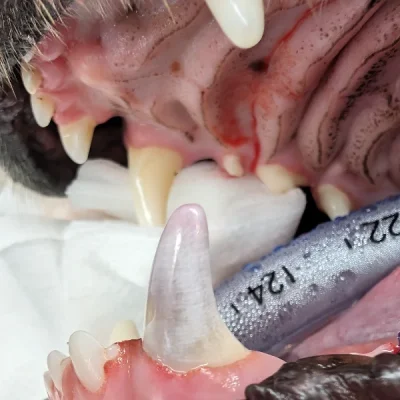
Internal discolouration in teeth often indicates underlying trauma, resulting in colours like pink, blue or grey. These teeth are usually dead, requiring root canal therapy or extraction.
Read More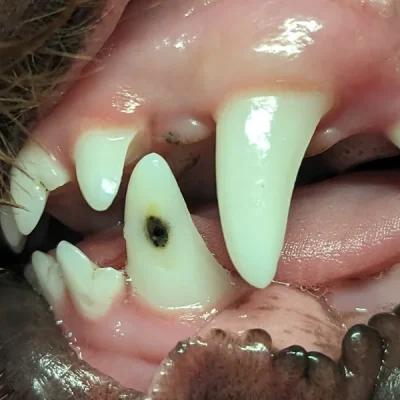
Thinning or absent enamel increases tooth sensitivity, plaque buildup and risk of damage. Treatment focuses on protecting or rebuilding the tooth structure.
Read More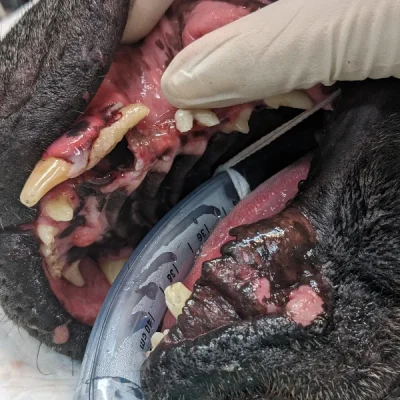
When a tooth is completely knocked out or displaced from its socket due to trauma, prompt repositioning is critical to preserve the tooth and allow for proper healing.
Read More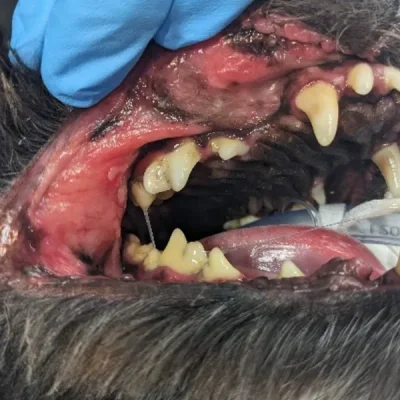
This painful oral disease causes severe inflammation and ulceration. Treatment includes strict plaque control, regular dental care, or full mouth extractions in severe cases.
Read More
This painful oral disease in cats causes severe inflammation and ulceration. Treatment often requires full mouth extractions, as medical management alone is insufficient.
Read More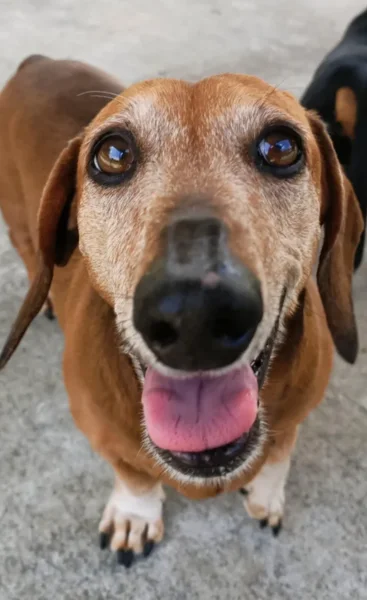
Ferris presented with advanced periodontal disease, bilateral oronasal fistulae, severe gum recession around both upper canine teeth, heavy plaque deposits and paradental ulceration.

Pip presented with a tight bite, a narrowed left maxillary diastema and linguoversion of the lower canine teeth.

Minnie underwent a thorough diagnostic process, including FIV/FeLV testing, biochemistry, and full-mouth radiographs.

Ally is a beautiful Greyhound with complex cardiac risks who safely underwent anaesthesia for dental treatment, thanks to specialist anaesthetic management.
Ferris presented with advanced periodontal disease, bilateral oronasal fistulae, severe gum recession around both upper canine teeth, heavy plaque deposits and paradental ulceration.

Pip presented with a tight bite, a narrowed left maxillary diastema and linguoversion of the lower canine teeth.

Minnie underwent a thorough diagnostic process, including FIV/FeLV testing, biochemistry, and full-mouth radiographs.

Ally is a beautiful Greyhound with complex cardiac risks who safely underwent anaesthesia for dental treatment, thanks to specialist anaesthetic management.


