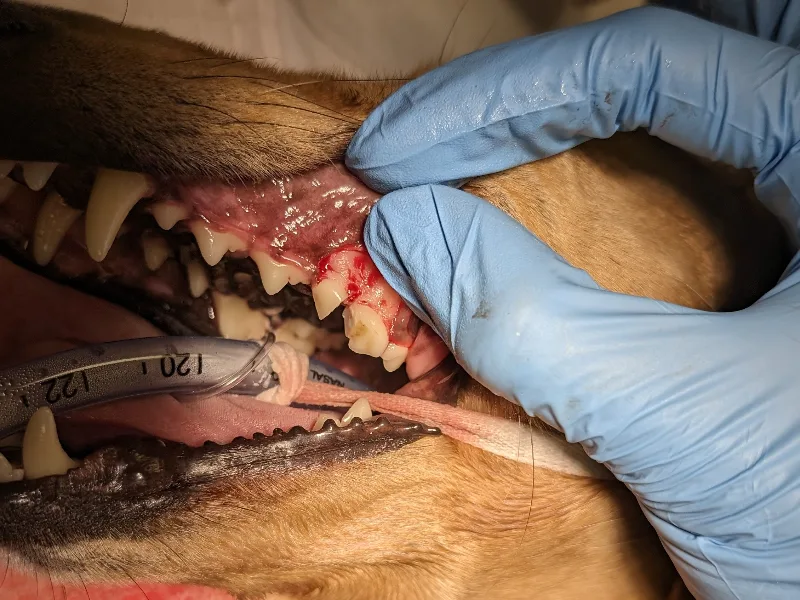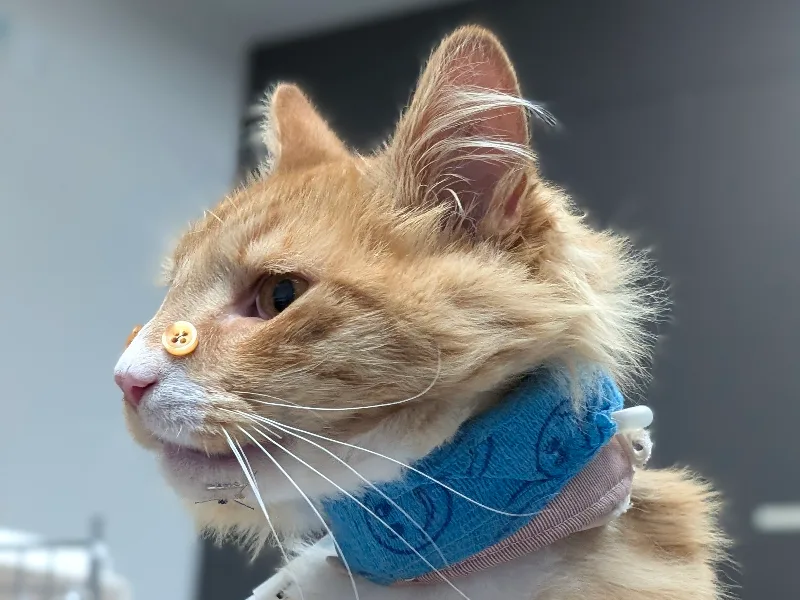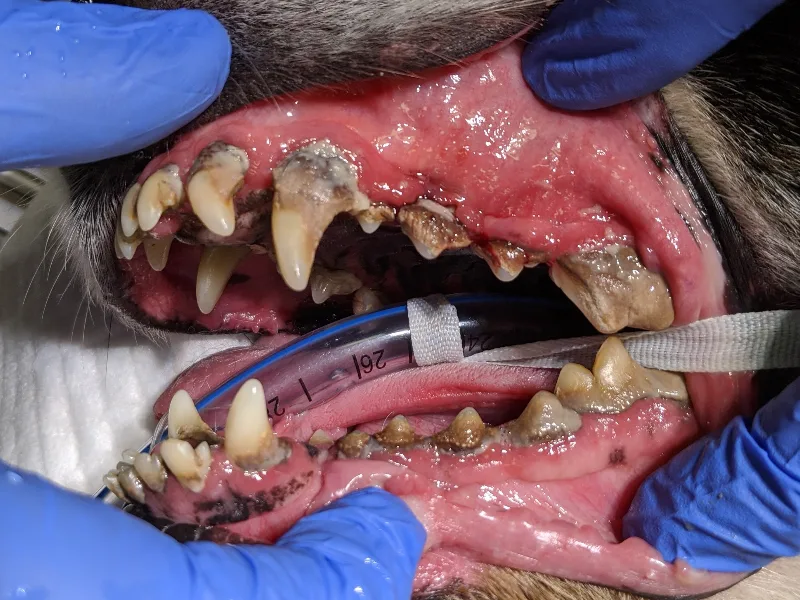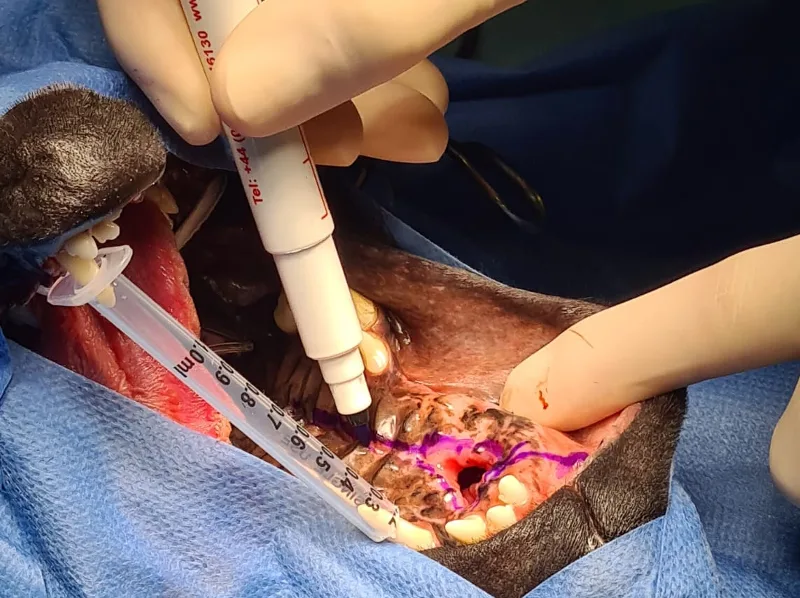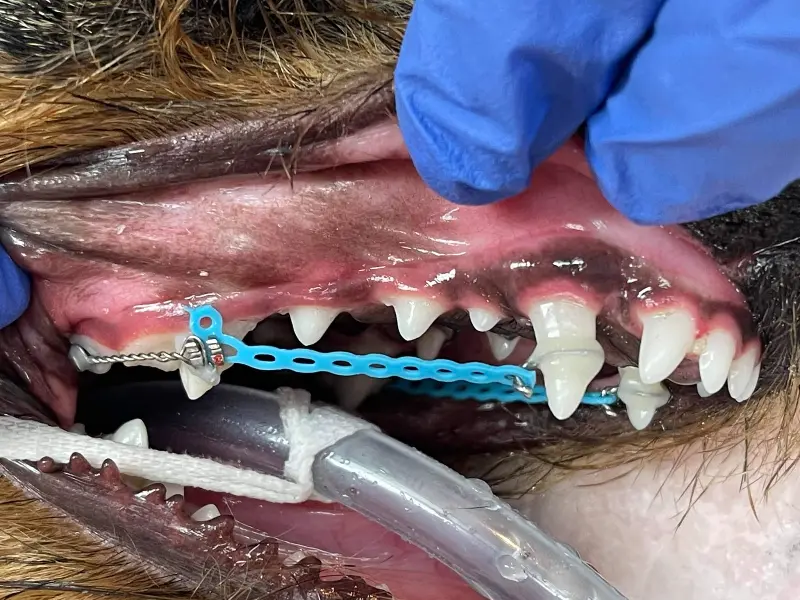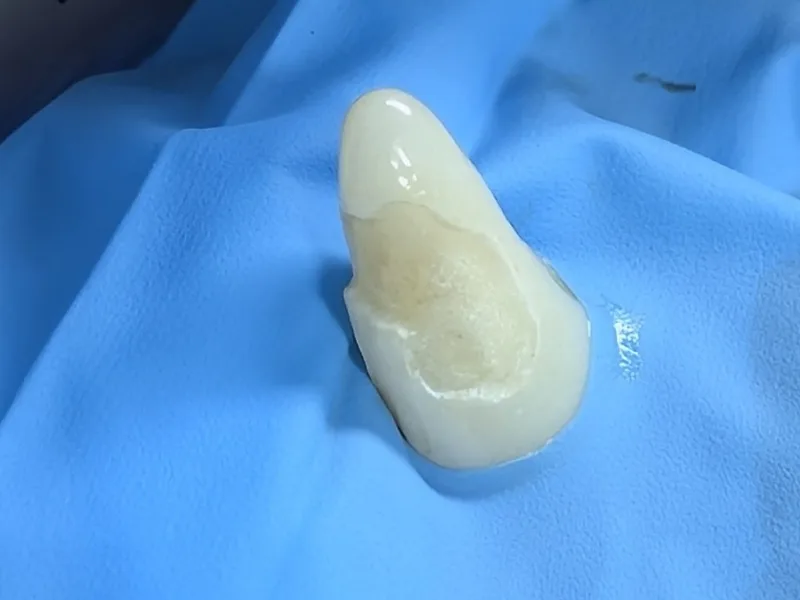

We assess each patient individually, considering their health history, age and any concurrent medical conditions, to tailor the anaesthetic approach to their specific needs.

An owner’s fear of anaesthesia keeps many pets from getting the dental care they need, even as hidden conditions like periodontal disease cause ongoing pain. But with specialist anaesthesia tailored to each patient, expert-led monitoring makes dental procedures far safer than most owners realise—giving pets the treatment they need without unnecessary risk.
At Advanced Animal Dentistry, our specialist dental team provides a full range of veterinary dental services, including routine care, periodontal treatment and surgical extractions. These procedures require general anaesthesia, and for pet owners seeking the highest level of care—whether due to medical concerns or simply for peace of mind—we offer specialist anaesthesia to ensure the safest possible experience.
Why pet owners worry about anaesthesia
Many owners worry that their pet is too old or has too many health issues to safely undergo anaesthesia. While age and medical conditions can increase risk, they don’t automatically make it precarious—what matters is careful planning and expert oversight.
Another common misconception is that all anaesthesia carries the same level of risk. In reality, specialist-led care involves precise monitoring and tailored medication plans, ensuring the highest level of safety at every stage.
Some owners have had past experiences where their pet struggled under anaesthesia, which understandably leads to hesitation about future procedures. However, many complications can be avoided with specialist anaesthesic care that factors in the pet’s full medical history, underlying conditions and individual needs.
“Specialist anaesthesia isn’t about taking extra risks — it’s about managing them safely.”

When specialist anaesthesia is necessary or preferred
Determining whether a pet needs specialist anaesthesia isn’t a simple yes or no decision. Vets assess each case individually, and they consider factors like overall health, medical history and procedure length.
To help guide this process, we use the ASA (American Society of Anesthesiologists) scale, which ranks anaesthetic risk from 1 (lowest) to 5 (highest). While most pets undergoing routine procedures fall into the lower categories, those classified as ASA 3 or higher may require an expert-led approach to ensure the best possible outcome.
Some health conditions typically require specialist anaesthesia, though not in every case. Pets with significant heart disease, kidney disease or endocrine disorders such as Cushing’s often have an increased anaesthetic risk, particularly when multiple conditions are present.
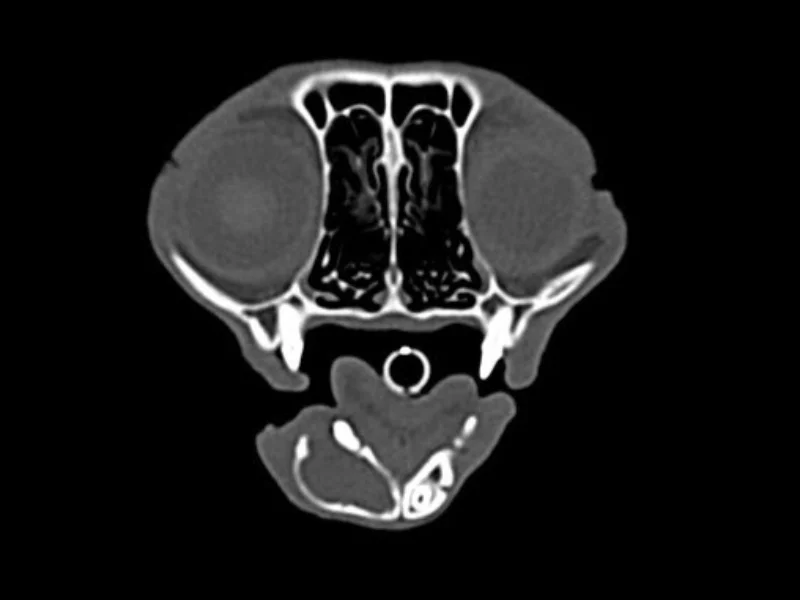
Certain breeds, especially brachycephalic dogs like bulldogs and pugs, have a naturally higher risk due to their airway anatomy. Their compromised breathing can make it more challenging to maintain a stable anaesthetic state, which increases the likelihood of complications.
Some owners also choose specialist anaesthesia even when it isn’t medically required. Whether due to a past negative experience or simply wanting the most advanced care possible, having a highly experienced anaesthetist provides reassurance that every precaution is being taken to ensure their pet’s safety.
Improving safety
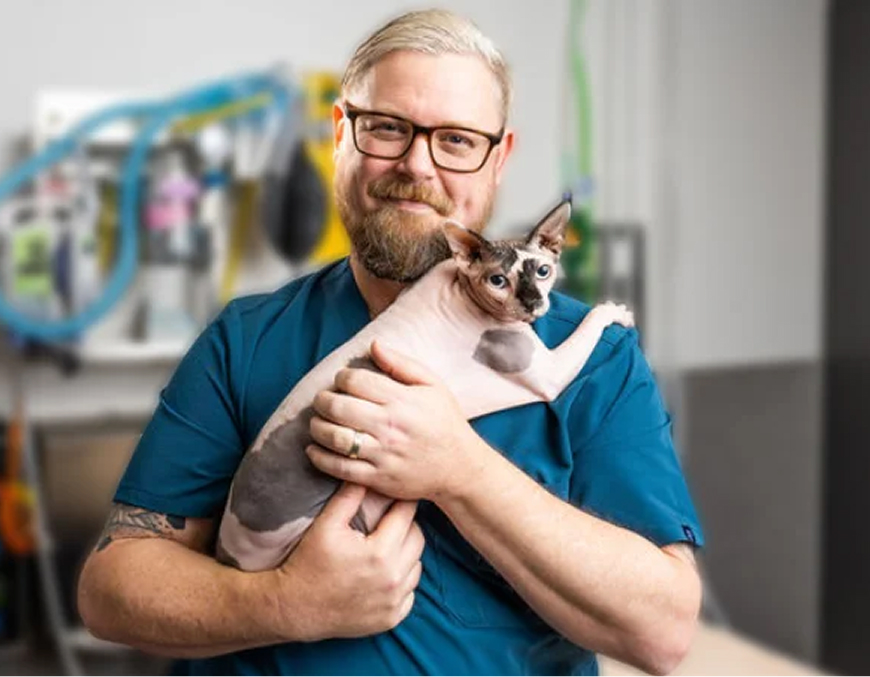
At Advanced Animal Dentistry, we’re fortunate to have the support of experts in the field, Dr Brenda Dixon and Dr Kieren Maddern for dental procedures when needed or requested by owners. We asked them to share how their role differs from that of a general vet during surgery and how their expertise helps make anaesthesia as safe as possible for every patient.
A veterinary anaesthetist’s sole focus is anaesthetic care, following a thorough pre-anaesthetic assessment.
Dr Brenda Dixon explains, “A veterinary anaesthetist is a highly trained and skilled veterinary professional who is extremely knowledgeable and experienced in all aspects of veterinary anaesthesia… Their advanced knowledge and skills will particularly increase patient safety in those higher risk patients that have specific disease states such as kidney or heart disease, have specific breed issues such as brachycephalic breeds or greyhounds or advancing age.”
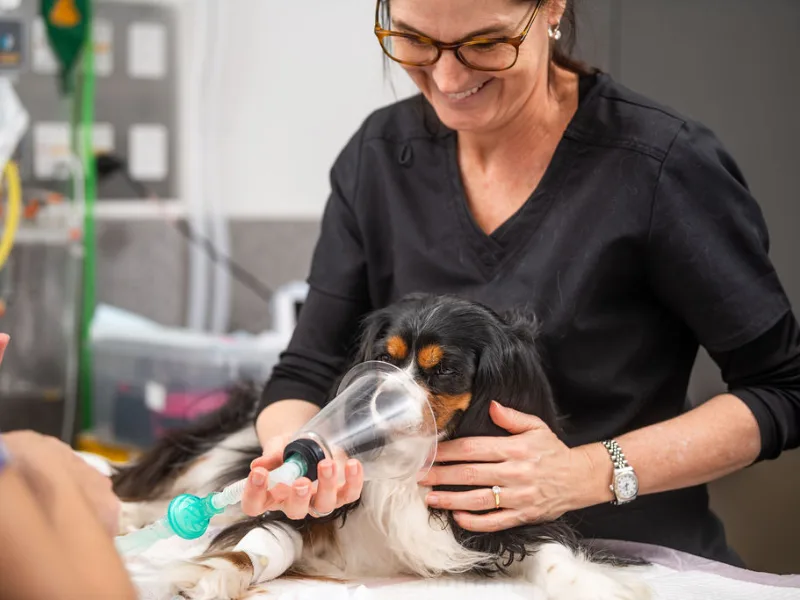
These plans are supported by advanced monitoring and diagnostic tools to pre-empt and manage complications. “I choose medications carefully to avoid placing extra strain on your pet’s heart or kidneys, and I monitor their vital signs closely throughout the procedure. If anything starts to shift — even slightly — I adjust what I’m doing straight away to keep them stable. After the procedure, I continue to support them through recovery, with pain control and careful observation to make sure they wake up smoothly and comfortably,” says Dr Kieren Maddern.
When asked about what to say to reassure nervous pet owners, Dr Kieren Maddern says, “It’s completely normal to feel nervous — our pets are part of the family. But the good news is that modern veterinary anaesthesia is very safe, especially when handled by someone who specialises in it.
My job is to be there for your pet every step of the way — from designing the safest possible anaesthetic plan, to watching them closely during the procedure, to ensuring they recover gently and without pain. I treat each animal as if they were my own, and I’m here to answer any questions you have along the way.
We use the same kinds of advanced equipment and careful monitoring you’d expect in a human hospital. Most importantly, we never lose sight of how much your pet means to you.”
“With advanced monitoring and expert oversight, anaesthesia becomes a tool for safer, more effective dental care.”

A complex anaesthesia case study
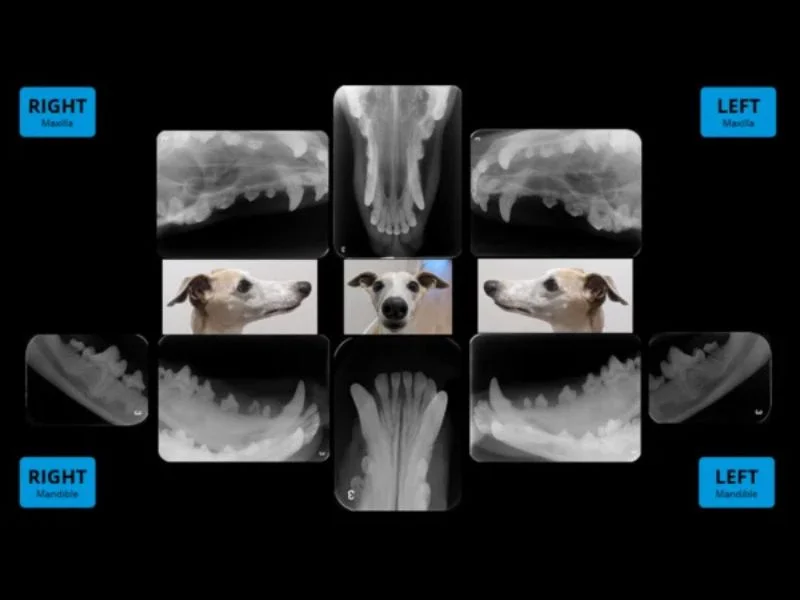
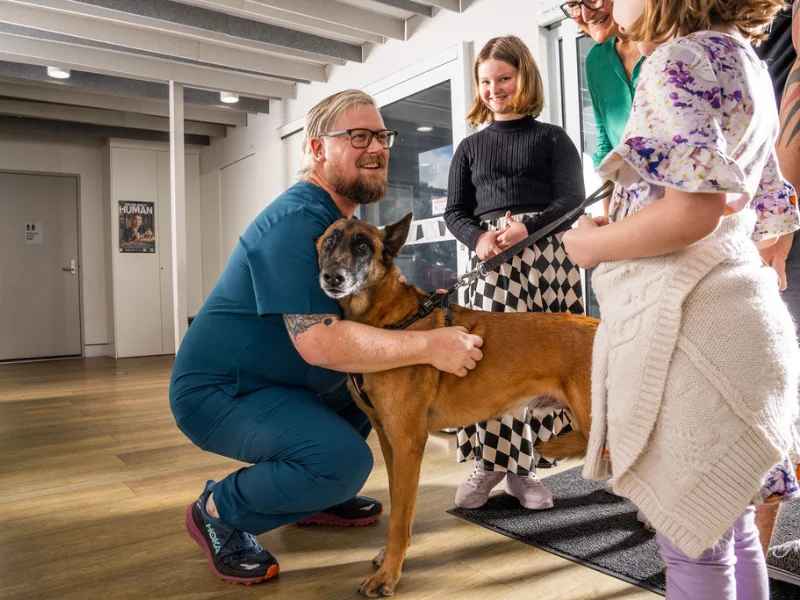
Twelve-year-old Greyhound Ally first visited Advanced Animal Dentistry in 2022 for treatment of periodontal disease. Due to concerns about malignant hyperthermia (a serious reaction to anaesthetic) and a previous hyperkalemic (dangerously high potassium levels) episode under anaesthesia, one of our experts managed her procedure. During surgery, the anaesthetist detected and controlled another hyperkalemic event and prevented potentially fatal arrhythmias.
By 2024, Ally required further dental treatment but had also developed Stage B2 myxomatous mitral valve degeneration, which increased her anaesthetic risk. Given her history, an anaesthetist was again involved to ensure her safety.
Post-recovery, Ally experienced anxiety and hyperthermia, requiring re-sedation. With this response noted, a tailored recovery plan was created for future procedures.
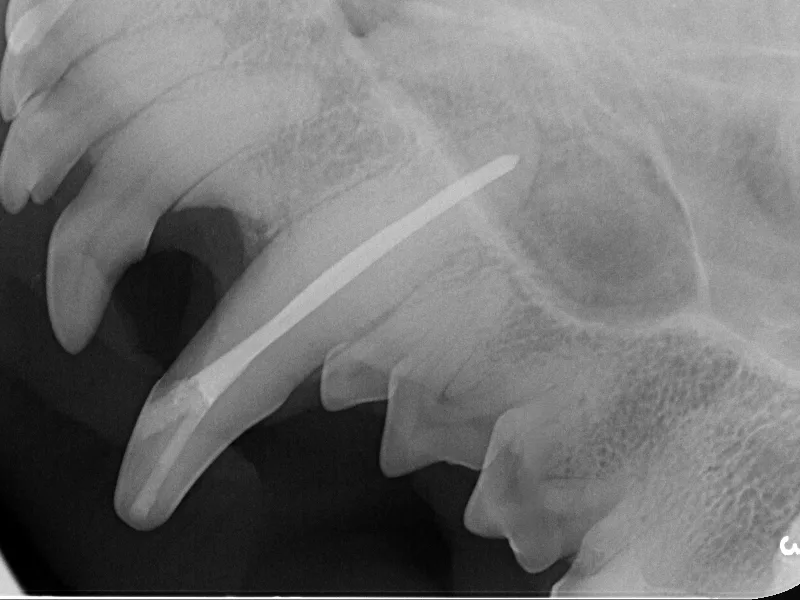
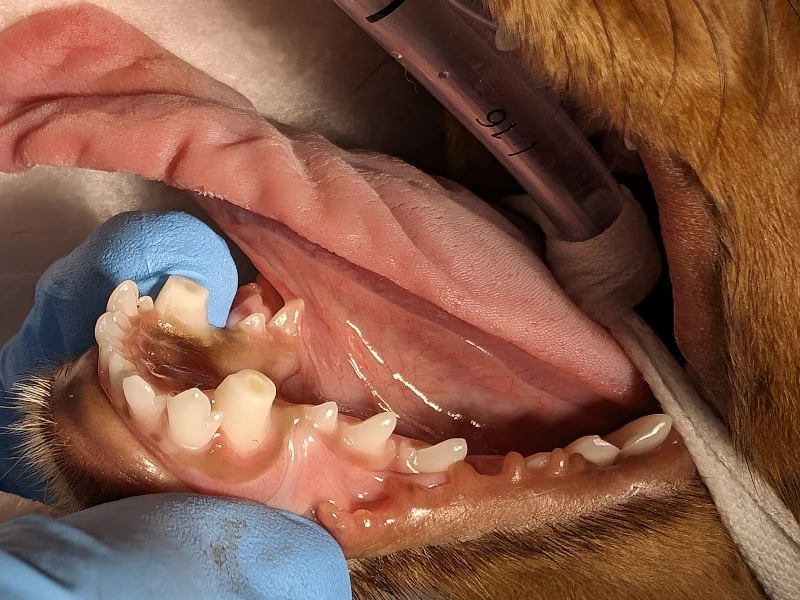
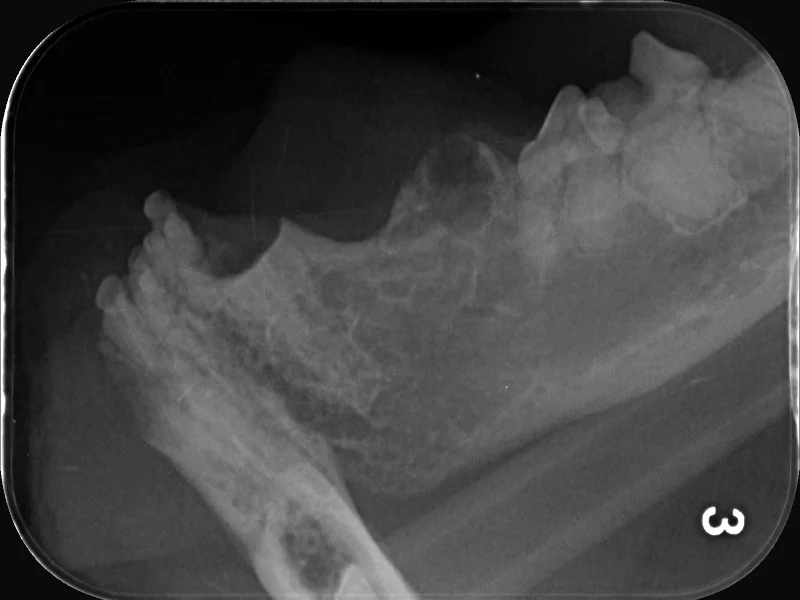
Thanks to specialist anaesthesia, Ally’s dental treatments, including extractions, radiographs and a full scale and polish, were completed without long-term complications.
“Greyhounds can be challenging to have in the hospital and anaesthetise due to their significant physiological and pharmacological differences to other dogs and the myriad of possible complications that can occur before, during and after their anaesthesia and procedure. It is with a thorough knowledge and understanding of these complexities associated with this beautiful breed combined with intense monitoring and observation that we can often prevent or mitigate complications in the first place but also promptly recognise and treat issues as they arise before they become life-threatening.
Ally’s case report is a good example of the possible serious issues ( i.e. her increasing potassium levels and her stress response and hyperthermia in recovery) that can occur and highlights the importance of diligent monitoring, allowing for the prompt recognition and treatment as complications arose leading to a successful outcome for her.” – Dr Brenda Dixon
Does your pet require specialist veterinary dental care?
When it comes to dental concerns, timely intervention ensures better outcomes, especially if your pet has underlying health issues. While it’s natural to worry about anaesthesia, the right expertise can ensure even high-risk patients undergo treatment in the safest possible way.
At Advanced Animal Dentistry in Brisbane and the Gold Coast, we specialise in dental services that preserve pet smiles. Our team features Anaesthetists, including specialists in the field, who ensure a safe, controlled environment for animals requiring extra care or for pet owners seeking additional peace of mind.
For any dental concerns with your cat or dog, feel free to call us at Advanced Animal Dentistry or fill out the contact form. We’ll coordinate with your primary vet to ensure the best outcome.
You can also visit our pet owners’ page and explore additional resources.