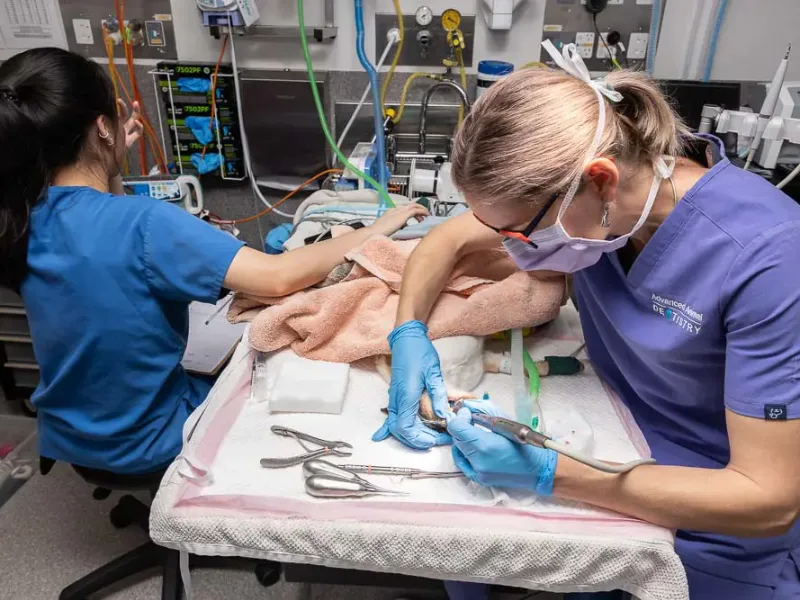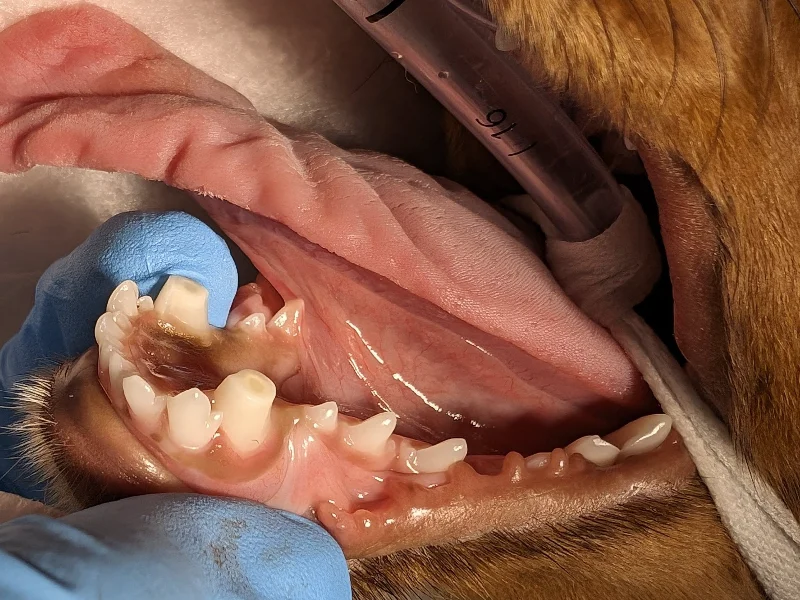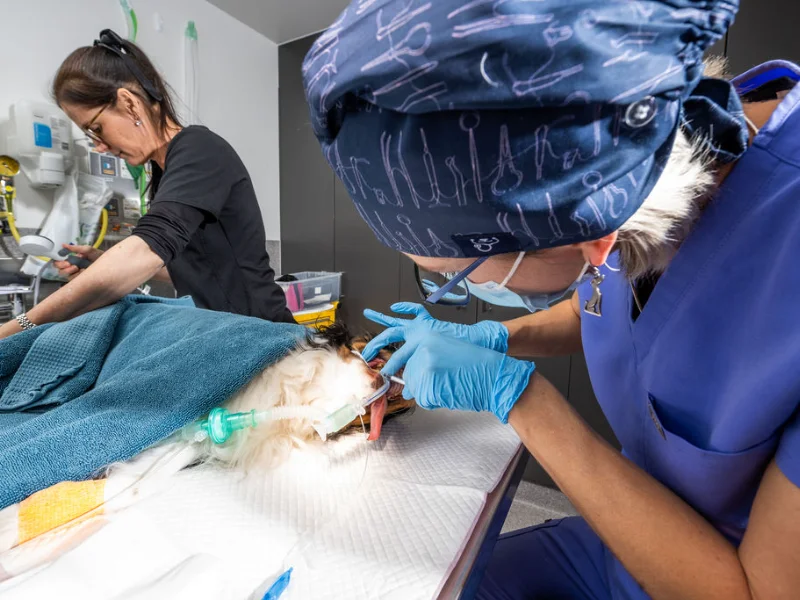

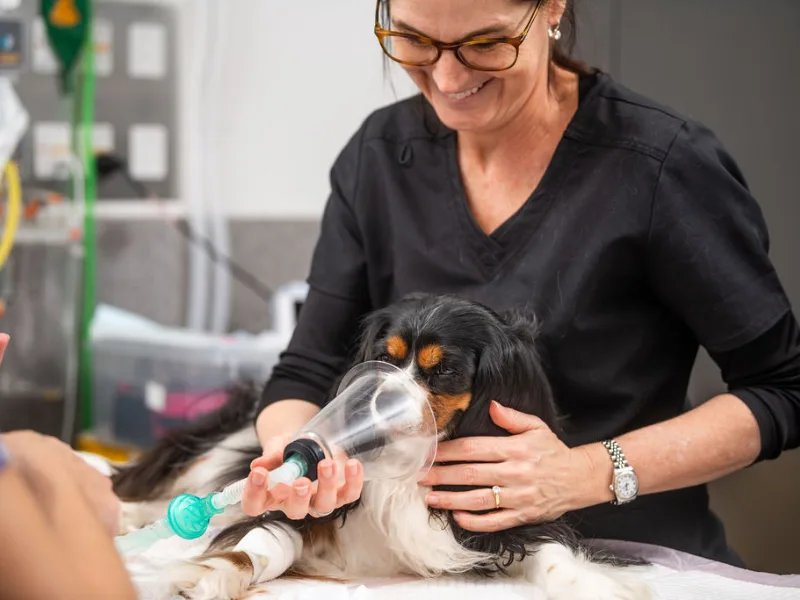
We assess each patient individually, considering their health history, age and any concurrent medical conditions, to tailor the anaesthetic approach to their specific needs.
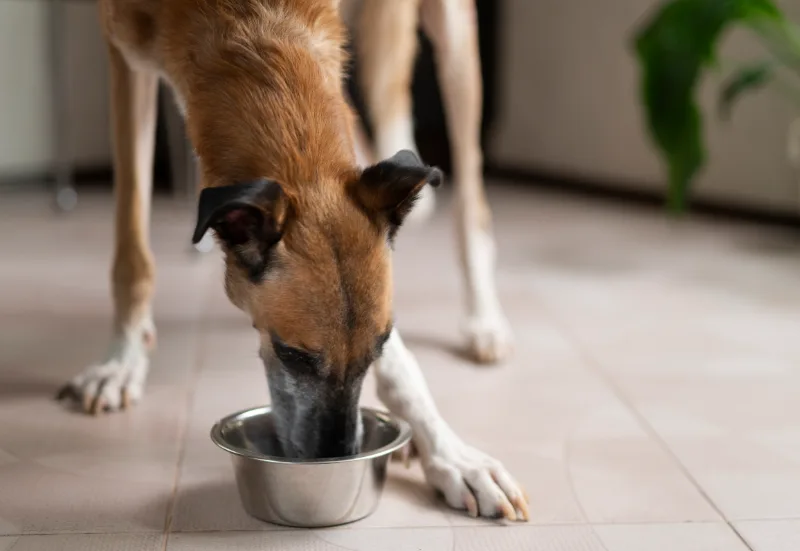
Many owners assume that if their pet is eating normally, they couldn’t possibly be suffering from dental pain. But, unfortunately, happily munching away is no guarantee.
Animals instinctively hide pain, and food is a necessity for survival, so they’ll adapt the way they chew or use their mouth rather than just stopping. This means that appetite alone is not a reliable indicator of their oral health and tells us surprisingly little about it.
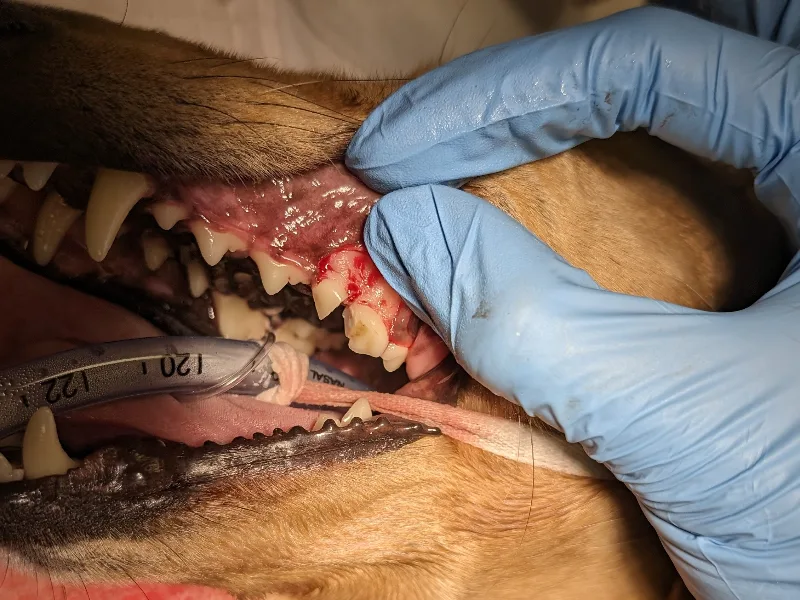
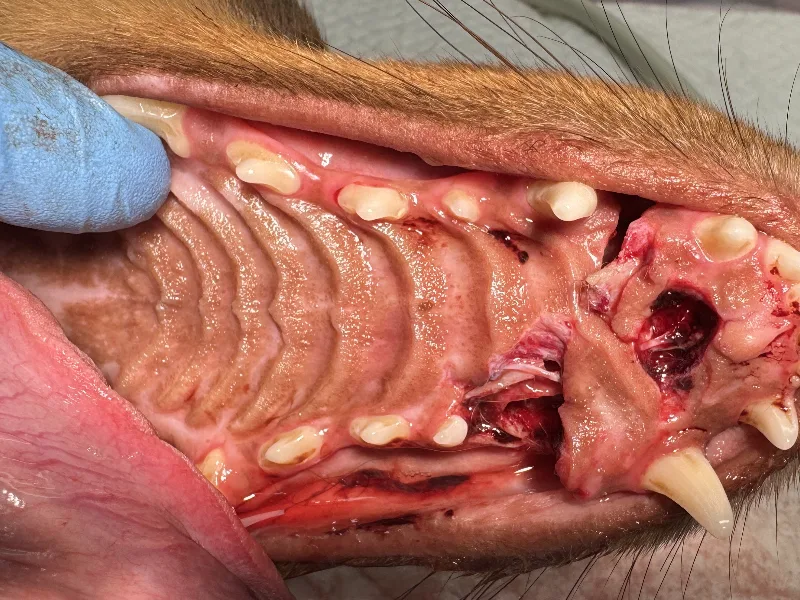
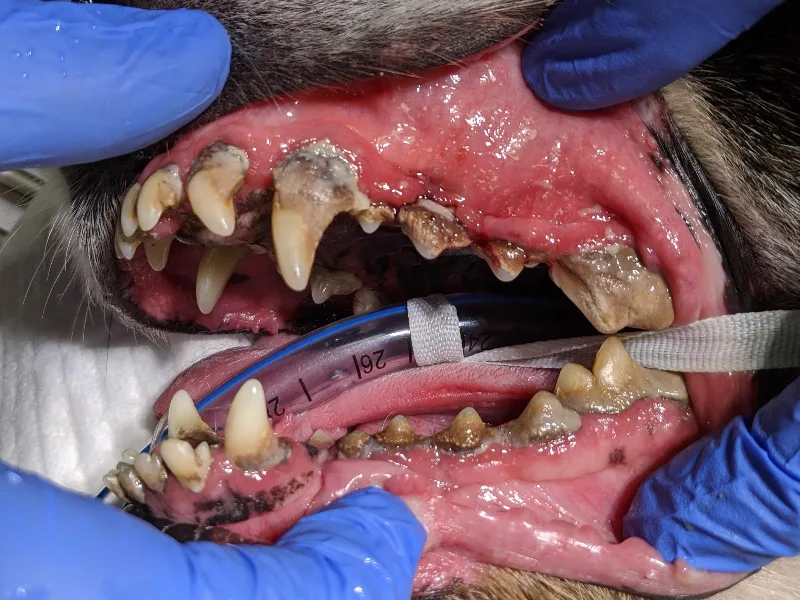
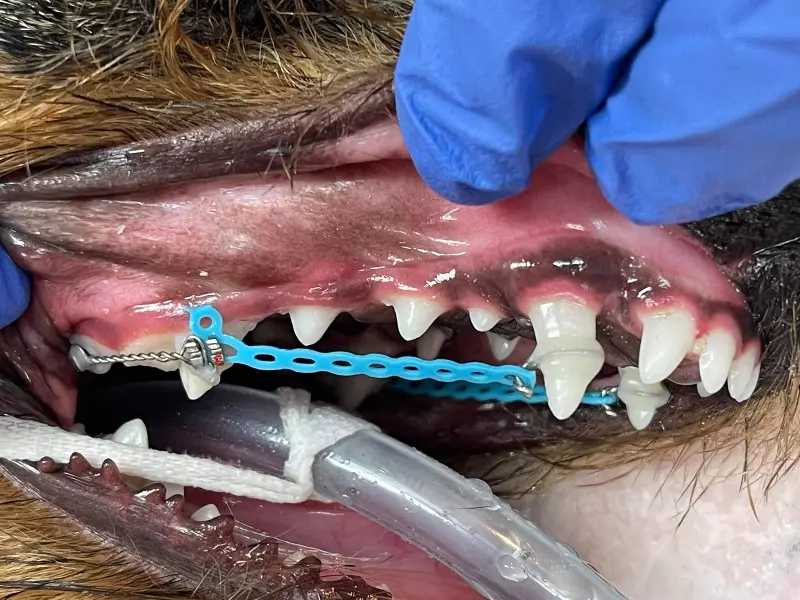
At Advanced Animal Dentistry, we regularly assess and treat a range of complex dental conditions, and yes, it’s common for patients to have extremely advanced and painful oral disease while continuing to eat, maintain weight and otherwise appear relatively normal.
So, how is this possible?
Eating and appetite are two very different things
Hunger is a biological drive. It makes sense it’d take more than some tooth pain to derail it. While many oral health issues can make biting, chewing or manipulating food quite painful, they don’t necessarily make an animal feel unwell enough not to try.
Which brings us to some of the more frequent causes of appetite loss in pets, such as nausea, fever or feeling generally unwell. These tend to point towards a broader health issue. In fact, when a pet presents to the vet specifically because it has stopped eating altogether, dental disease is rarely the first suspect. There are exceptions, and severe conditions such as stomatitis can absolutely lead to food refusal, but the investigation will usually extend beyond the mouth. When dental disease does reach the point of suppressing appetite, it is often quite advanced.
Humans are no different. A sore tooth, mouth ulcer or clicking jaw might make eating uncomfortable or even painful, but we’ll keep eating. We have to. But nausea and vomiting or fever and lethargy might slow our appetite down. The difference between us and our pets is that we’ll tell someone about the pain and get the help we need.
“An empty bowl doesn’t tell us whether an animal’s mouth is pain free.”
Pets can just eat ‘around’ dental pain
As humans, we chew our food quite well, and many of us believe animals need to do the same. Dogs and cats actually don’t. They can be very effective at bypassing a painful area of the mouth through the way they pick up food, manipulate it enough to move it towards the back and then swallow without every tooth needing to participate in the process. The basic mechanics of eating can continue even when parts of the mouth are painful.
For the most part, teeth help break food down into a manageable size for swallowing. For modern domestic pets, much of that job has already been taken care of. Kibble, wet food and other commercial diets generally come in portions that can be guzzled down as they are.
But what about bones, biscuits and hard treats? Surely, if there’s any kind of oral pain happening, a pet would avoid them? Not necessarily. A dog may continue chewing on their favourite treats while simply avoiding the area that hurts. Significant disease can still be present elsewhere in the mouth.
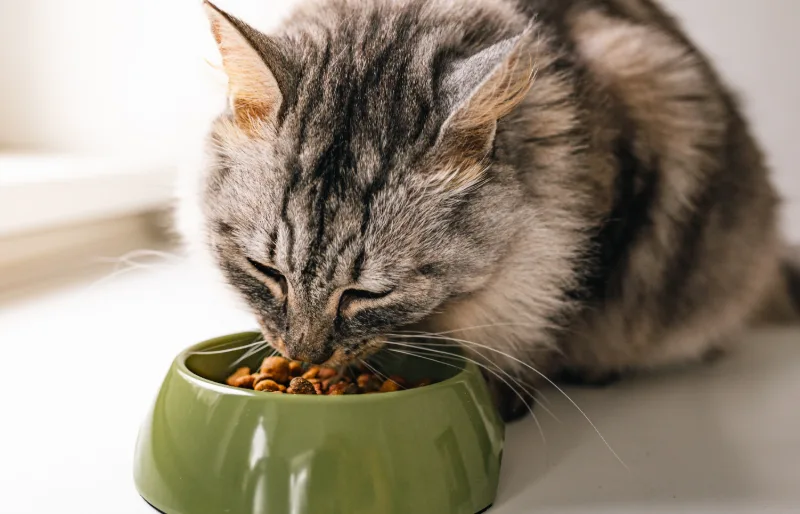
The signs of dental pain may be hiding in HOW your pet eats
So while a complete loss of appetite might not be what you’re looking for if you’re wondering about your pet’s oral health, occasionally, you can see signs in the way they’re eating.
As mentioned, they might push food straight to the back of the mouth and swallow quickly, almost in a gulping motion. This may be completely normal for pets with a tendency to inhale their meals, but some owners will recognise it as unusual behaviour. Other changes could be as small as mild unenthusiasm in a pet that normally loves when dinner hits the bowl. Or they might start preferring softer foods over the kibble they once loved.
It does take an exceptional level of observation to notice some of these differences, especially to the untrained eye, so owners shouldn’t expect to reliably gauge their pet’s oral health through eating behaviour alone. And it’s important to remember that even normal eating habits do not rule out dental trouble. This is why regular veterinary oral examinations and cleanings are so important, rather than waiting for symptoms of pain.
When oral pain finally does interfere with eating
Going back to the example of stomatitis, there are times when pets simply can’t eat their way around the problem. One of our team members had a rescue cat who still desperately wanted food and would approach the bowl, attempt to eat and then back away due to the pain. Thankfully, this was recognised quickly and resolved with treatment.
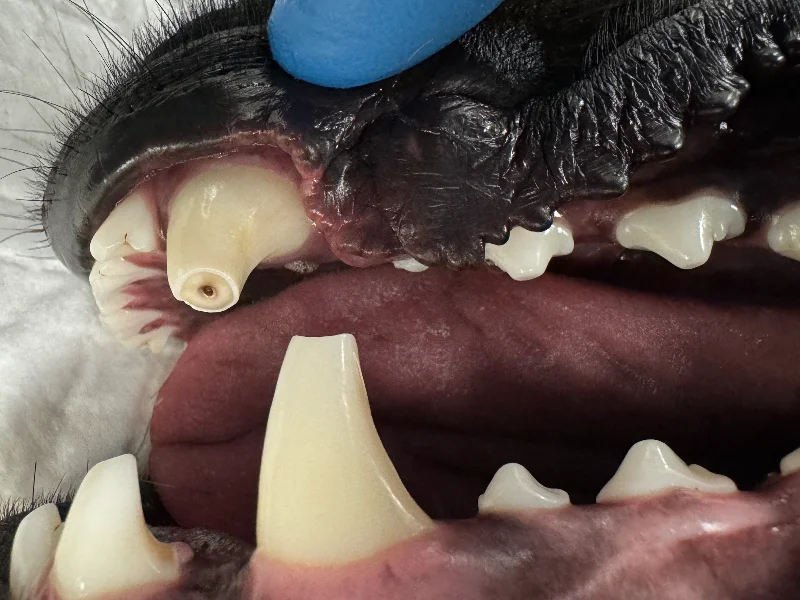
Conditions like stomatitis, which affect extensive areas of soft tissue throughout the mouth, are among the few causes of oral pain severe enough to evoke the total food avoidance that many owners expect to signal a problem. Tooth resorption in dogs and cats and dental abscesses can also cause extreme pain. Yet even with these conditions, the desire to eat will often remain.
“Pets can adapt remarkably well to dental pain, which is exactly why eating normally can be misleading.”
An empty bowl doesn’t tell the whole story
Ultimately, if a pet stops eating because of dental pain, that pain has become powerful enough to override one of its most basic survival instincts.
We recently read a case of a wild wolf whose mouth was followed over six years. At the start, it was perfectly healthy, but by the end of that period, it was an absolute mess, including badly broken teeth. And yet, it was still eating and behaving normally.
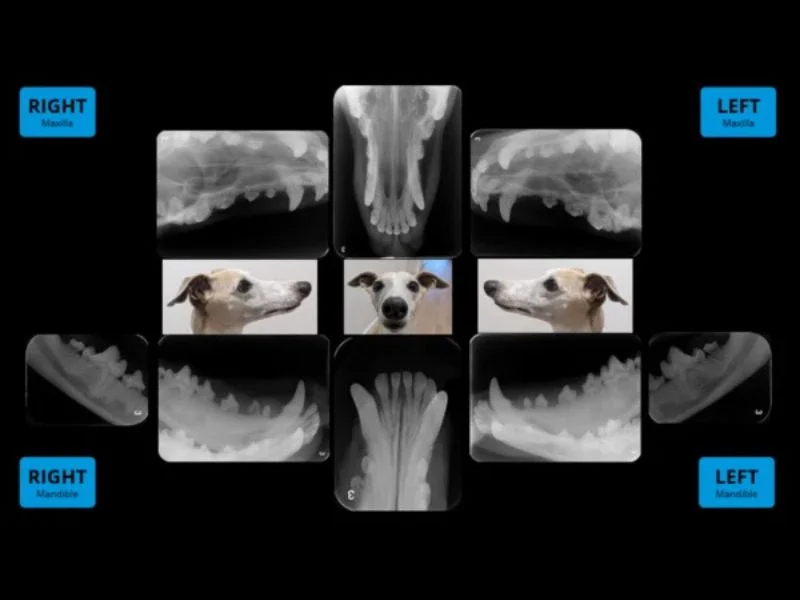
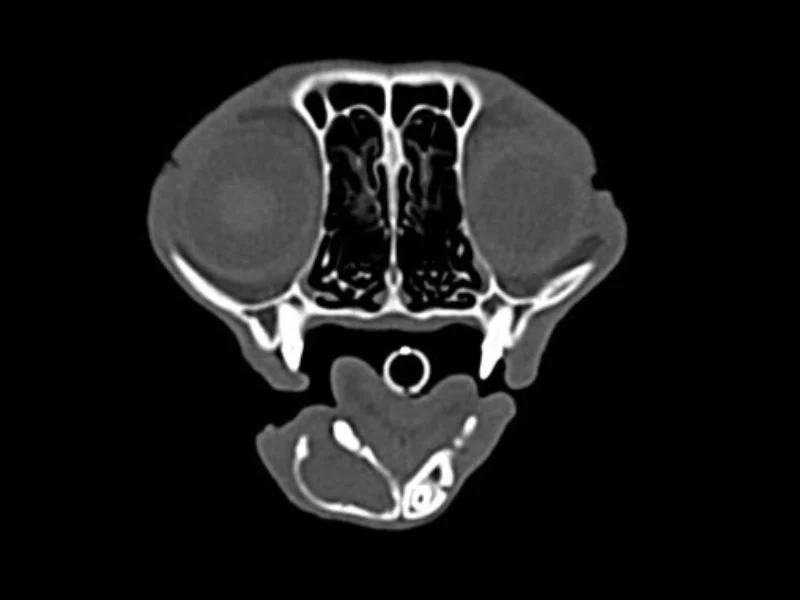
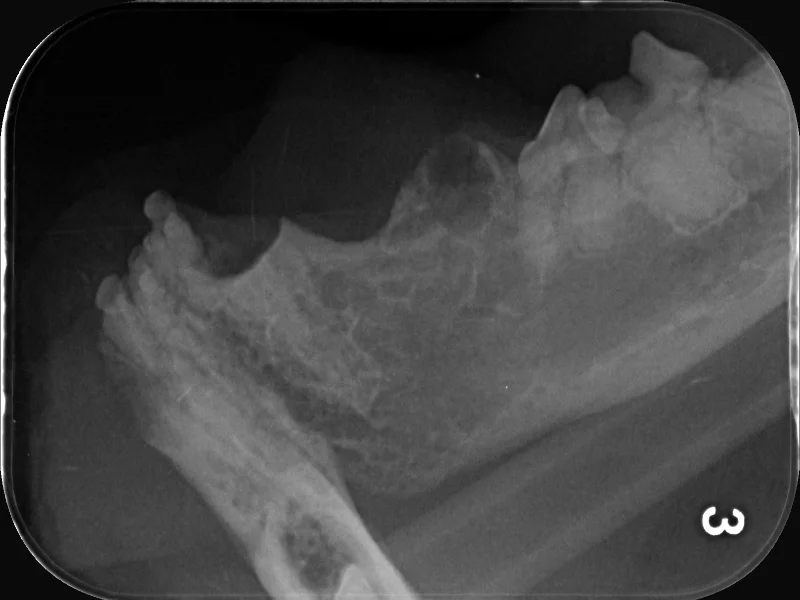
So many oral health conditions can only be properly diagnosed through thorough examination and radiographs. It’s so important not to confuse a pet’s ability to carry out a task that’s essential for survival with an absence of significant difficulty or pain.
Concerned about your pet’s dental health or unsure whether something needs a closer look? Feel free to call us at Advanced Animal Dentistry or get in touch through our contact form. We’ll work closely with your primary vet to make sure your pet gets the care they need.
Vets can refer patients here.