


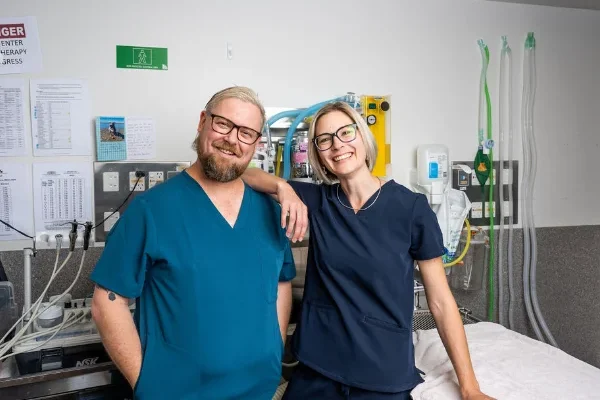


We assess each patient individually, considering their health history, age and any concurrent medical conditions, to tailor the anaesthetic approach to their specific needs.
Vet Hub
Vet Hub Library
Found 88 Results
Page 4 of 9
Page 4 of 9
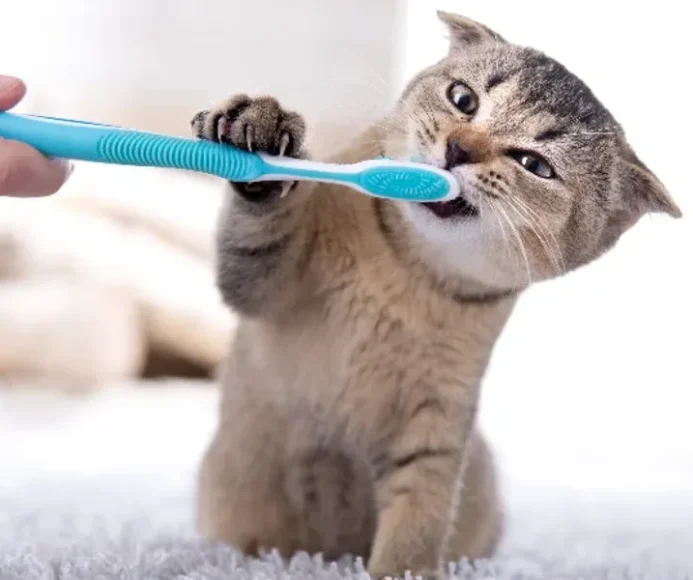
New kitten? Here’s a guide to dental care for cats
Starting dental care early is crucial for your kitten’s lifelong oral health. Here are our dental tips for cats, from brushing to recognising issues and routine vet visits.
Read More
A new puppy owner’s guide to dental care for dogs
Starting dental care early is crucial for your puppy’s lifelong oral health. Here are our dental tips for dogs, from brushing to recognising issues and routine vet visits.
Read More
Lotte Severe Periodontal Disease
Lotte presented with severe periodontal disease and significant halitosis (bad breath), leading to concerns about her overall oral health and comfort.
Read More
Parsnip Juvenile Periodontitis
Parsnip was diagnosed with juvenile periodontitis and hyperplastic gingivitis, a painful condition causing severe overgrowth and inflammation of the gums.
Read More
Everything you need to know about brushing your cat’s teeth
Brushing your cat’s teeth is essential for preventing dental issues and keeping them healthy. Learn how to introduce this routine with expert tips from our veterinary dental team.
Read More
What exactly does a veterinary dentist do?
When serious oral problems in pets arise, they often require more than a routine check-up to address them effectively. That’s where a veterinary dentist comes in.
Read More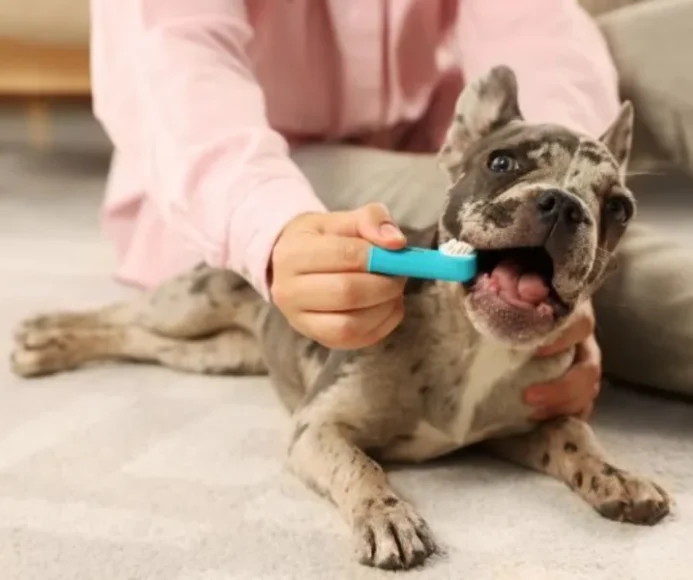
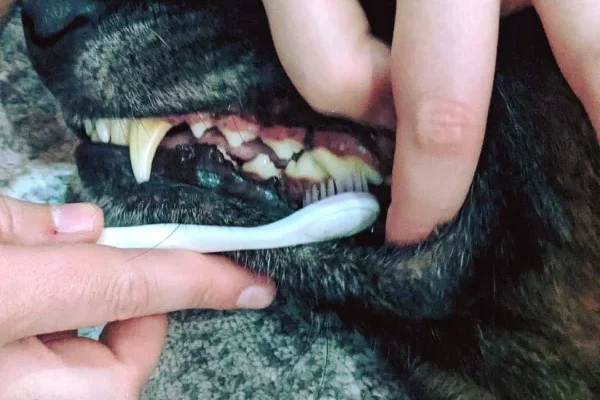
Brushing your dog’s teeth – what you need to know
Brushing your dog’s teeth can be a simple process inserted into your daily routine that will prevent pain and other health issues that often go unnoticed until it’s too late.
Read More
Vital Pulpotomy
A vital pulpotomy is a time-sensitive procedure used to preserve the life of a tooth when the pulp becomes exposed due to trauma or dental treatment.
Read More
Oronasal Fistula
A connection between the mouth and nasal cavities, often due to advanced periodontal disease, requires surgical repair to prevent chronic nasal irritation and infection.
Read More
Minnie Severe Juvenile Gingivitis
Minnie underwent a thorough diagnostic process, including FIV/FeLV testing, biochemistry, and full-mouth radiographs.
Read MoreAdvanced Veterinary Dental Services
A comprehensive range of dental and oral surgery treatments.
Contact Us Refer A Patient
Removing complex teeth safely and with minimal impact.
A vital pulpotomy is a time-sensitive procedure used to preserve the life of a tooth when the pulp becomes exposed due to trauma or dental treatment.

Jaw fractures in pets require precise treatment to restore both structure and function, with a strong focus on proper bite alignment.

Periodontal treatment goes beyond routine dental care to address the deeper damage caused by advanced gum disease.

Pet oral surgery can help treat dental problems, injuries, and other conditions affecting your pet’s mouth. Learn about the available procedures and how they can improve your pet’s comfort and oral health.

Dental and oral imaging helps veterinarians identify dental problems that may not be visible during a routine examination. Learn how these imaging techniques support accurate diagnosis and effective treatment for your pet.

Root canal therapy can help save a damaged or infected tooth while relieving pain in pets. Learn how this dental procedure works and how it can help preserve your pet’s natural teeth and oral health.

This procedure involves reshaping gum tissue to guide the eruption of canine teeth into a correct position, preventing traumatic occlusion and avoiding more invasive treatments.

Reducing the height of misaligned canine teeth and protecting the exposed pulp with a filling helps prevent chronic pain, preserve jaw structure and avoid extraction.

Orthodontic appliances like inclined planes or crown extensions can reposition misaligned canine teeth, preventing trauma and preserving tooth function without altering their shape.

To address mesioverted (‘lanced’ maxillary canine teeth) and manage linguoversion when the maxillary diastema (the space between the third incisor and canine teeth) is too narrow.

Restorative dentistry repairs damaged teeth in pets, often using crowns, veneers and fillings. These procedures restore dental structure and function, ensuring long-term oral health.

Thorough cleaning and examination under anesthesia remove plaque and calculus, preventing periodontal disease and ensuring long-term oral health in pets.

These surgeries involve partial or complete removal of the jaw to treat malignant oral tumours. Treatment options vary and may include surgery, chemotherapy or radiation.

This procedure, often used for tooth resorption, involves removing the tooth crown while leaving the resorbing root remnant intact. It’s less invasive and used in cases where traditional extraction is no longer possible. Regular follow-up is recommended.


