
Pulp Exposed Teeth

Teeth in dogs and cats, much like those in humans, are vulnerable to injuries that can occur due to accidents or diseases. The repercussions of these injuries can vary depending on the extent of the damage and the location of the affected tooth.

Types & Consequences of Dental Injuries

Injuries to teeth can occur at different stages of life. Young animals might experience issues such as enamel hypoplasia or tooth malformations caused by developmental injuries. As pets age, they are more likely to face fractures, internal trauma, and even tooth loss. Each type of injury can have distinct impacts on the pet’s oral health and requires careful assessment to determine the best course of action.

A primary concern when a tooth is injured is the potential harm to the pulp—the internal, living portion of the tooth often referred to as the “nerve.” If the pulp is exposed or compromised, it can lead to the development of a painful tooth root abscess. This condition can cause significant discomfort and health issues if not treated promptly. Therefore, early evaluation of all damaged teeth is essential.

“Early evaluation of all damaged teeth is essential.”

The Critical Role of Pulp

Within the anatomy of dogs’ and cats’ teeth lies a critical soft tissue known as the pulp. This specialised structure includes blood vessels, nerve cells, immune cells and connective tissue, all vital for maintaining the tooth’s health.

When the pulp is exposed or damaged, it can lead to severe pain and complications like infections or abscesses. Infected material within the tooth can spread, forming an abscess as the immune system struggles to eliminate the infection.

The large upper carnassial teeth in dogs, crucial for gnawing, and the upper canines of cats, positioned prominently at the front of their mouths, are commonly affected by fractures leading to tooth root abscesses.


“Addressing damaged teeth promptly is crucial, particularly when the pulp is exposed or traumatised.”

Treatment options

The treatment for fractured or damaged teeth varies depending on the nature and severity of the injury. Options include the placement of fillings, vital pulpotomy and root canal. In more severe cases, extraction of the damaged tooth may be necessary to prevent further health problems. The choice of treatment aims to relieve pain, preserve tooth function and prevent complications.

Addressing damaged teeth promptly is crucial, particularly when the pulp is exposed or traumatised. Delaying treatment can lead to increased pain for the animal and negatively impact their overall oral health. Pet owners are encouraged to seek veterinary dental care as soon as any signs of tooth damage are noticed, as early intervention is key to ensuring a healthy and pain-free life for their pets.

Meet the Author

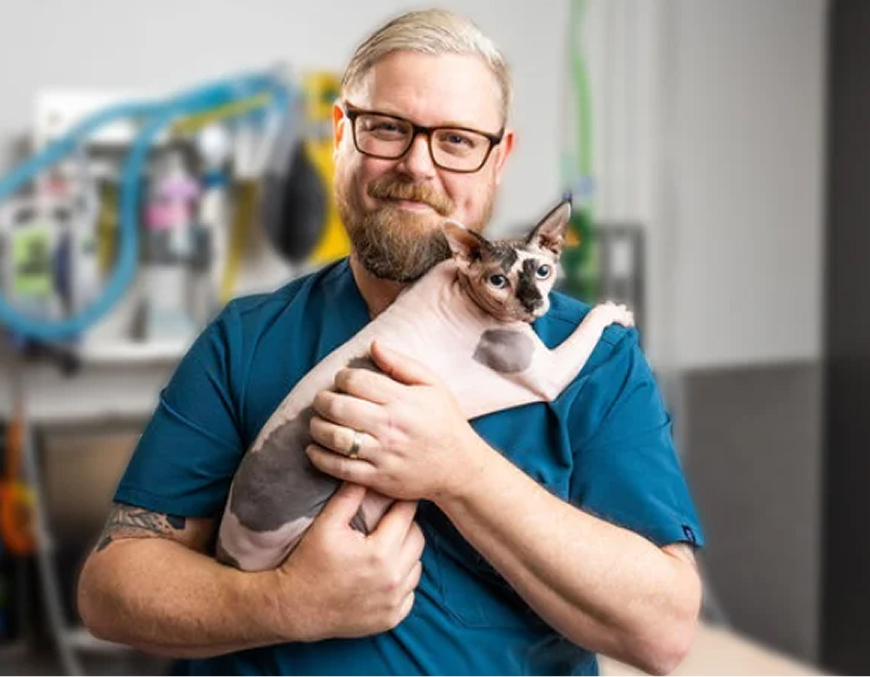
Aaron Forsayeth

BVSc (Hons) MACVSc (Veterinary Dentistry)

Hi, I’m Dr Aaron Forsayeth, and I’ve had quite the journey in veterinary medicine. Originally, I never imagined myself pursuing dentistry.
I spent my initial years in general practice until a chance meeting with Dr Gary Wilson changed my career path. He inspired me to explore veterinary dentistry, and together, we co-founded Advanced Animal Dentistry in 2006. It’s ironic, considering I used to dread dental procedures, but with the right knowledge and skills, it became a passion that I absolutely love to this day.

FAQs

Is a tooth with exposed pulp an emergency—even if my pet is still eating?

Yes. An exposed or traumatised pulp is painful and can lead to a tooth‑root abscess, so early evaluation is important.

What are the treatment options—and how do I choose between them?

Depending on the fracture and whether the pulp can be saved, options include restoratives (tooth restorations), pulp‑saving care such as a Vital Pulpotomy (time‑critical), tooth‑preserving Root Canal Therapy (up to ~90% of treated teeth can last a lifetime), or extraction when the tooth can’t be salvaged. Your vet dentist will guide you on the best course of action after imaging.

How fast should we act—what’s the window to “save” the tooth?

If the pulp is newly exposed in a young tooth, a Vital Pulpotomy should be done within 48 hours. Otherwise, rapid assessment and either Root Canal Therapy or extraction is considered.

Which teeth most often fracture and cause problems?

The upper carnassial (4th premolar) in dogs and the upper canine in cats are common culprits for fractures that progress to abscesses—this pattern is also summarised under Fractured/Damaged Teeth.

Will my pet need X‑rays and general anaesthesia—is it safe?

Yes. Intra‑oral dental X‑rays are standard to assess roots and pulp, and procedures are completed under general anaesthesia with specialist monitoring. Read more under Dental & Oral Imaging and Complex Anaesthesia.

What does recovery look like—what can my pet eat/chew after?

Most pets go home the same day with case‑specific instructions. After extractions, many animals eat normally, and after endodontic care, you’ll have follow‑up X‑rays—see day‑of guidance in What to Expect, eating and healing on Extractions, and further details in Root Canal Therapy.

Key Takeaways

Treat as urgent

An exposed or traumatised pulp is painful and can progress to a tooth‑root abscess, so early evaluation is essential.

Typical culprits

Fractures that lead to abscesses most often involve the upper carnassial (dog) and the upper canine (cat).

Clear treatment ladder

Depending on severity, options include fillings, vital pulpotomy, root canal therapy, and, if necessary, extraction. The goal is to relieve pain, preserve function and prevent complications.

Time‑critical rescue

For a fresh exposure in a young tooth, a vital pulpotomy within 48 hours offers the best chance to keep the tooth alive. Outside that window, root canal therapy or extraction is considered.

Next steps

For Pet Owners

Are you concerned about your pet’s dental health? Call 1300 866 848 or fill out the contact form. We’ll coordinate with your primary vet to ensure the best outcome.

For Vets & Nurses

We’re here to help. If you’d like to refer a patient, please call us at 1300 866 848 , complete the referral form or email us with a brief case summary, relevant radiographs and lab results.

For advice and treatment guidance, email us with a brief case summary, relevant radiographs and lab results.


Refer a Patient Contact Us

Advanced Veterinary Dental Services

A comprehensive range of dental and oral surgery treatments.

Contact Us    Refer A Patient
Complex Anaesthesia

We assess each patient individually, considering their health history, age and any concurrent medical conditions, to tailor the anaesthetic approach to their specific needs.

Surgical Extractions

Removing complex teeth safely and with minimal impact.

Vital Pulpotomy

A vital pulpotomy is a time-sensitive procedure used to preserve the life of a tooth when the pulp becomes exposed due to trauma or dental treatment.

Jaw Fractures

Jaw fractures in pets require precise treatment to restore both structure and function, with a strong focus on proper bite alignment.

Periodontal Treatment

Periodontal treatment goes beyond routine dental care to address the deeper damage caused by advanced gum disease.

Oral Surgery

Pet oral surgery can help treat dental problems, injuries, and other conditions affecting your pet’s mouth. Learn about the available procedures and how they can improve your pet’s comfort and oral health.

Dental and Oral Imaging

Dental and oral imaging helps veterinarians identify dental problems that may not be visible during a routine examination. Learn how these imaging techniques support accurate diagnosis and effective treatment for your pet.

Root Canal Therapy

Root canal therapy can help save a damaged or infected tooth while relieving pain in pets. Learn how this dental procedure works and how it can help preserve your pet’s natural teeth and oral health.

Gingivoplasty

This procedure involves reshaping gum tissue to guide the eruption of canine teeth into a correct position, preventing traumatic occlusion and avoiding more invasive treatments.

Crown Height Reduction

Reducing the height of misaligned canine teeth and protecting the exposed pulp with a filling helps prevent chronic pain, preserve jaw structure and avoid extraction.

Inclined Plane – Crown Extensions

Orthodontic appliances like inclined planes or crown extensions can reposition misaligned canine teeth, preventing trauma and preserving tooth function without altering their shape.

Dog Braces (Orthodontics)

To address mesioverted  (‘lanced’ maxillary canine teeth) and manage linguoversion when the maxillary diastema (the space between the third incisor and canine teeth) is too narrow.

Restorations

Restorative dentistry repairs damaged teeth in pets, often using crowns, veneers and fillings. These procedures restore dental structure and function, ensuring long-term oral health.

Professional Dental Cleaning

Thorough cleaning and examination under anesthesia remove plaque and calculus, preventing periodontal disease and ensuring long-term oral health in pets.

Mandibulectomies and Maxillectomies

These surgeries involve partial or complete removal of the jaw to treat malignant oral tumours. Treatment options vary and may include surgery, chemotherapy or radiation.

Crown Amputation for Tooth Resorption

This procedure, often used for tooth resorption, involves removing the tooth crown while leaving the resorbing root remnant intact. It’s less invasive and used in cases where traditional extraction is no longer possible. Regular follow-up is recommended.











