

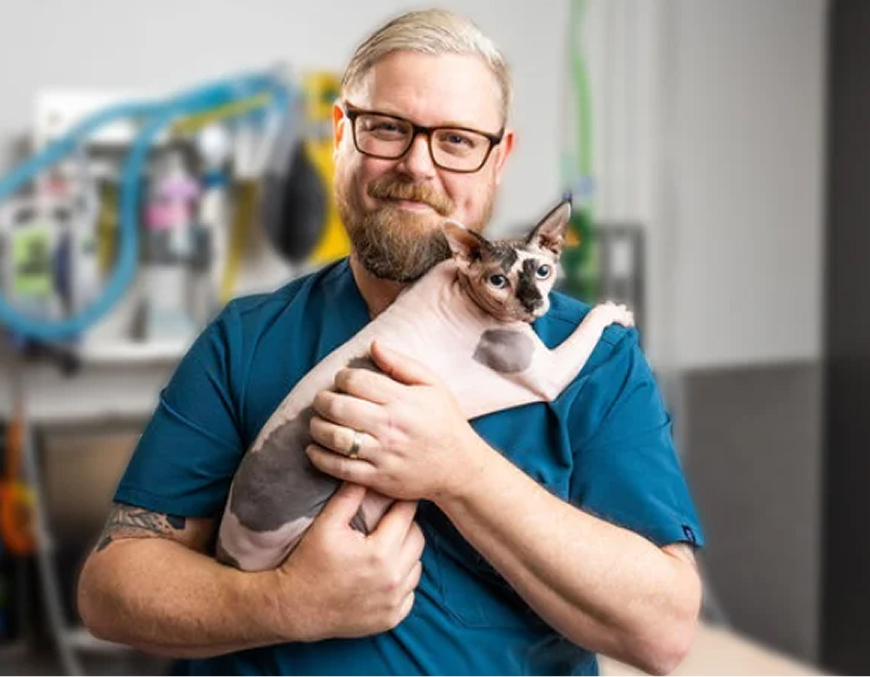


We assess each patient individually, considering their health history, age and any concurrent medical conditions, to tailor the anaesthetic approach to their specific needs.

Small dog breeds may be compact, but when it comes to potential dental challenges, their issues are anything but tiny. Unfortunately, they are more prone to certain problems and diseases than their larger counterparts. Many of these issues are preventable and treatable with proactive care, which is why regular dental checkups are essential to keep your small dog healthy and comfortable.
At Advanced Animal Dentistry, our team, including a specialist veterinary dentist, provides a full range of dental services to support healthy smiles in cats and dogs of all breeds. While periodontal disease and other dental issues can affect any pet, small dogs have unique anatomical and behavioural traits that can raise their risk. We asked Dr Aaron Forsayeth, one of our veterinary dentists to share their insights on the dental challenges specific to small breeds.
“Small dog breeds often develop dental disease sooner and more severely — early care makes all the difference.”
Why small dogs are more prone to dental disease
Periodontal disease is the most common condition in small dog breeds, which isn’t surprising since it’s also the most common dental disease in pets overall. A major factor is overcrowding. Small dog breeds often have disproportionately large teeth for their jaws, leaving little space and increasing early dental issues. “Even if they’re not overcrowded, their teeth are very close together,” Dr Aaron Forsayeth explains. “So getting plaque build-up on those teeth and in between teeth is pretty common.”
Smaller breed dogs often eat different foods and are less inclined to chew than larger dogs. Bigger dogs tend to gnaw with enough force to help naturally remove plaque—the main culprit behind periodontal disease. Without that regular chewing action, plaque is more likely to linger and harden into tartar.
Their daily habits also play a part. Small dogs are often given softer food and fewer chew toys, especially when treated more like companions than active pets. This combination of anatomy, diet and behaviour creates the perfect conditions for early and ongoing dental problems.
The challenges of treating small dogs
One of the key risks when treating dental disease in small breeds is jaw fragility, especially when bone has been weakened by advanced periodontal disease. In severe cases, extractions can lead to fractures. Dr Aaron Forsayeth explains, “The advanced periodontal disease does damage the surrounding bone… because there’s not a lot of bone there, you can get yourself in a situation where the jaw is broken during the extraction of these teeth.” For this reason, early diagnosis and ongoing management of periodontal disease is critical for small dogs.
Smaller mouths can also create practical challenges during treatment. Accessing problem areas takes precision and the right instruments, and even then, working in such a confined space is tricky. As Dr Forsayeth notes, “Getting access to the places we need to be in their small little mouths to do our job can be difficult.”
Extractions are also more complex in small breeds due to the size and structure of their teeth. The roots are finer and more fragile, which makes removal technically demanding, especially if the surrounding tissue has already been damaged by disease.

Breed-specific risks
We find that poodle crosses are often over-represented in cases of linguoverted or base narrow canines, a misalignment where the lower canine teeth lean inward due to crowding in the mouth.
“Because of the crowding, the teeth are in the incorrect position, and so they trap a lot more plaque,” says Dr Aaron Forsayeth. Left untreated, this can accelerate periodontal disease and cause ongoing oral discomfort.
Linguoverted canines can also cause direct trauma by pressing into the upper palate, potentially creating ulcers or puncturing holes in the roof of the mouth. “These base narrow canines in the small little poodles are problematic because they cause trauma to the roof of the mouth,” explains Dr Forsayeth.
This issue often appears early in a puppy’s life. Recently, a six-month-old poodle came in with holes already developed in the roof of his mouth. Surgery was required to remove the problematic canines and prevent further damage. Early identification and intervention are crucial to avoiding long-term oral pain.
Common misconceptions that worsen dental health
Many owners assume small dogs are too tiny to tolerate toothbrushing, but this isn’t the case. Regular brushing is one of the most effective ways to prevent dental disease, even in toy breeds. As Dr Aaron Forsayeth says, “You can [brush their teeth], it just takes a little bit more effort than it does with a big dog.”
Another frequent misconception is that it’s normal for small dogs to lose teeth as they age. “They don’t have to lose teeth. That’s only happening because they’re getting advancing periodontal disease,” explains Dr Forsayeth. With proper care, most dogs can retain their teeth well into their senior years.
Lastly, many small dogs aren’t provided with appropriate chew items, as they’re often treated like lapdogs or cute accessories. This can contribute to faster plaque accumulation. Chewing plays a key role in dental maintenance, so small dogs should be offered safe, vet-approved options that encourage healthy chewing behaviour.
“Healthy teeth in small dogs start with consistent home care and regular professional check-ups.”

Does your small dog need specialist veterinary dental care?
While small dog breeds face unique dental challenges, owners can dramatically reduce the risks with early, informed care. Regular check-ups, daily brushing and attention to chewing habits all play a role in preventing disease and protecting long-term oral health.
At Advanced Animal Dentistry in Brisbane and the Gold Coast, we specialise in managing all aspects of your pet’s oral health, regardless of their size or breed. While all dogs and cats are at risk of dental disease, knowing that small breeds are more prone to certain issues gives owners a clear reason to stay proactive and informed.
For any dental concerns with your cat or dog, feel free to call us at Advanced Animal Dentistry or fill out the contact form. We’ll coordinate with your primary vet to ensure the best outcome.
You can also visit our pet owners’ page and explore additional resources.

















