
Cisco Severe Periodontal Disease

Patient Information

Name: Cisco
Age: 14 years old
Breed: Chihuahua
Gender: Male, Neutered
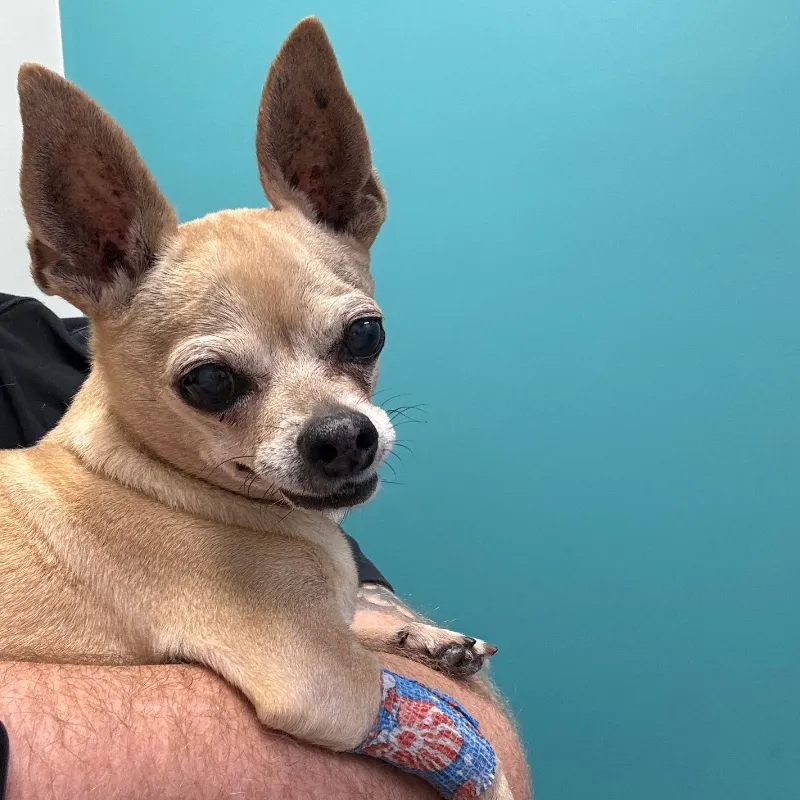
“Specialist management of his anaesthesia was essential.”

Presenting Problem

Cisco presented with severe periodontal disease alongside multiple significant health conditions. He has heart disease, including B2 mitral valve disease, tricuspid disease, pulmonary hypertension, as well as an adrenal mass, a pheochromocytoma.  Given his age and health complexities, Cisco faced significantly elevated anaesthetic risks, with specialist management of his anaesthesia essential.

Diagnostics and Treatment

Comprehensive dental radiographs confirmed the need for extractions and a full scale and polish. Due to his high-risk status, all procedures were performed under the direct care of a specialist anaesthetist to ensure the safest possible outcome.

Outcome

Cisco’s procedure and anaesthesia were managed successfully with no complications. His owner was deeply grateful for the expert care and ongoing communication throughout the process. Cisco recovered well, maintaining his usual appetite and cheerful nature.

“His recovery was completely uneventful, and he is so happy and healthy now.”

Client Comment

“I was very impressed and comforted by AAD for the way they showed utmost dental expertise, combined with the reassurance of having a specialist anaesthetist. Because of Cisco’s medical conditions, he was at higher risk for anaesthetic complications, so having the specialists work together was incredibly reassuring.

Even receiving text messages during his procedure was great. His recovery was completely uneventful, and he is so happy and healthy now, still eating all his favourite things. Thanks for looking after him so well!”

FAQs

Why is specialist anaesthesia important for veterinary dental procedures?

Pets with underlying health conditions or advanced dental disease require specialist anaesthesia to minimise risks and ensure stable monitoring throughout the procedure.

What conditions did Cisco present with?

Cisco had severe periodontal disease alongside multiple health complexities, increasing his anaesthetic risk.

What treatments were performed in this case?

Treatment included comprehensive dental imaging, tooth extractions, and a professional scale and polish to restore oral health.

How do veterinary dentists and specialist anaesthetists ensure safe outcomes for high-risk pets?

Safety is achieved through continuous monitoring, tailored anaesthetic protocols, and collaboration between and anaesthetists during the entire procedure.

What results can pet owners expect after advanced dental care?

With appropriate treatment, pets often regain normal appetite, improved comfort, and better overall health following professional veterinary dental care.

Key Takeaways

Specialist Anaesthesia Supports High-Risk Patients

Carefully managed anaesthesia reduces complications during complex dental procedures.

Dental Radiographs Enable Accurate Diagnosis

Imaging reveals underlying disease and guides precise treatment planning.

A Multidisciplinary Approach Improves Safety

Collaboration between specialists ensures controlled and effective care.

Advanced Dental Treatment Restores Quality of Life

Proper treatment can relieve pain and return pets to normal function.

Next steps

For Pet Owners

Are you concerned about your pet’s dental health? Call 1300 866 848 or fill out the contact form. We’ll coordinate with your primary vet to ensure the best outcome.

For Vets & Nurses

We’re here to help. If you’d like to refer a patient, please call us at 1300 866 848 , complete the referral form or email us with a brief case summary, relevant radiographs and lab results.

For advice and treatment guidance, email us with a brief case summary, relevant radiographs and lab results.


Refer a Patient Contact Us

Advanced Veterinary Dental Services

A comprehensive range of dental and oral surgery treatments.

Contact Us    Refer A Patient
Complex Anaesthesia

We assess each patient individually, considering their health history, age and any concurrent medical conditions, to tailor the anaesthetic approach to their specific needs.

Surgical Extractions

Removing complex teeth safely and with minimal impact.

Vital Pulpotomy

A vital pulpotomy is a time-sensitive procedure used to preserve the life of a tooth when the pulp becomes exposed due to trauma or dental treatment.

Jaw Fractures

Jaw fractures in pets require precise treatment to restore both structure and function, with a strong focus on proper bite alignment.

Periodontal Treatment

Periodontal treatment goes beyond routine dental care to address the deeper damage caused by advanced gum disease.

Oral Surgery

Pet oral surgery can help treat dental problems, injuries, and other conditions affecting your pet’s mouth. Learn about the available procedures and how they can improve your pet’s comfort and oral health.

Dental and Oral Imaging

Dental and oral imaging helps veterinarians identify dental problems that may not be visible during a routine examination. Learn how these imaging techniques support accurate diagnosis and effective treatment for your pet.

Root Canal Therapy

Root canal therapy can help save a damaged or infected tooth while relieving pain in pets. Learn how this dental procedure works and how it can help preserve your pet’s natural teeth and oral health.

Gingivoplasty

This procedure involves reshaping gum tissue to guide the eruption of canine teeth into a correct position, preventing traumatic occlusion and avoiding more invasive treatments.

Crown Height Reduction

Reducing the height of misaligned canine teeth and protecting the exposed pulp with a filling helps prevent chronic pain, preserve jaw structure and avoid extraction.

Inclined Plane – Crown Extensions

Orthodontic appliances like inclined planes or crown extensions can reposition misaligned canine teeth, preventing trauma and preserving tooth function without altering their shape.

Dog Braces (Orthodontics)

To address mesioverted  (‘lanced’ maxillary canine teeth) and manage linguoversion when the maxillary diastema (the space between the third incisor and canine teeth) is too narrow.

Restorations

Restorative dentistry repairs damaged teeth in pets, often using crowns, veneers and fillings. These procedures restore dental structure and function, ensuring long-term oral health.

Professional Dental Cleaning

Thorough cleaning and examination under anesthesia remove plaque and calculus, preventing periodontal disease and ensuring long-term oral health in pets.

Mandibulectomies and Maxillectomies

These surgeries involve partial or complete removal of the jaw to treat malignant oral tumours. Treatment options vary and may include surgery, chemotherapy or radiation.

Crown Amputation for Tooth Resorption

This procedure, often used for tooth resorption, involves removing the tooth crown while leaving the resorbing root remnant intact. It’s less invasive and used in cases where traditional extraction is no longer possible. Regular follow-up is recommended.











