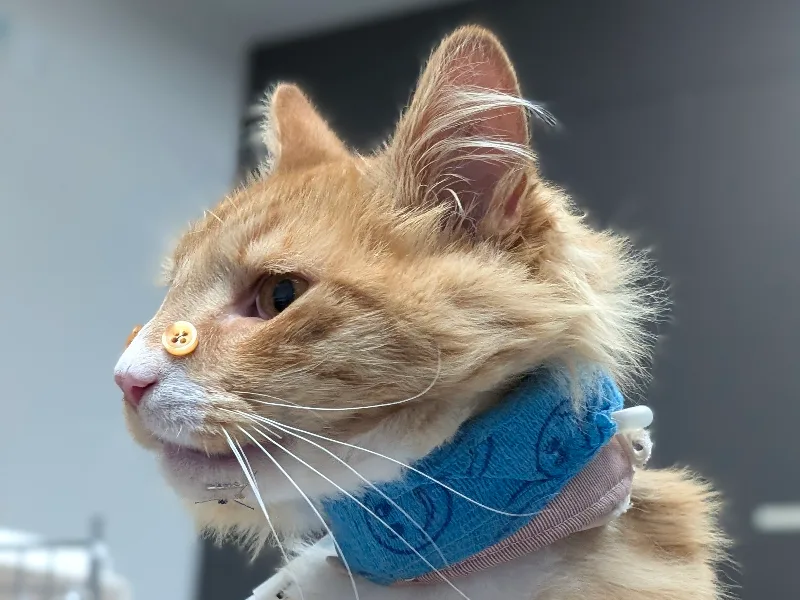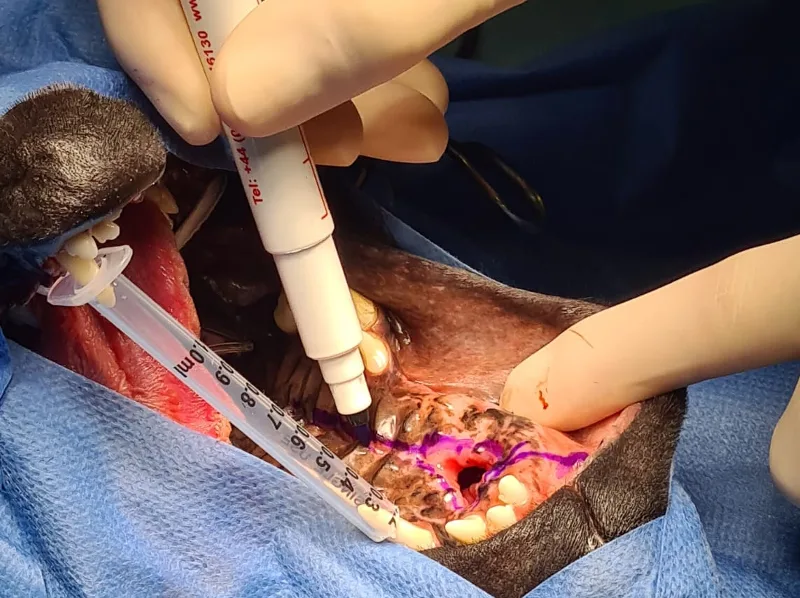
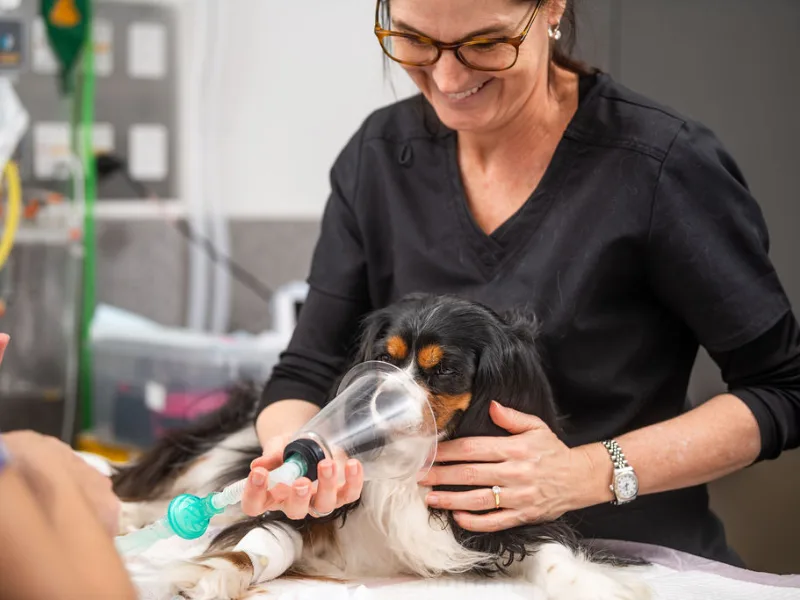
We assess each patient individually, considering their health history, age and any concurrent medical conditions, to tailor the anaesthetic approach to their specific needs.
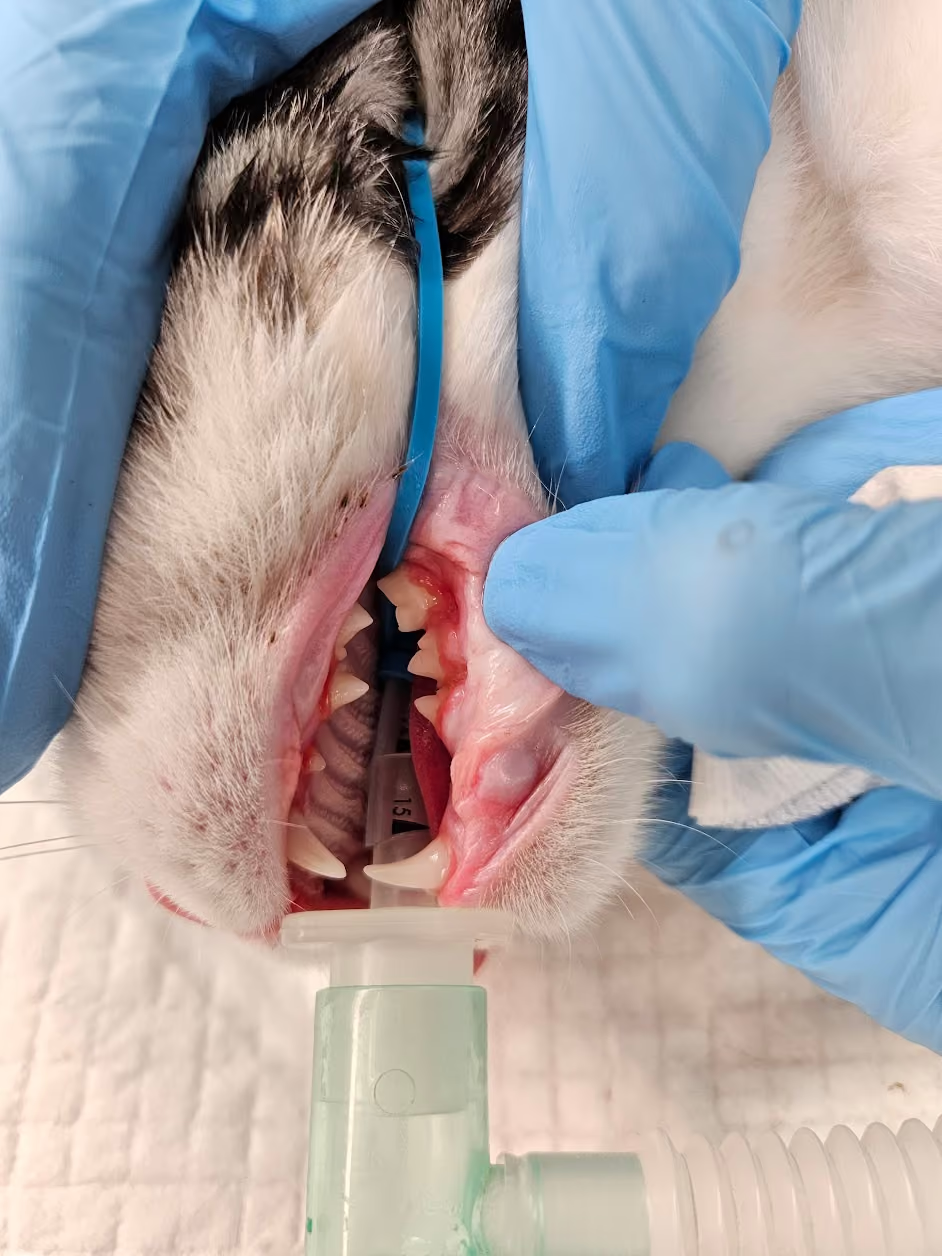
Caudal malocclusion in cats is often missed during routine exams, yet it can cause chronic soft tissue trauma, pain, and progressive periodontal bone loss around opposing teeth. This webinar will show you how to recognise abnormal caudal occlusion and walk through the treatment options available, so you can confidently decide when to monitor and when to intervene.
Key Takeaways:
- Identify it: recognise caudal malocclusion in your feline patients.
- Confirm it: know what to include in your diagnostic workup.
- Treat it: understand your patient’s options and when each is appropriate.
- Refer it: know when to bring in a specialist.
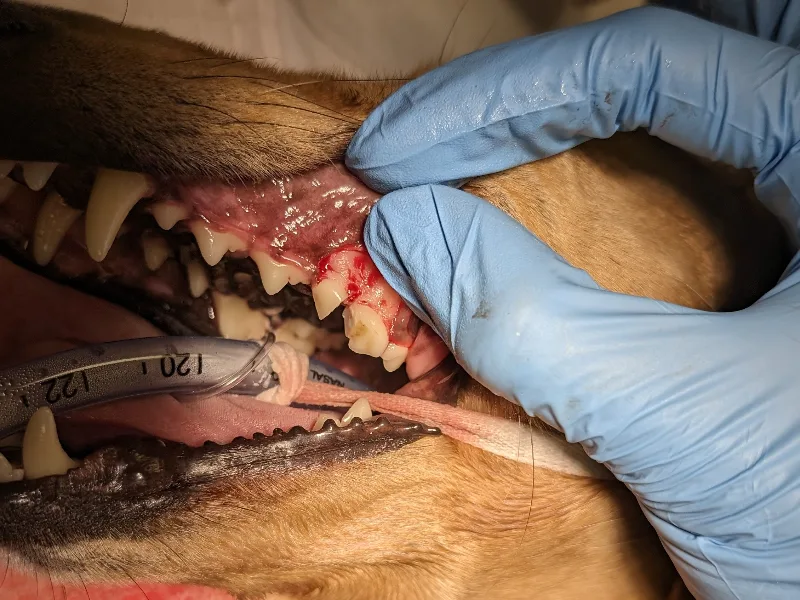
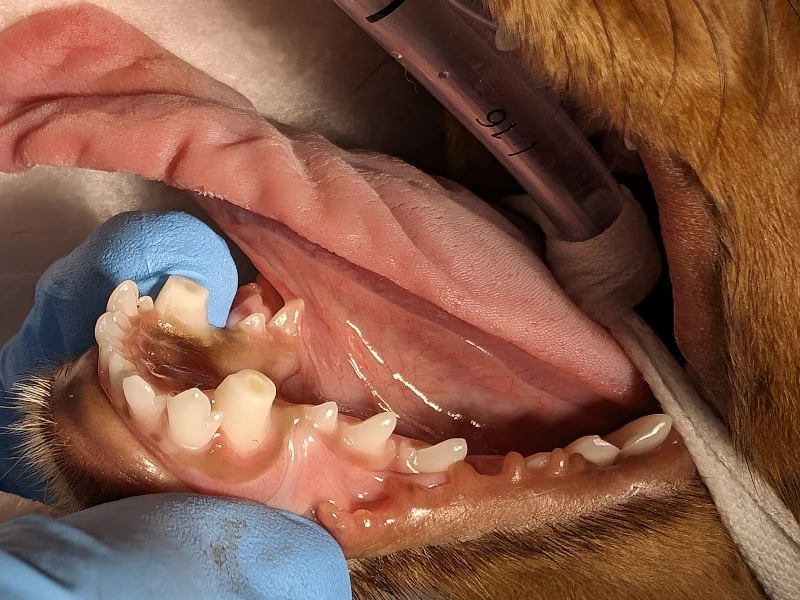
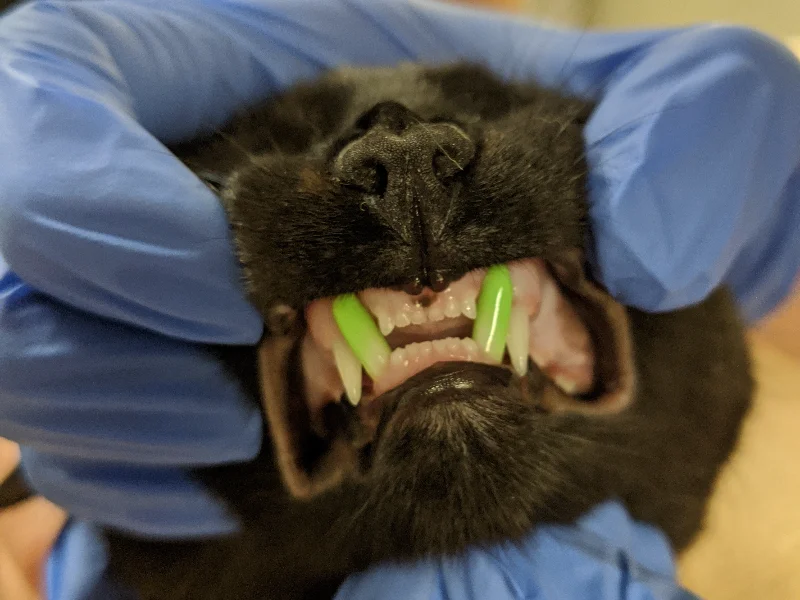
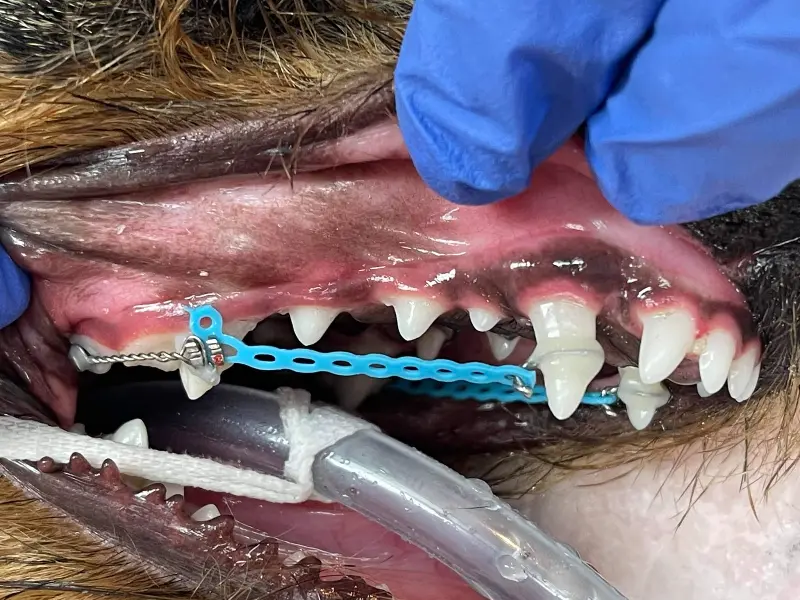
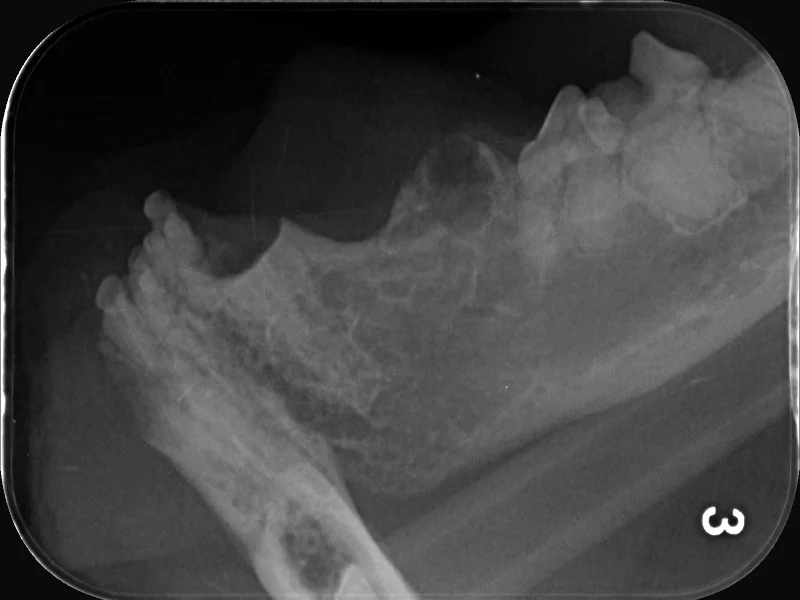
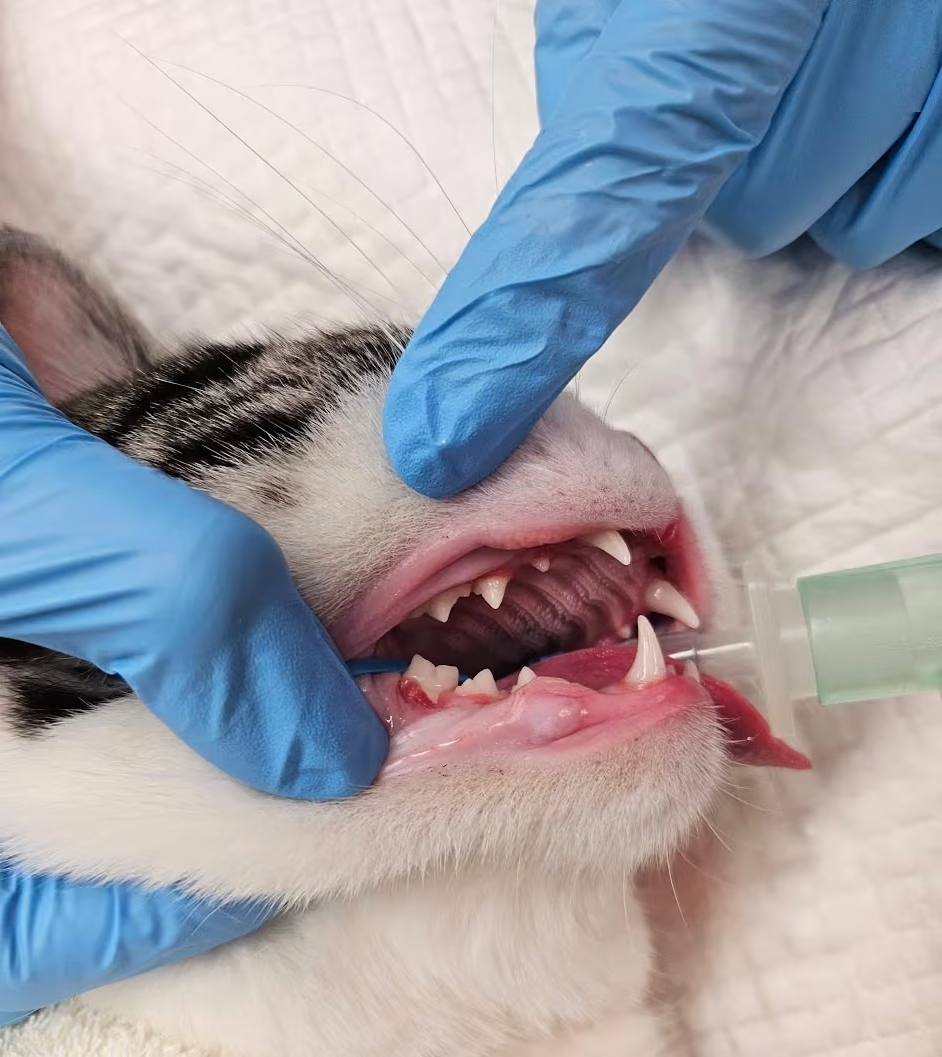
Malocclusions affecting the caudal region of the feline mouth are frequently overlooked because they are hard to assess in an awake patient and many cats show few outward signs. When opposing teeth make abnormal contact, the result can be a pyogenic granuloma, ulceration of the buccal mucosa or palate, periodontal damage, and tooth wear.
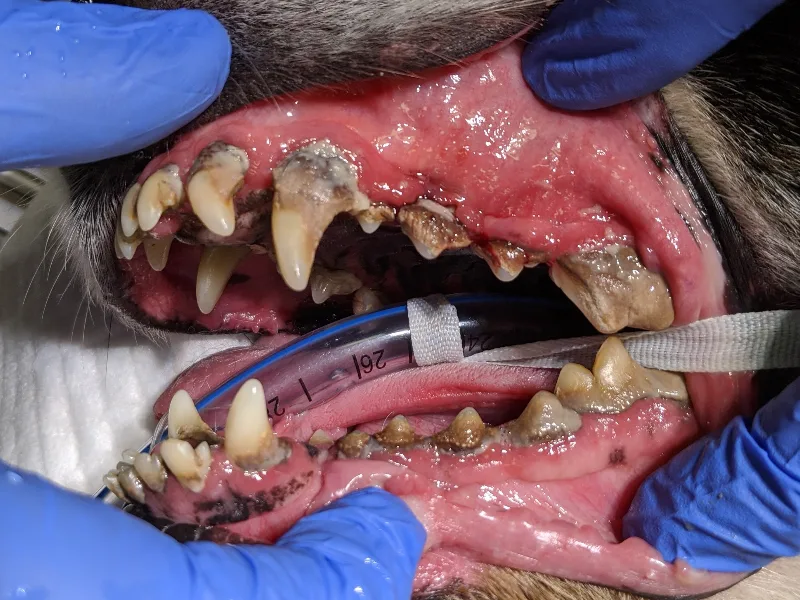
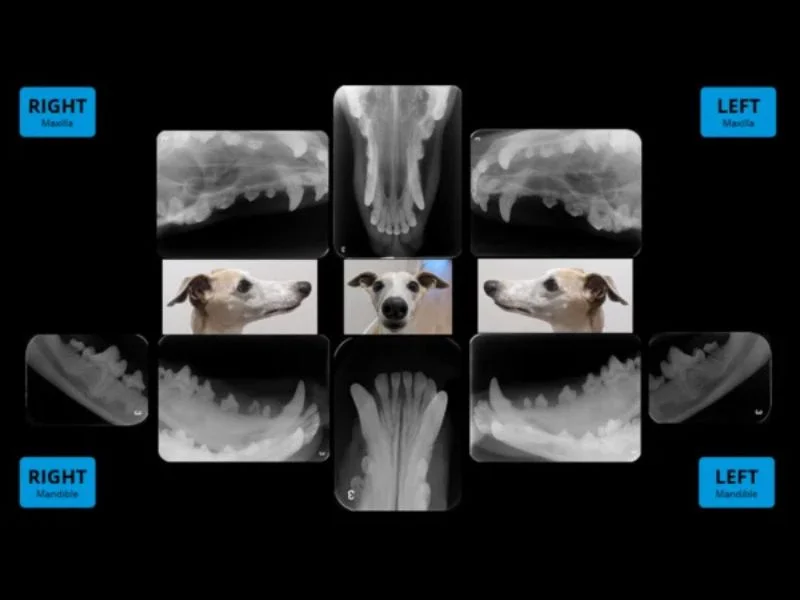
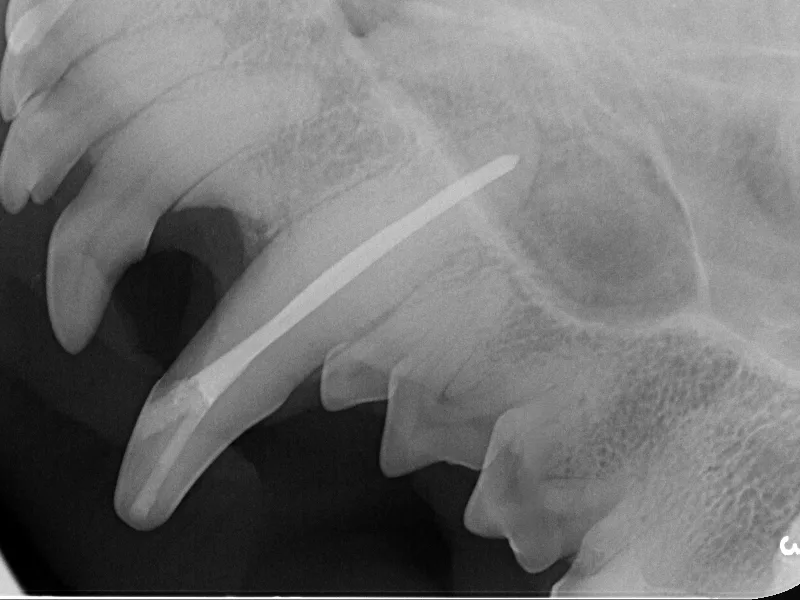
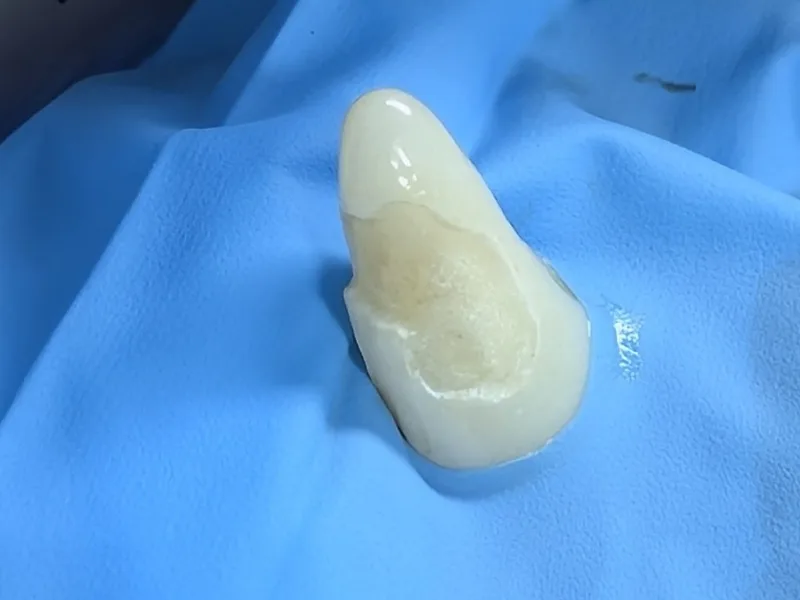
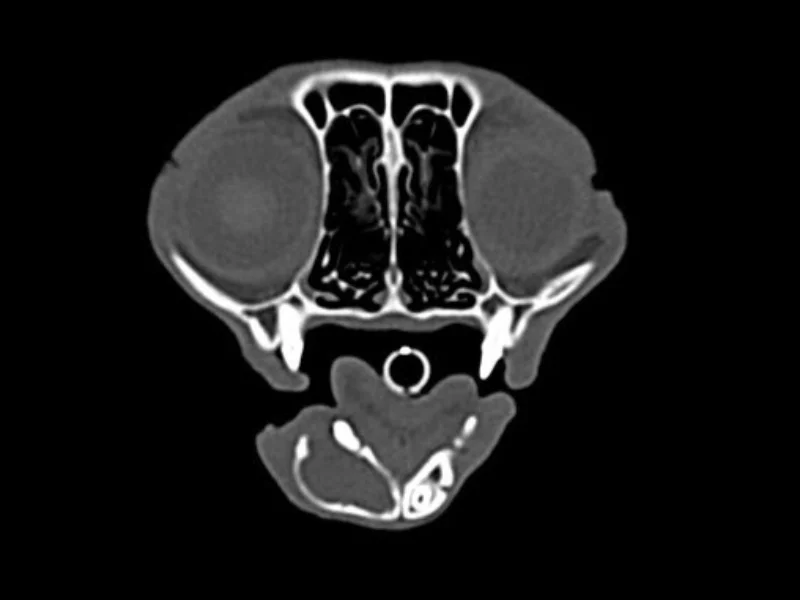
This session covers a practical, step-by-step approach to identification, from the conscious oral exam and history to anaesthetised assessment of occlusion. We’ll also look at the role of full-mouth dental radiographs in evaluating the teeth and surrounding structures. We’ll then review the treatment options, including when conservative monitoring is reasonable, when extraction is the most appropriate solution, and what alternatives exist to relieve traumatic contact while preserving function.
Case examples will illustrate decision-making, and we’ll discuss client communication, since owners often need help understanding why a seemingly mild bite abnormality warrants attention. Whether you see these cases occasionally or regularly, you’ll leave with a clearer framework for recognising and managing these cases in your own clinic.