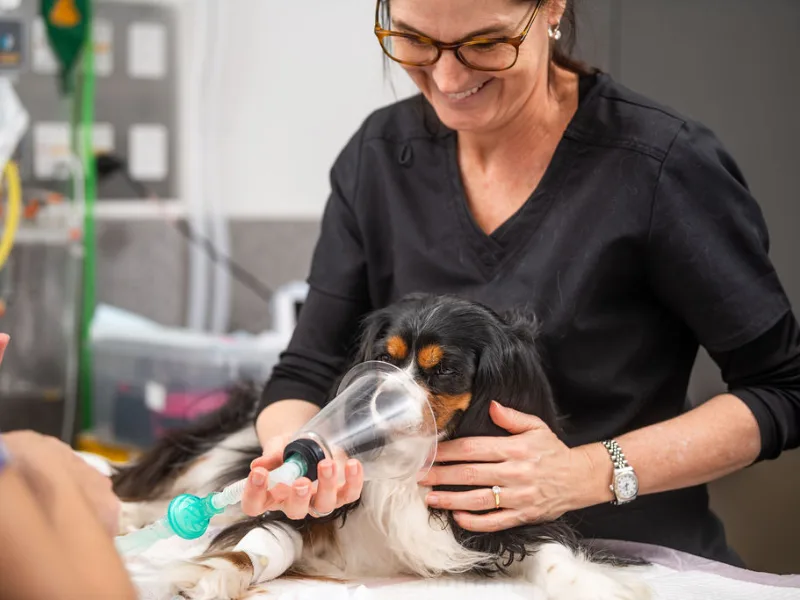
We assess each patient individually, considering their health history, age and any concurrent medical conditions, to tailor the anaesthetic approach to their specific needs.
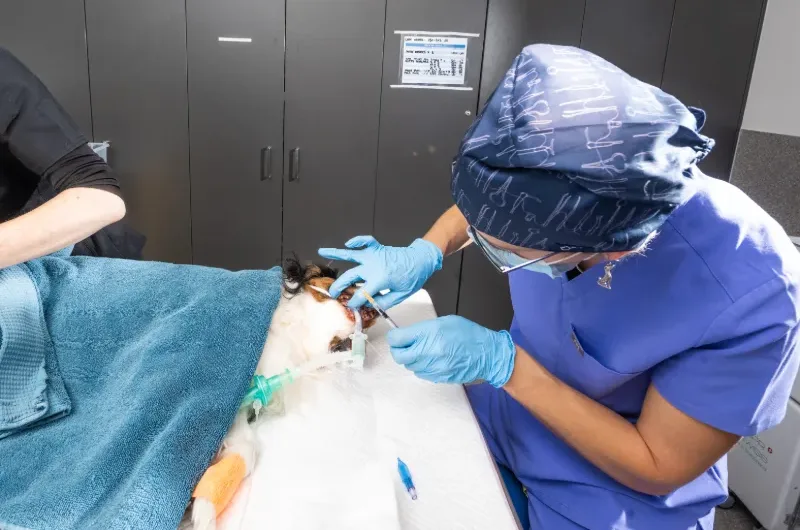
Veterinary dentists can be quite particular about their instruments, with good reason. Their shape, size and design all influence how they perform, particularly when working in such small spaces. Dental burs are no exception. They are essential items in the toolkit for surgical extractions, tooth sectioning, bone removal and more. Yet choosing the right one isn’t always as simple as picking the most commonly used option in practice. Understanding how each bur works is the best place to start.
At Advanced Animal Dentistry, we offer a comprehensive range of services for various oral health conditions in pets. This means we spend a lot of time performing procedures that require dental burs. We’re often asked about instruments, but before focusing too much on which ones are best, we need to look at how they work.
“Smaller burs allow for more precise cutting and control around delicate roots.”
Understanding dental bur shapes and cutting surfaces
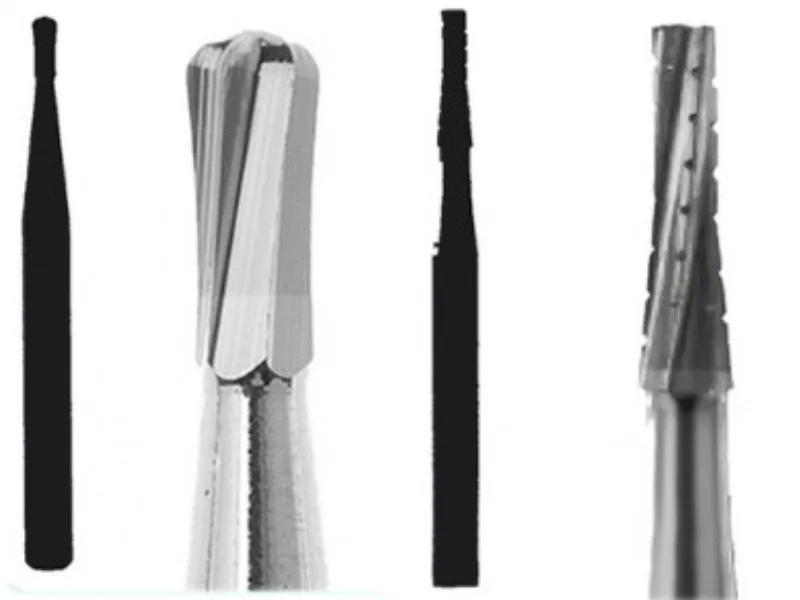
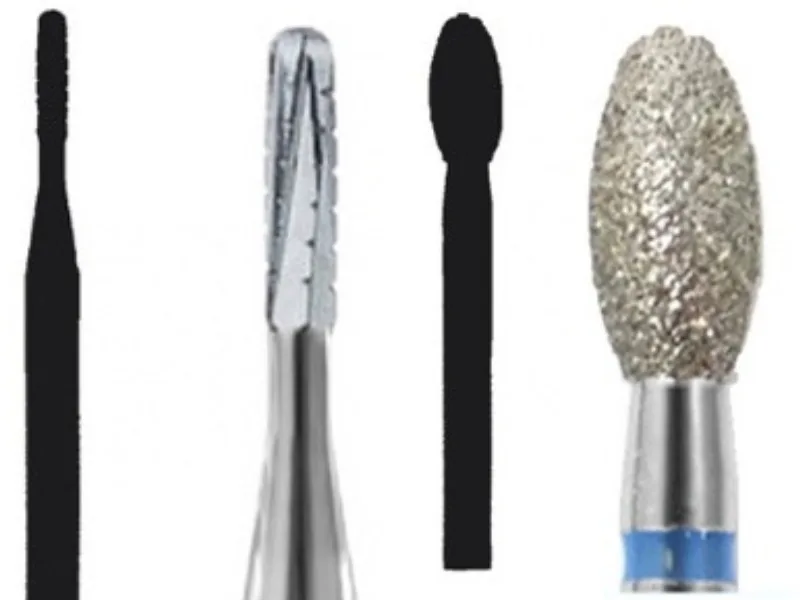
One of the main differences between dental burs is where they actually cut. Some have cutting surfaces at the tip, others cut along their sides, and some can do both. This affects how they remove tooth or bone material and the movements they allow during a procedure.
For example, round burs cut at the end and are commonly used for bone removal, whereas straight and tapered fissure burs have cutting surfaces along their sides, which makes them suitable for sectioning teeth. There are also pear-shaped burs, with smaller designs like the 330 being particularly well suited to working on cats.
I find it helpful to have burs that can cut at both the tip and along the sides. They offer more versatility and options within the same procedure because you don’t need to switch between instruments for different cutting movements.
In saying that, I don’t think any one shape should be limited to a single purpose. It’s important to become familiar with the cutting characteristics of different burs and consider what you need to achieve before selecting one.
Choosing the right dental bur for different teeth and procedures
The size and anatomy of the tooth are important factors when choosing a dental bur, as these can vary greatly between cats, small dogs and larger breeds. With smaller mouths and teeth, greater care is needed to avoid removing too much bone during an extraction. Smaller burs allow for more precise cutting and control around delicate roots.
There are several burs I regularly use for different procedures. Going back to the 330 pear-shaped bur, that’s a good option not just for smaller teeth but for removing bone around fractured roots. For larger, multi-rooted teeth, the 701L is great for sectioning. The 1556 and 1558 series are also versatile tools for general tooth sectioning, buccal bone removal and root retrieval.
What the bur is made of matters too. Tungsten carbide burs are designed for cutting through tooth and bone. Diamond burs are less aggressive and are better for smoothing rough alveolar bone after an extraction. They allow for a gentler approach when refining the remaining bone surface.
How dental bur selection affects precision and tissue damage
Using the wrong bur can make a procedure more difficult than it needs to be. You could use a small round bur to section a tooth, but it would take much longer than using one with a side-cutting surface. There’s also the risk of removing more tooth or bone than intended if the bur isn’t appropriate for the task.
Then, there’s length. Standard burs are generally easier to control, while surgical-length burs provide the extra reach needed to access deeper areas. However, the greater distance between the cutting head and the handpiece can make precise movements more difficult. So, just because a longer bur provides better access doesn’t necessarily mean it’s the best choice.
Of course, there’s also a manual skill involved in using dental burs. You need to know how the cutting surface interacts with the tooth or bone and how much pressure to apply. Excessive force or poor control can damage surrounding tissues, even when you’re using the correct bur. Selecting the right instrument is only part of the equation. How you use it is equally important.
Why veterinary practices should review their dental bur selection and replacement
Sometimes, general practice clinics tend to have a fairly limited selection of dental burs. Often, this is simply because those are the instruments the practice has used for years, and there’s been little reason to review the selection. A wider variety gives vets more flexibility when approaching different teeth and procedures, rather than trying to do everything with the same few burs.
Burs can lose their sharpness quite quickly, and it’s something that’s easy to overlook. The process is gradual, so it’s natural not to notice changes in cutting performance immediately. Instead, clinicians may find themselves applying more pressure or taking longer to complete a task. That extra effort can lead to operator fatigue and may even damage the handpiece. That’s why it’s crucial to recognise when a bur isn’t cutting effectively and replace it before it becomes a problem.
As a veterinary practice, it’s a good idea to periodically review what you have in your dental kit. Part of this is becoming familiar with bur numbering, which can help you identify different shapes and sizes. The 699–703 range, for instance, includes different sizes of fissure burs, while the 1550 series is another family commonly used in veterinary dentistry. Knowing how these numbers relate to the instruments you’re working with makes it easier to select and order burs that meet your needs.
“Selecting the right instrument is only part of the equation. How you use it is equally important.”
Choosing dental burs with greater precision
There’s a lot more variety in dental burs than many vets realise, and it’s easy to become accustomed to using the same few. I’d encourage anyone performing veterinary dental procedures to explore the options available. You may find that a few small changes to your dental kit make some procedures much easier.
If you have questions about dental burs, instruments or techniques, please don’t hesitate to contact our team at Advanced Animal Dentistry.
To refer a patient, complete our referral form here.