Staging isn’t a protocol, it’s a clinical decision.

Staging isn’t a protocol, it’s a clinical decision.

Wednesday, November 18th 2026, 7:30PM - 8:30PM AEST
Aaron Forsayeth and Bec Tucker GP vets Live Online

Staging isn’t a protocol. It’s a clinical decision, and it’s time we started making it like one.

Staged dentistry has become the default answer to almost every complex dental case, but is it always the right one?

This webinar looks past the assumption that staging is inherently safer or more thorough and asks when it genuinely improves outcomes versus when it simply delays them.

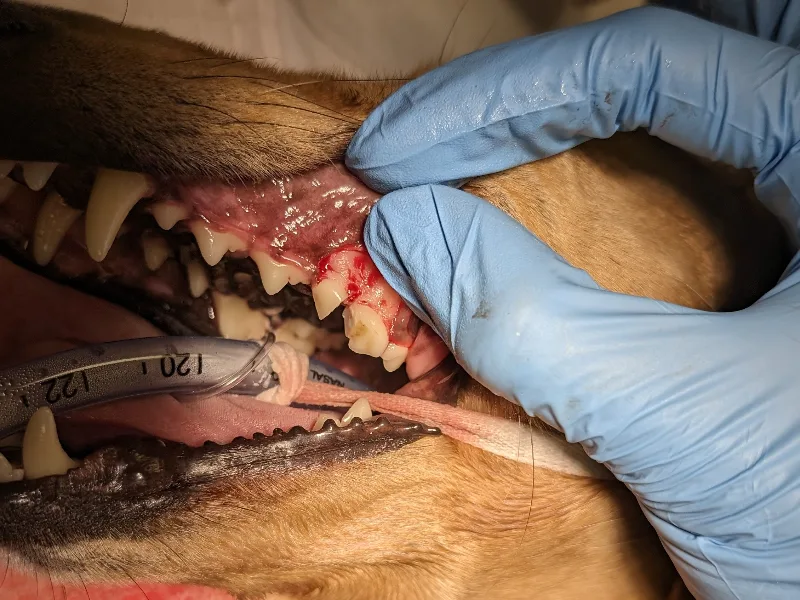
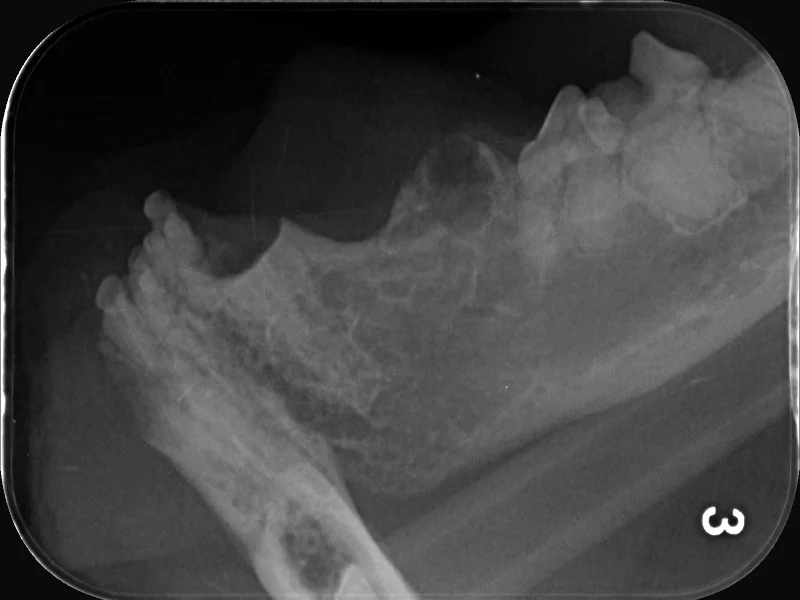
Using real cases like feline tooth resorption, mobile teeth, and endodontic disease that are left in situ between stages, and the surprisingly fast return of subgingival biofilm, this webinar will unpack the risks that staging can quietly introduce.

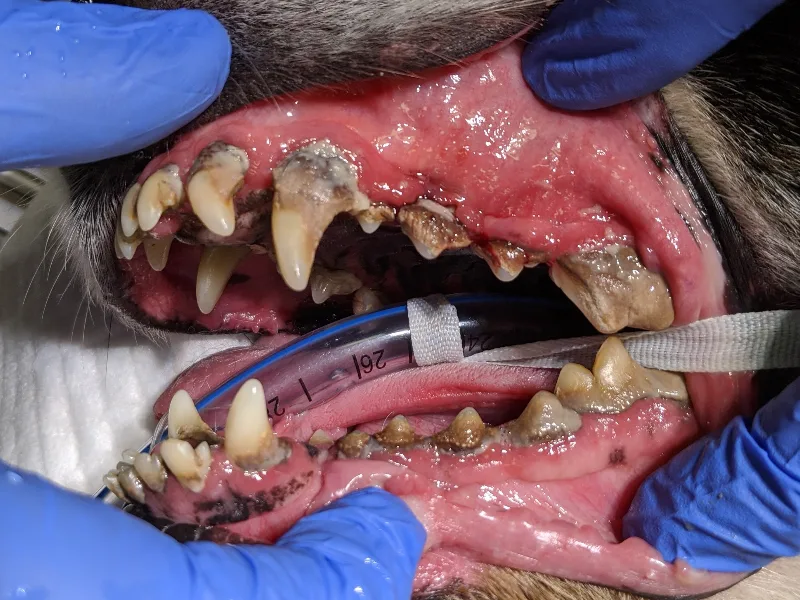
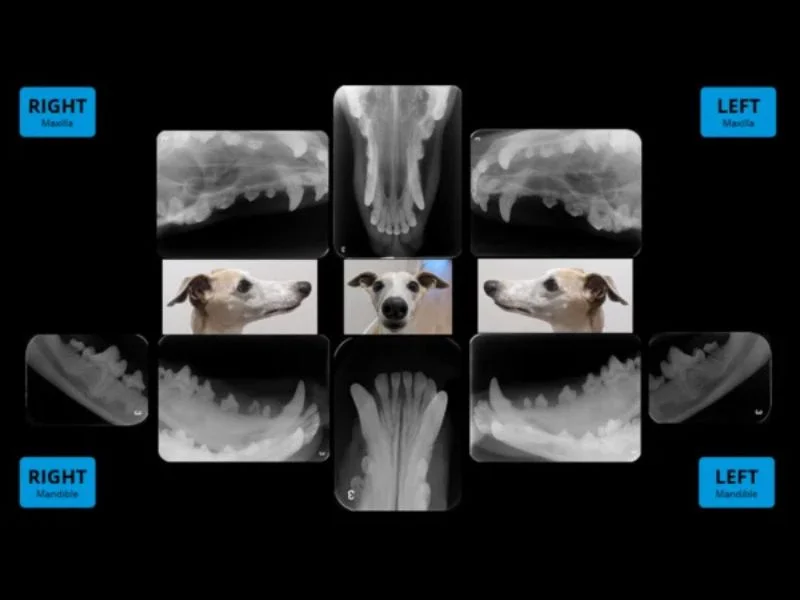
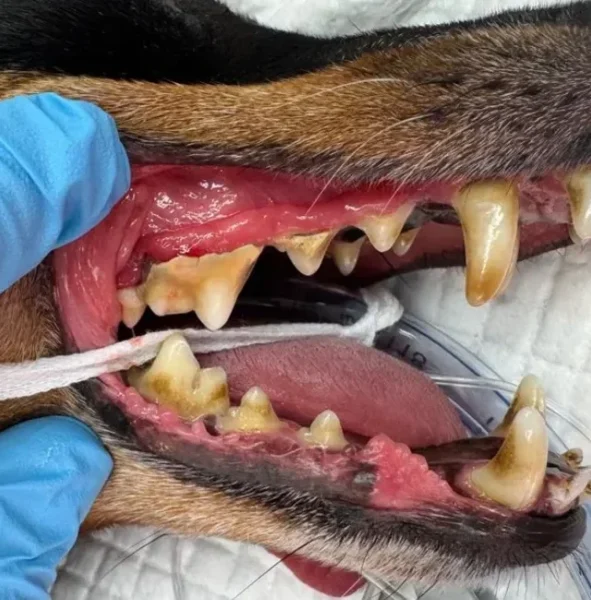
We’ll also look at how a stage 1 scale and polish can uncover painful lesions previously masked by plaque and calculus, leaving some patients more uncomfortable post-procedure than they were before treatment. We’ll examine where staging is clearly the right call, such as extensive full-mouth extractions and cases where the real decision isn’t “stage or not” but “refer or not.” We’ll also challenge the idea that breed-specific anaesthetic risk, such as Greyhounds and hyperkalaemia, automatically means staging. The goal isn’t to tell you to stage less, it’s to help you decide with more precision.

Key Takeaways

  • Staging has a biological cost, not just a logistical one: Subgingival biofilm can re-establish within hours of a stage 1 clean, meaning a “clean now, finish later” plan may not buy the disease-free window vets assume it does.
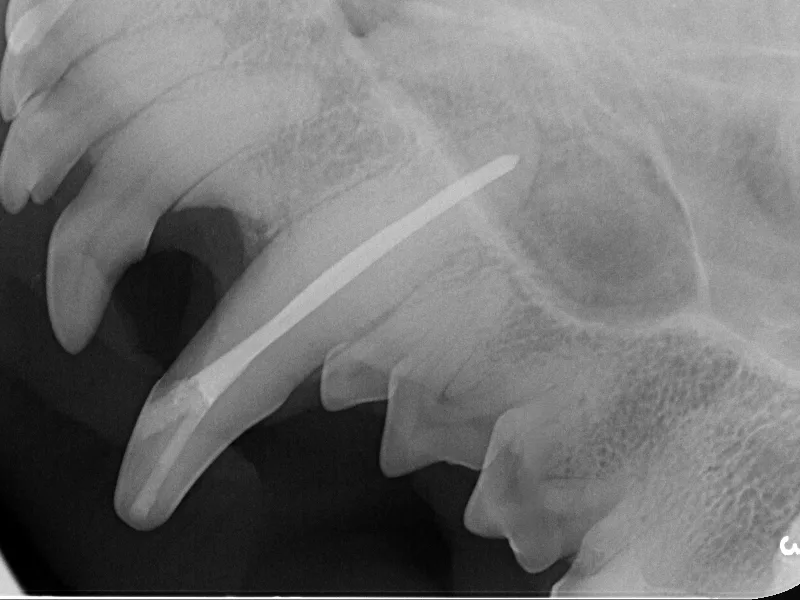
  • Some conditions don’t tolerate a “wait and see” stage: Tooth resorption in cats and teeth with active endodontic disease can progress or cause ongoing pain in the interval between stages, so leaving them for a second GA isn’t automatically the conservative choice.
  • Every additional anaesthetic episode is a real risk, not a formality:
    Repeat GAs carry patient risk, and that risk needs to be weighed against what staging is actually protecting, not assumed to be the safer default.
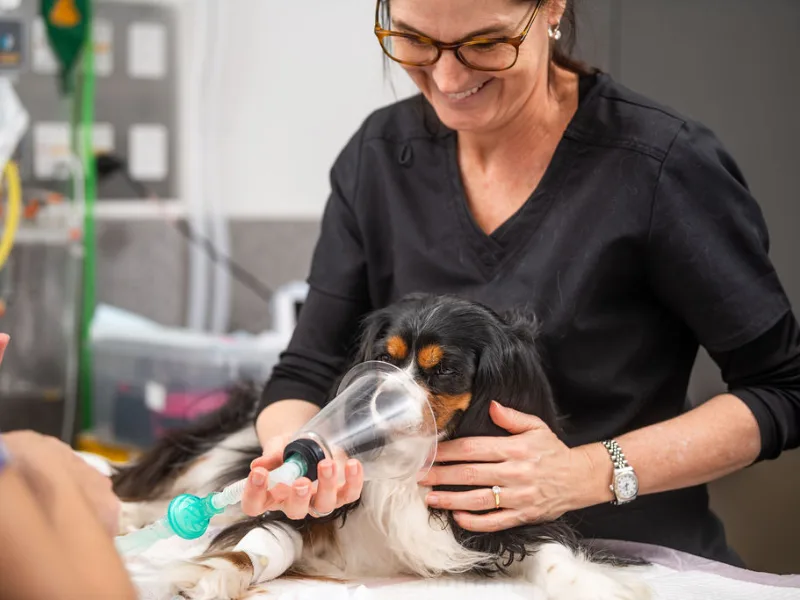
  • Even breed-specific risk doesn’t automatically mean staging: Greyhound hyperkalaemia is a real consideration, but it doesn’t make staging mandatory. Many Greyhound dentals can be completed in a single, well-planned anaesthetic, so the decision should rest on the individual patient and procedure rather than the breed alone.
  • Staging still has clear, evidence-backed indications: Extensive full-mouth extractions and cases that genuinely warrant a referral conversation are exactly where a staged approach earns its place.Get Tickets

Advanced Veterinary Dental Services

A comprehensive range of dental and oral surgery treatments.

Contact Us    Refer A Patient
Complex Anaesthesia

We assess each patient individually, considering their health history, age and any concurrent medical conditions, to tailor the anaesthetic approach to their specific needs.
Surgical Extractions

Removing complex teeth safely and with minimal impact.

Vital Pulpotomy

A vital pulpotomy is a time-sensitive procedure used to preserve the life of a tooth when the pulp becomes exposed due to trauma or dental treatment.

Jaw Fractures

Jaw fractures in pets require precise treatment to restore both structure and function, with a strong focus on proper bite alignment.

Periodontal Treatment

Periodontal treatment goes beyond routine dental care to address the deeper damage caused by advanced gum disease.

Oral Surgery

Pet oral surgery can help treat dental problems, injuries, and other conditions affecting your pet’s mouth. Learn about the available procedures and how they can improve your pet’s comfort and oral health.

Dental and Oral Imaging

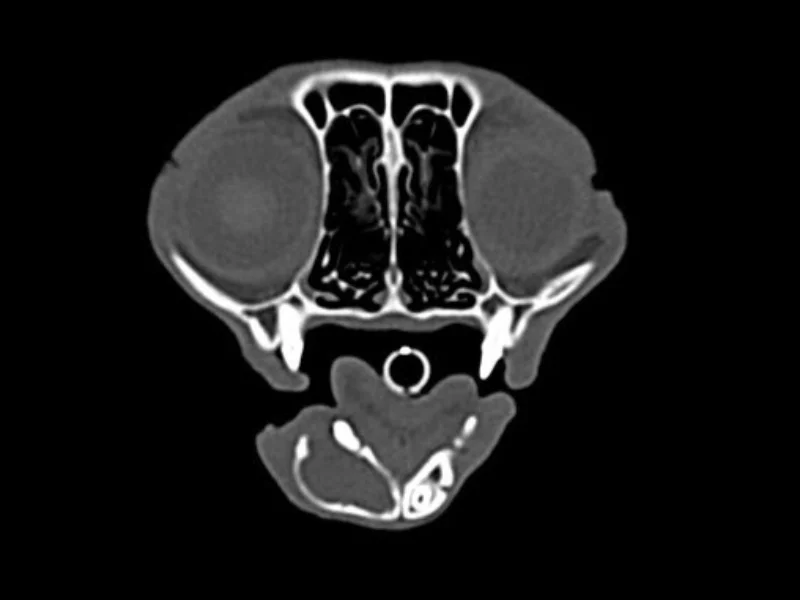
Dental and oral imaging helps veterinarians identify dental problems that may not be visible during a routine examination. Learn how these imaging techniques support accurate diagnosis and effective treatment for your pet.

Root Canal Therapy

Root canal therapy can help save a damaged or infected tooth while relieving pain in pets. Learn how this dental procedure works and how it can help preserve your pet’s natural teeth and oral health.

Gingivoplasty

This procedure involves reshaping gum tissue to guide the eruption of canine teeth into a correct position, preventing traumatic occlusion and avoiding more invasive treatments.

Crown Height Reduction

Reducing the height of misaligned canine teeth and protecting the exposed pulp with a filling helps prevent chronic pain, preserve jaw structure and avoid extraction.

Inclined Plane – Crown Extensions

Orthodontic appliances like inclined planes or crown extensions can reposition misaligned canine teeth, preventing trauma and preserving tooth function without altering their shape.

Dog Braces (Orthodontics)

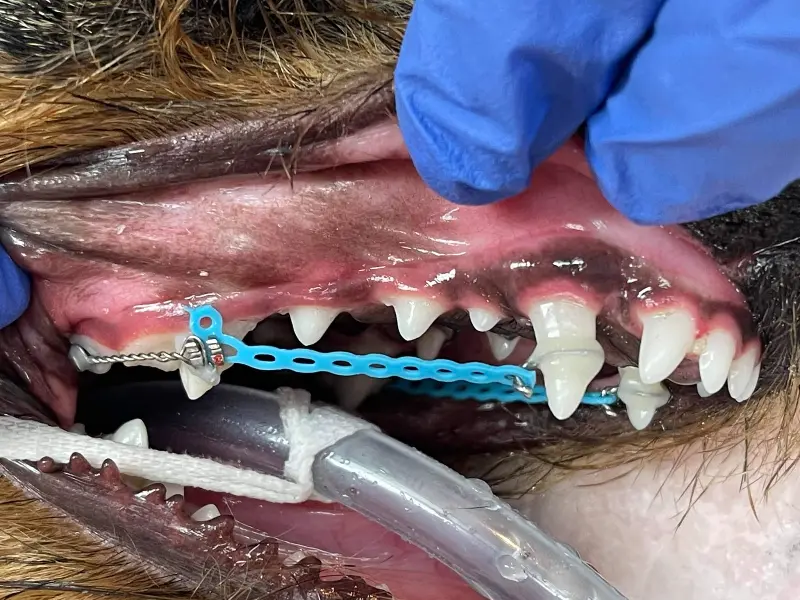
To address mesioverted  (‘lanced’ maxillary canine teeth) and manage linguoversion when the maxillary diastema (the space between the third incisor and canine teeth) is too narrow.

Restorations

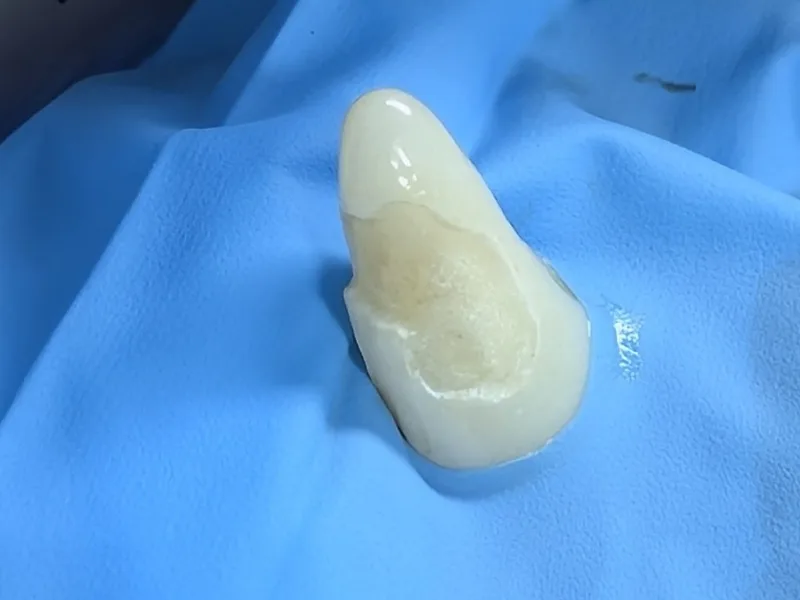
Restorative dentistry repairs damaged teeth in pets, often using crowns, veneers and fillings. These procedures restore dental structure and function, ensuring long-term oral health.

Professional Dental Cleaning

Thorough cleaning and examination under anesthesia remove plaque and calculus, preventing periodontal disease and ensuring long-term oral health in pets.

Mandibulectomies and Maxillectomies

These surgeries involve partial or complete removal of the jaw to treat malignant oral tumours. Treatment options vary and may include surgery, chemotherapy or radiation.

Crown Amputation for Tooth Resorption

This procedure, often used for tooth resorption, involves removing the tooth crown while leaving the resorbing root remnant intact. It’s less invasive and used in cases where traditional extraction is no longer possible. Regular follow-up is recommended.