Oronasal Fistula

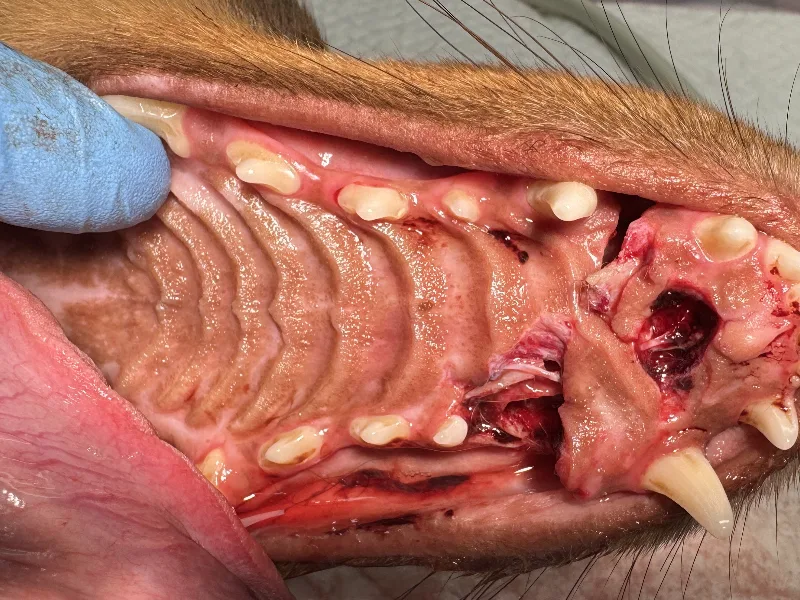
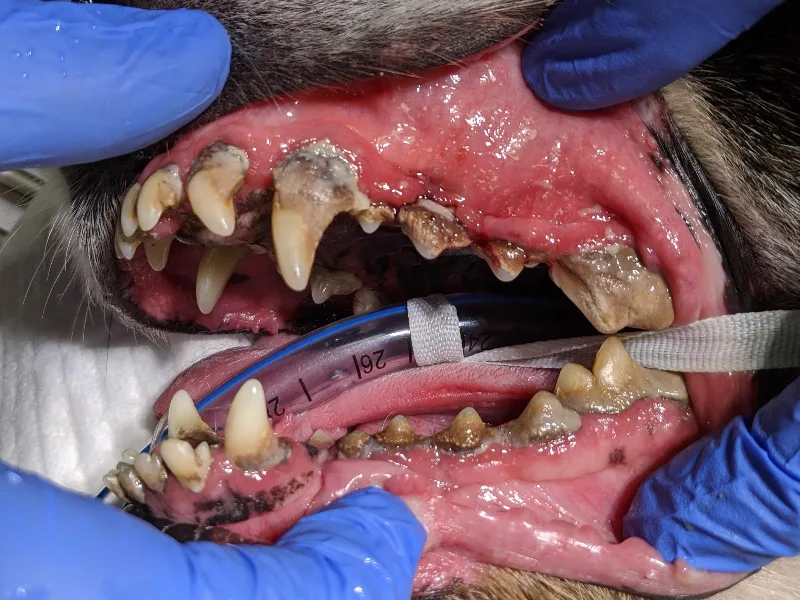
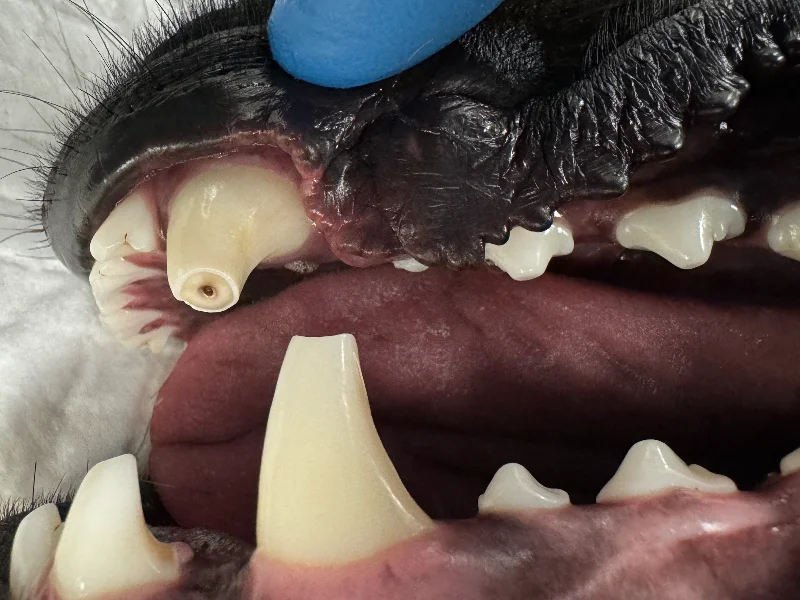
An oronasal fistula (ONF) is a pathological connection between the oral and nasal cavities. It is primarily observed in dogs, with rare occurrences in cats. This condition typically arises in dogs suffering from advanced periodontal disease in the upper jaw.

Causes & Symptoms

Oronasal fistulas (ONFs) can arise from two main causes:

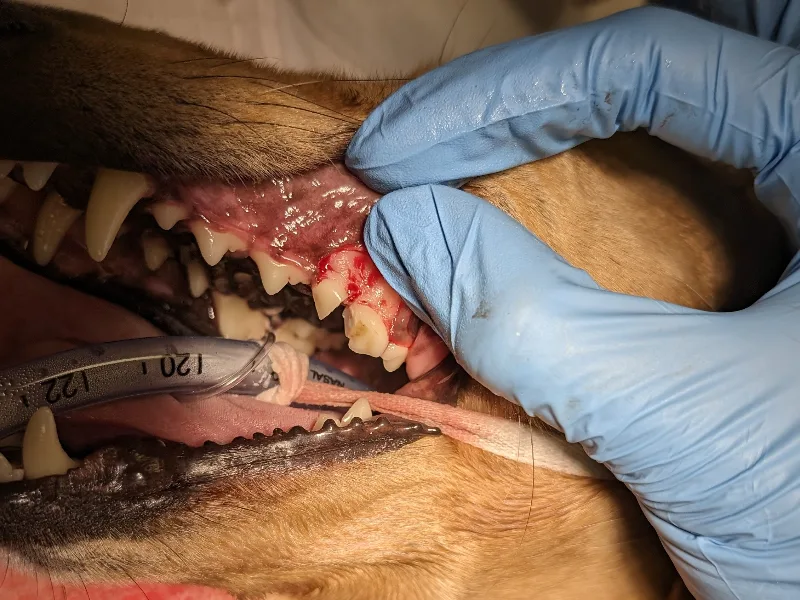
  • Periodontal Disease: Prolonged periodontitis, particularly around the maxillary (upper jaw) canine teeth, can lead to the destruction of bone between the tooth root and nasal cavity.
  • Trauma: Traumatic events, such as chewing on sticks or bones, can damage the thin bone separating the mouth and nose, resulting in ONFs.
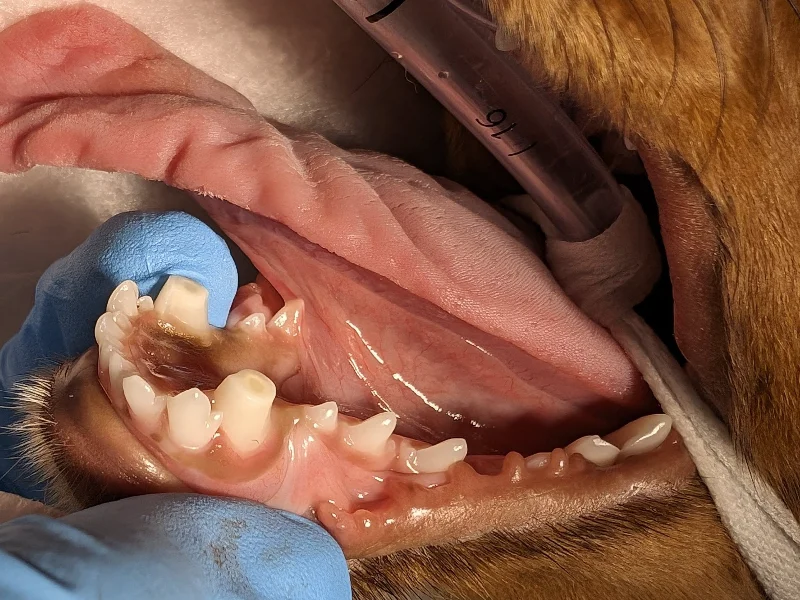
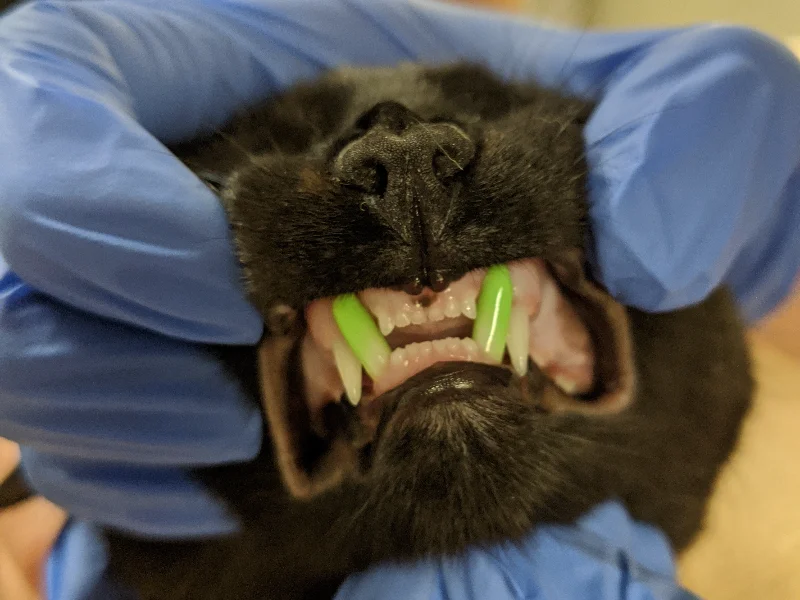
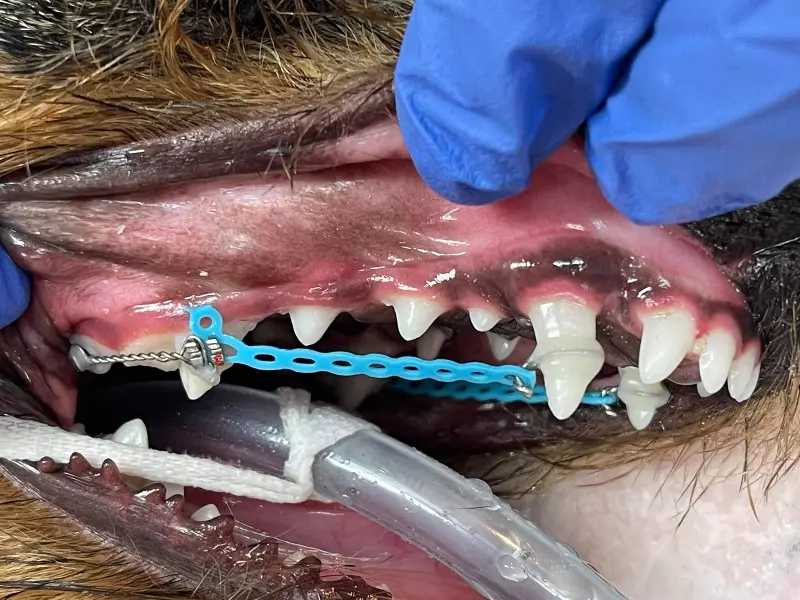
  • Malocclusion: specifically linguoverted (base narrow) mandibular canine teeth.

Symptoms of an oronasal fistula include:

  • Chronic Sneezing: The presence of an ONF allows food and debris to enter the nasal cavity, causing irritation and frequent sneezing.
  • Nasal Discharge: Persistent nasal discharge often indicates a chronic infection in the nasal area.

“Sneezing while eating or nasal discharge can be more than a nuisance — they’re often the earliest clues of an oronasal fistula.”

Repair & treatment

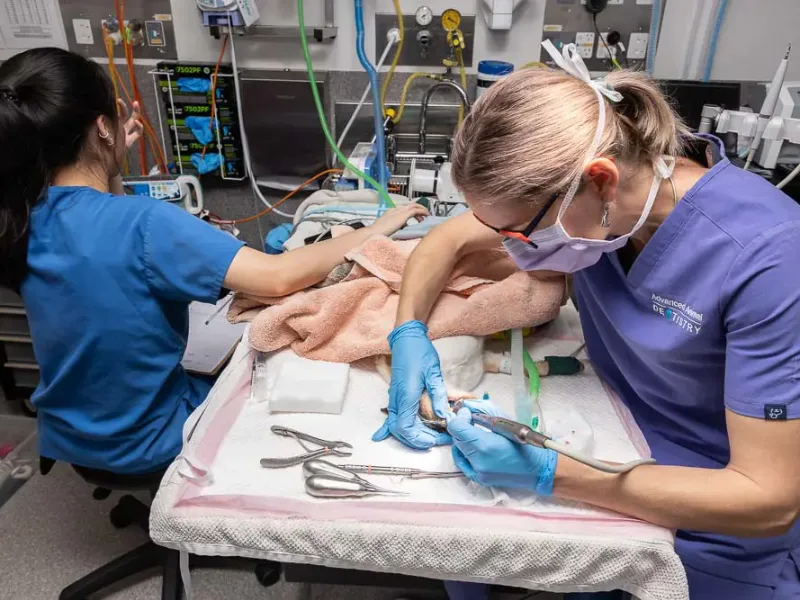
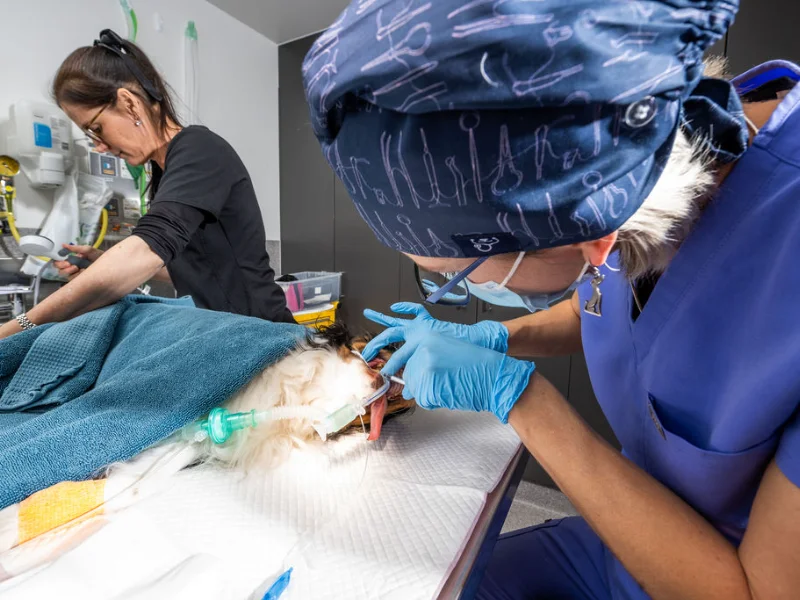
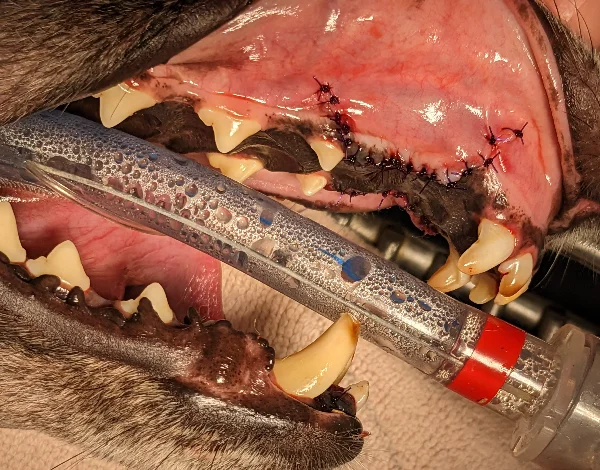
Repairing an oronasal fistula typically involves surgical intervention to close the opening and prevent further complications. The procedure entails creating a flap of tissue from the gingiva and mucosa to cover the hole in the maxilla.

  • Flap Creation: Dentists generate a flap of tissue, including gingival and mucosal components.
  • Tissue Transposition: The flap is carefully moved to cover the opening in the maxilla, restoring the separation between the oral and nasal cavities.
  • Healing and Recovery: Post-surgery, it is essential to allow the site to heal without disturbance. Monitoring the patient’s diet and using an Elizabethan collar helps prevent interference with the surgical area.

“With timely diagnosis and surgical repair, pets with oronasal fistulas can return to comfortable, healthy breathing and eating.”
Importance of repair & post-operative care

Repairing an oronasal fistula is crucial to relieve chronic inflammation and discomfort in the nasal cavity. If left untreated, the persistent entry of food and debris can lead to long-term health issues and impact the dog’s overall wellbeing.

For postoperative care, ensure the dog’s diet is carefully adjusted to avoid interfering with the healing process. An Elizabethan collar should be used to prevent the dog from rubbing or disrupting the surgical site, which aids in a successful recovery.

Early diagnosis and prompt surgical intervention enhance recovery and quality of life for dogs with oronasal fistulas. Regular dental care and timely treatment of periodontal disease help prevent such complications.
Meet the Author

Bec Tucker

Specialist Veterinary Dentist – BVSc (Hons) MANZCVS (Small Animal Dentistry and Oral Surgery)

Diplomate, American Veterinary Dental College™

Hi, I’m Dr Bec Tucker, and my journey into veterinary dentistry has been unexpected yet incredibly fulfilling. In fact, dentistry wasn’t on my radar at all when I graduated with a BVSc (Hons) from the University of Sydney in 2007. I was fortunate to meet veterinarians who had found their passion for dentistry, and their encouragement and enthusiasm shifted my perspective. Through continuing education lectures and workshops, I went from not fancying dentistry and oral surgery to genuinely loving it.

FAQs

What is an oronasal fistula in pets and how does it develop?

An oronasal fistula is an abnormal opening between the mouth and the nasal cavity, often caused by advanced periodontal disease or trauma.

What signs should I look for if my dog or cat might have an oronasal fistula?

Common symptoms include unilateral nasal discharge (possibly with food particles), frequent sneezing, especially while eating, and bad breath.

How is an oronasal fistula diagnosed and what treatment options are available?

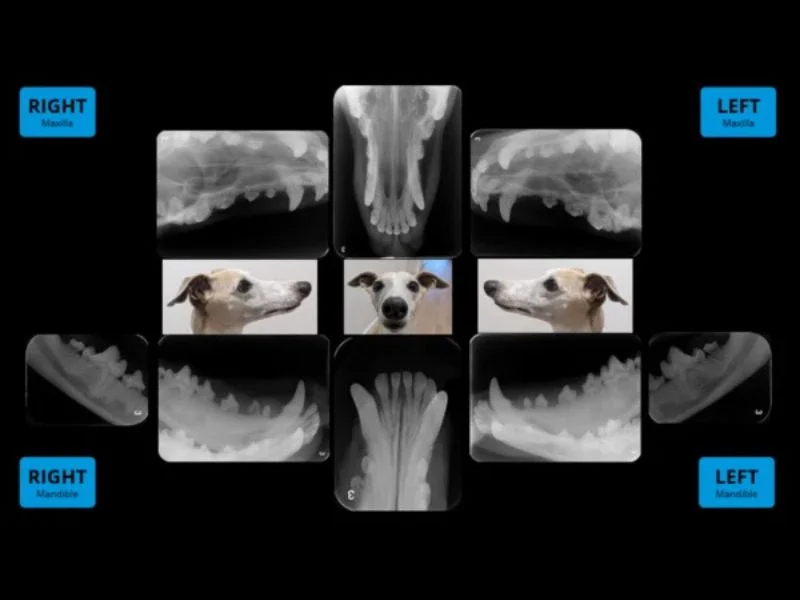
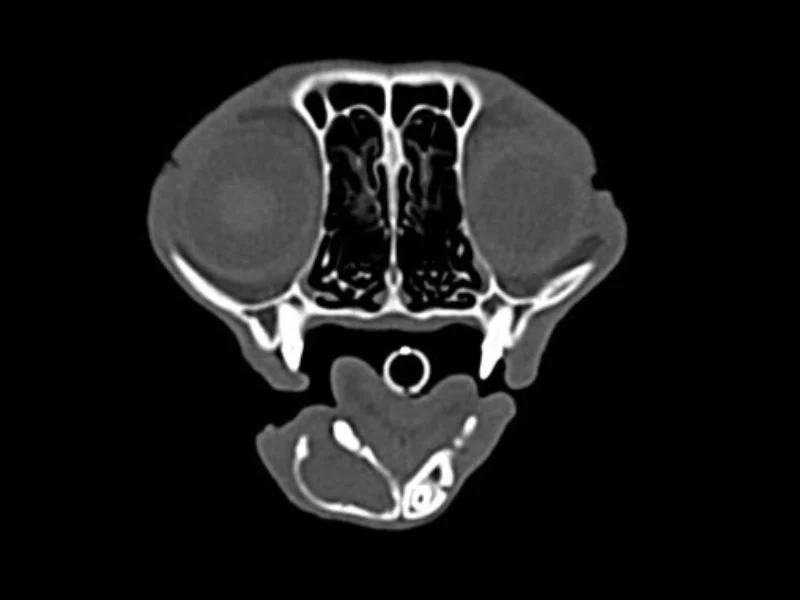
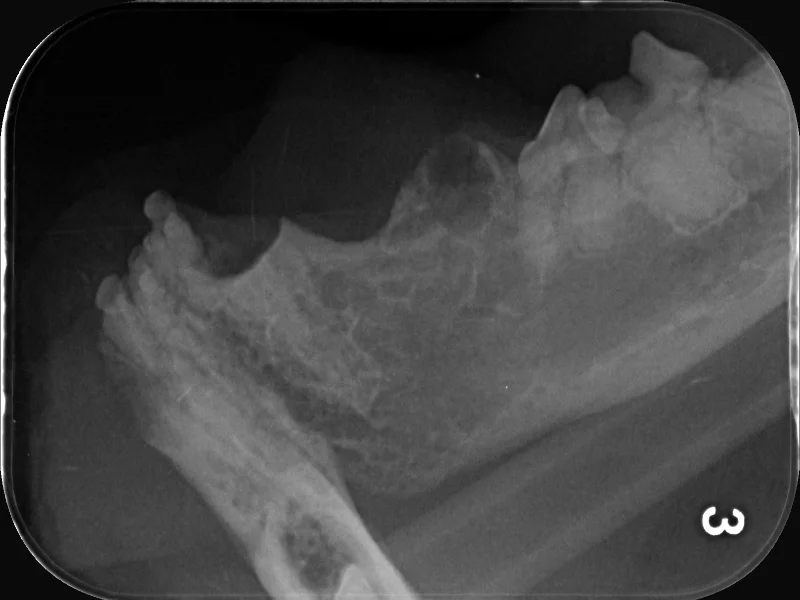
Diagnosis usually requires a comprehensive oral exam, dental X-rays, and sometimes probing under anaesthesia; treatment typically involves surgical repair and possibly extraction of the offending tooth.

What does the recovery process look like after surgical repair of an oronasal fistula?

Recovery involves feeding soft food, preventing hard chewing or pawing at the surgical site, using an Elizabethan collar and following post-op care instructions.

Can I prevent an oronasal fistula from developing in my pet, and how?

While some causes (like trauma or congenital defects) cannot always be prevented, maintaining good dental hygiene with regular check-ups, cleanings, and early treatment of periodontal disease significantly lowers the risk.

Key Takeaways

Oronasal Fistulas Often Go Unnoticed at First

Early symptoms such as sneezing while eating or nasal discharge can be subtle, making timely dental checks essential.

Dental Disease Is a Leading Cause

Severe periodontal disease weakens tissue around the upper canine teeth, allowing an opening to form between the mouth and nasal cavity.

Surgical Repair Is the Only Effective Treatment

Once an oronasal fistula develops, it will not heal on its own and requires specialised surgery to close the defect and restore comfort.

Preventive Dental Care Reduces Risk

Routine dental cleaning, home care and early treatment of gum disease significantly lower the chances of fistula formation.

Next steps

For Pet Owners

Are you concerned about your pet’s dental health? Call 1300 866 848 or fill out the contact form. We’ll coordinate with your primary vet to ensure the best outcome.

For Vets & Nurses

We’re here to help. If you’d like to refer a patient, please call us at 1300 866 848 , complete the referral form or email us with a brief case summary, relevant radiographs and lab results.

For advice and treatment guidance, email us with a brief case summary, relevant radiographs and lab results.


Refer a Patient Contact Us

Specialist Veterinary Dental Services

A comprehensive range of dental and oral surgery treatments.

Contact Us    refer a patient

Removing complex teeth safely and with minimal impact.

Preserving teeth by cleaning and sterilising infected pulp chambers

Precise management for intricate anaesthetics, enhancing safety

Preserving teeth that have damaged pulp through trauma

Detailed imaging with Dental X-rays and CT scans for accurate diagnosis

Cleaning pockets of plaque and tartar, promoting oral health

Performing expert, precise surgical procedures for oral issues

Restoring function and alignment with expert diagnosis and repair.