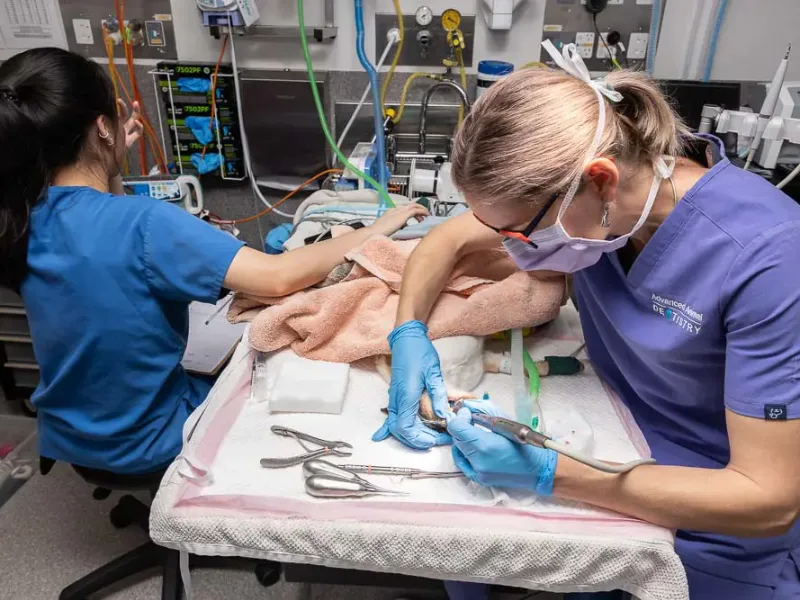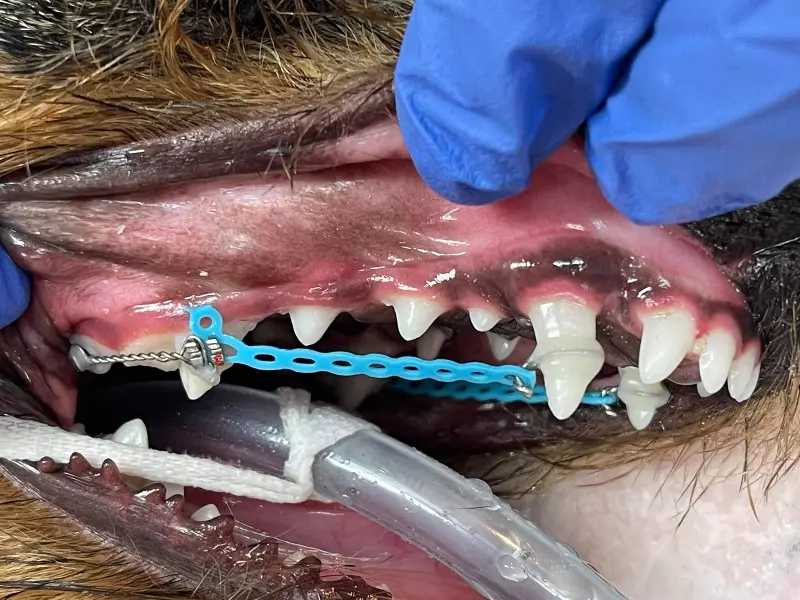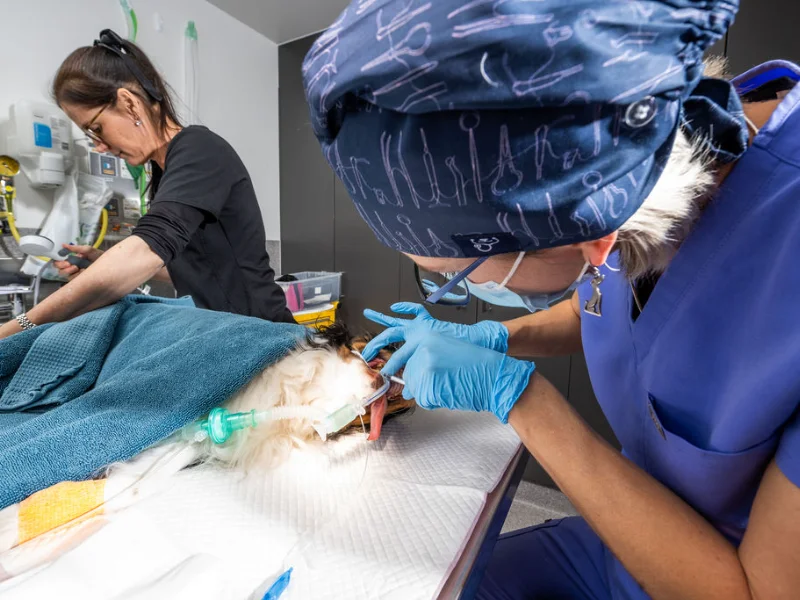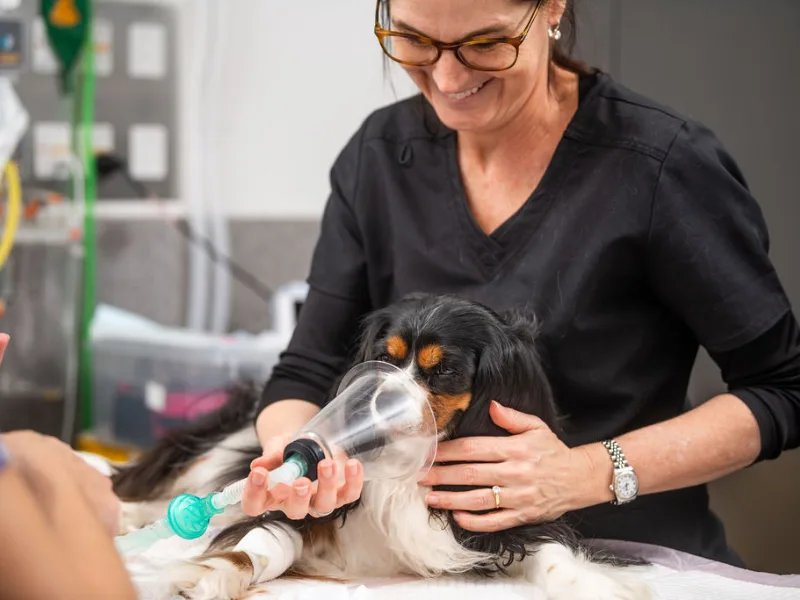
We assess each patient individually, considering their health history, age and any concurrent medical conditions, to tailor the anaesthetic approach to their specific needs.

A key component of oral health is the teeth being ‘alive’ or vital. The pulp, which is the vital part of the tooth, plays a crucial role in maintaining internal health and responding to injury and disease.
A live tooth can better handle challenges, becoming stronger and more resilient over time. To preserve a damaged tooth, a procedure called a vital pulpotomy is sometimes necessary.
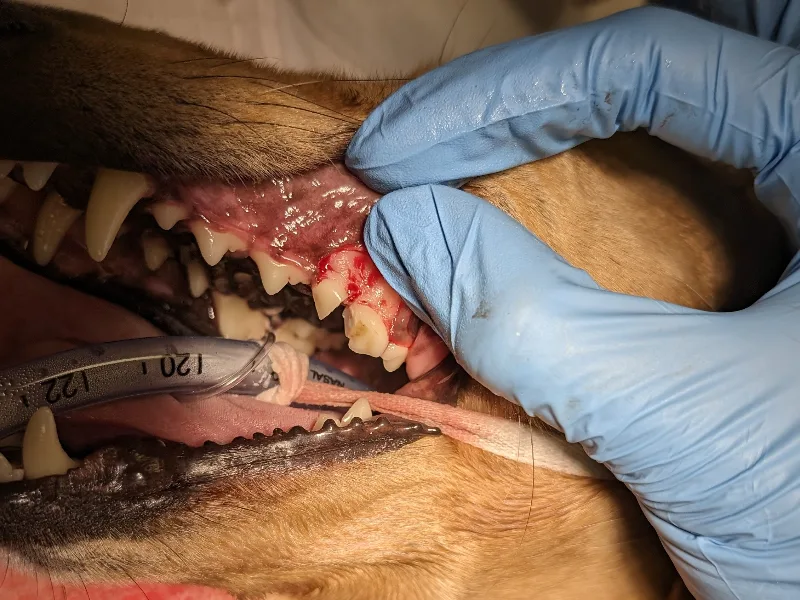
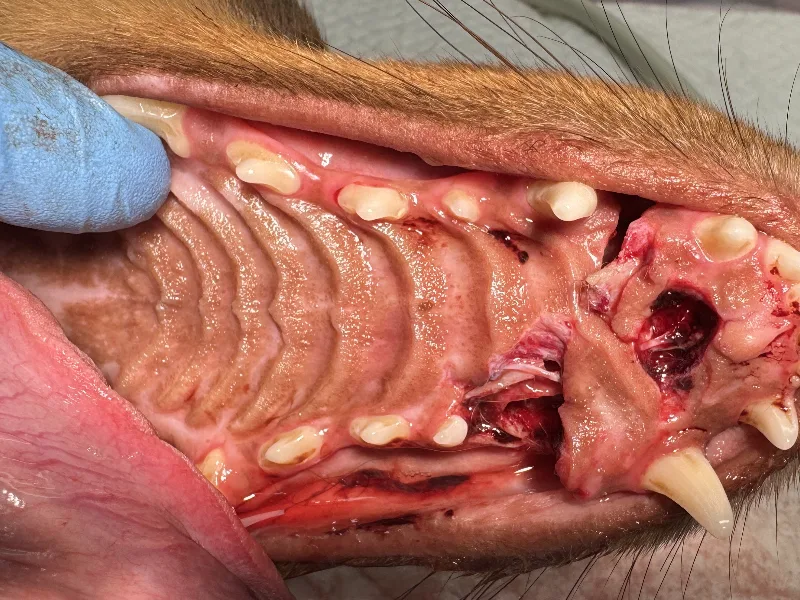
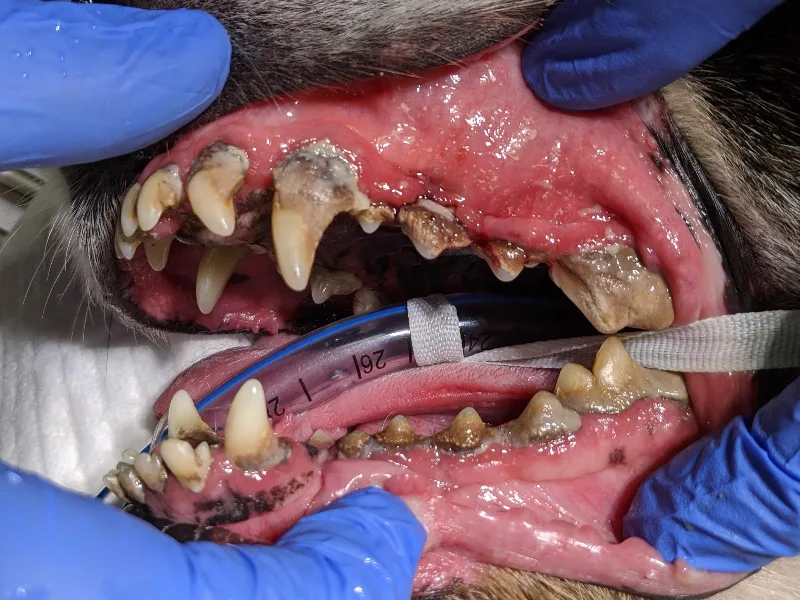
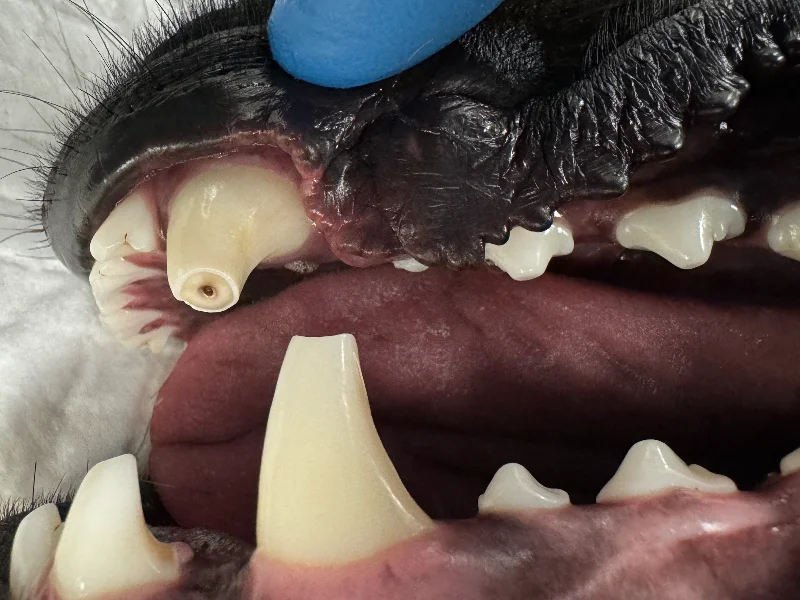
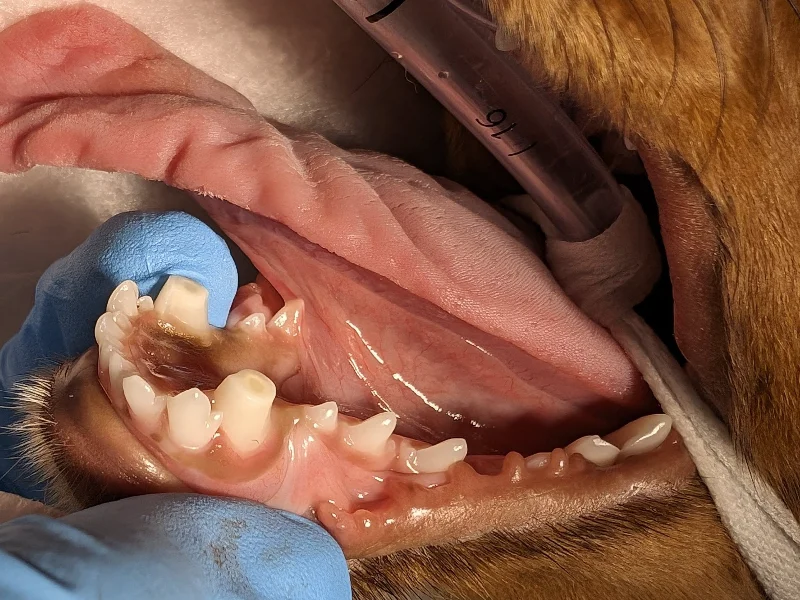
Vital pulpotomy is required when trauma, such as fractures exposing the pulp, puts it at immediate risk of dying. In these emergencies, it is the only way to save the pulp and maintain tooth vitality and it must be performed within 48 hours of the injury.
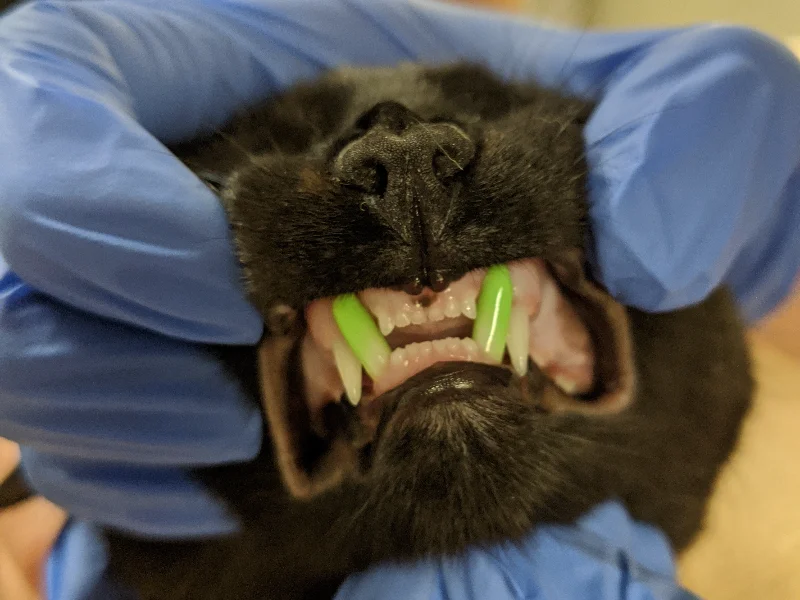
It is also necessary when dental professionals intentionally expose the pulp during procedures like crown height reduction.
“Vital pulpotomy is often the only way to preserve a living tooth after pulp exposure.”

About the procedure
The process involved in treating the affected toot includes:
- Treatment of the pulp involves applying protective layers of material to seal and shield it from external influences and infection.
- A small amputation is performed on the damaged portion of the pulp to remove unhealthy tissue.
- A special biocompatible material is applied to the surface of the pulp, sealing the opening and stimulating the pulp to regenerate new tooth material.
- Two more restorations are placed over the initial layer to complete the sealing process, providing a durable surface that can withstand the rigors of the oral environment.
“Even with prompt care, continued monitoring is essential to ensure long-term tooth vitality.”

Monitoring, assessment & outcomes
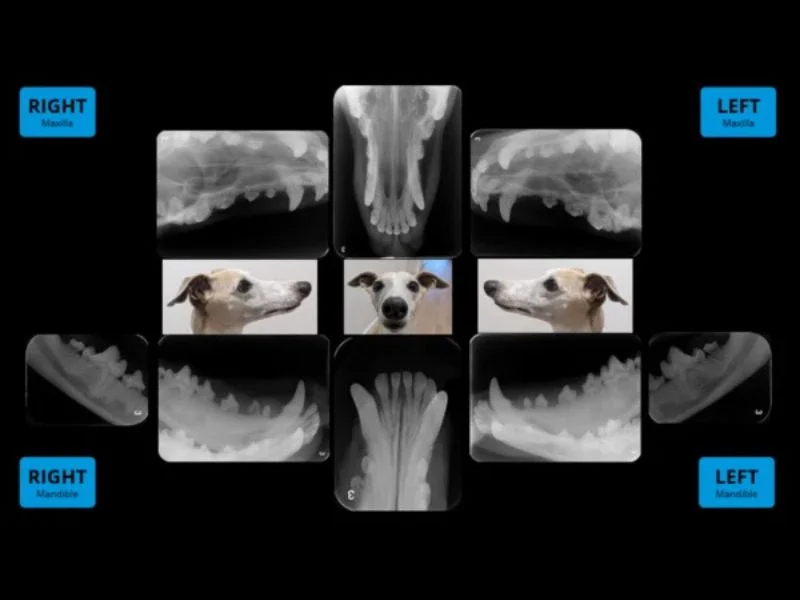
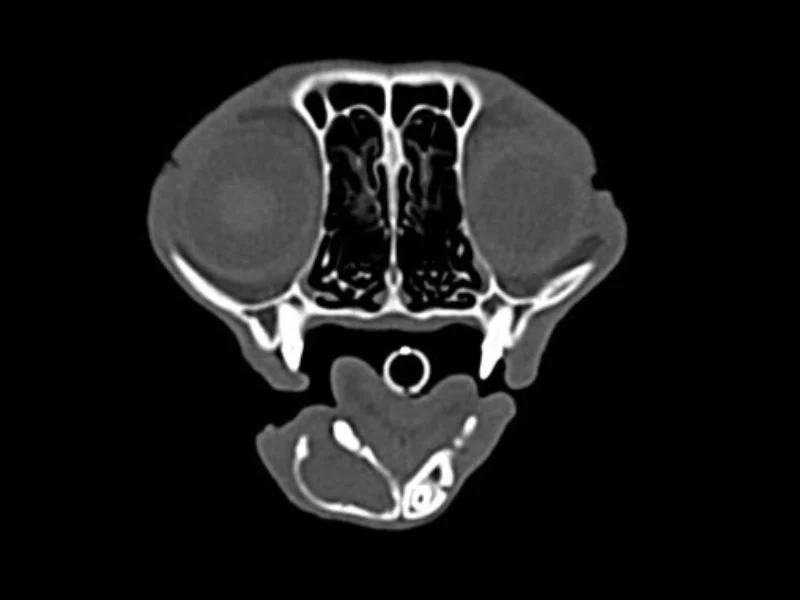
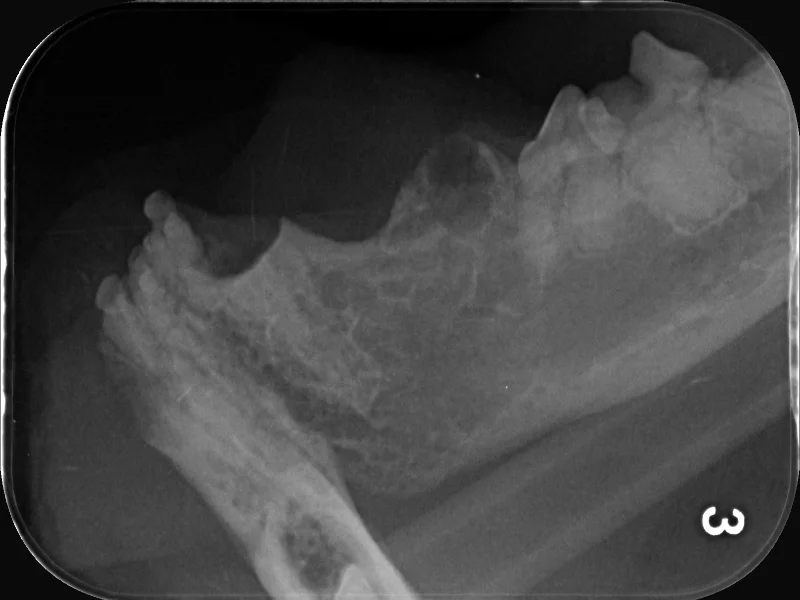
Regular check-ups are essential for tracking and monitoring the healing process. X-rays reveal how well the tooth is recovering and whether the pulp has survived following trauma.
Ongoing radiographs are necessary throughout the pet’s life to maintain consistent oversight of the tooth’s health.
Despite prompt and careful treatment, vital pulpotomies may not always save the pulp. Trauma to the pulp from fractures or height reductions can still cause pulp death.
The failure rate is approximately 10%, so if the pulp does not survive, additional treatments will be necessary to address the issue.